


Stepping out into your garden in the morning only to discover tender green sprouts severed at ground level or stripped of leaves is one of the most disheartening experiences for any grower. If you find yourself asking what is eating my seedlings at night, you are dealing with a common challenge that affects beginner gardeners and seasoned vegetable growers alike. Nocturnal garden pests take advantage of darkness, cool temperatures, and morning moisture to feed on vulnerable young stems before you can intervene.
Understanding which culprit is attacking your plants requires looking closely at the specific physical evidence left behind on the foliage and soil. In this guide, we examine the primary nocturnal seedling feeders, diagnostic clues, and practical mechanical and cultural solutions to protect your garden beds. Note that our current dataset includes 0 standalone reviewed items for this specific query, meaning no commercial product endorsements are featured in this installment. Instead, this guide emphasizes pest identification, physical exclusion methods, and proactive bed management.
Whether you tend a compact raised bed on a patio or manage rows of in-ground greens, identifying the feeding pattern is the first step toward reclaiming your harvest. For comprehensive pest defense across your entire yard, you can also explore our main guide on Garden Pest & Wildlife control methods to safeguard your space through every season.
Practical Guide to Solving What Is Eating My Seedlings At Night
Identifying nocturnal seedling damage requires careful detective work. Different garden visitors leave distinct signatures, from cleanly felled stems to ragged foliage and shiny residue. By matching the physical symptoms to the creature responsible, you can select the correct physical barrier or cultural control without using indiscriminate treatments.
1. Cutworms: Seedlings Felled at the Soil Line
Cutworms are among the most notorious nighttime seedling destroyers. These are the larvae of several species of night-flying moths. During the daylight hours, cutworms burrow just under the soil surface or shelter beneath garden debris, curling into a tight C-shape when disturbed. At night, they emerge to wrap around the base of young plant stems, chewing through them right at or slightly below ground level.
The hallmark sign of cutworm activity is finding a seedling lying completely severed on the ground, often with the top leaves untouched. To confirm their presence, gently scratch the top half-inch of soil within a three-inch radius of the fallen stem. Installing physical collars made from cardboard tubes, plastic cups with the bottoms removed, or stiff metal mesh pushed an inch into the dirt around each transplant creates an effective mechanical shield against cutworms.
2. Slugs and Snails: Ragged Edges and Silvery Trails
Slugs and snails thrive in moist, cool nighttime environments. Because seedling leaves are soft and high in moisture, mollusks can consume entire cotyledons overnight or leave wide, irregular holes with smooth, scraped margins across the leaf surface. Unlike cutworms, slugs rarely topple thick stems cleanly; they rasp away foliage until nothing remains but a bare petiole.
The telltale clue for slugs and snails is a glistening, silvery slime trail across the soil, raised bed corners, or remaining plant leaves. For gardeners using raised planters, applying barriers like the best copper tape for slugs and snails creates a safe deterrent perimeter that mollusks hesitate to cross, reducing damage without harsh chemicals.
3. Earwigs, Crickets, and Pillbugs
While often regarded primarily as decomposers, pillbugs (woodlice), earwigs, and field crickets readily feed on live seedling tissue when humidity is high and organic mulch is thick. Earwigs chew small, jagged holes throughout leaves, often hiding in the central whorls of plants during dawn. Pillbugs tend to strip the tender outer epidermal layer of stems near ground level, causing the seedling to weaken and collapse.
These arthropods hide by day under damp straw, boards, or thick compost mulches. If you notice localized seedling loss adjacent to heavily mulched areas, pull the mulch back two to three inches away from newly sprouted stems. Creating a drier zone immediately around the base of the plant discourages these moisture-loving critters from lingering overnight.
4. Small Mammals: Mice, Voles, and Rabbits
When entire groups of seedlings vanish overnight with no leftover leaves or stems, small warm-blooded mammals are frequently responsible. Mice and voles operate under cover of dark, nipping shoots down to root crowns and frequently digging tiny, conical holes in seedbeds to extract unsprouted seeds. Rabbits feed heavily during twilight and nighttime hours, shearing stems off cleanly at a sharp 45-degree angle.
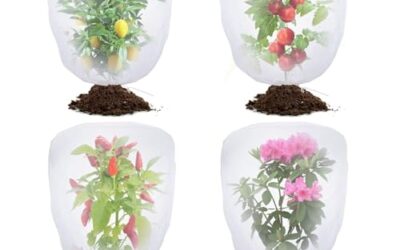
Physical exclusion is the most reliable defense against small mammals. Covering vulnerable rows with a best garden cloche for pest protection or hardware-cloth cage establishes an impassable barrier that protects young crops during their most delicate growth stages.
5. Diagnostic Comparison: Symptoms and Culprits
Use this reference table to evaluate seedling damage and identify the most likely nocturnal pest visiting your garden beds:
| Visual Symptom | Likely Culprit | Key Clue to Look For | Immediate Action |
|---|---|---|---|
| Stem severed at soil surface | Cutworm | Curled grub found just below topsoil | Install cardboard or metal protective collars |
| Irregular ragged leaf holes | Slugs or snails | Silvery dried slime trails nearby | Clean up damp debris; apply physical copper strips |
| Entire seedling missing clean | Rabbits or mice | Sharp 45-degree cuts or tiny dig holes | Cover rows with rigid mesh cloches or netting |
| Ragged chewing on small stems | Earwigs or pillbugs | Pests scuttling under damp mulch boards | Pull mulch away from stems; set damp rolled paper traps |
6. Cultural Controls and Bed Maintenance
Managing nighttime feeding is not solely about reacting after plants disappear. Adjusting basic garden habits significantly reduces pest pressure. Watering your vegetable beds in the early morning rather than late afternoon allows the soil surface and mulch to dry out before sunset, making the environment far less inviting to slugs, snails, and pillbugs.
In addition, maintaining clear bed perimeters deprives pests of daytime hiding spots. Keep weeds trimmed around the edges of growing plots, elevate stored lumber or stepping stones away from planting zones, and wait until seedlings establish four to six true leaves before applying heavy straw mulches.
7. Deterrents for Mammals and Larger Wildlife
For larger nocturnal foragers such as deer, raccoons, or neighborhood cats digging in fresh planting soil, perimeter deterrence can provide added security. Setting up visual scare devices such as a best owl decoy for garden pests can discourage smaller nuisance visitors when repositioned periodically.
For expansive open beds where installing cloches over every plant is impractical, homeowners often pair physical fences with motion-activated devices. Exploring options like the best solar animal repeller for garden boundaries can help discourage nocturnal wildlife without running electrical cords across your property.
Research Methodology and Trust
At Dove Creek Gardens, our editorial recommendations follow a structured evaluation process designed to provide practical, evidence-based guidance. For this analysis of what is eating my seedlings at night, our review team audited university agricultural extension publications, entomological field keys, and grower diagnostic resources updated for September 2026.
Our assessment focuses on non-chemical exclusion methods, mechanical barrier design, and cultural garden management. We prioritize strategies that are safe for backyard wildlife, pollinators, and companion pets while offering dependable protection for young vegetables and ornamental shoots.
We believe in full transparency: we do not claim artificial hands-on testing results for commercial items that were not physically evaluated. Because the current product data catalog contained no matching verified products for this exact seedling diagnostic query, we have intentionally avoided manufacturing commercial product picks, focusing instead on real diagnostic criteria and verified cultural controls.
Frequently Asked Questions About Seedling Protection
How can I find out what is eating my seedlings at night?
The most direct way to identify nocturnal pests is to inspect your garden two hours after sunset using a flashlight or headlamp with a red light setting. Examine both the tops and undersides of leaves, check along the soil line for cutworms or earwigs, and look for telltale slime tracks or small burrowing holes.
Will seedlings grow back after being chewed down to the stem?
Seedlings severed below their lowest embryonic leaves (cotyledons) will not regenerate because they lack growing nodes. If a pest eats only part of a true leaf and the central growing tip remains intact, the plant can frequently recover if protected from further nocturnal feeding.
What is the easiest homemade barrier to stop cutworms?
Cardboard toilet paper tubes cut into two-inch sections make cheap and effective cutworm collars. Slip a tube over the seedling when transplanting, pressing it one inch into the soil while leaving one inch protruding above the ground. Cutworms cannot climb over the smooth collar to reach the tender stem.
Why does night watering increase seedling damage?
Evening irrigation leaves the soil and leaf canopy saturated throughout the dark hours. High humidity and surface moisture create ideal foraging conditions for slugs, snails, and pillbugs, which become dehydrated and inactive when surface soil is dry. Shifting watering routines to the early morning keeps the soil surface dry by dusk.
When is it safe to remove physical covers from young plants?
Physical barriers such as cloches or row covers are typically safe to remove once seedlings have developed tough, woody stems and four to six sets of mature true leaves. At that stage, minor insect nibbling rarely causes fatal damage, and plants can withstand standard outdoor conditions.
Continue your garden research
Browse more practical guides in Garden Pest & Wildlife.
For product comparisons, see Best Deer Repellent For Vegetable Gardens 2026: Reviews and Buying Guide.
See how Dove Creek Gardens researches and compares products.