


Prune with limited hand strength
Compare lighter tools, assisted cutting mechanisms, and manageable grip spans.
Read Best Cordless Pruning Shears for Arthritic HandsWe independently review gardening tools, lawn care equipment, and outdoor living products. When you buy through links on our site, we may earn a commission at no extra cost to you. Learn more ›
Cut, dig, weed, and maintain
The right hand tool should match the plant, branch size, grip strength, and amount of work—not simply have the longest feature list. This hub covers pruning shears, loppers, saws, weeders, trowels, carts, and powered pruning tools for routine backyard maintenance. We pay particular attention to cutting capacity, blade type, weight, handle reach, replaceable parts, storage, and comfort for gardeners with limited hand strength or back mobility.
Start with your project
Compare lighter tools, assisted cutting mechanisms, and manageable grip spans.
Read Best Cordless Pruning Shears for Arthritic HandsChoose between loppers and pruning saws based on diameter, access, and cut control.
Read Best Bypass Loppers For Thick Branches 2026: Reviews and Buying GuideReview pole-pruner weight, extension range, head angle, and battery platform.
Read Best Cordless Pole Pruner for Small TreesPractical buying guide
Start with the job and material. Bypass blades make clean cuts on living stems, while anvil designs are generally better suited to dry material. Thick branches may require compound-action loppers, a pruning saw, or a pole tool rather than forcing a small hand pruner beyond its rated capacity.
Ergonomics matter over a full work session. Compare tool weight, handle span, grip texture, lock placement, and whether the tool can be used comfortably with one or both hands. Longer handles add leverage and reach, but they also increase storage space and can feel unwieldy in tight beds.
Look beyond the initial edge. Replaceable blades, available springs, corrosion-resistant finishes, and simple cleaning points can extend service life. Sap and soil should be removed after use, moving joints kept clean, and cutting edges sharpened according to the manufacturer’s guidance.
For powered tools, check the complete operating weight with battery installed, runtime for your workload, vibration, reach, and availability of compatible batteries. A compact tool that you can control safely is usually more useful than a powerful model that is tiring to hold.
Our recommendations compare practical fit, specifications, included components, maintenance needs, and recurring owner-feedback patterns. Product availability and specifications can change, so confirm current details, warranty terms, and final price with the retailer before purchasing.
Recently published
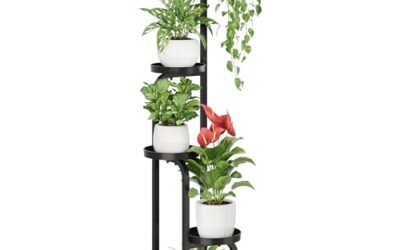
Compare 10 outdoor plant stands for patios, balconies, porches, and compact gardens. This guide explains how to choose the right capacity, footprint, material, and stability for your pots.
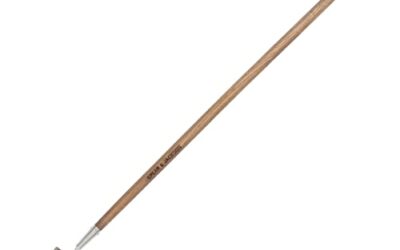
We compare 10 ergonomic hand trowels for gardeners with arthritis, focusing on grip comfort, leverage, materials, weight, digging tasks, and storage. Options range from $5.99 to $57.98 and include Radius Garden, A.M. Leonard, Spear & Jackson and more.
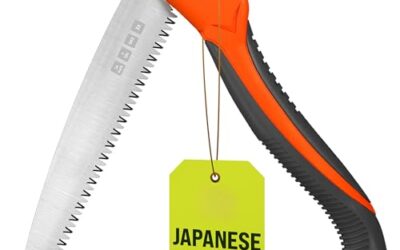
We compare 10 folding pruning saws from Craft911, REXBETI, Corona Clipper, Fiskars, FELCO, forest Originals, and FLORA GUARD. This guide helps gardeners choose the right blade size, grip, folding design, and cutting capacity for routine branch work.
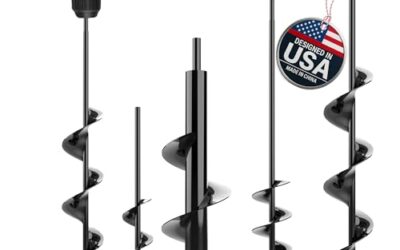
We compare 10 relevant garden auger drill bits for planting, including single bits and multi-size sets. This guide helps beginners, older gardeners, and small-space growers choose the right diameter, length, drill fit, and handling approach.
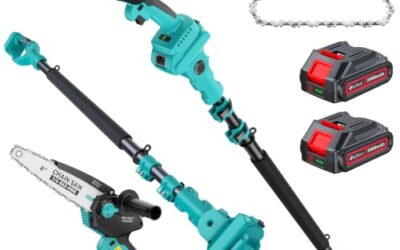
We compare eight valid cordless pole pruners and pole-saw combinations for small-tree maintenance, focusing on reach, cutting capacity, battery details, comfort, safety, and upkeep.
We compare pruning saws and pole saws for thick branches, including folding hand saws, manual pole saws, and cordless options for home gardeners.
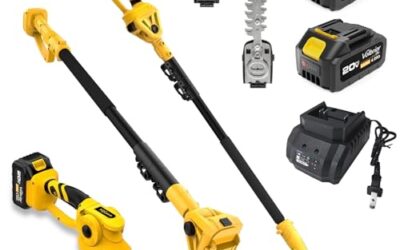
We compare lightweight cordless and corded hedge trimmers for older gardeners, focusing on weight, controls, cutting capacity, runtime, vibration, and safe handling.
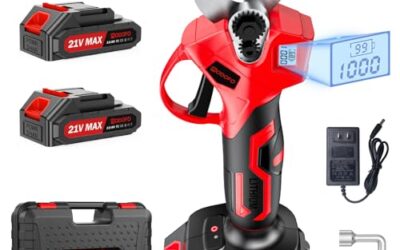
Compare 9 cordless electric pruning shears priced from 44.99–89.99, including options from BLACK+DECKER, MODOFO, PAOWAFOL, Seesii, Anttctig. This guide focuses on cutting capacity, battery setup, controls, maintenance, and practical use for gardeners with arthritic hands.
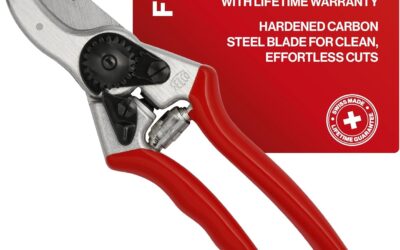
A practical comparison of pruning shears and garden snips for gardeners with smaller hands, including comfort, cutting capacity, safety locks, and maintenance considerations.
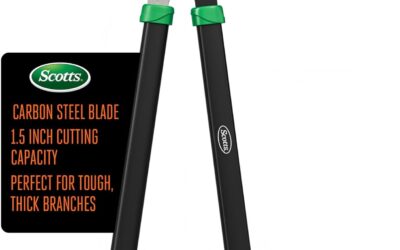
A practical comparison of bypass loppers for homeowners pruning thick live branches, shrubs, and small tree limbs, with attention to cutting capacity, leverage, comfort, and upkeep.
Common questions
Use these answers as a starting point, then check the detailed guide for the product type and your own garden conditions.
A comfortable bypass pruner is the most versatile starting point for flowers, herbs, and small live stems. Add loppers or a pruning saw only when branch diameter regularly exceeds the pruner’s rated capacity.
No. Fit, blade quality, replaceable parts, and comfort matter more than price alone. A simpler tool that matches your hand size and workload can provide better long-term value.
Remove sap and moisture after use, dry the tool before storage, keep the pivot clean, and follow the manufacturer’s lubrication guidance. Do not store wet tools directly on a shed floor.
We organize product information around the job a homeowner needs to complete. Our guides examine relevant specifications, practical constraints, included accessories, maintenance, storage, and repeated owner-feedback themes. We explain tradeoffs and identify who a product may or may not suit. We may earn a commission from qualifying purchases, but retailers do not approve our editorial conclusions.
Read our review methodology