


Start seedlings reliably
Compare mat dimensions, thermostat probe placement, temperature range, and electrical safety.
Read Best Seed Starting Heat Mat with ThermostatWe independently review gardening tools, lawn care equipment, and outdoor living products. When you buy through links on our site, we may earn a commission at no extra cost to you. Learn more ›
Extend the season and organize garden gear
Greenhouses and storage systems solve different problems but share the same need for careful sizing, weather resistance, ventilation, and access. This hub compares portable and walk-in greenhouses, shade cloth, fans, vent openers, heat mats, grow-light shelves, sheds, racks, potting benches, and compact tool storage. We focus on usable interior space, anchoring, temperature control, moisture, load capacity, assembly, and everyday access.
Start with your project
Compare mat dimensions, thermostat probe placement, temperature range, and electrical safety.
Read Best Seed Starting Heat Mat with ThermostatMatch opener lift capacity, temperature adjustment, window geometry, and mounting hardware.
Read Choosing a Automatic Greenhouse Vent Opener: A Practical GuideSize fans for the structure and consider thermostat control, moisture, and safe power.
Read Best Greenhouse Fan with ThermostatCompare footprint, door access, weather resistance, shelving, anchoring, and security.
Read Best Garden Storage Shed for Small BackyardPractical buying guide
A greenhouse gains heat quickly in sun, so ventilation is part of the purchase rather than an optional extra. Compare door and vent area, automatic openers, fan capacity, shade options, insect screening, and safe electrical access before filling the structure with plants.
Match covering and frame to the site. Wind exposure, snow, UV, anchoring surface, drainage, and seasonal use determine whether a lightweight portable structure is appropriate. Manufacturer dimensions may not reflect shelves, walkways, door clearance, and mature plant size.
For seed starting, coordinate heat, light, and airflow. A thermostat-controlled heat mat warms the root zone, while grow lights manage plant growth above it. Temperature should be measured where the trays sit, and electrical equipment kept away from uncontrolled water exposure.
Storage should make tools easier to dry, see, and retrieve. Check floor and wall load capacity, handle clearance, shelf adjustment, door opening, ventilation, and security. Keep fertilizers, fuels, batteries, and chemicals according to their specific storage instructions rather than treating every garden item the same.
Our recommendations compare practical fit, specifications, included components, maintenance needs, and recurring owner-feedback patterns. Product availability and specifications can change, so confirm current details, warranty terms, and final price with the retailer before purchasing.
Recently published
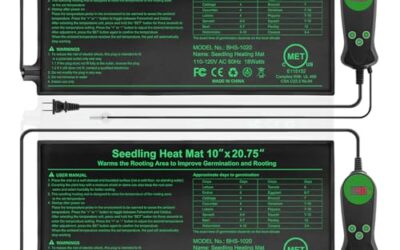
Find the Best Seed Starting Heat Mat With Thermostat with our comprehensive buying guide.
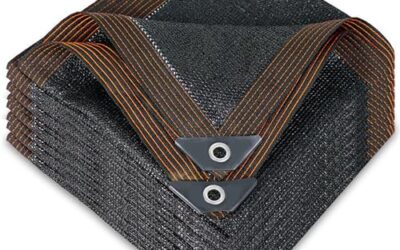
Compare 10 matching greenhouse shade cloths from the supplied product data, including 40% to 90% shade options, HDPE mesh, grommets, and sizes for small gardens or larger greenhouse coverage.
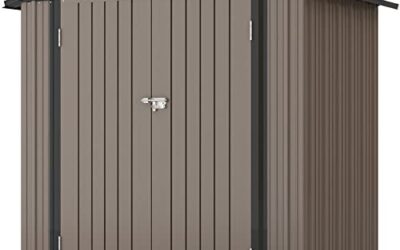
We compare compact metal and resin sheds for tools, lawn equipment, and outdoor gear, with practical advice for small backyards, easy access, setup, ventilation, and storage.
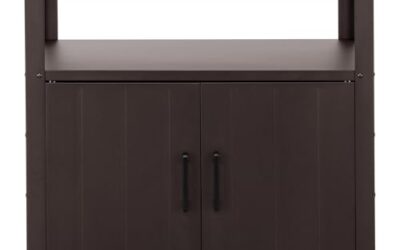
We compare 10 documented potting benches with storage for work-surface design, organization, mobility, accessibility, materials, and outdoor use. This guide helps homeowners choose a practical station for patios, greenhouses, balconies, and small garden spaces.
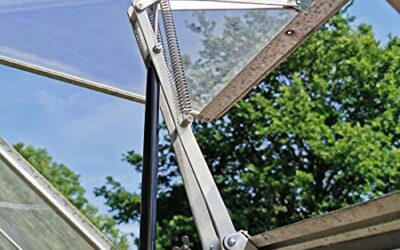
We compare nine valid solar heat-sensitive greenhouse vent openers from the supplied product data, including dual-spring, single-spring, two-pack, and higher-capacity options for home growers.
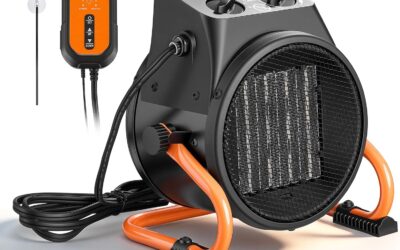
We compare eight greenhouse exhaust fans with thermostat control, including compact, solar, high-airflow, and humidity-monitoring options for home gardeners.
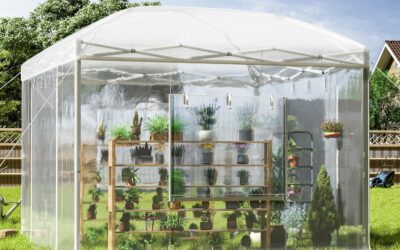
A comparison of portable backyard greenhouses for home gardeners, covering frame stability, cover materials, ventilation, and shelving to help you pick the right fit for your yard.
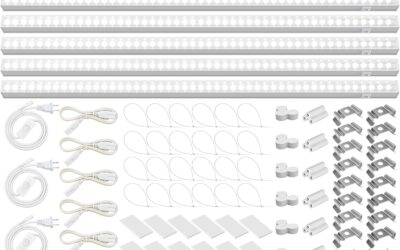
A practical comparison of 15 grow lights for greenhouse seedlings, built for beginners, small-space growers, and gardeners who want simple, dependable seed-starting light.
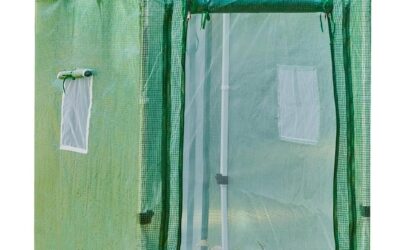
A practical comparison of compact, tabletop, tiered, and walk-in mini greenhouses for balcony gardeners, small patios, and seed starting spaces.
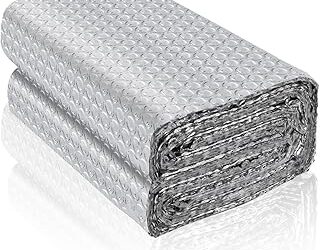
A practical greenhouse cooling guide comparing shade cloth, solar ventilation fans, and misting kits for home gardeners managing summer heat.
Common questions
Use these answers as a starting point, then check the detailed guide for the product type and your own garden conditions.
Natural vents may be enough in some conditions, but warm, humid, or densely planted houses often need additional airflow. Monitor actual temperature and humidity before deciding.
Only if its design, anchoring, cover, and load rating suit local wind and snow. Follow the manufacturer’s seasonal-use guidance and remove accumulated snow when instructed.
Heat-sensitive batteries, some chemicals, fuels, and products with specific temperature limits may require another location. Follow each manufacturer’s storage and fire-safety instructions.
We organize product information around the job a homeowner needs to complete. Our guides examine relevant specifications, practical constraints, included accessories, maintenance, storage, and repeated owner-feedback themes. We explain tradeoffs and identify who a product may or may not suit. We may earn a commission from qualifying purchases, but retailers do not approve our editorial conclusions.
Read our review methodology