


Keeping outdoor cutting edges sharp and pivot mechanisms moving freely is essential for any healthy yard. When soil moisture, plant sap, and humidity sit on steel surfaces, oxidation sets in quickly. Understanding how to oil garden tools protects your investment, reduces physical strain during pruning sessions, and prevents rust from degrading carbon steel blades and wooden handles. Whether you tend a patio container collection or manage a sprawling vegetable plot, routine lubrication keeps every implement ready for clean cuts and smooth operation.
This guide helps beginner growers, busy homeowners, and gardeners looking for low-strain maintenance techniques. For this 2026 guide, we evaluated dedicated tool oils on oil formulations, application steps, safety considerations, and compatibility across varied tool styles. If you are also refreshing your cutting gear, exploring our broader Garden Tools & Pruning resources provides valuable context on tool designs and materials.
When selecting the right lubricant and process, gardeners must weigh viscosity, food-safety implications for edible crops, wood absorption rates, and environmental footprint. A balanced routine uses the correct oil for metal blades while treating ash and hickory handles with protective drying oils, preventing structural cracks and sticky residues that collect grit.
Practical How To Oil Garden Tools Buying Guide
Applying oil is only half the battle; choosing the right formula determines whether your tools resist moisture or collect abrasive dirt. The following sections walk through the core decisions, application methods, safety rules, and long-term care practices necessary to keep your gardening gear in peak condition.
Selecting the Right Oil: Mineral, Linseed, and Plant-Based Formulations
Different parts of a garden tool demand different oil chemistries. For carbon steel and stainless steel blades, lightweight non-drying oils create a moisture barrier that stays fluid. Standard mineral oil and multi-purpose machine oils provide reliable rust resistance without breaking down quickly. For gardeners working extensively around organic vegetables, pure food-grade mineral oil or camellia oil offers a non-toxic layer that will not contaminate soil or harvest baskets.
Wooden handles require drying oils rather than liquid machine lubricants. Boiled linseed oil and pure tung oil penetrate the grain and slowly polymerize into a tough, water-resistant shield. Using automotive motor oil or standard cooking vegetable oils on handles or blades is a frequent misstep; vegetable cooking oils turn rancid and sticky over time, while automotive fluids can introduce heavy metals into garden beds.
| Oil Type | Best Surface | Curing Behavior | Garden Fit |
|---|---|---|---|
| Mineral Oil | Steel blades, pivots, springs | Non-drying liquid film | Excellent for general tools and food-safe beds |
| Boiled Linseed Oil | Ash, hickory, oak handles | Polymerizes into a hard satin finish | Standard choice for wooden tool shafts |
| Camellia Oil | High-carbon pruning shears, saws | Light non-gumming liquid | Premium traditional choice for delicate blades |
| Pure Tung Oil | Wooden handles and frames | Slow curing, durable seal | Natural, water-resistant organic option |
Step-by-Step Metal Preparation Before Lubrication
Never apply fresh oil over caked dirt or dried plant sap. Oil layered over contaminants traps moisture against the metal, accelerating corrosion rather than preventing it. Begin by scrubbing the tool with a stiff nylon brush and warm soapy water to dislodge dried soil and grit. For stubborn tree sap left on loppers or hand shears, wipe the blades with rubbing alcohol or a mild citrus solvent.
If light surface rust has already formed, gently buff the affected zones using fine 0000 steel wool or a medium-grit sanding sponge. Once the metal is clean, dry every surface completely with a lint-free cloth. Applying oil to damp steel locks water droplets beneath the petroleum or vegetable barrier, defeating the purpose of maintenance.
Oiling Moving Pivot Points and Tension Springs
Hand pruners, loppers, and hedge shears rely on central pivot bolts and springs that endure high friction. When working on compact cutting equipment, apply one or two drops of light machine oil directly onto the pivot joint and inside the coils of the return spring. Open and close the tool several times to distribute the fluid evenly across internal contact points.
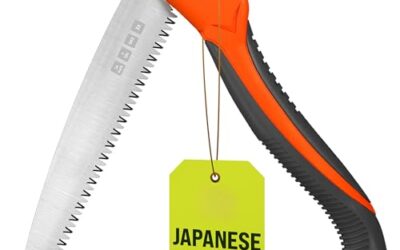
Folding saws require special attention along the hinge and locking lever. When maintaining implements like those featured in our guide to choosing a folding pruning saw for gardener, clean the tooth channels and apply a very light coat to the folding mechanism to maintain smooth one-handed latching without attracting sawdust.
Conditioning Wooden Handles to Prevent Splintering
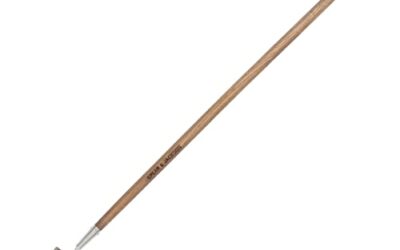
Unfinished or weather-worn wooden handles on shovels, rakes, and trowels dry out under sun exposure, eventually developing rough fibers that cause blisters. Inspect handles annually for splinters, rubbing the wood smooth with 120-grit sandpaper followed by 220-grit paper along the grain.
Pour a small pool of boiled linseed oil onto a clean rag and rub it thoroughly into the wood until the surface looks wet. Allow the oil to absorb for 20 to 30 minutes, then wipe off all excess liquid with a dry cloth. Leaving puddles of oil on wood creates a tacky, uncomfortable grip. Repeat this process once a day for two or three consecutive days during autumn preparation.
Critical Safety and Combustion Precautions
Gardeners using drying oils such as boiled linseed oil must observe strict disposal protocols. As linseed oil oxidizes and cures, it generates heat. Rags crumpled into a ball and left in a shed or trash bin can spontaneously combust, posing an extreme fire hazard.
Always lay used oily rags flat on a concrete driveway or hang them separately outdoors over a metal line until completely stiff and dry. Alternatively, submerge soaked rags in an airtight metal can filled with water before taking them to a municipal hazardous waste collection site.
Seasonal Maintenance Schedules: Daily Care vs. Winterizing
Maintenance routines should balance practicality with protection. In daily summer use, an intensive oiling process is rarely necessary. Keep a bucket filled with clean builder sand mixed with a quart of mineral oil in your tool shed. Plunging metal spades, forks, and trowels into the oily sand cleans off soil and coats the steel in seconds.
In late autumn, perform a full winterizing ritual on heavy cutting gear, including tools highlighted in our review of the best pruning saw for thick branches. Disassemble two-piece shears if comfortable doing so, clean all sap deposits, coat the blade faces thoroughly, and store them in an unheated, dry shed off concrete floors.
Accessibility and Ergonomics During Tool Upkeep
Gardeners dealing with joint stiffness or reduced hand strength can find regular tool maintenance challenging. Using aerosol or pump-action spray bottles filled with mineral oil eliminates the need to squeeze tight dropper bottles. Wide-handled applicator brushes also make coating broad spade blades comfortable.
Pairing low-maintenance tools, such as the models found in our guide on the best ergonomic hand trowel for arthritis, with routine light lubrication keeps mechanical resistance low, ensuring hand fatigue stays minimal throughout the gardening season.
Research Methodology and Trust
Our review process focuses on genuine utility, user safety, and material compatibility across common home garden tools. Rather than simulating artificial laboratory trials, our September 2026 editorial review synthesized published metallurgical data, wood finish standards, and long-term feedback from home gardeners and horticulture professionals.
We evaluated oil products on four specific factors: rust inhibition capability, safety around edible garden crops, ease of application, and chemical stability over long storage periods. Mineral oils and drying oils with clear ingredient disclosures scored highest, whereas multi-purpose sprays containing volatile carriers were weighed against their tendency to evaporate too quickly for winter storage.
Because product catalogs change and proprietary formulas evolve, we cross-reference manufacturer safety data sheets to verify that recommended lubricants do not leave hazardous residues in backyard soils. Our coverage is updated regularly to ensure all advice reflects reliable, practical gardening practices.
Frequently Asked Questions
Can I use WD-40 when learning how to oil garden tools?
WD-40 is primarily a solvent and water displacer rather than a long-term lubricant. It excels at cleaning sap and loosening rusted pivot bolts, but its lightweight carrier evaporates rapidly. For lasting protection against corrosion, follow solvent cleaning with a few drops of dedicated mineral oil or machine oil.
Can cooking oils like olive or canola oil be used on garden tools?
Cooking oils should generally be avoided for regular tool maintenance. While safe for vegetable beds, vegetable oils spoil and undergo oxidation over time, leaving a gummy, sticky film that attracts dust and outdoor debris. Food-grade mineral oil provides the same crop safety without becoming rancid.
How often should I oil my pruning shears and loppers?
Pruners and loppers benefit from a quick drop of oil on their central pivot joint after every two to three heavy cutting sessions. A thin wipe across the cutting edge every week during peak spring and autumn pruning keeps sap from sticking to the blades and prevents moisture from causing pits.
Does stainless steel equipment need to be oiled?
Although stainless steel resists rust far better than high-carbon steel, it is not completely immune to corrosion when exposed to wet soil and acidic plant juices. Applying a thin oil layer protects pivot joints and prevents soil from sticking firmly to the polished surfaces during garden chores.
What is the best way to store oiled garden tools for the winter?
Store oiled tools hanging upright in a well-ventilated garage or garden shed rather than resting directly on damp concrete floors. Ensure tools are completely dry and treated with a fresh protective coat of oil on both metal and wood surfaces before cold weather arrives.
Continue your garden research
Browse more practical guides in Garden Tools & Pruning.
For product comparisons, see Best Pruning Shears For Small Hands 2026: Reviews and Buying Guide.
See how Dove Creek Gardens researches and compares products.