


Wasps near outdoor meals or garden work can make a yard less comfortable, but a trap is a targeted tool, not a guarantee that activity will stop. This guide to the Best Wasp Trap For Garden helps homeowners compare the available hanging options while considering target insects, trap format, pack count, and practical placement.
We reviewed 20 published listings, screening for outdoor wasp-trap relevance and comparing only information provided in product names and listing data. The available range is 8.99–29.99, with brands including RESCUE!, Kittmip, Stingmon, DOSIDIAG, Phobetron, ZwrKing, Jiermadun, JNKNT, Sahcnu. Several listings provide no description, detailed specifications, or owner reviews, so recommendations remain limited to documented details.
Before choosing, identify the insect and where it is active. Trap claims that include bees deserve particular caution: pollinators can be caught too. For broader nonchemical approaches, see our guide to protecting a garden without pesticides.
Jiermadun Hanging Wasp Traps, 4-Piece Set for Yard and Patio Pest Control 2 Pack Solar Wasp Traps Outdoor Hanging | Wasp Killer for Outside, Fits Hornet, Yellow Jacket & Bee, Suit for Garden, Orchard & Farm 3pc Wasp Traps Outdoor Hanging Wasp Traps Outdoor Hanging, 4 Packs | Bee Traps for Outside, Yellow Jacket Trap Hornet Trap Bee Wasp Catcher for Garden Patio Yard Orchard Prices and availability can change. We may earn a commission from qualifying purchases.


Pros
- Simple baiting method uses sugar water or honey.
- Double-entry design offers access from either side.
- Listed PP and stainless steel materials are intended to resist rust.
Cons
- The listed dimensions are 1 x 1 x 1 inches, so confirm size suitability before buying.
- Bait-based traps may also attract non-target insects; place away from areas where pollinators gather. Who should skip it: gardeners seeking a selective trap or a trap with documented capacity and coverage.
Jiermadun's four-piece hanging traps are designed to attract wasps and similar insects in outdoor areas such as yards, patios, and orchards. They may suit homeowners who want a bait-based option and can choose placement carefully.
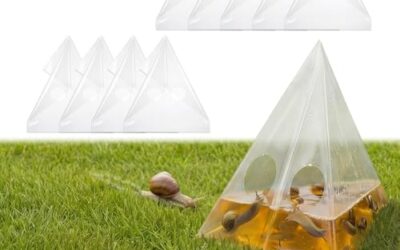
Each trap has two entry tunnels, one on each side. Product information says to add sugar water or honey as bait, and also describes attraction by ultraviolet rays at night. The listing does not provide measured capture results or coverage.
The listed materials are PP and stainless steel, described as not easy to rust. The listed dimensions are 1 x 1 x 1 inches and weight is 0.5 lb, but it is unclear whether these figures apply to each trap or the set. Check the dimensions before purchase if size matters.
Hanging placement may work for outdoor spots where wasps are active, including patios and orchard areas. The listing does not specify mounting hardware, assembly steps, or a recommended spacing between traps.
Use bait as directed and check traps regularly. Because bait may attract non-target insects, place traps away from flowering plants and areas where pollinators gather. Who should skip it: gardeners who need selective capture, confirmed dimensions, or documented coverage and capacity.
Best For / Avoid If
Best for buyers prioritizing
- Simple baiting method uses sugar water or honey.
- Double-entry design offers access from either side.
- Listed PP and stainless steel materials are intended to resist rust.
Consider another option if
- The listed dimensions are 1 x 1 x 1 inches, so confirm size suitability before buying.
- Bait-based traps may also attract non-target insects; place away from areas where pollinators gather. Who should skip it: gardeners seeking a selective trap or a trap with documented capacity and coverage.




Best Wasp Trap For Garden buying guide
1. Match trap claims to the insect problem
Product titles name wasps and, in several cases, yellow jackets or hornets. Some also mention bees or carpenter bees. Those labels describe advertised targets, not verified capture results, and they do not establish that a trap selectively catches one insect type.
Observe insect activity from a safe distance before buying. If you cannot identify the insect or suspect a nest near a doorway or busy area, avoid disturbing it and consult an appropriate local professional. Traps are not a substitute for nest management.
2. Choose a format you can maintain
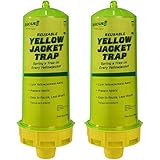
The listings include reusable hanging traps, solar-labeled hanging traps, and disposable bags. Reusable formats may suit gardeners willing to inspect and clean a trap, but only the JNKNT product title explicitly describes its traps as reusable and easy to clean. Confirm cleaning and refill instructions on the product listing or packaging before purchase.
Disposable bags may reduce the need to clean a used trap, but create a replacement and disposal task. The published data does not specify capacity, disposal instructions, or included bait for these bags. Check those details rather than assuming they are ready to use.
3. Treat pack count as quantity, not coverage
Listings include two-, three-, four-, six-, and eight-piece packs. More pieces may give you more placement options, but pack count alone does not show how much area a trap covers or how far apart traps should hang. No coverage guidance is supplied here.
For a compact patio, buying a large pack before confirming placement and upkeep needs can leave unused traps. For a larger yard, do not infer that a multi-pack will solve activity across the whole property. Follow the manufacturer’s placement directions.
4. Solar wording does not establish operation
Stingmon’s two-pack and ZwrKing’s hanging trap are described as solar in their product names. The ZwrKing title also mentions an LED light. Published information does not explain charging, operating conditions, light behavior, or runtime, so these listings cannot be compared on actual solar performance.
Choose a solar-labeled option only if that feature matters to your setup, and verify its instructions and power details before purchase. Do not assume solar operation means a trap needs no inspection or maintenance.
5. Place traps thoughtfully around people and pollinators
Hanging is the format identified across these listings, but published data does not specify a safe distance from seating, paths, doors, flowers, or food areas. Use each manufacturer’s placement instructions and avoid positioning a trap where people are likely to brush against it.
Because some titles explicitly mention bees, consider pollinator exposure before using those products near flowering plants. Inspect catches from a safe position and stop using a trap if it appears to be catching non-target insects. Keep traps away from children and pets, and follow product safety instructions and local rules.
6. Compare ownership cost, not just purchase format
Reusable traps can require cleaning; disposable bags require replacement and disposal. The listings do not state trap lifespan, bait cost, refill availability, or cleaning requirements, so long-term cost cannot be calculated from the supplied facts. Compare package contents and recurring supplies before deciding.
For accessible maintenance, consider whether you can reach the intended hanging point and safely inspect or remove the trap. A higher pack count is not automatically easier to manage. If reaching or handling a trap would be difficult, choose a placement you can maintain safely or ask for help.
7. Read the listing and instructions before setup
Most listed products have no description or key-feature data. Product titles alone do not confirm materials, bait, weather suitability, dimensions, mounting details, or cleaning method. Verify those points on the current listing and product instructions before buying.
Do not modify a trap or add an unlisted substance. Follow label directions, manufacturer safety instructions, and applicable local restrictions. If a listing gives no clear setup or disposal directions, that missing information is a reason to pause.
8. Avoid treating a trap as complete pest control
A hanging trap is one control option, not proof that a garden or nest is protected. Results depend on the insect, conditions, and correct use, none of which are established by the published product data. Do not expect a trap to remove an active nest or prevent every sting.
For other garden problems, choose measures matched to the pest and task. Our guide to placing a motion-activated sprinkler covers a different approach, while using row covers for pest control addresses physical protection for plants.
Research methodology and trust
We screened the published listings for outdoor wasp-trap relevance, then compared the product names, brands, pack counts, stated formats, listed target insects, prices, and review data. We excluded unsupported assumptions about trap design, ingredients, performance, coverage, durability, or ease of use.
Ranking considerations for this category include whether a listing clearly identifies a hanging, solar-labeled, reusable, or disposable format; whether its stated targets match the reader’s concern; and whether available information is sufficient to judge setup and upkeep. A missing description or key features counts as an evidence limitation, not proof of poor quality.
This is research-based product analysis, not physical evaluation. The listed products show zero reviews, so there is no owner feedback to analyze. Product information and prices can change; the guide is reviewed during October 2026 and should be checked against current listing details and manufacturer instructions before purchase.
Frequently asked questions
What should I look for in the best wasp trap for garden?
Start with the insect named in the listing, then compare hanging format, pack count, and whether the trap is described as reusable or disposable. Check setup, bait, and maintenance instructions because those details are absent from much of the published product data.
How many wasp traps does a garden need?
The available information provides no coverage area or spacing guidance, so it cannot establish a suitable number. Follow manufacturer placement directions and avoid treating pack size as a measure of coverage.
Are solar wasp traps a better choice?
Two listings use solar wording, and one also mentions an LED light. The published data does not document charging, runtime, or operating conditions, so verify those specifications before choosing based on solar operation.
Can a wasp trap catch bees?
Some product titles explicitly name bees or carpenter bees as targets. The data does not establish selective capture, so consider pollinator exposure, monitor catches safely, and stop using a trap if it is catching non-target insects.
How should I clean or dispose of a garden wasp trap?
Use the manufacturer’s directions for cleaning reusable traps and disposing of disposable bags. The published listings do not provide enough detail to recommend a specific procedure. Avoid handling an active trap without following its instructions.
How long does an outdoor wasp trap last?
No lifespan or replacement interval is provided for these products. Check the package instructions and inspect traps as directed; do not assume reusable wording means indefinite service life.
Where should I hang a wasp trap in a small garden?
Use the manufacturer’s placement guidance and choose a spot where people will not brush against the trap. The published product data does not specify distances from seating, paths, flowers, or doors, so do not infer a universal spacing rule.
Continue your garden research
Browse more practical guides in Garden Pest & Wildlife.
For product comparisons, see Best Deer Repellent For Vegetable Gardens: Reviews and Buying Guide.
See how Dove Creek Gardens researches and compares products.