


Garden with less bending
Compare stable elevated beds, comfortable working height, and accessible corners.
Read Best Elevated Raised Garden Bed For Seniors 2026: Reviews and Buying GuideWe independently review gardening tools, lawn care equipment, and outdoor living products. When you buy through links on our site, we may earn a commission at no extra cost to you. Learn more ›
Grow more in the space you have
Raised beds and planters can improve access, drainage, soil control, and growing capacity in small yards, patios, and balconies. The best system depends on available sunlight, root depth, crop type, watering habits, and whether the container must move. This hub compares elevated beds, metal and fabric beds, grow bags, vertical planters, trellised containers, and self-watering designs for vegetables, herbs, berries, and flowers.
Start with your project
Compare stable elevated beds, comfortable working height, and accessible corners.
Read Best Elevated Raised Garden Bed For Seniors 2026: Reviews and Buying GuideBalance footprint, drainage, soil capacity, and protection for the surface below.
Read Choosing a Raised Garden Bed for Patio: A Practical GuideUse stackable or vertical systems where floor space is limited but sunlight is available.
Read Best Vertical Planters for Small Spaces: The Short ListCompare grow-bag volume, handles, drainage, and fabric durability.
Read Best Grow Bags for Potatoes 2026: Reviews and Buying GuidePractical buying guide
Size the growing area for the crop, not just the empty space. Leafy greens and herbs can use shallower containers, while tomatoes and root vegetables need more soil volume and depth. Leave enough room to reach the center without stepping into the soil or leaning beyond a comfortable distance.
Material changes temperature, durability, and maintenance. Galvanized metal resists rot but can warm quickly in full sun. Wood offers a natural appearance but needs suitable construction and may eventually weather. Fabric grow bags provide air pruning and easy storage, though they can dry faster than rigid containers.
Drainage and watering must work together. Confirm that excess water can escape and that runoff will not damage a deck or balcony. Self-watering reservoirs reduce daily attention, but they still require overflow control, occasional cleaning, and a way to monitor water during rainy periods.
For older gardeners or limited mobility, prioritize working height, stable legs, rounded edges, reachable corners, and wheels that lock securely. A taller bed reduces bending but holds less soil than a ground-level bed of the same footprint, so compare usable root volume.
Our recommendations compare practical fit, specifications, included components, maintenance needs, and recurring owner-feedback patterns. Product availability and specifications can change, so confirm current details, warranty terms, and final price with the retailer before purchasing.
Recently published
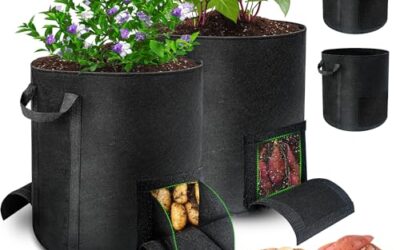
Compare 10 potato grow bags for container size, drainage, harvest access, handles, storage, and small-space suitability. This guide helps patio and home gardeners choose between simple fabric pots and windowed potato bags.
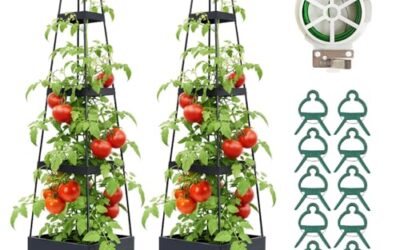
Find the Best Tomato Planter With Trellis with our comprehensive buying guide.
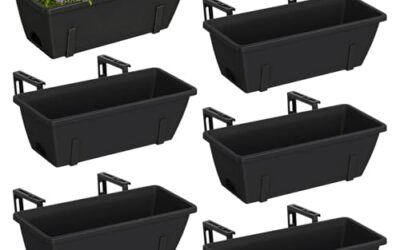
Find the Best Railing Planter For Vegetables with our comprehensive buying guide.
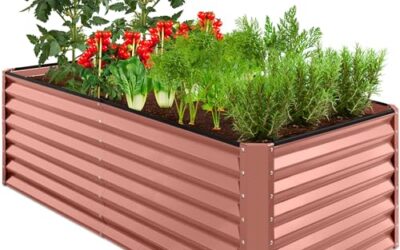
We compare the supplied raised beds for root vegetables by depth, soil capacity, drainage, materials, assembly, stability, accessibility, and garden-space fit.
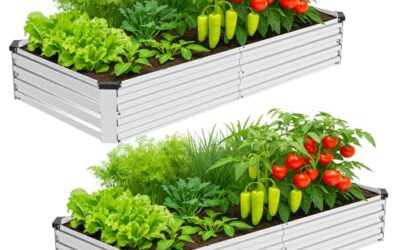
We compare 10 raised beds that suit herb gardening, from compact self-watering planters to mobile elevated beds and large open-bottom metal kits. This guide helps beginners, older gardeners, and small-space growers choose the right size, height, drainage system, and material.
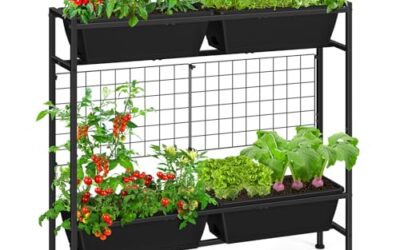
We compare 10 clearly relevant vertical herb garden planters from a supplied set of 20 listings, focusing on drainage, access height, stability, mobility, growing space, and small-yard fit.
Compare raised garden beds suited to patios, balconies, and small yards, with practical advice on dimensions, growing space, drainage, materials, mobility, and comfortable access.
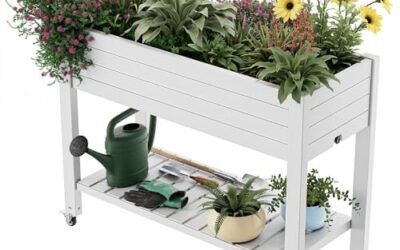
We compare 9 elevated garden beds with wheels priced from 44.99–129.99, focusing on access height, mobility, drainage, capacity, storage, and patio-friendly sizing.
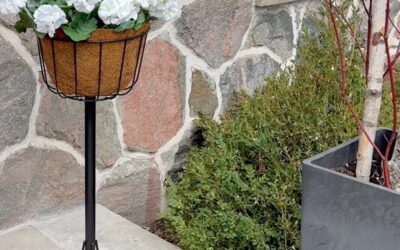
A practical comparison of vertical planters for balconies, patios, small yards, and accessible container gardening, with attention to drainage, stability, watering, and ease of setup.
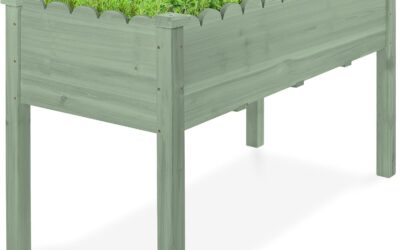
A practical comparison of elevated raised garden beds for older gardeners who want less bending, easier watering, and a better fit for patios, decks, balconies, or small yards.
Common questions
Use these answers as a starting point, then check the detailed guide for the product type and your own garden conditions.
Depth depends on the crop and the soil below. Shallow-rooted greens need less depth, while tomatoes and root crops benefit from substantially more usable soil. Always check crop-specific root requirements.
Not always. A liner can help retain soil or protect some materials, but it must not block drainage. Food-growing beds should use materials suitable for that purpose.
No. They reduce watering frequency but reservoirs, fill tubes, drainage openings, and wicking areas still need inspection and periodic cleaning.
We organize product information around the job a homeowner needs to complete. Our guides examine relevant specifications, practical constraints, included accessories, maintenance, storage, and repeated owner-feedback themes. We explain tradeoffs and identify who a product may or may not suit. We may earn a commission from qualifying purchases, but retailers do not approve our editorial conclusions.
Read our review methodology