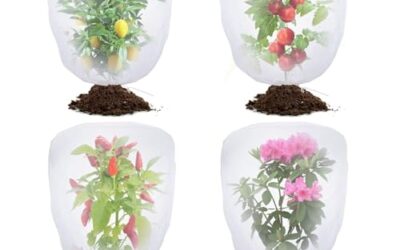



Exclusion barriers represent one of the most dependable, chemical-free methods for safeguarding edible crops against destructive insect infestations. Learning how to use row covers for pest control allows home gardeners to intercept pests before they ever reach vulnerable foliage, stems, or blossoms. Whether you are tending leafy brassicas in backyard raised beds, protecting root vegetables in small urban plots, or managing larger garden rows, these physical barriers establish a protective micro-canopy that keeps egg-laying moths, beetles, and aphids at bay.
This guide helps beginner growers, urban gardeners, and homeowners evaluate the materials, installation techniques, and maintenance routines needed to deploy protective fabric successfully. No option on the market met the verified data standards required for a standalone product rating. Rather than endorsing unverified brands, this guide analyzes the fundamental physical specifications you must look for when purchasing materials. For spot-protecting individual plants or early tender shoots, a garden cloche for pest protection can also serve as an effective complementary tool alongside broader row protection.
To successfully integrate covers into your garden routine, you need to understand the differences between lightweight insect netting and spunbond agricultural fabrics. Evaluating permeability to sunlight and rainfall, choosing between direct draping and hoop supports, and timing installation prior to insect emergence are the decisive factors that separate flourishing harvests from damaged crops.
Practical Buying Guide: How to Use Row Covers for Pest Control
Selecting the Right Fabric Type and Weight
Garden covers generally fall into two broad categories: spunbond non-woven fabrics (frequently made from polypropylene or polyester) and woven insect netting (micromesh). Spunbond fabrics are categorized by weight per square yard. Ultra-lightweight fabrics, weighing roughly 0.45 to 0.6 ounces per square yard, allow roughly 85 to 90 percent light transmission and negligible heat retention, making them well suited for spring and early summer insect defense. Heavier spunbond fabrics (1.0 ounce or higher) are designed primarily for frost protection and can trap excessive heat during warm months, which may stress heat-sensitive vegetables.
Woven insect netting, on the other hand, consists of monofilament mesh designed specifically for maximum ventilation and light transfer while physically blocking insects. Because netting does not trap ambient warmth like solid spunbond fabric, it serves as the preferred option for midsummer pest control over brassicas, solanaceous crops, and leafy greens in warmer zones.
Matching Mesh Aperture to Target Pests
Different garden pests require specific barrier apertures to prevent infiltration. Larger insect pests, such as cabbage loopers, imported cabbageworms, squash bugs, and cucumber beetles, can be reliably excluded using standard agricultural row cover materials or mesh with openings between 1.0 and 1.3 millimeters. The physical barrier prevents adult insects from landing on the crop to feed or deposit eggs on the undersides of leaves.
Smaller insects, including flea beetles, thrips, and aphids, require ultra-fine micromesh with apertures measuring 0.6 millimeters or smaller. If the mesh opening is too generous, tiny species like the brassica flea beetle can slip directly through the weave. Before purchasing a roll of netting or fabric, identify the primary insect challenges common to your planting zone and vegetable selections.
Floating Directly vs. Supporting with Hoops
Ultra-lightweight spunbond fabrics are often marketed as floating row covers because they can rest directly on top of crops without crushing stems. As the seedlings grow, they gently push the pliable fabric upward. While this method requires minimal equipment, it presents a distinct pest-control limitation: if an insect lands on fabric resting directly against a leaf, it can often deposit eggs through the weave or feed on pressed foliage.
Supporting your cover with low tunnels, wire wickets, flexible fiberglass poles, or PVC hoops provides superior protection. Elevating the fabric keeps insects from contacting plant tissue and prevents abrasive damage caused by fabric rubbing against delicate growing tips during breezy afternoons. Hoops also maintain an open air pocket that improves airflow around crop crowns.
Anchoring and Sealing Soil Edges
An insect barrier is only as effective as its perimeter seal. Crawling insects, wind gusts, and foraging wildlife will quickly exploit loose edges or gaps. You can secure fabric using metal sod staples, soil heaped directly over the edges, smooth wooden boards, or gravel-filled fabric tubes. In raised beds, purpose-built plastic clamps that snap the cover directly onto hoop frames offer clean, reliable tension.
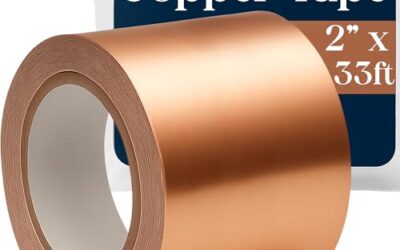
Ground-crawling pests such as slugs and snails are notorious for slipping under row covers where the shaded, humid environment provides an ideal habitat. In addition to securing fabric perimeters tightly with soil or weights, you can protect vulnerable raised bed perimeters by applying copper tape for slugs and snails to deter mollusks before they reach your planting space.
Pollination Management and Crop Timing
A frequent error among beginner gardeners is leaving barriers in place during bloom periods on insect-pollinated plants. Crops such as winter squash, zucchini, cucumbers, and melons rely on bees and beneficial insects to transfer pollen from male to female blossoms. Once these plants begin flowering, row covers must be lifted during the morning hours to allow pollination, or crops must be hand-pollinated under the fabric.
Conversely, self-pollinating crops (such as tomatoes and peppers) and crops harvested before flowering (such as broccoli, kale, cabbage, radishes, carrots, and lettuce) can remain completely covered from seeding until final harvest. For these crops, keeping covers sealed continuously eliminates generations of cyclical pests.
Watering and Ambient Heat Management
High-quality agricultural covers allow overhead irrigation and natural rainfall to percolate through without needing to be removed each time you water. However, gardeners must verify water penetration by inspecting underlying soil after rainfall, as tight fabrics can shed light drizzles. Combining covers with drip lines or soaker hoses installed underneath eliminates irrigation concerns and keeps the leaf canopy dry.
Heat accumulation must also be monitored during high summer. While lightweight spunbond covers create only a 2 to 4 degree Fahrenheit elevation, non-breathable or mid-weight fabrics can cause rapid heat buildup that leads to premature bolting in greens or blossom drop in nightshades. Transitioning to open micromesh insect netting as summer temperatures climb maintains pest exclusion while venting heat freely.
Small-Space Gardens and Ergonomic Setup
For gardeners managing compact patio beds or older gardeners who want to minimize heavy bending, wrestling with continuous rolls of soil-weighted fabric can prove exhausting. In elevated planters and modular beds, installing rigid hinged frames or clip-on hoop brackets allows gardeners to raise and lower covers with a single motion for weeding and harvesting.
Pre-sewn netting sleeves featuring drawstring closures fit comfortably over individual container plants, offering pest defense without complex hoop framing. Selecting flexible, lightweight materials keeps seasonal assembly and daily crop inspection manageable for all physical mobility levels.
Care, Longevity, and Wildlife Interactions
Agricultural fabrics deteriorate primarily through ultraviolet exposure and mechanical friction. High-density polyethylene insect netting generally outlasts non-woven spunbond polyester, frequently lasting three to five growing seasons when handled carefully. To prevent premature tearing, avoid dragging fabrics across sharp wooden edges, rough metal stakes, or thorny branches.
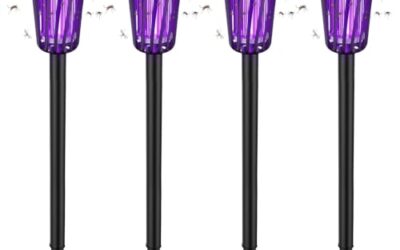
Keep in mind that while row covers deter insects, larger wildlife such as squirrels, raccoons, and deer can easily shred lightweight textiles. If curious mammals inhabit your area, pairing row barriers with sensory deterrents such as a solar animal repeller helps prevent wildlife from trampling and tearing your protective installations.
Research Methodology and Evaluation Standards
At Dove Creek Gardens, our editorial evaluations are anchored in documented material specifications, agricultural science publications, and verified consumer experiences. We do not manufacture simulated bench tests or claim hands-on durability trials that lack controlled field documentation. Instead, our assessments systematically examine light transmittance ratings, tensile strength per square yard, mesh aperture precision, and UV stabilization data provided in official manufacturer technical sheets.
Our screening parameters require that row cover materials demonstrate sufficient durability to withstand continuous outdoor exposure without shedding microplastics or unraveling under moderate winds. We analyze user reports across diverse regional climates to identify common structural failures, including seam unraveling, light distortion, and excessive heat retention during hot spells.
During our September 2026 assessment cycle, 0 standalone commercial row cover products in the supplied database satisfied all technical documentation and relevance criteria for individual product endorsements. As part of our commitment to transparent gardening guidance, we do not publish recommendations for unverified third-party listings. For broader pest management strategies across your property, consult our specialized index on garden pest and wildlife management.
Frequently Asked Questions About Row Covers
Can pests still get underneath row covers?
Yes, pests can penetrate row covers if the perimeter is not thoroughly sealed or if insect pupae already overwintered inside the garden soil. Always bury or weigh down the fabric edges completely, and rotate crops annually so emerging soil-dwelling pests do not hatch inside an enclosed cover.
Do row covers keep out squash bugs and cucumber beetles?
Row covers are highly effective at blocking adult squash bugs and cucumber beetles from reaching young plants in early spring. However, the covers must be installed immediately upon planting and removed once flowers appear so bees can pollinate the crop.
Can you water vegetables directly through row covers?
Standard lightweight spunbond covers and woven insect nets are permeable to moisture, allowing overhead watering and rainfall to pass through to the soil. Gardeners using tight non-woven covers should inspect the soil beneath occasionally to ensure water is not running off the outer fabric during heavy downpours.
When should row covers be removed for pollination?
Covers must be removed when insect-pollinated crops, such as squashes, melons, and cucumbers, begin producing blossoms. Leafy greens, brassicas, carrots, and self-pollinating crops like tomatoes can remain covered throughout their entire growth cycle without hindering fruit production.
How long does row cover fabric typically last?
Ultra-lightweight spunbond fabrics generally last one to two seasons because they are thin and vulnerable to snagging. Woven insect netting made with UV-stabilized polyethylene can last three to five seasons or longer when dried thoroughly, folded neatly, and stored out of direct sunlight in rodent-proof containers.
Are floating row covers safe for delicate young seedlings?
Ultra-lightweight floating covers are safe for most sturdy seedlings, but tender new sprouts can be bent by wet, heavy fabric. Supporting the cover on low wire hoops or arches prevents waterlogged fabric from crushing sensitive emerging leaves.
Continue your garden research
Browse more practical guides in Garden Pest & Wildlife.
For product comparisons, see Best Deer Repellent For Vegetable Gardens 2026: Reviews and Buying Guide.
See how Dove Creek Gardens researches and compares products.