


Keep deer from vegetables
Compare height, mesh strength, gates, visibility, and complete perimeter cost.
Read Choosing a Deer Fence for Vegetable Garden: A Practical GuideWe independently review gardening tools, lawn care equipment, and outdoor living products. When you buy through links on our site, we may earn a commission at no extra cost to you. Learn more ›
Protect plants with targeted barriers and deterrents
Effective garden protection begins with identifying the animal or pest and the damage pattern before choosing a product. This hub covers fencing, bird netting, cloches, slug barriers, motion sprinklers, traps, deer deterrents, mosquito traps, and wildlife-supporting features. Our reviews emphasize physical fit, coverage, installation, humane use, maintenance, non-target risks, and whether the solution addresses the actual route into the garden.
Start with your project
Compare height, mesh strength, gates, visibility, and complete perimeter cost.
Read Choosing a Deer Fence for Vegetable Garden: A Practical GuideChoose visible netting with suitable openings and a frame that prevents plant contact.
Read Choosing a Bird Netting for Raised Bed: A Practical GuideUse copper barriers where surfaces can remain clean, continuous, and correctly installed.
Read Best Copper Tape for Slugs and SnailsEvaluate detection range, water coverage, adjustment, and likely habituation.
Read Best Motion Activated Sprinkler for Cats for Real-World UsePractical buying guide
Start with evidence. Tracks, bite height, holes, droppings, timing, and the plants affected help distinguish deer, rabbits, birds, voles, slugs, and insects. A device aimed at the wrong animal wastes money and can disturb beneficial wildlife.
Physical exclusion is often the most predictable approach. Fence height, mesh opening, buried edges, secured overlaps, and protected entry points determine whether a barrier works. Netting should remain visible, tensioned, and regularly inspected to reduce entanglement risk.
Deterrents need realistic expectations. Scent, sound, visual decoys, ultrasonic devices, and motion sprinklers may work differently as animals become accustomed to them. Placement, rotation, power, water supply, weather, and neighboring food sources all influence results.
Use traps and controls responsibly. Follow local regulations and product directions, protect children and pets, avoid harming non-target species, and combine immediate control with habitat changes such as removing shelter, fallen fruit, standing water, or unprotected access routes.
Our recommendations compare practical fit, specifications, included components, maintenance needs, and recurring owner-feedback patterns. Product availability and specifications can change, so confirm current details, warranty terms, and final price with the retailer before purchasing.
Recently published
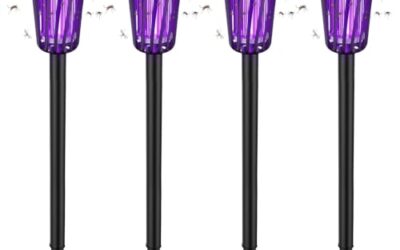
Compare 9 mosquito traps for patios and gardens from GOOTOP, DynaTrap, zechuan and more. This guide covers placement, power options, coverage, upkeep, and safety.
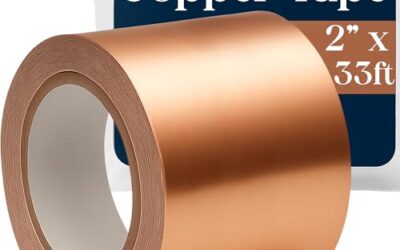
We compare copper slug and snail barrier tapes from Kraftex, Drip Depot, GONZO, BLANK MYTH, MOGEHIT, and Mysora. This guide explains width, length, adhesion, placement, and safe garden use for pots, planters, raised beds, and greenhouse benches.

We compare 10 clearly described garden cloches, mesh covers, fleece tunnels, and wire plant protectors for blocking birds, insects, rabbits, squirrels, and weather-related damage. Options range from $9.96 to $99.99 for containers, small beds, seedlings, and young plants.
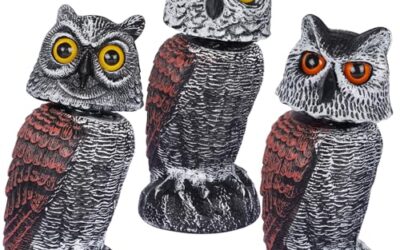
Compare 9 owl decoys from Hausse, Hedoc, Ruolan, GiftExpress, Dalen, and Ugold. This guide covers placement, motion, solar features, stability, and realistic expectations for home gardens.
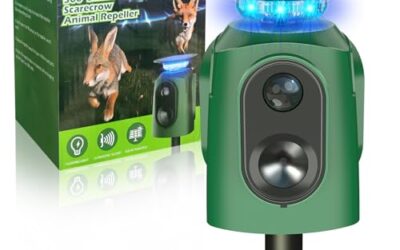
Compare 10 solar ultrasonic animal repellers for gardens, including single units and multipacks with motion sensors, flashing lights, adjustable modes, and backup charging.
Compare solar-powered ultrasonic animal repellers for gardens, including motion coverage, frequency settings, charging options, weather resistance, and placement guidance for common yard pests.
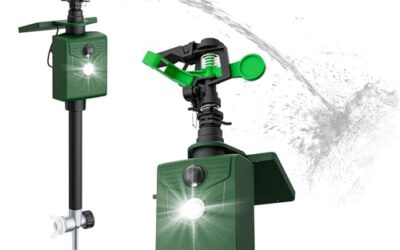
Compare 8 motion-activated sprinklers for keeping cats and other animals away from gardens, lawns, and flower beds. This guide covers detection, spray control, power, setup, and maintenance.
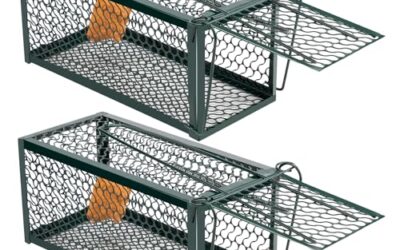
We compare live-catch vole traps for garden use, focusing on humane capture, trap size, placement, reuse, and practical handling for home gardeners.
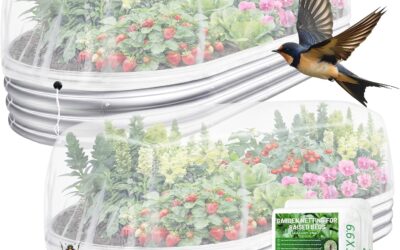
Find the Best Bird Netting For Raised Beds with our comprehensive buying guide.
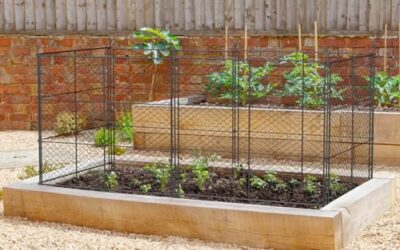
This research-based guide compares deer netting, metal garden fencing, and plant protectors for vegetable gardens, with practical options for large beds, raised beds, and small spaces.
Common questions
Use these answers as a starting point, then check the detailed guide for the product type and your own garden conditions.
A correctly installed physical barrier is generally more predictable than a single scent or visual deterrent. Required height and design depend on site pressure, terrain, and local conditions.
It requires careful installation and frequent inspection. Keep it taut and visible, secure loose edges, choose appropriate mesh, and remove or repair damaged sections promptly.
Results vary by species, placement, environment, and habituation. They should not be treated as a guaranteed standalone solution, especially where animals have strong food incentives.
We organize product information around the job a homeowner needs to complete. Our guides examine relevant specifications, practical constraints, included accessories, maintenance, storage, and repeated owner-feedback themes. We explain tradeoffs and identify who a product may or may not suit. We may earn a commission from qualifying purchases, but retailers do not approve our editorial conclusions.
Read our review methodology