


Compost in a small yard
Compare footprint, ventilation, access doors, pest resistance, and usable capacity.
Read Best Compost Bin For Small Backyard 2026: Reviews and Buying GuideWe independently review gardening tools, lawn care equipment, and outdoor living products. When you buy through links on our site, we may earn a commission at no extra cost to you. Learn more ›
Build healthier soil and handle garden waste
Healthy backyard growing starts with understanding moisture, structure, organic matter, and the materials entering the soil. This hub compares compost bins, tumblers, countertop collectors, shredders, sifters, thermometers, soil meters, mulch options, and compact composting systems. We focus on realistic capacity, odor control, aeration, drainage, pest resistance, effort, and suitability for the waste your household actually produces.
Start with your project
Compare footprint, ventilation, access doors, pest resistance, and usable capacity.
Read Best Compost Bin For Small Backyard 2026: Reviews and Buying GuidePractical buying guide
Choose a composting method around volume and effort. Open piles handle larger garden waste but need space. Enclosed bins improve containment. Tumblers make turning easier but have limited capacity. Indoor collectors hold scraps temporarily and still need frequent emptying or processing.
Compost performance depends on material balance, particle size, oxygen, and moisture. A product cannot correct an unsuitable mix by itself. Shredding bulky browns, mixing wet greens, and preventing waterlogging are often more important than adding another accessory.
Treat inexpensive soil meters as decision aids rather than laboratory instruments. Probe placement, salts, soil contact, and calibration affect readings. Compare measurements with plant symptoms and physical soil checks before changing watering or amendment routines.
Select mulch for the crop and purpose. Organic mulches can suppress weeds, moderate temperature, and contribute material as they break down. Depth, moisture conditions, stem clearance, local pests, and source quality all influence the result.
Our recommendations compare practical fit, specifications, included components, maintenance needs, and recurring owner-feedback patterns. Product availability and specifications can change, so confirm current details, warranty terms, and final price with the retailer before purchasing.
Recently published
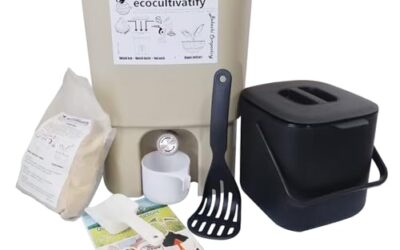
We compare qualifying bokashi bins and starter kits for kitchen composting, including two-bin systems, compact options, included bran, odor control, cleaning, and garden use.
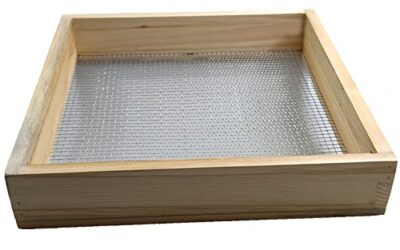
Find the Best Compost Sifter For Large Batches with our comprehensive buying guide.
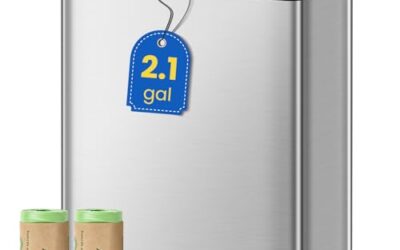
Find the Best Indoor Compost Bin For Odor Control with our comprehensive buying guide.
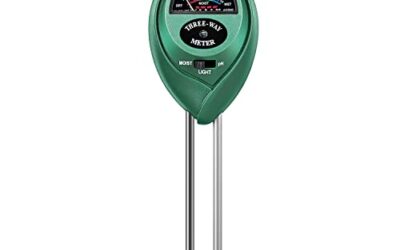
We compare 10 soil moisture meters for potted plants, including simple dial meters, multi-function testers, a two-pack, and leave-in sensors. Find practical options for beginners, small spaces, and gardeners who value easy reading.
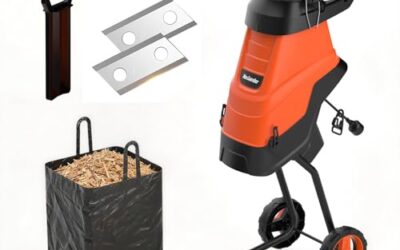
We compare four garden-waste shredders that can reduce leaves, twigs, and branches for composting or mulching, with practical advice for choosing the right power, capacity, and handling features.
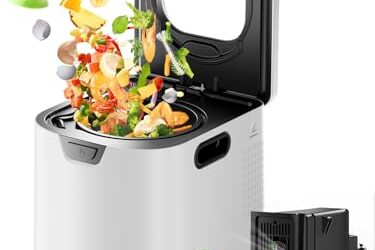
Compare countertop electric composters for kitchen food scraps, including compact, quiet, high-capacity, and easy-clean options for home gardeners.
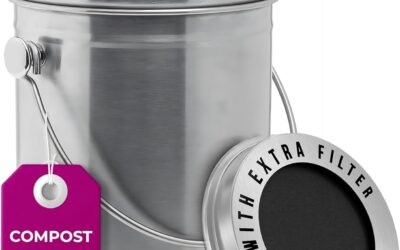
A practical comparison of compact backyard composting options, including tumblers, expandable outdoor bins, and kitchen scrap caddies that support a small-yard compost routine.
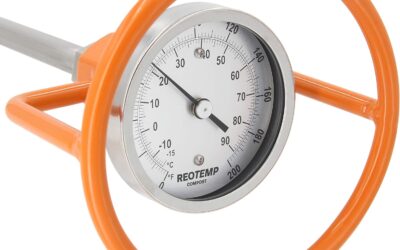
A practical comparison of long-probe compost thermometers for backyard piles, bins, and garden composting setups, with guidance for beginners and homeowners.
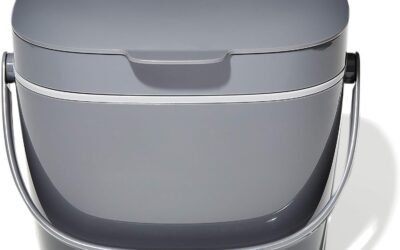
A practical comparison of beginner-friendly outdoor compost tumblers for kitchen scraps, yard waste, and small home gardens.
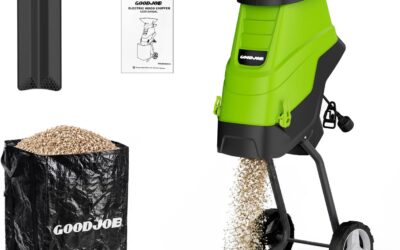
A practical comparison of electric leaf mulchers for turning fall leaves and yard debris into compost-ready material, with notes for beginners, small yards, and easier cleanup.
Common questions
Use these answers as a starting point, then check the detailed guide for the product type and your own garden conditions.
Not necessarily. Temperature, moisture, airflow, and material balance matter together. A location with convenient access and manageable moisture is usually more important than maximum sun.
Strong odors commonly indicate excessive moisture, too many nitrogen-rich materials, compaction, or poor airflow. Mix in suitable dry browns and restore aeration before adding more wet scraps.
The useful depth depends on the material and site. Too little may not suppress weeds, while excessive mulch can hold unwanted moisture against stems. Keep mulch away from trunks and plant crowns.
We organize product information around the job a homeowner needs to complete. Our guides examine relevant specifications, practical constraints, included accessories, maintenance, storage, and repeated owner-feedback themes. We explain tradeoffs and identify who a product may or may not suit. We may earn a commission from qualifying purchases, but retailers do not approve our editorial conclusions.
Read our review methodology