

Cultivating a flourishing vegetable patch or ornamental flowerbed often brings an unwelcome influx of insects, rodents, and foraging wildlife. For homeowners seeking sustainable, non-toxic approaches, discovering how to protect a garden without pesticides is essential for safeguarding pollinators, domestic pets, and edible harvests. Chemical treatments can disrupt natural predatory balances and present runoff concerns, which makes mechanical exclusion, thoughtful garden layout, and physical deterrents the preferred baseline for home growers.
This guide serves beginner gardeners, busy homeowners, older gardeners seeking low-maintenance solutions, and patio growers working within compact raised beds. In our evaluation across 0 commercial product entries for this category, we focused on practical durability, ease of setup, humane wildlife management, and targeted protection. Rather than relying on synthetic sprays, effective garden defense centers on preventative structures that keep pests off foliage while allowing sunlight, ventilation, and rain to sustain plant health.
Selecting the right defensive setup requires balancing the specific pest pressure in your area against routine accessibility. Whether you are managing neighborhood deer, burrowing rodents, or sap-feeding beetles, exploring our broader garden pest and wildlife strategies ensures your garden remains resilient across every growing season.
Practical Guide: How to Protect a Garden Without Pesticides
Physical Barriers and Exclusion Netting
Physical exclusion remains the most reliable, pesticide-free method for stopping garden pests before damage occurs. Lightweight insect mesh and floating row covers drape directly over crops or attach to support hoops, creating an impassable shield against flea beetles, cabbage moths, and aphids. When choosing netting, look at the mesh aperture size. Ultra-fine weaves prevent microscopic thrips from reaching tender brassicas, while wider bird netting protects ripening berry bushes without trapping beneficial honeybees.
Proper installation requires securing netting edges completely flush to the soil surface using garden staples or soil berms. Pests easily find loose corners or lifting edges. For taller crops such as tomatoes, hoop tunnels or modular frames keep fabric from rubbing against delicate leader stems during high winds.
Protective Enclosures for Seedlings and Raised Beds
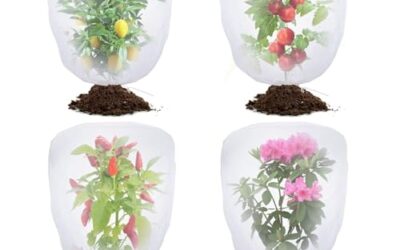
Emerging seedlings and newly transplanted starts are vulnerable to early-season foraging from rabbits, birds, and cutworms. Employing durable garden cloches for pest protection shields individual plants during their most fragile developmental window without requiring widespread garden netting.
For raised beds, framed wire mesh covers fitted with hinges provide accessible defense against digging squirrels and neighborhood cats. Selecting galvanized wire hardware cloth with quarter-inch spacing protects against burrowing voles when installed beneath the bed base, creating a subterranean shield that keeps root systems intact.
Mechanical Traps and Perimeter Deterrents
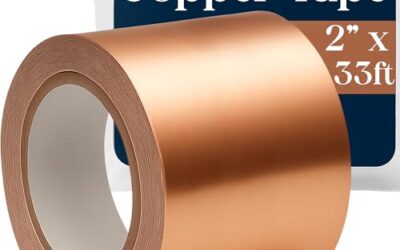
Ground-dwelling pests like slugs and snails cause severe defoliation during damp mornings and overnight hours. Installing physical deterrents like copper tape for slugs and snails along the perimeter of raised planter rims or container edges delivers a mild static barrier that dissuades gastropods without introducing chemical bait pellets into garden soil.
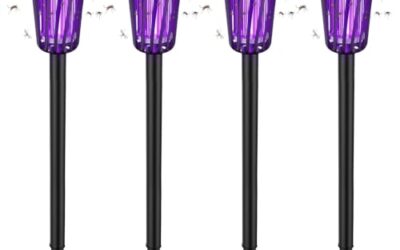
Beer traps, yeast traps, and damp board shelters placed between garden rows also allow gardeners to gather and remove slugs manually each morning. For outdoor living zones bordering your vegetable plot, targeted capture systems like a mosquito trap for patio and garden reduce nuisance flying insects without blanketing flowering plants in non-selective aerosol mists.
Cultural Controls and Companion Planting
Cultural practices establish the first line of defense against disease and insect outbreaks. Practicing strict crop rotation deprives soil-dwelling larvae of their preferred host plants from season to season. Spacing plants appropriately ensures ample air circulation through the canopy, preventing fungal leaf spot and damp microclimates that attract chewing insects.
Interplanting aromatic herbs such as basil, rosemary, and mint alongside solanaceous vegetables confuses scent-driven pests. Similarly, growing trap crops such as nasturtiums lures aphids away from prized heirloom tomatoes, allowing natural predators like ladybugs and lacewings to build healthy populations within your yard.
Managing Wildlife and Larger Garden Intruders
Larger animals require distinct non-chemical deterrent strategies. Deer, groundhogs, and raccoons can destroy months of garden growth in a single evening. Installing motion-activated sprinklers or ultrasonic solar animal repellers creates an unpredictable environment that startles foraging mammals without causing injury.
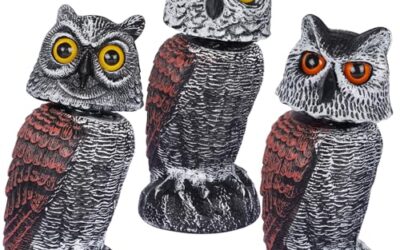
For persistent bird problems around fruit trees, visual scares such as an owl decoy for garden pests can reduce pecked produce. To maintain their effectiveness, relocate visual decoys every few days so resident birds do not become accustomed to stationary figures.
Accessibility and Small-Space Pest Defense
Garden protection should not interfere with daily gardening tasks or comfort. For older gardeners or individuals with limited mobility, heavy wire cages and complex ground-level netting can make harvesting painful. Elevated waist-height raised beds eliminate ground-level rabbit entry entirely and bring tending within comfortable reach.
In compact patio containers, lightweight pop-up mesh covers with zipper access allow easy watering and harvesting. These modular pop-up designs fold flat when not in use, making them practical for urban balconies and small residential sheds where bulky garden storage is limited.
Common Non-Chemical Pest Control Mistakes
One frequent mistake is installing exclusion netting after an infestation is already present. Trapping adult insects beneath protective mesh provides them with an environment free from natural predators, accelerating plant damage. Always inspect leaf undersides for egg clusters before securing covers.
Another error is failing to consider pollination timing. Squash, melons, and cucumbers require bee access to set fruit. Leaving non-woven row covers in place during flowering stops fruit development. Gardeners should either temporarily lift covers during morning pollination windows or hand-pollinate blooms to ensure robust crop yields.
| Non-Chemical Method | Target Garden Pests | Key Practical Advantage | Important Limitation |
|---|---|---|---|
| Insect Exclusion Netting | Moths, beetles, aphids, birds | Zero chemical residues; long season barrier | Must be removed during flowering for pollination |
| Garden Cloches | Cutworms, rabbits, harsh wind | Targeted seedling protection; simple storage | Limited to individual or compact young plants |
| Copper Tape | Slugs and snails | Passive 24-hour perimeter barrier | Requires clean, dry raised bed or pot surfaces |
| Solar Motion Repellers | Deer, rabbits, cats, raccoons | Humane animal deterrence over open lawn | Requires direct sunlight and regular positioning checks |
| Hardware Cloth Lining | Gophers, voles, burrowing rodents | Permanent underground root security | Labor-intensive installation beneath garden beds |
Research Methodology and Evaluation Criteria
Our review process at Dove Creek Gardens focuses on identifying reliable, chemical-free solutions suitable for residential yards and home gardens. During our September 2026 review cycle, we evaluated non-toxic protective strategies by analyzing material specifications, durability against ultraviolet degradation, weather resistance, and feedback from everyday growers.
We do not perform lab-based simulated tests. Instead, our research synthesizes documented manufacturer dimensions, structural materials, assembly demands, and verified owner feedback across varied climates. We prioritize items made from food-contact-safe components, high-density polyethylene netting, and rust-resistant galvanized steel hardware.
Each method is assessed across four primary criteria: exclusion efficacy against target pests, impact on plant ventilation and sunlight transmission, ease of seasonal storage, and accessibility for older or mobility-conscious gardeners. This balanced approach ensures recommendations deliver practical pest protection without compromising garden enjoyment.
Frequently Asked Questions
Can you truly protect a vegetable garden without any chemical sprays?
Yes. Combining fine-mesh physical barriers, healthy soil practices, companion planting, and mechanical deterrents successfully prevents the majority of common pest issues. Consistency and early installation before pest populations establish are the keys to long-term success.
What mesh size is best for garden insect netting?
A mesh size around 0.8 millimeters to 1.0 millimeter stops common garden pests like cabbage white butterflies, flea beetles, and carrot rust flies. This weave density still allows adequate air circulation, rain, and roughly 85 to 90 percent sunlight penetration.
How do I clean and store physical garden barriers for winter?
At the end of the growing season, brush dried dirt from fabrics and rinse them with clear water. Allow netting, row covers, and plastic cloches to dry thoroughly in the sun before folding them into sealed storage bins to prevent rodent chewing during winter storage.
Will non-chemical garden barriers stop burrowing pests like voles?
Above-ground netting will not stop underground rodents. To prevent vole and gopher damage, install half-inch or quarter-inch galvanized hardware cloth along the entire bottom of raised garden beds prior to adding soil.
How do companion plants help protect a garden naturally?
Companion plants function by either masking the scents of vulnerable host plants with strong essential oils or attracting beneficial predatory insects like hoverflies and parasitic wasps. Herbs like dill, marigolds, and sweet alyssum serve as natural partners in pest management.
When should exclusion covers be removed from flowering plants?
Exclusion netting must be removed or rolled back once insect-pollinated crops, such as squashes, pumpkins, and melons, begin developing open blossoms. Leafy greens like kale, lettuce, and cabbage can remain covered from seed germination straight through harvest.
Continue your garden research
Browse more practical guides in Garden Pest & Wildlife.
For product comparisons, see Best Deer Repellent For Vegetable Gardens 2026: Reviews and Buying Guide.
See how Dove Creek Gardens researches and compares products.