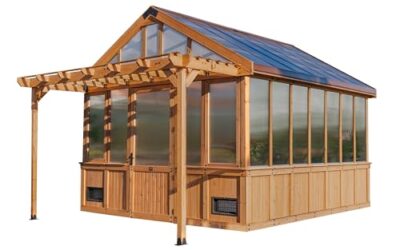



Clean a greenhouse by removing loose debris, washing accessible surfaces with materials suitable for the glazing and frame, and letting the structure dry before returning equipment. Plan around the plants inside and follow the greenhouse manufacturer’s care instructions.
Quick answer: Start with a soft brush, cloth, and water. Do not assume a household disinfectant, abrasive pad, or pressure washer is safe for polycarbonate, seals, coatings, or timber. Cleaning removes dirt; disinfection, where needed, is a separate label-directed task.
Prepare a safe working area
Move plants only when the outdoor conditions and handling are suitable for them. Otherwise work in sections and protect plants from dirty water and cleaning products. Disconnect electrical equipment safely before working near it, following its instructions.
Clear a stable path and work only where you can reach safely. Do not lean on glazing or stand on a greenhouse roof. Damaged panels, awkward roof access, or electrical faults require suitable professional help, not more force or a stronger cleaning chemical.
Use the material check before washing
Identify the panel and coating type from the greenhouse documentation. Avoid abrasive tools on scratch-sensitive surfaces and do not apply an unknown solvent or cleaner to a coated panel.
| Area | First approach | Avoid |
|---|---|---|
| Glazing | Soft cloth or brush with suitable water cleaning | Abrasives or pressure that damages panels and seals |
| Benches and removable trays | Remove debris; clean with compatible materials | Returning wet or dirty equipment immediately |
| Gutters and drains | Clear accessible debris and check the outlet | Unsafe roof access or forcing blocked fittings |
| Vent mechanisms | Follow the mechanism’s maintenance instructions | Wet electrical components or improvised adjustment |
Work from loose debris to washed surfaces
Remove spent plant material and sweep accessible floors and benches. Wash surfaces in manageable sections, keeping dirty water away from stored tools and electrical fittings. Use only the pressure and cleaning materials allowed for the structure.
Check corners, bench undersides, door tracks, and drain outlets. If algae remains, identify a compatible method rather than increasing abrasion until the panel scratches. Follow any cleaning product’s label, ventilation requirements, and restrictions around crops. Never mix cleaning chemicals.
Dry, inspect, and put equipment back
Let washed surfaces and equipment dry appropriately. Check for cracked panes, loose seals, door problems, and blocked drains. Repair defects before insulation or stored equipment hides them. Keep the ventilation system usable after cleaning.
Cleaning does not guarantee freedom from every pest or disease. Where an outbreak occurred, ask local Extension services or the crop supplier about the specific sanitation task. Do not apply a general bleach recipe to every material and crop.
Connect cleaning with winter preparation
After cleaning, use the greenhouse insulation checklist to check drafts and light loss without blocking required ventilation. Review the needs of the plants you intend to keep inside rather than assuming a greenhouse cannot freeze.
For supporting guidance, see RHS greenhouse cleaning advice. Browse greenhouse and storage guides for related equipment decisions.
Cleaning twin-wall polycarbonate channels
Twin-wall and multiwall polycarbonate panels have hollow channels that can collect condensation, algae and dirt. Once inside, it is hard to remove, so prevention matters most: check that the panel ends are sealed or taped as the panel maker specifies and that the bottom edge can drain.
If algae is already inside, follow the panel manufacturer’s cleaning guidance. Gentle approaches include flushing the channels with clean water or a mild cleaner they approve, using a soft flexible brush or pipe cleaner that does not scratch, and letting the panel dry completely before resealing the ends. Avoid solvents, strong alkaline cleaners and stiff brushes unless the manufacturer allows them, because they can damage the UV-protected surface.
A simple seasonal routine
- Between crops: remove debris, brush down benches and clear drains.
- Before winter: wash glazing to recover light, check seals and vents, then insulate.
- Early spring: remove insulation, wash again if light has dropped, and check for pests in corners and under benches.
- Summer: keep gutters and vents clear, and wipe off shading products when they are no longer needed.
Common questions
Must I buy a cleaning kit? Not necessarily. Choose tools appropriate for your panels and safe access; more chemicals are not automatically better.
Can I use a pressure washer? Only if the greenhouse manufacturer permits it under specified conditions. A manual washing method may be more suitable for delicate panels and seals.
When should I clean? Choose a suitable break between crops or a workable period for moving plants and drying the structure. Local weather and the crops inside matter more than a universal date.
Use a short handover checklist after cleaning
Check that accessible surfaces are dry, drainage paths are clear and moved equipment has been returned according to its instructions. Record damaged seals or panels for repair rather than concealing them with stronger cleaning products. Once cleaning is complete, review the greenhouse ventilation checks before returning to the normal growing routine.