


Learning how to use finished compost in a garden is one of the most rewarding milestones for any grower. Transforming kitchen scraps, autumn leaves, and yard clippings into dark, crumbly organic matter provides your garden beds with vital structure, microbial biodiversity, and moisture-holding capacity. However, knowing exactly when, where, and how much finished compost to spread often causes confusion for beginners and experienced gardeners alike. Applying immature material or overapplying compost can lock up nutrients or alter soil aeration unexpectedly.
This practical guide helps homeowners, vegetable growers, and container gardeners apply organic amendments with confidence. Finished compost is primarily an organic output or bulk commodity rather than a standalone branded device, so this guide treats it that way. Instead of promoting irrelevant gear, our evaluation focuses on the practical tools, screening criteria, and physical methods required to apply finished compost effectively. For wider context on soil amendments, explore our complete library in Compost, Soil & Mulch.
Key criteria for using finished compost include verifying complete decomposition, matching application depth to plant type, balancing moisture retention with drainage, and screening out unrefined debris. Whether you tend raised vegetable beds, perennial borders, or backyard turf, applying finished compost correctly ensures your plants receive steady long-term biological support without root scorch or soil compaction.
Practical Guide on How To Use Finished Compost In A Garden
Verifying Compost Readiness and Maturity
Before spreading material throughout your landscape, you must confirm that the decomposition cycle is genuinely finished. Finished compost should have a rich, earthy scent reminiscent of a forest floor after rain. If the pile smells foul, sour, or sharply like ammonia, anaerobic pockets remain, meaning the organic material requires further turning and curing. Spreading unfinished compost can draw active nitrogen away from plant roots as microbes continue breaking down raw carbon particles.
The texture of finished compost should be dark brown or black, soft, and crumbly, with original food scraps and green trimmings completely indistinguishable. It should also be cool to the touch. If the core of your compost pile is still generating noticeable heat, decomposition is active and the material is not yet stable enough for direct root-zone contact.
Sifting and Screening for Different Garden Tasks
Not every gardening task requires identical compost consistency. Coarse compost containing small wood fragments works wonderfully as a protective surface mulch around mature fruit trees and hardy shrubs. However, vegetable seedbeds and indoor potting blends demand fine, uniform particles that do not obstruct delicate emerging seedlings.
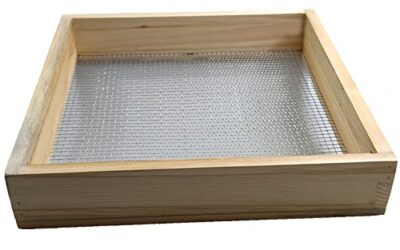
Using a mechanical or wire screen separates large, undecomposed twigs and stone debris from velvety humus. If you handle substantial volumes of garden material every season, utilizing the best compost sifter for large batches can significantly speed up processing and ensure your finished blend is gentle enough for seed starting and fine topdressing.
Topdressing Vegetable and Flower Beds
One of the most effective ways to use finished compost is surface topdressing. Rather than aggressively tilling compost into deep subsoil layers, which disrupts native fungal networks and brings dormant weed seeds to the surface, lay a one- to two-inch layer across your beds in early spring or autumn. Earthworms, soil arthropods, and rainfall naturally incorporate the soluble nutrients and humus downward into root zones.
For established perennial beds, gently rake the compost around the drip line of plants, taking care not to pile moist organic matter directly against woody stems or crowns. This protective layer reduces moisture evaporation during hot months, buffers soil temperature fluctuations, and feeds active microbes throughout the active growing period.
Blending Potting Media for Containers and Planters
Using straight compost inside patio containers or hanging planters is a frequent beginner mistake. Pure compost holds water densely in restricted volumes, which can suffocate plant roots due to insufficient pore space. Instead, mix finished compost with standard potting soil, perlite, and coarse sand to create a balanced growing medium.
A reliable ratio for containers is roughly twenty to twenty-five percent sifted compost by volume, blended with seventy-five percent commercial potting mix or coco coir and drainage material. Keep in mind that compost-amended potting soils maintain moisture differently, so tracking water levels with the best soil moisture meter for potted plants helps prevent saturated roots and root rot in patio containers.
Lawn Topdressing and Turf Renovation
Finished compost serves as an exceptional lawn rejuvenator when applied during active turf growth periods in autumn or mid-spring. Spreading a quarter-inch layer across aerated turf introduces beneficial biology into compacted subsoils and improves rainwater absorption without smothering grass blades.
After spreading the sifted compost across the lawn with a shovel or peat moss spreader, lightly brush the grass with the back of a garden rake or a push broom to settle the fine particles down to the soil line. Water the lawn thoroughly following application to integrate the biological benefits directly into the root thatch.
Seasonal Timing and Application Rates
Timing your compost applications ensures maximum nutrient uptake and minimal leaching. In temperate regions, applying finished compost in the autumn allows freeze-thaw cycles and soil organisms to condition heavy clay or coarse sand ahead of spring planting. Spring applications should happen two to three weeks before sowing seeds or transplanting tender starts.
| Garden Area | Recommended Depth | Best Application Timing | Primary Benefit |
|---|---|---|---|
| Raised Vegetable Beds | 1 to 2 inches | Early spring or autumn | Improves soil structure and feeds soil microbes |
| Perennial Borders | 1 inch | Mid-spring after soil warms | Buffers soil temperature and retains moisture |
| Established Lawns | 0.25 inch | Early autumn after core aeration | Reduces thatch hardness and improves water infiltration |
| Container Mixes | 20% total volume | At planting or repotting | Supplies sustained organic nutrients and aeration balance |
| New Shrub Planting Holes | Surface mulch only | Immediately after planting | Prevents planting-pocket sinking and protects root flares |
Common Compost Application Mistakes to Avoid
A frequent error is treating finished compost as a concentrated synthetic fertilizer. Compost is fundamentally a soil conditioner rather than a rapid high-nitrogen stimulant. Piling thick mounds over three inches deep can limit air diffusion to underlying root zones and encourage fungal collar rot around delicate stems.
Another mistake is blending heavy compost directly into bottom backfill when planting new shrubs or trees. Doing so creates an artificial soil discrepancy where tree roots refuse to spread outward into native soil. Keep finished compost applied as a surface topdress around new woody plantings, matching the soil profile of the surrounding garden ecosystem.
Research Methodology and Trust
Our editorial evaluation at Dove Creek Gardens focuses on realistic yard management, soil microbiology principles, and practical gardening constraints. In compiling this guide, we screened horticultural research, standard cooperative extension guidelines, and user experiences to outline actionable compost usage techniques for home growers.
Finished compost is an organic material made at home or sourced locally in bulk, not a packaged branded product. Rather than inventing branded products or fabricating artificial rankings, we applied our research criteria directly to compost application strategies, physical requirements, and yard-scale workflows.
All recommendations in this guide reflect updated research as of September 2026. While our team analyzes mechanical and soil handling criteria systematically, our evaluations represent research-based syntheses of horticultural practices and equipment specifications rather than proprietary laboratory testing. Always check your local soil composition through a cooperative extension soil test before adding large volumes of any soil amendment.
Frequently Asked Questions
Can you plant directly into 100 percent finished compost?
While mature compost is gentle enough not to burn plants, growing exclusively in pure compost is generally not advised. Pure compost tends to compact when saturated, dries into hard crusts when exposed to sun, and lacks mineral anchorage for deep root systems. Mixing compost with mineral soil or quality potting substrate yields superior drainage and root stability.
How often should you apply finished compost in a home garden?
Applying finished compost once or twice per year is ideal for most vegetable and ornamental garden beds. An annual topdressing of one to two inches in early spring or late autumn maintains organic levels and feeds active earthworm populations without overloading soil with excessive phosphorus.
Should finished compost be dug in or left on top of the soil?
Leaving finished compost as a surface mulch or shallowly raking it into the top inch of soil is generally preferable to deep digging. No-till surface application protects beneficial fungal mycorrhizae, preserves natural earthworm channels, and allows nutrients to filter steadily down into lower root profiles with natural rainfall.
Will finished compost attract rodents or pests to garden beds?
True finished compost will not attract animal pests because all raw food scraps, sugars, and proteins have fully broken down into stable organic humus. If pests or flies are attracted to your garden after application, the compost pile was likely spread before completing its decomposition cycle.
How do you store excess finished compost before using it?
Store extra finished compost in a dry, shaded location covered with a breathable tarp or inside ventilated bins. Covering the pile protects valuable nutrients from leaching away during heavy rainstorms, while maintaining slight moisture keeps the beneficial microbial population alive until you are ready to spread it.
Continue your garden research
Browse more practical guides in Compost, Soil & Mulch.
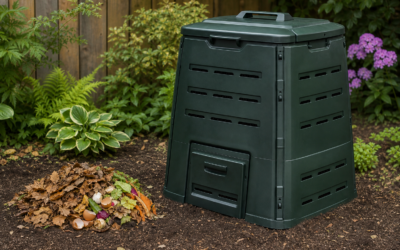
For product comparisons, see Best Compost Bin For Small Backyard 2026: Reviews and Buying Guide.
See how Dove Creek Gardens researches and compares products.