

Finding a swarm of insects every time you lift your bin lid is one of the most frustrating experiences in home composting. Homeowners and gardeners often ask why does compost have flies when their intention was simply to recycle kitchen scraps and garden clippings. In most cases, flying insects are drawn by easily accessible food scraps, excess moisture, or an imbalance between wet nitrogen materials and dry carbon bedding. Understanding what attracts these insects is the first step toward restoring a clean, odor-free decomposition process.
This guide helps home gardeners, backyard growers, and small-space composters identify the underlying causes of insect outbreaks and choose appropriate containment strategies. This analysis weighs each approach against physical pest exclusion, aeration efficiency, odor containment, and ease of maintenance. If you are collecting food scraps indoors before carrying them out to the yard, using an indoor compost bin for odor control with an integrated carbon filter will prevent kitchen infestations before scraps ever reach your outdoor pile.
Managing compost pests requires looking at both physical containment and biological balance. When bins lack tight seals or when fresh fruit rinds sit exposed on the pile surface, adult flies quickly lay eggs in the warm, nutrient-dense environment. By adjusting moisture levels, burying nitrogen waste under dry brown materials, and selecting bins with insect-resistant ventilation screens, you can eliminate pest problems without interrupting the natural composting cycle.
Practical Guide to Managing Flies in Compost
Identifying Common Flies in the Compost Pile
Not all flying insects found in a compost bin present the same challenges or require the same response. Tiny vinegar fruit flies hover near decomposing fruits and sweet vegetables, reproducing rapidly in warm weather. Fungus gnats thrive in overly wet, compact layers where soil fungi develop. Large metallic blowflies or common houseflies usually signal the presence of improper additions, such as animal fats, dairy products, or pet waste.
Conversely, black soldier fly larvae are large, segmented grubs that voraciously consume wet nitrogen waste. While the adult black soldier fly looks somewhat like a slender wasp, it does not bite, sting, or feed on human food. Recognizing the species inhabiting your compost pile helps determine whether you need an immediate corrective intervention or a simple routine adjustment.
| Fly Type | Typical Attractant | Garden Role | Primary Control Method |
|---|---|---|---|
| Fruit Flies (Drosophila) | Exposed fruit rinds, melon, vegetable scraps | Surface scavenger, household nuisance | Bury fresh greens under 4 inches of brown carbon |
| Fungus Gnats | Excess moisture, decaying fungi, poor drainage | Fungal feeder, nuisance | Incorporate dry materials and improve airflow |
| Black Soldier Fly Larvae | Warm, wet nitrogen matter, rotting food | Highly efficient organic recycler | Tolerate or balance moisture with coarse dry carbon |
| Houseflies and Blowflies | Animal proteins, dairy scraps, pet waste | Nuisance and possible pathogen vector | Strictly exclude animal products and seal bin lids |
Balancing Carbon Browns and Nitrogen Greens
The primary cultural reason why does compost have flies is an excess of exposed green materials. Fresh vegetable peelings, coffee grounds, and fruit pulp are rich in nitrogen, releasing sweet aromas and fermentation gases that attract adult insects from across the garden. When left uncovered at the top of a pile, these materials offer an ideal egg-laying substrate.
To eliminate this attractant, always follow the blanket technique. Every time you deposit kitchen scraps, cover them completely with a three-to-four-inch layer of carbon-rich brown material such as shredded cardboard, dried leaves, or clean straw. To speed up breakdown and keep your dry bedding uniform enough to block insects, running autumn leaves through a compost shredder for garden waste creates an impenetrable organic blanket that locks in odors.
Controlling Moisture Levels to Prevent Anaerobic Sludge
Flies thrive in damp, soggy environments. When compost receives excessive water from rainfall, lawn sprinklers, or heavy additions of juicy melon rinds, pore spaces between particles fill with liquid. This displaces oxygen and creates anaerobic pockets that ferment rapidly, generating strong sour smells that attract gnats and flies.
A properly managed pile should have the moisture consistency of a wrung-out sponge. If water drips out when you squeeze a handful of compost, the material is too wet. Restore balance by aerating the core and mixing in dry sawdust, torn newsprint, or dry brown leaves. Ensuring that the base of your outdoor bin offers unobstructed drainage into native soil prevents stagnant pools from collecting beneath the pile.
Aeration Techniques and Safe Pile Turning
Frequent aeration promotes aerobic bacteria that drive internal pile temperatures upward. When a compost pile reaches 130 to 150 degrees Fahrenheit, the intense heat destroys fly eggs and larvae while deterring adult insects from entering the core. However, haphazard turning can backfire if you bring buried, half-decayed food waste back to the surface where flies can access it.
When using a compost aerator tool or garden fork, turn the center of the pile thoroughly, but reserve fresh brown materials to top dress the entire surface once turning is complete. If you are operating a dual-chamber tumbling composter, stop adding fresh food scraps to the curing chamber completely so the finished batch can dry slightly and mature without attracting newly hatched flies.
Selecting Bins with Tight Seals and Pest Exclusion Screens
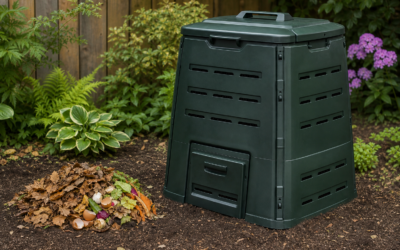
Physical containment is an essential line of defense, particularly in suburban yards where compost bins sit close to outdoor dining spaces. Open-slat timber bins work well for dry yard trimmings, but they offer zero resistance against flying insects when food scraps are included. Enclosed plastic tumblers or stationary upright bins with latching lids provide superior protection.
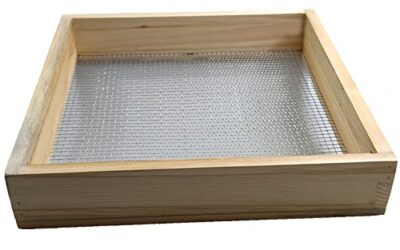
Inspect the aeration holes on your compost bin. Many budget containers feature wide ventilation slits that allow tiny fruit flies and gnats to slip inside easily. You can upgrade any standard outdoor composter by lining the interior vent openings with fine stainless steel wire mesh or fiberglass screening, securing it with exterior-grade adhesive or cable ties to maintain airflow without letting pests inside.
Kitchen Scrap Management and Indoor Odor Containment
Many outdoor fly infestations actually originate on kitchen countertops. When fruit trimmings sit in an unsealed container for several days before being moved outside, fruit flies lay microscopic eggs on the skins. By the time you dump the container into the backyard pile, you are transplanting an established insect colony directly into the composter.
To break this reproduction cycle, empty indoor kitchen caddies every one to two days. Rinse the collection vessel thoroughly with hot water and mild soap between uses. Alternatively, store high-sugar scraps such as apple cores, banana peels, and melon rinds in a sealed freezer bag until you are ready to bury them deeply in the outdoor pile, which kills any dormant insect eggs before they can hatch.
Preventing Flies in Small-Space and Patio Composters
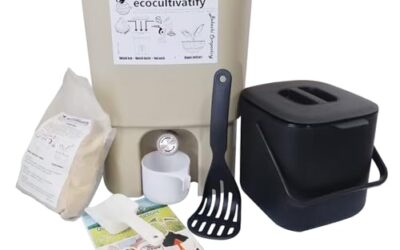
Gardeners working on balconies, terraces, or compact townhome patios face unique insect challenges because living spaces sit just feet away from compost containers. On a small patio, a single fruit fly swarm can quickly migrate indoors through screen doors and windows. For urban growers seeking a completely pest-free system, a sealed bokashi composting kit for beginners utilizes an airtight anaerobic fermentation process that prevents fly intrusions entirely.
If you maintain a worm bin or compact tumbler on a patio, check that the collection tray underneath does not hold stagnant leachate. Liquid runoff contains soluble organic acids that draw flies from long distances. Empty drainage spigots weekly, dilute the liquid nutrient runoff for container plants, and maintain a thick layer of shredded damp cardboard over the surface of the bedding at all times.
Research Methodology and Evaluation Standards
Our editorial approach at Dove Creek Gardens focuses on realistic, research-backed garden management. In evaluating composting methods and pest control solutions for September 2026, we reviewed physical hardware designs, bin ventilation specs, biological decomposition dynamics, and owner-reported maintenance trends across multiple backyard settings. We do not manufacture synthetic field claims; instead, our analysis combines documented horticultural science with practical equipment specifications.
When assessing pest resistance across composting systems, we prioritize four critical criteria: lid seal precision, ventilation screen aperture, drainage efficiency, and thermal heat retention. Bins that promote rapid hot composting naturally suppress insect reproduction by reaching sustained temperatures above pest tolerance thresholds. You can explore our extensive library of compost, soil, and mulch guides to discover more techniques for maintaining healthy soil biology without insect problems.
Feedback from home gardeners regularly highlights that user consistency matters as much as hardware quality. Even premium sealed tumblers develop fly issues if nitrogen scraps are added without sufficient carbon cover. Therefore, our evaluation model places equal weight on hardware design and straightforward maintenance protocols that average gardeners can easily sustain throughout the growing season.
Frequently Asked Questions
Are flies in my compost bin harmful to my garden?
Most flies found in compost piles, such as fruit flies and black soldier flies, do not harm garden vegetables or ornamental plants. Their larvae help shred organic material and accelerate decomposition into nutrient-dense humus. However, they become a major annoyance when bins are situated near outdoor living spaces, and blowflies should be eliminated because they can transport unwanted bacteria.
Why does compost have flies even when the lid is tightly closed?
Flies can enter through tiny ventilation holes, latch gaps, or open drainage slits at the base of the unit. In many instances, the insects were not locked out; their eggs were inadvertently introduced on the skins of fruit scraps brought from the kitchen. Once inside, the warm and humid microclimate allows populations to multiply rapidly behind closed lids.
How can I get rid of fruit flies in my compost bin quickly?
The fastest way to eliminate an active fruit fly population is to starve them of surface food. Add a three-inch layer of dry shredded leaves, shredded cardboard, or damp newspaper directly over the entire pile surface. This physical barrier blocks adult flies from reaching food to lay eggs and prevents newly emerged flies from crawling out.
Should I kill black soldier fly larvae if I find them in my bin?
There is usually no reason to kill black soldier fly larvae because they are beneficial decomposers that process kitchen waste faster than earthworms. Their feeding activity helps keep pathogenic bacteria under control and reduces overall pile volume quickly. If their presence bothers you, adding dry brown carbon materials will cool and dry the pile, encouraging them to migrate elsewhere.
Can I use chemical bug spray inside my compost pile?
You should never spray synthetic chemical insecticides into a compost bin. Chemical pesticides kill the beneficial microbes, earthworms, and predatory mites responsible for breaking down raw material into finished compost. Furthermore, chemical residues can persist in the finished humus and harm garden crops when applied to your vegetable beds.
Does turning the compost pile increase or decrease fly activity?
Thoroughly turning a compost pile decreases fly activity over the long term because it aerates the pile and triggers hot thermal decomposition that kills insect larvae. However, turning can temporarily expose buried food scraps to adult flies. Always finish any turning session by covering the top of the pile with a fresh blanket of dry carbon bedding.
Continue your garden research
Browse more practical guides in Compost, Soil & Mulch.
For product comparisons, see Best Compost Bin For Small Backyard 2026: Reviews and Buying Guide.
See how Dove Creek Gardens researches and compares products.