


Discovering rodent activity in your backyard compost bin is one of the most frustrating challenges a gardener can encounter. Piles designed to break down organic matter offer food, moisture, and shelter, which are the exact three elements wild rodents seek out. Understanding why does compost attract rats is the first step toward reclaiming your soil-building routine without encouraging pests. Whether you manage a sprawling suburban vegetable patch or maintain a small urban backyard, keeping rodents away from decomposing organic matter is essential for hygiene, peace of mind, and neighborhood harmony.
This guide helps home gardeners identify the biological triggers that make a compost pile irresistible to rodents, practical habits that deter them, and containment solutions that block physical access. No dedicated rodent-proof composting hardware met our screening criteria, so this analysis focuses on structural design, management adjustments, and preventative techniques. To browse broader soil amendments and tool guides, visit our comprehensive Compost, Soil & Mulch resource center.
Key selection criteria for rodent-resistant composting include structural integrity, ventilation mesh size, elevation from open ground, core temperature management, and proper moisture regulation. By aligning your daily kitchen scrap routines with sound biological composting principles, you can produce rich, clean humus while keeping unwanted visitors completely out of your garden beds.
Practical Guide: Why Does Compost Attract Rats and How to Stop Them
High-Calorie Kitchen Waste and Odor Leaks
Rats possess an exceptionally keen sense of smell, capable of detecting trace amounts of oils, proteins, and sugars from significant distances. When unburied kitchen waste such as bread crusts, cooked grains, fruit rinds, or vegetable peelings begin decomposing on top of a heap, volatile odor compounds disperse on the breeze. Items like meat scraps, fish bones, dairy products, oils, and cooked leftovers should never enter standard backyard composters, as their rich lipid and protein content acts as a powerful primary attractant.
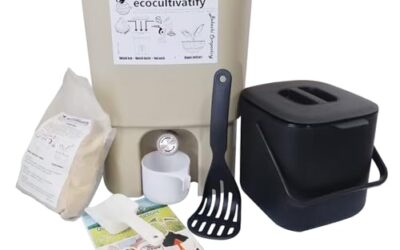
To reduce surface odors before scraps even reach the yard, many gardeners rely on a counter container such as a dedicated indoor compost bin for odor control to collect trimmings cleanly. If you plan to process animal proteins or oily leftovers safely at home, an anaerobic pre-fermentation system like the best bokashi composting kit for beginners can pickle scraps first, rendering them unpalatable and unrecognizable to burrowing rodents once buried in soil.
Insulated Warmth and Dry Nesting Cavities
Aside from sustenance, compost piles provide an inviting refuge from winter frosts, predators, and rain. The internal bacterial activity of a working pile generates steady biological heat. If a heap contains dry, loose straw, coarse leaves, or cardboard pockets that remain unmoistened, it creates warm, insulated pockets ideal for rat nesting and burrowing.
Cold, neglected compost piles that sit undisturbed for months at a time are particularly vulnerable. When rodents recognize that a structure offers consistent heat without frequent human disturbance, they will dig intricate tunnel networks beneath the base. Maintaining active turning schedules and consistent pile moisture disrupts these cavities before breeding colonies can establish themselves.
Moisture Imbalance and Available Water Sources
Rodents require daily water access to survive. In hot or dry periods, a damp compost heap provides both humidity and droplets of condensation that rodents drink directly. Piles that are excessively soggy produce foul odors that alert pests, while piles that are too dry provide dry bedding on the outside with water trapped inside food skins.
Compost should consistently maintain the moisture level of a wrung-out sponge throughout its core. When moisture is distributed evenly, aerobic microbes thrive, breaking down food tissues rapidly and leaving no standing liquid or accessible water pockets for scavengers to exploit.
Structural Deficiencies in Bin Construction
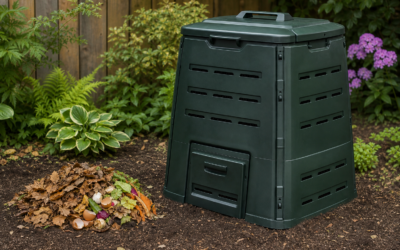
Open wooden slatted bins, loose wire rings, and open plastic bottom rings sitting directly on top of bare soil are easy targets for rats. Brown rats (Rattus norvegicus) are powerful burrowers that can tunnel underneath plastic walls in minutes. Furthermore, adult rats can squeeze through openings as small as a half inch (about 12 to 15 millimeters) and can easily gnaw through soft pine wood, thin plastic corners, or cracked lids.
Stationary bins resting directly on soil should always be lined along the bottom and lower perimeter with heavy-duty galvanized hardware cloth featuring quarter-inch mesh. Elevated tumblers mounted on steel stands provide superior physical barriers because their off-ground positioning and latching hatches prevent rodents from reaching entry points entirely.
Improper Carbon-to-Nitrogen Ratio Management
A classic management mistake is dumping nitrogen-dense kitchen scraps directly on top of the pile without burying them beneath carbon materials. An exposed layer of melon rinds, apple cores, or squash seeds essentially serves as an open buffet table for nocturnal visitors. Every addition of wet, green kitchen waste must be balanced with a thick, protective blanket of dry carbon-rich brown material.
Using a machine like the best compost shredder for garden waste helps process tough twigs, dried leaves, and cardboard into uniform, absorbent mulch. Laying a generous three- to four-inch cap of shredded dry material over every deposit traps steam, absorbs odor molecules, and conceals the physical presence of fresh food.
Lack of Turning, Aeration, and Core Disturbance
Rats are cautious animals that avoid nesting in environments that experience continuous physical instability. A pile that is left completely undisturbed for weeks creates a secure harbor. Regular aeration with a sturdy compost aerator or pitchfork exposes hidden channels, collapses exploratory tunnels, and blends moisture evenly throughout the pile.
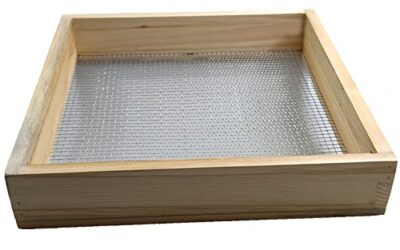
Frequent turning also accelerates internal core temperatures, pushing active zones between 130 and 150 degrees Fahrenheit. These elevated temperatures break down cell walls rapidly and produce conditions too intensely hot for any animal to inhabit. Once your compost reaches maturity, running the finished soil through the best compost sifter for large batches allows you to screen out undecomposed fibrous items that could attract pests when spread into planting beds.
Compost Risk Factors and Prevention Overview
| Attractant Factor | Why It Draws Rats | Corrective Prevention Strategy |
|---|---|---|
| Surface Kitchen Waste | Exposed scent markers and calorie-rich food | Always bury scraps 8 to 10 inches deep under dry brown material |
| Direct Soil Contact | Allows easy subterranean tunneling under walls | Line bin base with quarter-inch galvanized steel hardware cloth |
| Dry, Undisturbed Pockets | Offers warm, insulated nesting shelter | Aerate and turn the pile weekly; keep moisture evenly damp |
| Animal Byproducts | High fat and protein content stimulates foraging | Omit meats, oils, dairy, and bones, or ferment with bokashi first |
| Unprotected Perimeter | Provides dense vegetative cover for safe transit | Keep grass trimmed low and clear clutter around the bin |
Research Methodology and Evaluation Standards
Our evaluation framework at Dove Creek Gardens relies on practical agricultural principles, structural hardware assessments, and pest control guidelines published by university extension offices. We do not make claims of laboratory animal testing or proprietary clinical trials. Instead, our assessments synthesize biological composting science with verified user feedback, material engineering standards, and practical backyard management requirements.
When screening equipment for rodent deterrence, we evaluate specific criteria including material thickness, hinge tolerances, ventilation aperture dimensions, locking mechanisms, and elevation clearances. Bins with plastic walls thinner than heavy-gauge polyethylene or ventilation slots wider than half an inch are categorized as vulnerable to gnawing and entry. We continuously monitor gardener experiences and review operational feedback during September 2026 to ensure our recommendations reflect reliable field performance.
Because pest dynamics vary widely based on local wildlife pressures, municipal trash management, and climate conditions, our methodology emphasizes defensive exclusion and cultural controls over reliance on passive hardware alone. A poorly managed premium bin will still draw pests if fed inappropriate scraps, while an inexpensive bin managed with rigorous carbon layering can remain completely rodent-free.
Frequently Asked Questions
Why does compost attract rats even when I only add vegetable scraps?
Even purely vegetarian scraps such as sweet fruit trimmings, squash seeds, corn cobs, and potato peels contain substantial calories and starches that wild rodents actively forage for. If these scraps sit exposed on top of the pile, their sweet and fermenting odors carry across your yard. Layering several inches of shredded leaves, sawdust, or clean cardboard over every food addition masks the scent and deters foraging pests.
Can rats chew through a plastic compost bin?
Yes, rats possess durable, chisel-like incisors coated in hard enamel that can chew through soft plastics, wood, and light wire. Stationary plastic bins made with thin walls or wide ventilation slots are especially vulnerable near base edges and lid seams. Installing quarter-inch galvanized steel mesh around corners and vulnerable openings prevents rodents from gaining the purchase needed to gnaw through.
Does adding coffee grounds to compost keep rats away?
Coffee grounds do not reliably repel hungry rats, despite common garden folklore. While their potent aroma can temporarily mask other kitchen odors, rodents are highly adaptable and will quickly ignore the smell if edible food rests nearby. Coffee grounds should be treated simply as a valuable nitrogen ingredient rather than an active pest deterrent.
What should I do if I find an active rat nest in my compost pile?
If you discover an active nest, stop adding kitchen scraps immediately and wear protective gloves and a dust mask before handling the material. Thoroughly soak the pile with a garden hose to eliminate dry shelter and use a pitchfork to dismantle all cavities completely. Disturbing the pile every single day while omitting fresh food will force the rodents to abandon the hostile, wet site in search of quieter territory.
Is compost safe to use on vegetable beds if rats have visited it?
Rodents carry pathogens such as leptospirosis and salmonella that can contaminate garden soil through their urine and droppings. If rodents have lived in your pile, you should let it complete a hot composting phase where internal temperatures exceed 130 to 140 degrees Fahrenheit for several days to neutralize pathogens. Alternatively, allow the finished compost to age thoroughly and reserve it exclusively for ornamental shrubs and perennial flower borders rather than ready-to-eat salad crops.
How far from the house should a compost bin be placed to prevent rodent issues?
Place your compost bin at least 15 to 20 feet away from your home foundation, wooden sheds, and property boundary fences. Keeping the surrounding grass trimmed short and clearing away lumber stacks or dense brush removes the protective ground cover that rodents require to approach safely. An open, visible location with clear sightlines makes rodents feel vulnerable to natural predators.
Continue your garden research
Browse more practical guides in Compost, Soil & Mulch.
For product comparisons, see Best Compost Bin For Small Backyard 2026: Reviews and Buying Guide.
See how Dove Creek Gardens researches and compares products.