


Knowing when to water a potted plant is not always easy. The surface may look dry while the root zone is still damp, or the top layer may appear moist even though water has not reached deeper soil. A soil moisture meter can provide a quick reading before you water, helping reduce guesswork for houseplants, container gardens, and small outdoor pots.
We focused on moisture-reading method, ease of use, probe design, reading visibility, battery requirements, pot size suitability, extra soil measurements, upkeep, and the needs of beginner and accessibility-minded gardeners. Listed prices range from $4.99–$32.98, with brands including XLUX, VIVOSUN, Gouevn, Hathdia, Sustee, apine, Censinda, UNIWA, Raintrip, Antonki, YAMRON, Zoiydals, Jxikatx, Pexio PretiHom.
Because soil testing is part of broader garden care, readers may also find practical ideas in our guide to compost, soil, and mulch. A moisture meter is a decision aid, not a replacement for checking the plant, pot drainage, soil type, and recent watering history.
XLUX Plant Soil Moisture Meter for Indoor and Outdoor Plants, Battery-Free Root-Zone Readings XLUX Long Probe Soil Moisture Meter for Checking Moisture in Deep Pots Antonki 2-Pack Soil Moisture Meter for Plants, Battery-Free Watering Checks XLUX Long Probe Soil Moisture Meter, Deep-Reading 2-Pack for Large Pots and Garden Soil Prices and availability can change. We may earn a commission from qualifying purchases.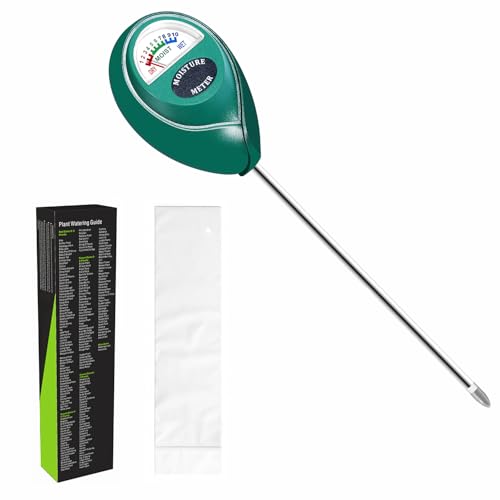


Pros
- Simple moisture readings without batteries or charging
- Clear dial that is approachable for beginner gardeners
- Slim probe design may be less disruptive to roots than bulkier testers
Cons
- It is intended for soil only and should not be used to test liquids.
- The probe should be removed within five minutes and cleaned after use, so it is not designed for continuous placement.
- Gardeners needing measurements beyond moisture, such as soil pH or nutrients, would need a different type of meter.
The XLUX Plant Soil Moisture Meter is a battery-free soil moisture tool for indoor containers and outdoor garden soil. It is intended to help gardeners decide when to water by checking moisture deeper in the soil, near the area where plant roots grow. The straightforward design should suit beginners, houseplant owners, and homeowners who want a quick reference before watering.
The main benefit is access to a moisture reading below the surface, where soil can be wetter or drier than it appears from the top. The large color-coded dial uses 10 Dry-Moist-Wet scales, giving users a simple visual guide rather than requiring them to judge moisture by appearance or touch alone. The product information indicates that the meter provides an immediate reading without batteries or charging.
The meter has a slim single probe and is listed at 26 cm in size, with a weight of 47 grams. Its 304 stainless steel probe is designed to slide into various soils with limited soil disturbance, which may be useful around plants with delicate roots. A protective sleeve is included for storage and helps protect the probe from abrasion when the meter is not in use.
In practical use, this meter could help check moisture in houseplant pots, containers on a patio, or sections of outdoor garden soil before watering. It may be especially useful when several plants have different moisture needs or when the soil surface does not reflect conditions deeper in the pot or garden bed.
Use the probe in soil only, not in liquids. The listed instructions recommend inserting it temporarily, reading the dial, and removing it within five minutes. Wipe the probe clean after use and store it in the protective sleeve. Because it measures moisture only, gardeners who also want pH, nutrient, or other soil readings should consider a more specialized instrument.
This is a sensible option for gardeners seeking a simple, reusable moisture check without batteries. It may be less suitable for anyone wanting a permanently installed sensor, automated watering control, or multi-function soil analysis tool.
Best For / Avoid If
Best for buyers prioritizing
- Simple moisture readings without batteries or charging
- Clear dial that is approachable for beginner gardeners
- Slim probe design may be less disruptive to roots than bulkier testers
Consider another option if
- It is intended for soil only and should not be used to test liquids.
- The probe should be removed within five minutes and cleaned after use, so it is not designed for continuous placement.
- Gardeners needing measurements beyond moisture, such as soil pH or nutrients, would need a different type of meter.
Pros
- Long probe is suited to deeper pots and containers.
- Large dial is designed for easy reading.
- Battery-free design simplifies routine use.
Cons
- It should not be left in soil for more than five minutes because the metal tip may gradually corrode.
- The probe is not intended for very hard soil, water, or other liquids.
- Gardeners must wipe the probe clean after each use to help maintain it.
The XLUX Long Probe Plant Soil Moisture Meter is a battery-free soil-checking tool for indoor and outdoor gardening. It is designed to identify whether soil is dry, moist, or wet below the surface, making it useful for homeowners caring for plants in deeper pots, containers, or garden soil.
Its main benefit is access to moisture that may not be visible from the top layer. The listed probe is 5.5 inches longer than regular styles, and the product size is given as 40 cm, so it can reach farther into larger flower pots. This may help reduce watering decisions based only on dry-looking surface soil.
The meter uses a single probe and a large dial with three zones and ten scales. The dial is intended to be easy to read, while the single-probe design may cause less root and soil disturbance than meters with multiple probes. No assembly or batteries are indicated in the supplied product information.
For patio containers, indoor houseplants, raised beds, and other small-space growing areas, insert the probe into the soil and read the dial immediately. Checking at different depths can be useful when the surface appears dry but the lower soil may still retain moisture, or when the top feels damp but deeper soil needs attention.
The meter has important use limits. Do not force it into very hard soil, use it to test water or other liquids, or leave it in the soil for more than five minutes, since the metal tip may gradually corrode. Wipe the probe clean after testing. It is a sensible option for gardeners who want simple, battery-free moisture checks, while those needing measurements for liquids or hard, compacted soil should consider a different tool.
Best For / Avoid If
Best for buyers prioritizing
- Long probe is suited to deeper pots and containers.
- Large dial is designed for easy reading.
- Battery-free design simplifies routine use.
Consider another option if
- It should not be left in soil for more than five minutes because the metal tip may gradually corrode.
- The probe is not intended for very hard soil, water, or other liquids.
- Gardeners must wipe the probe clean after each use to help maintain it.
Pros
- Simple dial operation is accessible for beginners and gardeners who prefer no digital controls.
- Useful for checking moisture in indoor pots, outdoor containers, and garden soil.
- Compact, lightweight design and battery-free operation make it easy to keep available.
- Two meters provide convenient coverage for separate plants or growing areas.
Cons
- It is intended for soil use only and should not be used to test water or other liquids.
- A manual probe reading checks the spot where it is inserted, so gardeners may need multiple readings in uneven soil.
- Gardeners who need recorded readings, automatic alerts, or broader moisture mapping may prefer a more advanced sensor.
The Antonki 2-pack is a manual soil moisture meter for checking whether garden or potting soil is dry, moist, or wet before watering. It is a practical fit for beginners, indoor plant owners, patio gardeners, and homeowners who want a straightforward alternative to judging moisture by appearance alone.
Its main benefit is the quick, readable dial. The color-coded zones identify dry, moist, and wet conditions, while the 10-scale display provides more detail than a simple yes-or-no indicator. The product information indicates that the pointer responds once the probe has full contact with the soil, helping users make watering decisions with less guesswork.
Using it requires three basic steps: remove the probe protector, insert the probe near the roots with full soil contact, and read the dial after the pointer settles. The listed 7.6-inch probe is intended to reach deeper root areas, and the single-probe design may disturb less soil than a bulkier double-probe style. No batteries, settings, or assembly are required.
For container plants, the meter can help identify whether the upper soil is dry while lower areas remain wet. In raised beds or outdoor planting areas, checking more than one location may reveal uneven watering. The two-pack also allows separate meters to remain in different rooms, containers, or garden sections for convenient spot checks.
This is a soil-only tool, not a liquid or water tester. Because it measures the spot where it is inserted, gardeners may need to check several locations when moisture is uneven. Wipe the probe clean after each reading and use it carefully near roots. Overall, it is a simple option for routine moisture checks, while gardeners seeking automatic monitoring, alerts, or stored data should consider a different type of sensor.
Best For / Avoid If
Best for buyers prioritizing
- Simple dial operation is accessible for beginners and gardeners who prefer no digital controls.
- Useful for checking moisture in indoor pots, outdoor containers, and garden soil.
- Compact, lightweight design and battery-free operation make it easy to keep available.
Consider another option if
- It is intended for soil use only and should not be used to test water or other liquids.
- A manual probe reading checks the spot where it is inserted, so gardeners may need multiple readings in uneven soil.
- Gardeners who need recorded readings, automatic alerts, or broader moisture mapping may prefer a more advanced sensor.
Pros
- Long probe reaches deeper soil in larger pots and garden areas.
- Large, simple dial is accessible for beginner gardeners.
- No batteries or assembly are listed, and readings appear immediately after insertion.
Cons
- It should not be left in soil for more than five minutes because the metal tip may gradually corrode.
- Very hard soil may be unsuitable for this probe and could make insertion difficult.
- The meter is intended for soil, so it should not be used to test water or other liquids.
The XLUX Long Probe Soil Moisture Meter is a manual soil-checking tool for indoor plants, outdoor containers, garden soil, and larger flower pots. It is especially suited to beginners and homeowners who need a clearer indication of moisture below the surface, where a finger check may not reach.
Its main benefit is deeper moisture detection. The product information lists a 40 cm size and describes the probe as 14 cm longer than regular styles, allowing it to reach toward the bottom of deeper pots. This can help gardeners compare the moisture in lower soil with what is visible at the surface before deciding whether to water.
The large dial is designed for quick reading, with three moisture zones and ten scales. Insert the single probe into suitable soil, read the dial immediately, and remove it after checking. The single-probe format may cause less root disturbance and bring out less soil than meters with multiple probes.
In practical use, this meter may fit houseplant containers, patio pots, large flower pots, and garden areas where soil moisture varies by depth. Having two meters can also make it easier to check separate containers, although the supplied information does not specify additional accessories or storage features.
Use care with the probe. Do not force it into very hard soil, do not place it in water or other liquids, and wipe the probe clean after each test. The metal tip should not remain in soil for more than five minutes because it may gradually corrode. This is a sensible choice for straightforward soil checks, while gardeners wanting automated monitoring or additional soil measurements should consider a different type of instrument.
Best For / Avoid If
Best for buyers prioritizing
- Long probe reaches deeper soil in larger pots and garden areas.
- Large, simple dial is accessible for beginner gardeners.
- No batteries or assembly are listed, and readings appear immediately after insertion.
Consider another option if
- It should not be left in soil for more than five minutes because the metal tip may gradually corrode.
- Very hard soil may be unsuitable for this probe and could make insertion difficult.
- The meter is intended for soil, so it should not be used to test water or other liquids.

Pros
- Combines moisture, pH, temperature, and light readings in one compact garden tool.
- Large backlit screen and visual display design are beginner-friendly compared with small analog gauges.
- Lightweight listed weight of 120 grams should make it easy to carry between pots, beds, and outdoor planting areas.
- Suitable for both indoor and outdoor plant checks according to the product information.
Cons
- Requires four AAA batteries, and they are not included.
- Cannot be used directly in liquid, and forcing the probe into very dry, hard soil may damage the tester according to the instructions.
- For pH and moisture checks, the product instructions call for readings from at least five soil locations, so careful testing takes more time than a single probe reading.
The YAMRON CTY 4-in-1 Digital Soil Meter is made for gardeners who want a quick way to check basic growing conditions before watering, moving plants, or evaluating soil. It measures soil moisture, pH, temperature, and sunlight intensity, which makes it useful for houseplants, patio containers, raised beds, outdoor garden rows, succulents, and general backyard planting.
Based on the listed features, the main benefit is convenience. Instead of relying only on touch or guesswork, gardeners can use the probe and display to compare moisture levels, soil temperature, pH readings, and available light. This can be especially helpful for newer growers who are learning that different plants dry out at different rates and may respond differently to light exposure.
The design includes a large LCD screen with a white backlight, plus a 45-degree rotating head for easier viewing. The unit is listed at 2.36 inches wide by 12.6 inches high and weighs 120 grams, so it should be simple to carry between containers or garden beds. It uses four AAA 1.5V batteries, which are not included, and the product information notes a low-battery alert.
For use, the instructions say to insert the probe about 4 inches, or 10 cm, into soil and wait about 10 seconds for a reading. For soil pH and moisture, the manufacturer recommends checking at least five locations and averaging the results, which is a sensible approach because moisture and pH can vary across a bed or pot. The listed temperature range is 32 to 122 degrees Fahrenheit, with a stated temperature accuracy of 1.8 degrees Fahrenheit.
There are a few important cautions. This tester should not be used directly in liquids, and the product information warns not to insert it into very dry, hard soil. If the soil is too dry, the instructions recommend watering the test area and waiting 10 minutes before testing to avoid damaging the machine. As with any home soil meter, it is best used as a practical garden guide rather than a substitute for a professional laboratory soil test when exact nutrient or pH analysis is required.
This YAMRON meter is a good fit for homeowners, container gardeners, and beginners who want readable digital feedback for everyday plant care decisions. Gardeners who need lab-level soil analysis, battery-free operation, or a tool designed for direct liquid testing should consider a different type of testing method.
Best For / Avoid If
Best for buyers prioritizing
- Combines moisture, pH, temperature, and light readings in one compact garden tool.
- Large backlit screen and visual display design are beginner-friendly compared with small analog gauges.
- Lightweight listed weight of 120 grams should make it easy to carry between pots, beds, and outdoor planting areas.
Consider another option if
- Requires four AAA batteries, and they are not included.
- Cannot be used directly in liquid, and forcing the probe into very dry, hard soil may damage the tester according to the instructions.
- For pH and moisture checks, the product instructions call for readings from at least five soil locations, so careful testing takes more time than a single probe reading.
Pros
- Battery-free operation keeps routine moisture checks simple.
- Long single probe is suitable for checking soil around larger containers.
- Portable design works for indoor and outdoor plant-care tasks.
Cons
- It is designed for soil only and should not be placed directly in water or other liquids.
- The probe may be less suitable for rocky soil because it should not contact stones during insertion.
- The probe needs to be wiped after each use, adding a small maintenance step.
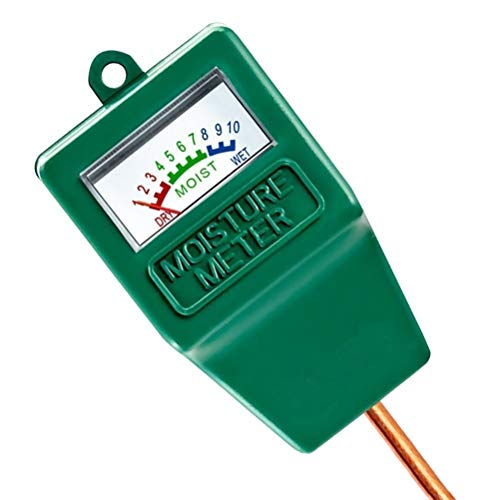
The Hathdia Soil Moisture Meter is a single-probe soil hygrometer for checking moisture around plants before watering. It is intended for potted plants, gardens, farms, and lawns, making it a useful option for beginners, homeowners, and gardeners who want a quick way to supplement visual checks of their soil.
The main benefit is simpler watering decisions. The product information indicates that the dial responds immediately when the probe is inserted into the soil, giving gardeners a moisture reading to consider before adding water. This can be helpful when the soil surface looks dry but deeper soil may still contain moisture.
Operation is straightforward and does not require batteries or electricity. Insert the probe into the soil near the plant root level and read the pointer on the dial. The listed 7.6-inch probe is suitable for larger potted plants, while the lightweight design makes it easy to carry between indoor containers and outdoor growing areas.
In a home garden, the meter can be moved from houseplants to patio pots, garden beds, lawn areas, or other soil-based growing spaces. Its compact format may also suit gardeners with limited storage, although the supplied specifications do not describe a storage case or mounting feature.
This meter is designed for soil only, so it should not be used to test water or other liquids directly. Avoid forcing the probe into stones, and wipe the probe after each use as recommended. Gardeners who want a simple, battery-free moisture check may find it useful, while those needing readings for liquid solutions or more advanced soil measurements should consider a different type of meter.
Best For / Avoid If
Best for buyers prioritizing
- Battery-free operation keeps routine moisture checks simple.
- Long single probe is suitable for checking soil around larger containers.
- Portable design works for indoor and outdoor plant-care tasks.
Consider another option if
- It is designed for soil only and should not be placed directly in water or other liquids.
- The probe may be less suitable for rocky soil because it should not contact stones during insertion.
- The probe needs to be wiped after each use, adding a small maintenance step.
Pros
- Continuous, leave-in monitoring reduces the need for repeated manual moisture checks.
- Color changes are easy to view and interpret for a basic watering reminder.
- Five sensors provide coverage for multiple medium-sized potted plants.
Cons
- The listed medium size is intended for specific pot sizes, so it may be less suitable for very small or substantially larger containers.
- The indicator's color response depends on soil type, which may require some attention when interpreting the reading.
- Replacement cores are needed periodically, with each listed core lasting approximately 6 to 9 months.
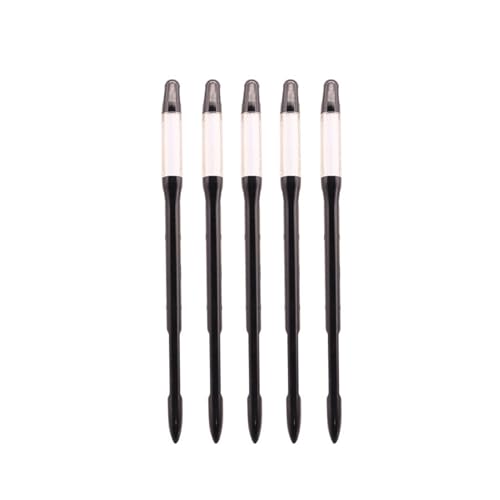
The Sustee Aquameter is a leave-in soil moisture sensor designed for potted plants. This medium black bundle includes five refillable watering sticks, making it a practical option for beginners, indoor gardeners, and homeowners who want a simple visual reminder across several containers.
Its main benefit is continuous monitoring. The sensor can remain in the soil rather than being removed after every check, and its indicator changes color according to the listed moisture condition. White indicates that the plant needs watering, while blue indicates that it has been watered.
Based on the supplied specifications, the medium size is intended for 3.5-, 4-, 5-, and 6-inch pots. The sticks measure approximately 4.72 inches according to the detailed specification, while the product information also lists a 7.09-inch dimension, so gardeners should compare the listed measurements with their container depth before placing an order.
For everyday use, the five sensors can be placed in multiple houseplants, patio containers, or other medium-sized potted plants where checking each pot individually is easy to overlook. The compact stick format is also suitable for small spaces because it remains in the pot and does not require separate storage between readings.
The refillable replacement core is listed to last approximately 6 to 9 months per stick, so ongoing use requires periodic core replacement. Soil type can affect the indicator, meaning the color should be interpreted in the context of the potting mix and the plant's watering needs rather than treated as a universal schedule.
This product is a good fit for gardeners who want a low-effort visual watering cue for compatible pots and several plants at once. Gardeners needing readings for unusually large containers, different pot sizes, or more detailed moisture measurements may prefer a meter designed for those specific applications.
Best For / Avoid If
Best for buyers prioritizing
- Continuous, leave-in monitoring reduces the need for repeated manual moisture checks.
- Color changes are easy to view and interpret for a basic watering reminder.
- Five sensors provide coverage for multiple medium-sized potted plants.
Consider another option if
- The listed medium size is intended for specific pot sizes, so it may be less suitable for very small or substantially larger containers.
- The indicator's color response depends on soil type, which may require some attention when interpreting the reading.
- Replacement cores are needed periodically, with each listed core lasting approximately 6 to 9 months.
Pros
- No batteries or electrical power are needed.
- The relatively long probe is useful for checking moisture below the soil surface.
- Portable design suits indoor plants, outdoor containers, and small garden tasks.
Cons
- It provides a general dry, moist, or wet indication rather than a detailed numerical moisture measurement.
- The probe should not be left in soil for long periods or immersed directly in water, so it requires proper storage and handling.
- Gardeners managing many beds or needing automated monitoring may prefer a more advanced system.
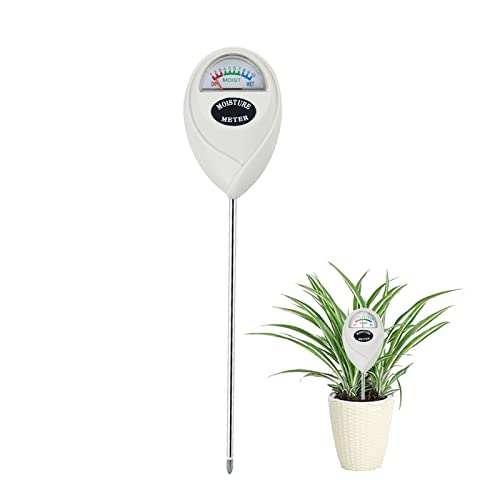
The Censinda soil moisture meter is a manual probe tool designed to help gardeners decide when soil may need watering. It is intended for houseplants, containers, flowers, vegetables, lawn areas, and other indoor or outdoor planting situations, making it a reasonable fit for beginners and homeowners who want a quick check before reaching for a watering can or hose.
According to the listed features, the meter indicates whether soil is dry, moist, or wet, which can help reduce guesswork and support a more consistent watering routine. The product information describes the reading as fast and directs users to place the probe near the plant root area for a more useful moisture check.
The 6.7-inch probe is designed to reach below the surface instead of checking only loose soil at the top. The listed dimensions are 2.3 x 2.3 x 10.2 inches, and the weight is about 0.15 pounds, so the tool should be easy to carry between pots, hanging baskets, garden beds, and lawn areas. No assembly, battery, or electrical connection is listed.
For patio and indoor gardening, this meter can be moved from one container to another when several plants have different watering needs. Outdoors, it may be useful for spot-checking vegetable plantings, flowers, grass, or other areas where surface soil appearance does not clearly show conditions farther down.
The product information advises against leaving the meter in soil for extended periods or soaking it directly in a cup of water, so remove it after checking and keep it stored dry. It is best viewed as a simple moisture indicator rather than a precision instrument or automated watering system. Gardeners who want an accessible manual check may find it useful, while those needing numerical readings, continuous monitoring, or irrigation control should consider a different type of tool.
Best For / Avoid If
Best for buyers prioritizing
- No batteries or electrical power are needed.
- The relatively long probe is useful for checking moisture below the soil surface.
- Portable design suits indoor plants, outdoor containers, and small garden tasks.
Consider another option if
- It provides a general dry, moist, or wet indication rather than a detailed numerical moisture measurement.
- The probe should not be left in soil for long periods or immersed directly in water, so it requires proper storage and handling.
- Gardeners managing many beds or needing automated monitoring may prefer a more advanced system.

Pros
- Works without batteries or electricity.
- Top-facing dial can improve readability for standing users.
- Suitable for indoor plants, gardens, lawns, farms, greenhouses, and large pots.
Cons
- It is designed for soil testing only and should not be used in water or other liquids.
- The probe may be less suitable for very hard, rocky, or compacted soil.
- Gardeners who need additional measurements such as pH, light, or nutrient levels will need a different type of testing tool.
The Jxikatx soil moisture meter is a simple probe-style tool for checking how much moisture is present in soil around a plant's roots. It is intended for houseplants, garden beds, lawns, farms, greenhouses, and larger containers, making it suitable for beginners and homeowners who want a clearer watering routine.
The product information indicates that the meter provides an immediate moisture reading after the probe is inserted. This can help gardeners decide whether a plant needs water instead of relying only on the appearance of the soil surface, which may dry at a different rate than the root area.
Its top-facing display is designed for easier viewing while standing, so users may not need to bend as far when checking pots, beds, or lawn areas. The single probe is also intended to reduce root disturbance compared with meters that use multiple probes, although careful placement is still important.
For practical use, gardeners can check individual houseplant pots, larger planters, garden soil, greenhouse containers, or selected lawn areas before watering. Because the meter does not require batteries or electricity, it can be used as needed in indoor and outdoor growing spaces without preparation beyond inserting the probe.
The meter should be used in soil only, not in water or other liquids. Avoid forcing the probe into very hard soil or stones, and wipe it clean after testing to support long-term performance. The listed dimensions are 1 x 1 x 1 inches, but the supplied information does not provide additional details about measurement ranges, calibration, or storage features.
This is a sensible option for gardeners who want a straightforward moisture check with minimal setup and a display that is easier to see from above. Those who need soil pH, nutrient, light, or other measurements should consider a more comprehensive testing tool instead.
Best For / Avoid If
Best for buyers prioritizing
- Works without batteries or electricity.
- Top-facing dial can improve readability for standing users.
- Suitable for indoor plants, gardens, lawns, farms, greenhouses, and large pots.
Consider another option if
- It is designed for soil testing only and should not be used in water or other liquids.
- The probe may be less suitable for very hard, rocky, or compacted soil.
- Gardeners who need additional measurements such as pH, light, or nutrient levels will need a different type of testing tool.

Pros
- Simple dial design is accessible for beginner gardeners.
- No batteries are required for operation.
- Single-probe construction may disturb fewer roots during routine checks.
- Useful across indoor and outdoor soil-checking situations.
Cons
- May be less suitable for hard or rocky soil, where inserting the probe could be difficult.
- It is designed for soil only and should not be used to test water or other liquids.
- The probe should be wiped clean after use to support durability and accurate readings.
The Zoiydals Soil Moisture Meter is a manual soil-checking tool for determining whether the soil beneath the surface is dry, moist, or wet. It is suited to homeowners, beginning gardeners, indoor plant owners, and anyone who wants a quick moisture reading before watering potted plants, garden beds, lawns, or farm areas.
Its main benefit is helping gardeners look beyond the surface of the soil. The listed feature set indicates that the probe provides an immediate reading on a dial with three moisture zones and ten scales, which can make routine watering decisions more consistent than relying only on visual inspection or touching the top layer.
The meter uses a single probe and does not require batteries, charging, or assembly based on the supplied information. Its stated dimensions are 9.84 by 2.47 by 1.81 inches, and the large dial is intended to be easy to read while checking plants. The battery-free design also keeps operation simple for occasional use in different parts of the garden.
For practical use, gardeners can insert the probe into soil around potted plants, garden beds, lawn areas, or other planting spaces and read the dial immediately. It may be particularly useful when the surface looks dry but moisture deeper in the root area is uncertain, although the product information does not specify a measurement depth or calibration process.
The probe is not suitable for hard or rocky soil, and it should not be placed in water or other liquids. After each use, the probe should be wiped clean to help maintain durability and reading accuracy. Overall, this is a straightforward option for gardeners who want a basic, battery-free soil moisture check, while users needing advanced electronic readings or additional soil measurements may prefer a different type of meter.
Best For / Avoid If
Best for buyers prioritizing
- Simple dial design is accessible for beginner gardeners.
- No batteries are required for operation.
- Single-probe construction may disturb fewer roots during routine checks.
Consider another option if
- May be less suitable for hard or rocky soil, where inserting the probe could be difficult.
- It is designed for soil only and should not be used to test water or other liquids.
- The probe should be wiped clean after use to support durability and accurate readings.

Pros
- No batteries or power setup are required.
- Large dial markings should be easy for many gardeners to read.
- Suitable for indoor and outdoor soil checks in a compact format.
- Portable design makes it convenient to move between plants.
Cons
- It is intended for soil moisture checks, so it may be less suitable for gardeners who need soil pH, nutrient, or liquid testing.
- The probe requires careful handling and should not be used in stone, hard objects, water, or other liquids.
- The probe should be wiped clean after use and should not remain inserted in soil for extended periods.
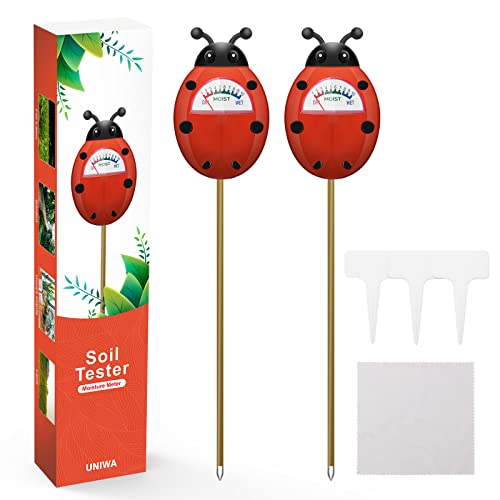
The UNIWA Soil Moisture Meter is a single-probe tool for checking moisture in garden soil and helping determine whether a plant may need watering. It is suited to homeowners, houseplant owners, container gardeners, and beginners who want a simple reading rather than relying only on the surface appearance of the soil.
The feature set focuses on quick moisture checks. The product information describes a clear dashboard with an arrow pointer, wide scale intervals, and large numbers, while the listed double-needle detection technology is intended to support faster readings. These features may make routine watering decisions easier, especially when several plants have different moisture needs.
Its compact design measures 11 x 2.48 x 2.48 inches and requires no batteries, so there is no charging or battery replacement involved. The red ladybug-style appearance also makes the tool approachable for children's gardening activities. No assembly, installation, or storage system is specified in the supplied information.
For practical use, gardeners can carry it between indoor pots, outdoor containers, lawn areas, and garden beds to check soil moisture in different locations. Its small format may be especially convenient in tight spaces, such as windowsills, patios, and houseplant collections, where a larger garden tool would be unnecessary.
Use the meter only in suitable soil, not in stone, hard objects, water, or other liquids, because those uses may damage the probe or affect readings. After each use, wipe the probe clean and avoid leaving it inserted in soil for a long time. Based on the listed specifications, it is a useful basic moisture-checking tool, but gardeners who need pH, nutrient, or liquid measurements should consider a different type of tester.
Best For / Avoid If
Best for buyers prioritizing
- No batteries or power setup are required.
- Large dial markings should be easy for many gardeners to read.
- Suitable for indoor and outdoor soil checks in a compact format.
Consider another option if
- It is intended for soil moisture checks, so it may be less suitable for gardeners who need soil pH, nutrient, or liquid testing.
- The probe requires careful handling and should not be used in stone, hard objects, water, or other liquids.
- The probe should be wiped clean after use and should not remain inserted in soil for extended periods.

Pros
- Battery-free operation reduces routine maintenance and keeps the tool ready to use.
- Compact size and low weight make it convenient for checking multiple plants.
- The probe-and-read design is accessible for beginners and everyday watering decisions.
Cons
- It is intended only for soil testing, so it cannot measure water or other liquids.
- The probe should not be left in soil for long periods, which requires removal after checking.
- It may be less suitable for extremely hard soil or gardeners who need additional measurements such as light or pH.
The Gouevn Soil Moisture Meter is a basic soil-testing tool for checking whether growing media is dry or moist before watering. Its simple format is well suited to houseplant owners, container gardeners, and homeowners who want a quick reading without managing batteries or electronic settings.
The feature set emphasizes straightforward use: place the probe in the soil area being checked and read the large dial. This can make watering decisions easier for gardeners caring for several plants, since each pot or garden area can be checked individually rather than relying only on memory or a fixed schedule.
Based on the listed specifications, the meter measures 2.02 by 2.02 by 1.3 inches and weighs about 0.18 pounds. Its compact, lightweight design should be convenient to carry between pots, raised beds, lawns, greenhouse areas, and other planting spaces. No assembly, electrical connection, or battery replacement is indicated.
For practical use, it can help compare moisture conditions in indoor containers, patio planters, vegetable beds, garden soil, and greenhouse plantings. The product information also notes a watering guide printed on the back of the packaging, which may offer a useful starting point for beginners, although watering needs still vary by plant, soil, container, and weather.
This meter is designed only for soil testing and should not be placed in water or other liquids. The probe should be removed after checking because leaving it in soil for a long time can damage the sensor, and extremely hard soil should be avoided. It is a sensible choice for simple moisture checks, while gardeners seeking soil pH, light, or other readings should consider a different type of meter.
Best For / Avoid If
Best for buyers prioritizing
- Battery-free operation reduces routine maintenance and keeps the tool ready to use.
- Compact size and low weight make it convenient for checking multiple plants.
- The probe-and-read design is accessible for beginners and everyday watering decisions.
Consider another option if
- It is intended only for soil testing, so it cannot measure water or other liquids.
- The probe should not be left in soil for long periods, which requires removal after checking.
- It may be less suitable for extremely hard soil or gardeners who need additional measurements such as light or pH.
Pros
- No batteries are required, reducing routine upkeep and the risk of depleted power.
- Clear dashboard with a wide scale and large numbers may be easier for beginners and older gardeners to read.
- Compact, lightweight design suits houseplants and container gardening.
Cons
- The listed feature set focuses on soil moisture readings, and no pH measurement range or scale is provided.
- The probe should not be used in water, liquids, stone, or hard soil, which limits where it can be used.
- Users need to wipe the probe after use and avoid leaving it in soil for extended periods.
The UNIWA Ladybug Soil Moisture Meter is designed to help gardeners check whether soil needs water before reaching for a watering can. It is especially suited to houseplants, container plants, patio gardens, and beginners who want a simple visual aid for routine plant care.
Its moisture-focused design uses a probe and a pointer-style dashboard with large numbers and a wide scale. The product information indicates that the detection design is intended to improve reading speed and accuracy, which may make quick checks easier when several plants need attention.
The meter is described as battery-free and compact, with listed dimensions of 2.95 by 2.95 by 11.62 inches and a listed weight of about 0.28 pounds. There are no batteries, charging steps, or assembly requirements described, so the basic routine is to place the probe in appropriate soil and read the dashboard.
In a home garden, it can be moved from one container to another to compare moisture levels in houseplants, balcony pots, or small outdoor planters. The ladybug design may also make routine moisture checks more approachable for children participating in supervised gardening activities.
Care is important for continued use. The instructions say not to test stone, hard objects, water, or other liquids, and recommend wiping the probe clean after use and not leaving it inserted in soil for a long time. Gardeners seeking a dedicated, portable moisture check may find it useful, while those needing confirmed pH measurements or broader soil analysis should consider a tool with those specifications clearly provided.
Best For / Avoid If
Best for buyers prioritizing
- No batteries are required, reducing routine upkeep and the risk of depleted power.
- Clear dashboard with a wide scale and large numbers may be easier for beginners and older gardeners to read.
- Compact, lightweight design suits houseplants and container gardening.
Consider another option if
- The listed feature set focuses on soil moisture readings, and no pH measurement range or scale is provided.
- The probe should not be used in water, liquids, stone, or hard soil, which limits where it can be used.
- Users need to wipe the probe after use and avoid leaving it in soil for extended periods.

Pros
- No batteries or setup are required for immediate soil readings.
- The dial is designed for quick visual interpretation with defined moisture zones.
- A single probe can make soil testing cleaner and less disruptive around plant roots.
- Suitable for a range of listed uses, including potted plants, gardens, farms, and lawns.
Cons
- May be less suitable for hard or rocky soil, which the product information specifically excludes.
- It should not be used to test water or other liquids.
- The probe needs to be wiped clean after use to support durability and reading accuracy.
The Zoiydals Style 2 is a manual soil moisture meter designed to show whether soil is dry, moist, or wet below the surface. Its main task is to give gardeners a quick moisture check before watering, making it a practical fit for beginners, houseplant owners, and people managing garden beds, lawns, or other listed growing areas.
The product information indicates that the meter provides immediate readings through a dial with three moisture zones and ten scales. This can help users make more informed watering decisions when the soil surface does not clearly show how much moisture is present deeper down.
Its operation is straightforward: insert the single probe into suitable soil and read the dial. The battery-free design avoids charging and battery replacement, while the single-probe format is intended to minimize disturbance around plant roots. The listed dimensions are 9.81 x 2.47 x 1.81 inches, and no assembly or electronic controls are specified.
For practical use, this meter may be helpful when checking individual indoor pots, outdoor containers, garden areas, farm soil, or lawn sections before watering. It is especially useful for gardeners who prefer a simple visual tool rather than relying only on finger checks or surface appearance.
The meter is not suitable for hard or rocky soil and should not be placed in water or other liquids. After use, the probe should be wiped clean to help maintain durability and accurate readings. Based on the listed features, it is a sensible basic option for routine soil checks, while gardeners needing advanced electronic functions or a tool for difficult ground may prefer a different type of meter.
Best For / Avoid If
Best for buyers prioritizing
- No batteries or setup are required for immediate soil readings.
- The dial is designed for quick visual interpretation with defined moisture zones.
- A single probe can make soil testing cleaner and less disruptive around plant roots.
Consider another option if
- May be less suitable for hard or rocky soil, which the product information specifically excludes.
- It should not be used to test water or other liquids.
- The probe needs to be wiped clean after use to support durability and reading accuracy.

Pros
- Provides three useful soil and growing-environment checks in a single compact meter.
- Covers common readings for moisture, light, and pH monitoring.
- Simple controls and no-battery operation suit beginners and occasional gardeners.
Cons
- The listed information does not specify measurement accuracy, calibration features, or probe material.
- It is intended for soil testing only and should not be used to test pure water or other liquids.
- Gardeners needing highly detailed or laboratory-level soil analysis may prefer a more specialized testing method.
The VIVOSUN Plant Soil Moisture Meter is a 3-in-1 soil tester for checking moisture, light, and pH. Its feature set is aimed at homeowners, beginners, houseplant owners, and small-space gardeners who want quick readings before watering or making basic soil-management decisions.
The meter provides a moisture range of 1 to 10, a light range of 0 to 2000, and a pH range of 3.5 to 8. These readings can help users compare soil conditions, identify when an area may be dry or moist, and monitor whether growing media falls within an acidic to basic range.
Operation is designed to be simple, with one-button switching between modes and a plug-and-read format. The 10.8-inch length gives the probe reach for routine checks, while the listed weight of about 0.2 pounds makes the tool easy to move between containers, raised beds, and other planting areas. No battery is required.
Possible uses include checking container plants before watering, comparing moisture in different sections of a raised bed, reviewing light conditions around indoor plants, and monitoring soil in outdoor garden spaces. Its compact form may also be useful for gardeners who store tools in a small shed, cabinet, or indoor growing area.
The product information does not list accuracy, calibration instructions, or probe construction, so gardeners should treat the readings as practical reference points rather than assume laboratory-level analysis. The meter is designed for soil only and must not be used to test pure water or other liquids. Overall, it is a sensible basic monitoring tool for routine garden checks, while users needing advanced soil analysis may want a more specialized option.
Best For / Avoid If
Best for buyers prioritizing
- Provides three useful soil and growing-environment checks in a single compact meter.
- Covers common readings for moisture, light, and pH monitoring.
- Simple controls and no-battery operation suit beginners and occasional gardeners.
Consider another option if
- The listed information does not specify measurement accuracy, calibration features, or probe material.
- It is intended for soil testing only and should not be used to test pure water or other liquids.
- Gardeners needing highly detailed or laboratory-level soil analysis may prefer a more specialized testing method.

Pros
- Provides four types of soil and growing-condition information in one handheld tool.
- Rotating dial may be more comfortable for older gardeners or users with limited mobility.
- Suitable for garden and mixed soils, with a single probe intended to reduce root disturbance.
Cons
- The product information notes that it may not work effectively in loose soils.
- The probe is intended for insertion deeper than 4 inches, which may be less convenient in shallow containers or around dense root systems.
- Specific measurement ranges, calibration instructions, and nutrient-testing details are not provided.
The Raintrip 4-in-1 soil tester is designed for routine plant-care checks in garden and mixed soils. It combines moisture, pH, nutrient, and light monitoring in one handheld device, making it a useful option for beginners, homeowners, and gardeners who want more information before watering or adjusting plant conditions.
Moisture readings can help users identify whether soil may be too wet or too dry, while the pH, nutrient, and light functions offer additional points of reference when a plant is not growing as expected. The product information indicates that readings appear within seconds after inserting the probe deeper than 4 inches, although the supplied data does not specify measurement ranges or calibration details.
The 90-degree rotating dial can hover at different angles, which may reduce the need to bend or squat while reading the display. Its single-probe design is intended to minimize disturbance around roots, and the reinforced probe is described as resistant to rust and breakage. The tester measures 2.6 by 2.6 by 10.4 inches and weighs 0.25 pounds, so it should be easy to carry between planting areas.
In a backyard bed, lawn area, or mixed-soil planting space, the tester can be used for spot checks before watering or making soil-care decisions. It may also help gardeners compare conditions in different parts of a garden. The battery-free design keeps operation simple, and the listed gift box, plant growing guide, and sandpaper add practical value for new plant owners.
Users should insert the probe carefully, especially near established roots, and wipe it clean after use. The product information notes that it may not work effectively in loose soils, and gardeners working mainly in shallow containers or very soft potting mixes may need a different type of meter. Overall, it appears best suited to gardeners wanting quick, convenient readings in structured garden soil, provided they understand that detailed specifications for accuracy and calibration are not supplied.
Best For / Avoid If
Best for buyers prioritizing
- Provides four types of soil and growing-condition information in one handheld tool.
- Rotating dial may be more comfortable for older gardeners or users with limited mobility.
- Suitable for garden and mixed soils, with a single probe intended to reduce root disturbance.
Consider another option if
- The product information notes that it may not work effectively in loose soils.
- The probe is intended for insertion deeper than 4 inches, which may be less convenient in shallow containers or around dense root systems.
- Specific measurement ranges, calibration instructions, and nutrient-testing details are not provided.

Pros
- Long 11.96-inch probe supports deeper checks in large containers.
- No batteries or assembly are needed for basic operation.
- Single-probe design can help reduce disturbance to surrounding soil.
Cons
- It is intended for soil testing only and should not be placed in water or other liquids.
- The meter should not be left in soil for extended periods, and extremely hard soil may be unsuitable for use.
- Gardeners wanting readings for liquids or more advanced digital features may prefer a different type of meter.
The Gouevn Long Probe Soil Moisture Meter is a manual soil tester designed to help gardeners check moisture deeper in the containers of houseplants and outdoor potted plants. Its 11.96-inch probe is especially suited to larger pots where the surface can be drier or wetter than the soil around the root zone.
The main benefit is a simpler way to decide when a plant may need water. The large dial is intended to provide an easy-to-read moisture indication without batteries, and checking plants individually can help households manage different watering needs instead of relying only on a fixed schedule.
The meter has a single probe and measures 15.23 inches long overall, with listed dimensions of 15.23 x 2 x 1.37 inches. Based on the product information, it is designed to insert and remove without disturbing a large amount of soil, which may be useful when checking established plants in containers.
Practical uses include checking large houseplants, patio containers, and outdoor potted plants before watering. The deeper probe can also be useful where a short tester would not reach far enough into the growing medium, although the supplied information does not specify a moisture scale, calibration method, or measurement range.
This meter is designed only for soil, not water or other liquids, and it should not be left in the soil for a long time because doing so may damage the sensor. Avoid using it in extremely hard soil. For gardeners wanting a straightforward, battery-free soil check, it appears to be a useful basic option. Those needing liquid testing, digital controls, or documented advanced measurement features should consider a different meter.
Best For / Avoid If
Best for buyers prioritizing
- Long 11.96-inch probe supports deeper checks in large containers.
- No batteries or assembly are needed for basic operation.
- Single-probe design can help reduce disturbance to surrounding soil.
Consider another option if
- It is intended for soil testing only and should not be placed in water or other liquids.
- The meter should not be left in soil for extended periods, and extremely hard soil may be unsuitable for use.
- Gardeners wanting readings for liquids or more advanced digital features may prefer a different type of meter.
Pros
- Simple, battery-free operation is accessible for beginners and older gardeners.
- Provides a fast way to check soil moisture before watering.
- Single-probe design may help limit disturbance around plant roots.
Cons
- It is intended for soil only and should not be used to test water or other liquids.
- The manufacturer says it is not suitable for fluffy soil, which limits use in some loose planting mixes.
- The probe should be wiped before and after use, adding a small maintenance step.
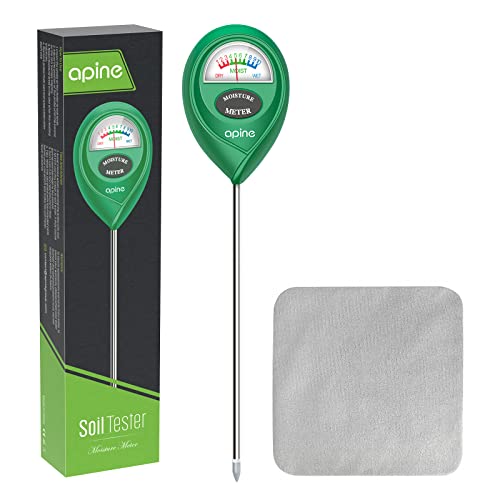
The apine Soil Moisture Meter is a manual soil moisture tester for indoor and outdoor plants. It is intended to help gardeners decide when soil may need watering, making it a practical choice for beginners, container gardeners, older gardeners, and homeowners who prefer a simple tool over a battery-powered device.
Based on the listed features, the meter is designed for quick checks. Insert the probe about two to four inches into the soil, wait a few seconds, and read the color-coded dial. This can provide a useful moisture check before watering, helping gardeners avoid relying only on the appearance of the soil surface.
The meter uses a single needle and has no battery, charging port, or electronic controls. Its listed dimensions are 10.24 by 2.28 by 1.5 inches, and its listed weight is 0.02 pounds. A wiping cloth is included, and the product information recommends cleaning the probe before use to support sensitivity and reading consistency.
This tool may be useful for houseplant containers, patio pots, garden beds, and other planting areas where moisture can vary below the surface. The two- to four-inch testing depth is especially relevant when the top layer looks dry but the root-area soil may still retain moisture.
There are important usage limits. The meter is designed for soil, not water or other liquids, and the manufacturer says it is not suitable for fluffy soil. Remove it after testing and wipe the probe clean. Gardeners who need measurements for loose potting mixes, liquid solutions, or more advanced electronic features may prefer a different type of moisture meter.
Best For / Avoid If
Best for buyers prioritizing
- Simple, battery-free operation is accessible for beginners and older gardeners.
- Provides a fast way to check soil moisture before watering.
- Single-probe design may help limit disturbance around plant roots.
Consider another option if
- It is intended for soil only and should not be used to test water or other liquids.
- The manufacturer says it is not suitable for fluffy soil, which limits use in some loose planting mixes.
- The probe should be wiped before and after use, adding a small maintenance step.
Pros
- Continuous, leave-in monitoring is convenient for routine plant care.
- Simple color changes are easy for beginners to interpret.
- Compact size fits small pots and tabletop plant arrangements.
- Each stick is listed to last approximately 6 to 9 months before its core needs attention.
Cons
- The small format may be less suitable for larger containers or plants with deeper root systems.
- The color indicator does not provide a numeric moisture measurement.
- Refillable cores will require periodic replacement, depending on use.
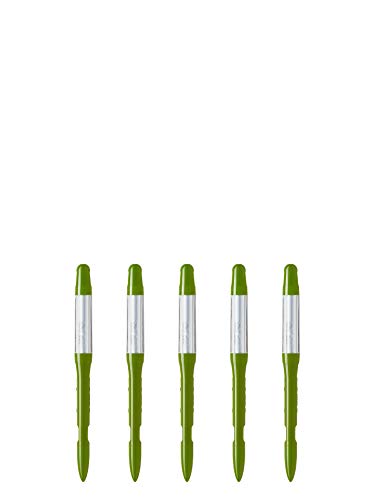
The Sustee Aquameter is a small, leave-in soil moisture sensor for houseplants and compact containers. This set includes five green watering sticks intended for 2-, 2.5-, and 3-inch pots, with the product information identifying small succulents as a particularly suitable use.
Its main benefit is a straightforward visual indication of watering status. The indicator changes color depending on the soil conditions, with white indicating that the plant needs watering and blue indicating that it has been watered. This can make routine checks easier for beginners who are still learning how quickly different small pots dry out.
Based on the listed dimensions, each stick is approximately 4.7 inches long and has a narrow profile suited to small containers. The leave-in design means gardeners can keep the sensor in the soil for ongoing observation rather than inserting and removing a meter for each check. The set does not require assembly according to the supplied information, and each stick uses a refillable replacement core.
These sensors may be useful on a windowsill, desk, shelf, or small indoor plant collection where several compact pots need regular attention. Having five sticks allows monitoring across multiple containers, while the small format is less likely to overwhelm the appearance or usable space of a tiny succulent pot.
The main limitation is fit. The small design is intended for 2-, 2.5-, and 3-inch pots, so gardeners with larger containers may prefer a moisture tool designed for deeper or wider planting areas. The indicator is also a simple color guide rather than a numeric reading, and the refillable core for each stick is listed to last approximately 6 to 9 months. Overall, this is a practical option for beginners and indoor gardeners who want an uncomplicated reminder for watering small potted plants.
Best For / Avoid If
Best for buyers prioritizing
- Continuous, leave-in monitoring is convenient for routine plant care.
- Simple color changes are easy for beginners to interpret.
- Compact size fits small pots and tabletop plant arrangements.
Consider another option if
- The small format may be less suitable for larger containers or plants with deeper root systems.
- The color indicator does not provide a numeric moisture measurement.
- Refillable cores will require periodic replacement, depending on use.
Best Soil Moisture Meter For Potted Plants Buying Guide
What type of moisture meter is best for potted plants?
The products reviewed fall into three useful groups. Simple single-probe dial meters are designed mainly for checking moisture when needed. Multi-function testers add readings for pH, light, or nutrients. The Sustee Aquameter uses a leave-in color indicator for ongoing monitoring in small pots.
A dial meter is a straightforward choice if watering decisions are your main concern. A multi-function model may suit gardeners who also want soil pH or light information, while a leave-in sensor can be convenient for small succulents and gardeners who prefer not to insert and remove a probe at every check.
Choose between single-probe and dual-probe designs
Single-probe models in this selection include the Antonki, Jxikatx, Zoiydals, Raintrip, UNIWA, and Hathdia meters. Their listed features emphasize simpler insertion and less soil disturbance. The Antonki, Jxikatx, and Zoiydals products specifically describe a single probe as a root-friendly design.
The Pexio PretiHom tester uses a dual-probe design and provides moisture, pH, and light modes. Its available instructions say to insert the probes 4 to 5 inches into soft soil. Probe style is not automatically better or worse, but it does affect how you position the meter around roots and how carefully you should insert it.
Look for a display you can read comfortably
Large, color-coded dials are useful for beginners because they provide a quick dry, moist, or wet reference. The Antonki and Zoiydals meters list three color-coded moisture zones and 10 scales. The UNIWA and Hathdia meters also list clear pointer displays with large or easy-to-read markings.
For gardeners who prefer to avoid bending or squatting, the Jxikatx has a top-facing display, while the Raintrip has a 90-degree rotating dial. These features may make readings easier to view while standing, although the product data does not provide a measurement of display size or viewing angle beyond those descriptions.
Consider whether extra soil readings are useful
The VIVOSUN and Pexio PretiHom meters combine moisture testing with pH and light readings. VIVOSUN lists a moisture range of 1 to 10, a light range of 0 to 2000, and a pH range of 3.5 to 8. The Pexio PretiHom tester offers moisture, pH, and sunlight modes but does not list numerical ranges in our comparison.
Raintrip adds a fourth function for nutrients alongside moisture, pH, and light. Extra modes can be useful if you want several basic observations in one tool, but they also add controls and readings that may not be necessary when your only question is whether a pot needs water.
Match the meter to pot size and plant spacing
Probe reach matters when a pot is deep or the plant has a larger root zone. Antonki and Hathdia list 7.6-inch probes, and the Pexio PretiHom instructions recommend a testing depth of 4 to 5 inches. Jxikatx is listed for houseplants, greenhouses, gardens, lawns, farms, and large potted plants.
The Sustee Aquameter is a more specialized option. Its small 4.7-inch sticks are intended for 2-, 2.5-, and 3-inch pots and are described as ideal for small succulents. For larger containers, a removable probe gives you more flexibility to check different areas of the soil.
Battery-free operation is convenient for routine checks
All of the listed meters emphasize battery-free operation or use a passive color indicator. That means there is no battery compartment, charging routine, or risk of a dead battery preventing a quick check. The VIVOSUN, Pexio PretiHom, Antonki, Jxikatx, Zoiydals, UNIWA, and Hathdia products are described as plug-in-and-read or no-battery tools.
Battery-free does not mean maintenance-free. Probe meters still need to be used in soil rather than water or other liquids, and several listings recommend wiping the probe after each use. Follow the specific instructions available with the meter you choose.
Think about accessibility and small-space use
For small apartments, windowsill collections, and crowded plant shelves, compact meters are easier to store and move from pot to pot. UNIWA describes its meter as compact and portable, while VIVOSUN lists a 10.8-inch overall length. The Antonki two-pack may be useful when checking two plants at once.
Older gardeners or anyone with back discomfort may prefer the Jxikatx top-facing display or Raintrip rotating dial because the listed designs are intended to reduce the need to bend or squat while reading. A simple large dial, such as the one described for Zoiydals or Antonki, may also be easier to interpret than a display with several operating modes.
Use and store a soil moisture meter carefully
Insert a removable probe into soft soil near the root zone, avoiding rocks and hard material. Do not force the probe into compacted soil, and do not use these meters to test water or other liquids. The available product information repeatedly gives this warning, so it should be treated as a basic safety and care rule.
After use, wipe metal probes clean and remove the meter from the soil unless the product is specifically designed to remain in place. UNIWA instructions say not to leave its meter inserted for a long time, while Sustee is specifically designed as a leave-in sensor. Store removable meters in a dry location where the probe will not be bent or damaged.
Product Notes and Best Uses
Pexio PretiHom Soil Moisture Meter: Overall Pick
The Pexio PretiHom is a 3-in-1 soil tester for moisture, pH, and sunlight. Its available instructions call for inserting the dual probes 4 to 5 inches into soft soil, then selecting the desired mode. It is listed for indoor plants, flower pots, lawns, gardens, greenhouses, and outdoor planting.
This is a practical fit for gardeners who want more than a moisture reading without buying separate tools. The tradeoff is that the dual-probe design may require more care around roots than a single-probe meter, and the listing does not provide numerical ranges for its readings.
VIVOSUN Plant Soil Moisture Meter: Beginner Pick
VIVOSUN combines moisture, light, and pH testing with one-button mode selection. The listed ranges are moisture 1 to 10, light 0 to 2000, and pH 3.5 to 8. Its 10.8-inch length and battery-free plug-and-read operation make it a versatile option for indoor and outdoor gardening.
Choose it if you want numerical ranges and three basic soil-care functions in one compact tool. Gardeners who only want a quick moisture check may prefer a simpler dial with fewer controls.
Antonki 2 Pack Soil Moisture Meter: Small-Space Pick
The Antonki package includes two single-probe, battery-free meters. Each has a color-coded dial with dry, moist, and wet zones, a 10-scale display, and a listed 7.6-inch probe. The product information says the meters can be used indoors and outdoors and that the packaging includes a watering guide.
The two-pack is convenient for checking two plants or keeping one meter in separate areas of a home. Its main limitation is that it is focused on moisture rather than additional pH or light readings.
Jxikatx Soil Moisture Meter: Accessible Choice
Jxikatx uses a single probe and a top-facing display intended for comfortable viewing without bending down. The listing describes immediate readings, battery-free operation, and use with houseplants, greenhouses, gardens, lawns, farms, and large potted plants.
This meter stands out for gardeners who value display position and a simple moisture-focused tool. It still requires soft soil, careful insertion around stones, and probe cleaning after use.
Zoiydals Soil Moisture Meter: Budget Pick
Zoiydals is a simple, battery-free moisture meter with a large dial, three moisture zones, and 10 scales. The single probe is described as minimizing root disturbance, and the product is listed for potted plants, gardens, farms, lawns, and indoor or outdoor use.
At the listed price of $6.29, it is a straightforward choice for beginners who want an inexpensive moisture-only tool. It is not intended for hard or rocky soil, and it does not add pH, light, or nutrient measurements.
Sustee Aquameter Set of 5: Leave-In Sensor Pick
The Sustee Aquameter is a set of five small leave-in soil moisture sensors. The color indicator changes according to the listed moisture status, with white indicating that watering is needed and blue indicating the plant has been watered. Each stick is described as refillable and lasting approximately 6 to 9 months.
This is the most specialized choice in the group. It is intended for 2-, 2.5-, and 3-inch pots and is listed as ideal for small succulents, so gardeners with larger containers may prefer a removable probe.
Raintrip 4-in-1 Soil Tester: Multi-Function Pick
Raintrip combines moisture, pH, nutrients, and light testing in one no-battery tool. Its 90-degree rotating dial is designed to reduce bending or squatting, and the listing says it provides readings after insertion deeper than 4 inches. The product is intended for garden and mixed soils.
It suits gardeners who want the widest set of listed measurements and a more adjustable display. The available information notes that it may not work effectively in loose soils, so it may be less suitable for very loose potting mixes.
UNIWA Soil Moisture Meter: Easy-Setup Pick
UNIWA offers a compact, battery-free moisture meter with a pointer dashboard and large numbers. The available data describes indoor and outdoor use, a portable design, and a ladybug shape that may appeal to children or gardeners looking for a giftable tool.
It is a reasonable choice for container plants when you want a quick, simple reading. The listing also includes a warning to avoid hard objects, liquids, and prolonged insertion, so routine cleaning and careful handling are important.
UNIWA Soil Moisture Meter Plant Moisture Meter: Alternate UNIWA Option
This UNIWA model has the same listed core functions as the other UNIWA entry: a battery-free moisture meter with a clear pointer dashboard, compact design, and use for indoor or outdoor plants. Its available price is $12.99 and its listed rating is 4.6/5 with 0 reviews.
It may suit shoppers who prefer this specific UNIWA listing or its product presentation. Compared with the lower-priced UNIWA option, the available data does not identify a different measurement function, so the choice should be based on the current listing details and price.
Hathdia Soil Moisture Meter: Deep-Pot Pick
Hathdia is a single-probe, battery-free meter with a listed 7.6-inch probe. Its pointer is designed to show a reading immediately after insertion to the plant root level, and the listing names potted plants, gardens, farms, lawns, and indoor or outdoor use.
This model is a useful fit when a longer probe is important for larger pots. It is moisture-only, and the available instructions say to avoid stones, keep it out of liquids, and wipe the probe after each use.