


Cold weather changes the biological rhythm of any backyard pile, leaving many home gardeners wondering how to compost in winter without ending up with a frozen, stagnant mound of food scraps. When outdoor temperatures drop below freezing, the beneficial bacteria, actinomycetes, and fungi that break down organic matter naturally slow their metabolic activity. Without a clear cold-weather strategy, your winter kitchen trimmings can pile up, freeze solid, and create an unmanageable, soggy mess once spring arrives.
This guide is designed for home growers, suburban gardeners, and small-space homesteaders who want to maintain continuous waste reduction and soil building year-round. Although 0 specific commercial products were supplied for ranking in this edition, we have compiled practical evaluation criteria based on container insulation, pile volume, airflow regulation, and indoor diversion techniques. Discovering how to compost in winter is primarily about managing thermal mass and moisture rather than purchasing complex machinery, though choosing the right outdoor bin or indoor containment makes the chore vastly more comfortable.
To explore more ways to enrich your soil structure and handle organic matter across every season, browse our practical guides in Compost, Soil & Mulch. In the sections below, we break down biological heating fundamentals, winter troubleshooting tips, and how to configure your system so that spring melting yields rich, usable humus instead of foul odors.
Understanding Cold-Weather Microbial Biology
Composting relies on microbial populations that thrive within distinct temperature zones. In active summer piles, thermophilic bacteria generate heat up to 130 to 160 degrees Fahrenheit. As autumn transitions into hard freezes, these heat-loving organisms go dormant, leaving psychrophilic (cold-tolerant) microbes to handle decomposition between 32 and 55 degrees Fahrenheit. Psychrophiles operate at a markedly slower pace, which means volume reduction takes significantly longer in January than it does in July.
Recognizing this biological shift prevents unrealistic expectations. Your winter compost does not need to steam constantly to remain successful. Even if the pile freezes solid during extended sub-zero cold snaps, the cellular structure of frozen kitchen scraps ruptures during freeze-thaw cycles. When temperatures rise in early spring, those ruptured cells break down rapidly, jump-starting biological activity long before your first garden plantings.
The Role of Critical Thermal Mass
Thermal retention in an open garden pile depends directly on volume. A heap smaller than three feet by three feet by three feet (one cubic yard) lacks the bulk required to self-insulate against freezing winds and frigid ground temperatures. Cold air penetrates thin perimeters quickly, bringing core temperatures down to ambient levels.
If you maintain an open pile or slatted wooden bin, build your mass before the ground freezes. Consolidate autumn leaves, finished mulch, and garden residues into a dense core. The outer layer serves as sacrificial insulation, protecting the central pocket where cold-tolerant organisms continue to function. Gardeners operating with smaller tumbler systems should note that suspended metal or plastic drums lose heat from all sides, making supplementary insulation essential once sub-freezing weather sets in.
Insulating Outdoor Bins and Tumblers
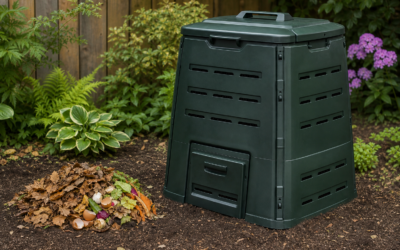
You can dramatically extend microbial activity in outdoor systems by applying exterior insulation before heavy snow arrives. For enclosed plastic bins, surrounding the walls with straw bales, thick bags of dry autumn leaves, or heavy burlap sacks creates a reliable buffer against wind chill. Bales stacked snugly against the bin exterior can keep the interior core several degrees warmer than the surrounding ambient air.
For elevated tumblers, avoid leaving the barrel exposed to freezing undercarriage airflow. Placing a tarp over the unit or wrapping the drum in heavy-duty bubble wrap or insulated moving blankets traps residual biological heat. However, always ensure top air vents remain clear of ice blockages to prevent anaerobic pockets from developing inside the drum.
Balancing Carbon and Nitrogen in Sub-Zero Climates
The standard 30 to 1 carbon-to-nitrogen ratio remains critical during cold months, but carbon management requires extra planning. Wet kitchen waste consisting of fruit peels, vegetable ends, and coffee grounds delivers dense nitrogen. Without adequate carbon, these moisture-heavy greens freeze into a solid icy block that turns slimy and foul upon thawing.
Store dry leaves, shredded cardboard, or sawdust in lidded dry storage bins near your outdoor compost area before winter begins. When adding wet food scraps, always bury them beneath a two-inch to four-inch protective cap of coarse brown material. Pre-shredding coarse branches or stalks using the best compost shredder for garden waste creates an absorbent, fibrous carbon base that resists compaction when covered with snow.
Winter Moisture and Aeration Rules
Winter piles rarely dry out because evaporation drops near zero. Excessive moisture is actually the primary enemy of winter composting. When kitchen scraps release water and melting snow seeps into the pile, water displaces oxygen in pore spaces. Once pore spaces fill with ice or stagnant liquid, anaerobic conditions take over, resulting in unpleasant odors once temperatures warm.
Resist the urge to turn your outdoor compost during freezing weather. Turning an active winter pile releases precious core heat and introduces freezing air directly into the dormant microbial center. Instead of heavy turning, insert an aerating spear or a garden fork to create vertical chimney holes without flipping the layers, preserving internal warmth while allowing oxygen circulation.
| Compost System | Winter Advantage | Main Challenge | Key Cold-Weather Action |
|---|---|---|---|
| Standard Plastic Bin | Retains moisture, sits on ground warmth | Slow decomposition in deep freezes | Insulate sides with straw bales or leaf bags |
| Elevated Tumbler | Easy turning, rodent-resistant off ground | Rapid heat loss on all exterior surfaces | Wrap drum exterior, leave top vents unblocked |
| Open Wire or Wooden Bay | Accommodates large mass (over 1 cubic yard) | Exposed to snow melt and wind penetration | Cover top with heavy tarp; add perimeter insulation |
| Indoor Countertop Bin | No cold exposure, accessible convenience | Limited capacity, odor if neglected | Collect scraps indoors, transfer in bulk |
Indoor Holding and Pre-Composting Alternatives
Trekking across icy paths in freezing temperatures discourages consistent composting habits. Utilizing an intermediate holding station inside your home keeps food scraps out of the trash without requiring daily trips into the yard. A dedicated system like the best indoor compost bin for odor control sits comfortably on a kitchen counter or under the sink, holding several days of trimmings behind activated charcoal filters.
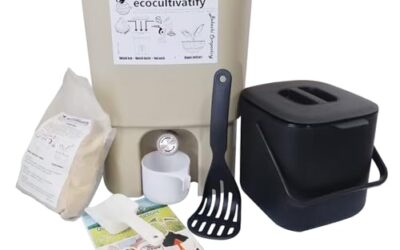
For gardeners looking to process food waste completely indoors during deep winter, anaerobic fermentation offers a mess-free alternative. Employing the best bokashi composting kit for beginners ferments food scraps, including dairy and cooked leftovers, in airtight containers. Once spring arrives and the ground thaws, the fermented matter can be buried directly in garden beds or added to an active compost pile where it breaks down into finished soil within two weeks.
Spring Thaw Preparation and Screening
When the first sustained warm period arrives in March or April, your winter compost will undergo a dramatic transition. As internal ice melts, the pile will settle and release excess liquid. This is the moment to intervene. Aerate the pile thoroughly by turning the outside edges into the warm center, blending accumulated kitchen scraps with the preserved carbon layers.
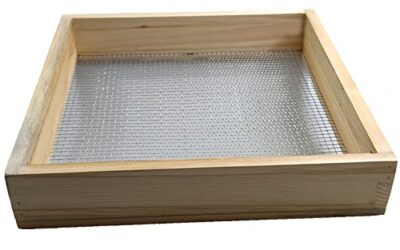
If you notice overly saturated pockets or sour odors, incorporate dry shredded leaves or sawdust immediately to reintroduce oxygen. Once the pile completes its rapid spring heat-up and settles into dark, crumbly matter, process the finished compost through the best compost sifter for large batches to separate chunky, uncomposted winter twigs from fine, nutrient-rich topdressing for your garden beds.
Research Methodology and Trust
At Dove Creek Gardens, our editorial team evaluates gardening tools and waste management methods through structured, evidence-based research rather than subjective guesswork. We analyze manufacturer technical specifications, material durability under sub-zero conditions, thermal barrier properties, and real-world owner experiences across multiple climate zones. We do not claim hands-on laboratory testing where observational and technical analysis provides the underlying evidence.
For this September 2026 update on how to compost in winter, our review process screened available composting equipment against realistic cold-weather demands: wall thickness, latch durability when iced over, vent adjustability, structural stability under heavy snow loads, and ergonomic ease for gardeners wearing heavy gloves. Because no commercial unit matched this category cleanly, we refrained from manufacturing artificial product rankings. Instead, we focused our guidance on universal horticultural principles and mechanical features that ensure successful winter waste processing.
Frequently Asked Questions About Winter Composting
Will my compost pile stop working completely when it freezes?
Biological activity pauses when moisture inside the pile freezes solid, but decomposition has not failed permanently. The freeze-thaw cycles help break down tough cellular membranes in vegetable scraps. Once ambient temperatures rise above freezing in spring, microbial colonies repopulate quickly and digest the pre-softened material at an accelerated pace.
Should I continue adding kitchen scraps to my bin during winter?
Yes, you can continue depositing kitchen scraps all winter long provided you balance them with dry carbon materials like leaves or shredded cardboard. Layering browns over fresh scraps prevents an icy, foul-smelling crust from forming at the surface and ensures the materials are positioned for immediate breakdown during the spring thaw.
How do I prevent my compost bin lid from freezing shut?
Moisture often collects along bin rim grooves and freezes, locking plastic lids tight. You can apply a light coat of vegetable oil or food-grade silicone spray along the lip seal in late autumn. Alternatively, placing a weighted wooden board over the opening or resting a folded burlap sack beneath the lid rim prevents direct frost welding.
Can I turn my compost tumbler when the contents are frozen?
Avoid forcing a frozen compost tumbler to rotate. Ice chunks can freeze against the central mixing bar or drum walls, creating severe mechanical strain that can crack plastic shells or bend steel support frames. Wait for an unseasonably warm day when internal ice loosens naturally before rotating the drum.
Does winter composting attract more rodents and wildlife?
Winter food scarcity makes backyard compost bins particularly tempting for mice, rats, and raccoons seeking warmth and sustenance. To deter wildlife, avoid adding meat, oils, or cooked grains, keep your bin base secured with quarter-inch galvanized hardware cloth, and always bury fresh kitchen scraps beneath a substantial cap of dry leaves or finished compost.
Where should I position my compost bin for winter use?
Place your bin in a spot that receives maximum southern or western winter sunlight and protection from prevailing cold winds, such as beside a garage or garden shed. Equally important, ensure the bin is located close enough to your back door so you can safely access it along a shoveled path during heavy snowstorms.
Continue your garden research
Browse more practical guides in Compost, Soil & Mulch.
For product comparisons, see Best Compost Bin For Small Backyard 2026: Reviews and Buying Guide.
See how Dove Creek Gardens researches and compares products.