

Compost can take longer than expected when scraps stay in large pieces, the pile lacks air, or moisture is out of balance. The useful fix is usually better pile management, not a special additive. This guide helps beginner gardeners and homeowners identify what is slowing decomposition and choose manageable adjustments.
This guide focuses on practical methods rather than ranking specific products. For faster progress, manage four basics: material size, the balance of fresh nitrogen-rich material and dry carbon-rich material, moisture, and airflow. Your climate, available yard space, and willingness to turn the pile also affect which routine makes sense.
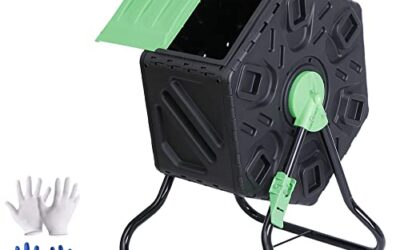
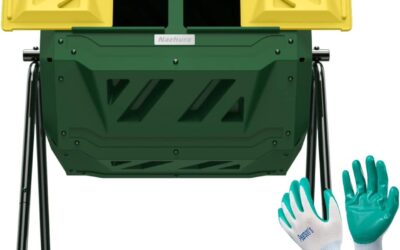
If limited room shapes your setup, compare the operating tradeoffs in our guide to compost tumblers for small spaces. A tumbler may make mixing easier, but it cannot correct unsuitable ingredients or poor moisture management by itself.
1. Chop or shred materials before adding them
Smaller pieces expose more surface area to decomposers, so leaves, soft stems, and vegetable scraps can break down more readily than large intact pieces. Chop bulky garden trimmings and tear or cut kitchen scraps before adding them. A shovel or pruning tool can reduce suitable material, but avoid putting in branches or woody pieces that your setup cannot process.
Do not spend time making every piece tiny. Focus on bulky, slow-breaking material first. If preparation becomes a chore, use a simpler routine and accept a longer cycle rather than adding more work than you can sustain.
2. Balance fresh greens with dry browns
Greens include fresh plant material and many kitchen scraps. Browns include dry leaves, shredded untreated paper, and similar dry plant matter. Greens contribute nitrogen; browns contribute carbon and help create structure. A pile dominated by wet scraps may become dense and unpleasant, while a pile made mostly of dry leaves can decompose slowly.
Add dry brown material whenever fresh scraps make the mix wet or compacted. If the pile looks dry and contains mostly leaves or straw, mix in suitable fresh greens. No single ratio works perfectly for every mix, so use appearance and feel as practical signals rather than chasing a precise measurement.
3. Keep moisture evenly damp
Compost organisms need moisture, but a waterlogged pile has less air space. A dry pile can also slow decomposition. Check moisture inside the pile, not only on its exposed surface. If material feels dry, add water gradually while mixing. If it is soggy or dripping, blend in dry browns and improve drainage or airflow where possible.
Rain and seasonal weather can change moisture quickly. In a small yard, place the bin where it is convenient to monitor and where water does not collect around it. Follow the bin maker’s instructions for drainage and placement.
4. Turn or mix the pile when it needs air
Turning redistributes material and introduces air. If the pile is compacted, has a sour or rotten smell, or stays wet, mixing it and adding dry, coarse browns may help restore airflow. A fork can work for an accessible pile; a tumbler can reduce the need to lift and fork material, though turning still requires effort.
Frequent turning is not mandatory for every gardener. It can support an actively managed pile, but a low-maintenance pile can still mature with less intervention. Choose a schedule you can maintain, and avoid turning solely for the sake of turning when the mix already has good structure and airflow.
5. Choose ingredients your compost setup can handle
Use plant-based materials appropriate for your composting method. Avoid adding meat, dairy, fats, or pet waste to an ordinary backyard pile because they can attract pests or create odor problems. Diseased plants and weeds with mature seeds may also be unsuitable for a cool, inconsistently managed pile.
When unsure, leave questionable material out and check guidance from your local extension service or waste program. A well-managed mix of suitable ingredients is more useful than adding materials that require conditions your pile may not reach.
6. Match the method to your space and access needs
A larger pile can hold warmth more consistently than a very small one, but it also needs room and may be harder to turn. A compact bin fits tight yards but may have less capacity for bulky leaves. A tumbler can simplify mixing for some users, while loading and unloading still involve handling material. Consider reach, grip, lifting, and the path to the compost area before choosing a setup.
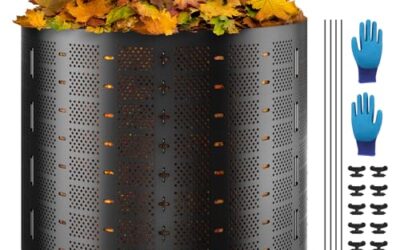
For leaf-heavy gardens, see our guide to leaf composting bins. Keep a dry supply of leaves nearby when possible, so wet kitchen scraps have suitable browns to mix with.
7. Avoid common shortcuts that slow the process
Adding extra water, piling in scraps without mixing, or relying on a starter product does not fix a pile that is compacted, too wet, or dominated by one material. Diagnose the condition first. Add browns to wet material, water dry material gradually, and mix dense sections to restore air.
Do not judge readiness by a fixed calendar. Material type, piece size, weather, moisture, and turning frequency all affect the time needed. Finished compost is generally dark and crumbly, with the original ingredients mostly unrecognizable. Let unfinished material continue breaking down before using it where it could interfere with planting.
8. Maintain the setup and store tools sensibly
Check the pile regularly for dry pockets, standing water, compaction, and unwanted odors. Keep tools clean and store them in a dry, accessible place. For bins and tumblers, inspect moving parts and follow manufacturer care instructions. Clear access around the setup so adding material or turning the mix does not become a difficult task.
Wear gloves when handling compost and wash hands afterward. Use tools as directed, keep blades or tines pointed away from your body, and avoid lifting loads that exceed your comfort or ability. Ask for help with heavy or awkward material when needed.
Research Methodology and Trust
Our guidance evaluates composting around the factors that most directly affect routine management: ingredient size, carbon and nitrogen balance, moisture, airflow, pile capacity, and how easily a gardener can mix or access material. We also consider yard size, physical effort, upkeep, and whether a method fits a gardener’s available time.
We compare setup types by their practical tradeoffs rather than treating one bin style as right for every home. A tumbler may suit someone who values contained storage and easier rotation; an open or stationary setup may better suit someone handling larger amounts of yard waste. Neither choice removes the need to manage the compost mix.
Guidance is reviewed for the needs of home gardeners and updated during November 2026 as recommendations and relevant product information change. For additional background, browse our Compost, Soil & Mulch guides.
Frequently Asked Questions
What can I add to compost to help it break down faster?
Use a balanced mix of fresh greens and dry browns, and chop bulky materials into smaller pieces. Adjust moisture and airflow before adding a purchased amendment.
How often should I turn a compost pile?
Turn it when material is compacted, poorly aerated, or unevenly mixed. A regular routine can help an actively managed pile, but frequent turning is not essential for every setup.
How wet should compost be?
Aim for material that feels evenly damp, not dry or waterlogged. Add water gradually to dry compost, or mix in dry browns if the pile is soggy.
Is a compost tumbler faster than a stationary bin?
A tumbler makes mixing possible by rotating the container, but speed also depends on materials, moisture, airflow, and management. Compare capacity, access, and the effort required to load and unload before choosing.
Why does my compost smell bad?
A strong unpleasant odor can indicate excess moisture, compaction, or too much fresh material without enough dry browns. Mix in dry material and improve airflow, then check whether water is draining properly.
Can I compost in a small backyard?
Yes. A compact bin or tumbler can suit limited space, but choose capacity based on how much material your household produces. Leave enough room to load, mix, and remove compost comfortably.