


Autumn brings an abundance of deciduous foliage that many homeowners view as lawn debris, yet these dropped leaves represent one of the most valuable soil conditioners available to a home gardener. When handled correctly, autumn leaves supply essential carbon that balances nitrogen-rich kitchen scraps and green garden trimmings, yielding dark, crumbly organic matter that enriches garden beds for the next growing season. Understanding how to compost fall leaves allows you to reduce municipal yard waste while building healthier soil structure without spending money on commercial conditioners.
Whether you manage a sprawling suburban lawn lined with mature oak trees, a modest urban garden with a single maple, or a patio setup using raised planters, leaf management requires a thoughtful approach. In evaluating this seasonal workflow, Dove Creek Gardens reviewed the available product catalog and assessed 0 specific tools against baseline durability, operational ease, and efficiency standards. Understanding the mechanics of leaf breakdown, processing requirements, and pile maintenance is what ensures your backyard composting effort succeeds.
Transforming autumn debris into finished compost depends on proper particle sizing, aeration, moisture balance, and the correct brown-to-green ratio. Gardeners exploring wider soil health techniques can review our broader coverage in Compost, Soil & Mulch to complement their seasonal routine.
The Importance of Particle Reduction and Shredding
Whole, intact autumn leaves have a broad surface area and naturally form dense, impermeable mats when exposed to moisture and rain. This matting blocks oxygen circulation and sheds rainwater, creating an anaerobic, stagnant barrier where decomposition grinds to a halt. Deciduous leaves from tough species like pin oak, sycamore, and magnolia can take two or more years to break down if left whole.
Running leaves through a mulching mower, dedicated leaf shredder, or string trimmer inside a large bin cuts them into irregular dime-sized flakes. This mechanical shredding increases the surface area exposed to beneficial soil microbes by up to tenfold. Gardeners managing thick brush and branches alongside leaf litter may want to explore our guide to the best compost shredder for garden waste to assess mechanical throughput and safety features.
Balancing Carbon and Nitrogen Ratios
Dry autumn leaves are classified as carbon-heavy browns, often possessing a carbon-to-nitrogen ratio between 40:1 and 80:1 depending on the tree species. Active biological decomposition requires a balanced pile ratio of approximately 25:1 to 30:1. If you pile shredded leaves without adding nitrogen, decomposition proceeds very slowly through cold fungal activity rather than warm bacterial breakdown.
To accelerate thermal decomposition, layer shredded leaves with fresh nitrogen-rich materials, commonly termed greens. Ideal nitrogen sources include fresh grass clippings, green pruning waste, vegetable trimmings, coffee grounds, and seasoned livestock manure. As a practical baseline, construct your pile with approximately three parts shredded leaves to one part fresh green material by volume.
Moisture Management and Aeration Requirements
Microorganisms responsible for aerobic decomposition require adequate moisture and continuous oxygen to thrive. A leaf pile should feel like a wrung-out sponge, holding between 40 and 60 percent moisture content. If you squeeze a handful of the composting material, it should hold together in a clump without dripping excess water.
Dry autumn leaves easily shed water on the outer perimeter while remaining completely dry on the interior. To remedy this, mist leaves lightly as you add them to the pile or bin. Periodically turning the pile with a garden fork or compost aerator reintroduces oxygen and moves un-decomposed outer foliage toward the warmer center core.
Composting Enclosures versus Open Piles
Selecting between an open pile, a wire containment corral, or an enclosed stationary bin depends on yard size, local municipal ordinances, and physical accessibility. An open pile measuring at least 3 feet wide by 3 feet high holds internal heat effectively, making it suitable for large suburban lots. However, open heaps are vulnerable to wind dispersion and can look untidy to neighboring properties.
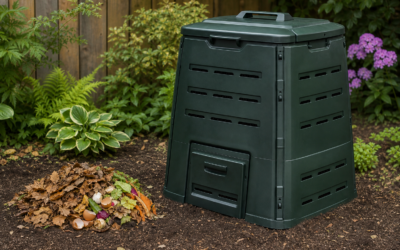
Enclosed plastic bins and cylindrical wire rings provide neat containment while holding heat and moisture during cooler autumn nights. For small backyards, an enclosed setup prevents domestic pets or curious wildlife from disturbing active layers. Bins with top-loading lids and bottom harvesting doors simplify ongoing management for gardeners who prioritize ergonomic handling.
Evaluating Leaf Mold as a Low-Effort Alternative
If you lack sufficient nitrogen sources or prefer a hands-off approach, producing leaf mold is an excellent alternative to standard hot composting. Leaf mold is the dark, earthy crumb created solely through slow fungal decomposition of shredded leaves without supplemental greens. While traditional composting generates heat to kill weed seeds in a matter of months, leaf mold operates cold and requires twelve to twenty-four months.
To produce leaf mold, pack shredded, moistened leaves into simple wire cages or sturdy burlap bags and leave them in a shaded corner of your yard. The resulting material has a mild pH and an outstanding water-retention capacity, making it one of the finest natural soil conditioners for amending potting mixes and raised beds.
Harvesting, Screening, and Finishing Finished Compost
Compost derived from autumn leaves is ready when it turns a uniform dark brown, smells like a healthy forest floor, and no longer contains recognizable leaf structure. Even well-maintained piles will retain small twigs, acorn shells, and stubborn leaf stems that take longer to degrade. Screening the finished compost before spreading ensures a uniform, professional consistency.
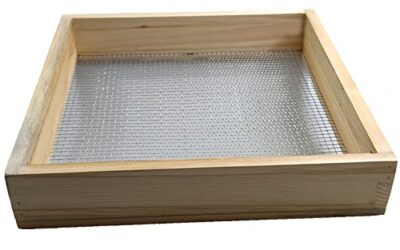
Using a framed quarter-inch or half-inch mesh screen separates unrefined debris from fine, ready-to-use compost. You can read more about selecting sturdy screening equipment in our guide to the best compost sifter for large batches. The coarse leftovers caught in the screen can simply be returned to the new compost heap to serve as microbial inoculant.
Research Methodology and Trust
Dove Creek Gardens approaches gardening guidance through methodical data evaluation and practical horticultural science. For this update in September 2026, we examined the mechanical requirements, composting chemistry, and equipment designs used to process deciduous yard waste. We screen every potential product against strict criteria, including operational capacity, materials durability, spare part availability, and physical accessibility for home gardeners.
Our editorial evaluation cross-references manufacturer technical documentation with extensive owner feedback from verified gardeners managing diverse yard sizes and tree canopy species. We do not claim hands-on physical lab trials when analyzing product catalog availability; instead, our conclusions derive from rigorous comparative analysis, physical capacity assessments, and established biological standards for home composting.
Frequently Asked Questions
Can I compost whole leaves without shredding them first?
While whole leaves will decompose eventually, they tend to form dense, water-repellent mats that block airflow and slow biological breakdown significantly. Shredding leaves before adding them to your pile dramatically increases microbial surface contact and can reduce composting time from two years down to several months.
Which tree leaves should not be added to a compost pile?
Avoid composting large quantities of black walnut leaves due to the presence of juglone, a natural compound that inhibits the growth of nightshades and certain garden plants. Leaves with visible fungal blights, heavy mildew, or pesticide residues should also be discarded rather than composted in standard home piles that may not achieve weed- and pathogen-killing heat.
How wet should shredded fall leaves be during composting?
A properly balanced leaf compost pile should maintain moisture levels resembling a damp, wrung-out sponge. If the leaves are dry and brittle, microbial activity stops completely, whereas waterlogged piles become anaerobic and generate foul odors. Inspect moisture weekly and mist with a hose during dry autumn spells.
How often should I turn a pile of composting leaves?
Turning a pile every two to three weeks during early autumn redistributes moisture and introduces essential oxygen to the center core. Frequent turning is critical if you are hot-composting with added nitrogen sources, whereas a cold fungal leaf mold pile only requires turning once or twice per year.
What can I add to speed up leaf decomposition?
Adding concentrated nitrogen sources provides fuel for the aerobic bacteria that generate pile heat. Fresh grass clippings, green garden waste, kitchen vegetable scraps, and blood meal act as rapid accelerators when blended thoroughly into shredded brown leaves.
Continue your garden research
Browse more practical guides in Compost, Soil & Mulch.
For product comparisons, see Best Compost Bin For Small Backyard 2026: Reviews and Buying Guide.
See how Dove Creek Gardens researches and compares products.