


Compost Bin Worms can make food-scrap recycling easier for homeowners, apartment gardeners, and anyone trying to build a steadier compost routine without managing a large outdoor pile. This guide focuses on worm composting options that fit the Compost, Soil & Mulch category, including tray-style worm bins, in-ground garden bed composters, and red wiggler composting worms.
We compared 18 listed products and screened the available product data for relevance to vermicomposting, garden-bed composting, indoor and outdoor use, capacity, access, setup style, owner ratings, review count, and price range. For more soil-building tools and supplies, you can also browse the Compost, Soil & Mulch section at Dove Creek Gardens.
VermiHut Plus 5-Tray Worm Compost Bin for Compact Indoor and Outdoor Food Scrap Recycling VermiHut Plus 5-Tray Worm Composter for Compact Food Scrap Recycling Uncle Jim's 100-Count Red Wiggler Composting Worms for Turning Food Scraps into Garden Castings TOP XIAN 3-Layer Worm Composter, 50L Vermicomposting Bin for Food Scrap Recycling Prices and availability can change. We may earn a commission from qualifying purchases.


Pros
- Compact vertical layout can make vermicomposting more practical where floor space is limited.
- Moisture and airflow features address two important routine needs for worm composting.
- Integrated liquid collection base simplifies the lower section of the bin and avoids extra base assembly.
Cons
- Its 33-inch height may be less convenient for gardeners who prefer a low-profile composting container or have limited vertical clearance.
- Worm composting still requires suitable food scraps, moisture management, and routine care, so it may not suit gardeners seeking a maintenance-free waste solution.
- The listed specifications do not provide tray capacity or detailed placement guidance, so gardeners should confirm that the dimensions fit their intended location.
The VermiHut Plus is a five-tray worm composting bin for recycling food scraps into organic compost for gardening. Its vertical format and 17 by 17 inch footprint make it particularly relevant for homeowners, patio gardeners, and small-space growers who want a dedicated vermicomposting system without using a broad floor area.
The feature set focuses on maintaining a suitable worm habitat. The built-in V-Board and coconut mat are designed to support airflow and moisture balance, while the product information indicates that composting worms help consume food scraps and reduce odors. These features may make routine vermicomposting more manageable when the bin is supplied with appropriate organic material and kept under suitable conditions.
The system stands 33 inches tall and includes a worm saver tray, an integrated liquid collection base, and protective base feet. The worm saver tray helps prevent worms and compost from dropping into the liquid collection area. Because the collection tray and base are molded as one piece, the lower section is designed to avoid extra assembly and provide a dedicated place to collect excess liquid.
For backyard or patio use, the dark green bin can serve as a compact food-scrap recycling station near a gardening area, utility space, or other suitable indoor or outdoor location. The vertical five-tray arrangement may be useful for gardeners who want to work with stacked composting layers rather than a traditional ground-level pile.
Worm composting is not completely hands-off. Gardeners should monitor moisture, provide appropriate food scraps, and keep the system in a location that accommodates its 33-inch height. The base feet can be used with water to help discourage ants, but placement and routine observation remain important. Overall, this bin is a sensible option for small-space gardeners who want a structured vermicomposting system, while those needing a larger-capacity or lower-profile container may prefer a different design.
Best For / Avoid If
Best for buyers prioritizing
- Compact vertical layout can make vermicomposting more practical where floor space is limited.
- Moisture and airflow features address two important routine needs for worm composting.
- Integrated liquid collection base simplifies the lower section of the bin and avoids extra base assembly.
Consider another option if
- Its 33-inch height may be less convenient for gardeners who prefer a low-profile composting container or have limited vertical clearance.
- Worm composting still requires suitable food scraps, moisture management, and routine care, so it may not suit gardeners seeking a maintenance-free waste solution.
- The listed specifications do not provide tray capacity or detailed placement guidance, so gardeners should confirm that the dimensions fit their intended location.
Pros
- Compact vertical format is designed to make efficient use of available floor space.
- Moisture and airflow features support a more consistent environment for composting worms.
- Worm Saver Tray helps separate solid composting material from the liquid collection area.
Cons
- Gardeners must manage moisture and food inputs carefully because vermicomposting depends on suitable conditions for worms.
- The 17 x 17 x 13-inch size may be less suitable for households seeking a large-volume outdoor composting system.
- The product information does not specify included worms, total capacity, or detailed setup instructions.
The VermiHut Plus is a five-tray worm composter for recycling food scraps with the help of composting worms. Its compact black housing is intended for indoor or outdoor use, making it a practical option for homeowners, patio gardeners, and beginners who want a dedicated vermicomposting system rather than a conventional open compost pile.
The feature set focuses on maintaining a suitable worm environment. The improved lid includes a built-in V-Board and coconut mat to support airflow and moisture balance, while the V-Board is designed to help retain moisture. These details may make routine vermicomposting more manageable, although users still need to monitor conditions and avoid overloading the system with food scraps.
Based on the listed specifications, the bin measures 17 x 17 x 13 inches. Its five-tray layout uses vertical space to provide a compact composting footprint. The Worm Saver Tray helps prevent worms and compost material from falling into the liquid collection area, while also supporting airflow through the system. The listed protective base feet can hold water to help discourage ants from entering.
This composter may work well near a kitchen, on a covered patio, or in another small-space gardening area where food scraps can be collected and managed regularly. It can also suit gardeners who want to produce vermicompost for container plants or other garden areas, but the supplied information does not state the finished compost volume or processing rate.
Routine care will require attention to moisture, airflow, food inputs, and the condition of the trays and collection area. The product information does not identify the included worm supply, materials beyond the listed coconut mat, assembly requirements, or weather-resistance details, so buyers should confirm those points before setup. Overall, it is a space-conscious choice for organized vermicomposting, while gardeners needing high-volume waste processing may prefer a larger system.
Best For / Avoid If
Best for buyers prioritizing
- Compact vertical format is designed to make efficient use of available floor space.
- Moisture and airflow features support a more consistent environment for composting worms.
- Worm Saver Tray helps separate solid composting material from the liquid collection area.
Consider another option if
- Gardeners must manage moisture and food inputs carefully because vermicomposting depends on suitable conditions for worms.
- The 17 x 17 x 13-inch size may be less suitable for households seeking a large-volume outdoor composting system.
- The product information does not specify included worms, total capacity, or detailed setup instructions.
Pros
- Useful for gardeners who want to produce their own worm castings from food scraps.
- A 100-count starter quantity is approachable for beginning a worm-composting project.
- The mixed-species possibility may provide activity across more than one compost layer.
Cons
- The worms require a suitable, prepared composting environment, so they are not a standalone composting solution.
- Gardeners seeking a precisely identified worm species may prefer a product with a guaranteed single-species listing.
- The listed pack size may be less suitable for larger composting systems that need a greater starting population.
Uncle Jim's Worm Farm 100 Count Red Wiggler Composting Worms is a live-worm starter pack intended for vermicomposting, the process of using worms to break down suitable food scraps and organic waste. It is a practical fit for homeowners and beginner gardeners who want to produce worm castings rather than purchase a finished soil amendment.
The product information says the worms come from established worm beds and may include different earthworm species. That diversity is presented as a way to work through more than just the upper compost layer. As the worms consume appropriate waste, they produce castings that can be used as a nutrient-rich material for garden soil, although results depend on the overall composting setup and care.
The package is listed as 100 count with a 0.125-pound weight. No bin, bedding, feeding guide, or other accessories are specified, so buyers should view this as the living starter component rather than a complete worm-farm kit. The worms are listed as raised in the USA by Uncle Jim's Worm Farm.
This pack can work for a small household worm-composting project, a patio setup, or a garden shed system where food scraps are collected for controlled decomposition. It may also suit gardeners who want a source of castings for raised beds, containers, or other garden soil applications, provided they already have an appropriate place to keep the worms.
The main limitation is that live composting worms need a suitable environment and routine care, and those requirements are not detailed in the supplied specifications. Gardeners should also confirm that the intended composting system is appropriate for the worms before ordering. Overall, this is a focused starter option for recycling food scraps into worm castings, while buyers needing a complete setup or a precisely identified single species should consider a different product.
Best For / Avoid If
Best for buyers prioritizing
- Useful for gardeners who want to produce their own worm castings from food scraps.
- A 100-count starter quantity is approachable for beginning a worm-composting project.
- The mixed-species possibility may provide activity across more than one compost layer.
Consider another option if
- The worms require a suitable, prepared composting environment, so they are not a standalone composting solution.
- Gardeners seeking a precisely identified worm species may prefer a product with a guaranteed single-species listing.
- The listed pack size may be less suitable for larger composting systems that need a greater starting population.
Pros
- Generous 50L capacity in a relatively compact three-tray format
- Handles make individual trays easier to lift and manage
- Ventilation and enclosed construction are useful features for small-space vermicomposting
- Includes several basic accessories for getting started
Cons
- Earthworms are not listed among the included accessories, so gardeners may need to source them separately.
- The available information does not specify how much liquid output to expect or how often the faucet needs servicing.
- Gardeners with larger volumes of food waste may need more capacity than this three-tray system provides.
The TOP XIAN 3-Layer Worm Composter is a stackable vermicomposting bin designed to recycle household food scraps into compost. With up to 50L of total capacity, it is aimed at beginners, homeowners, patio gardeners, and anyone who wants a dedicated worm-farming system for indoor or outdoor use.
Its main practical benefit is the combination of multiple reusable trays and a closed, ventilated design. The feature set suggests that gardeners can add scraps and bedding in an organized way while maintaining airflow for decomposition. The listed materials include vegetable peelings, tea leaves, flowers, coffee grounds, and other compost materials.
The bin is listed at 17.7 by 13.7 by 17.5 inches and is made from black PP plastic. Each tray has a carrying handle, which should make removal and routine inspection easier than lifting the complete stack. A faucet at the base provides an outlet for collecting the liquid fertilizer described in the product information.
For a patio, utility area, balcony, or compact backyard station, the enclosed format may be more convenient than an open compost pile. The included coconut bricks, gloves, plastic rake, plastic shovel, and measuring cup provide basic setup and handling items, although earthworms are not listed as part of the package.
Routine use will require adding suitable organic material, maintaining appropriate airflow, and checking the trays and faucet as the system operates. The product information does not provide detailed guidance on worm quantity, liquid collection frequency, or long-term outdoor durability, so gardeners should review the setup instructions and choose a stable location.
This composter is a reasonable choice for gardeners who want a structured, relatively compact way to begin vermicomposting. Those handling a large volume of scraps or seeking detailed operating specifications may prefer a larger system or a model with more clearly documented capacity and maintenance guidance.
Best For / Avoid If
Best for buyers prioritizing
- Generous 50L capacity in a relatively compact three-tray format
- Handles make individual trays easier to lift and manage
- Ventilation and enclosed construction are useful features for small-space vermicomposting
Consider another option if
- Earthworms are not listed among the included accessories, so gardeners may need to source them separately.
- The available information does not specify how much liquid output to expect or how often the faucet needs servicing.
- Gardeners with larger volumes of food waste may need more capacity than this three-tray system provides.

Pros
- Provides a natural way to process food scraps into useful worm castings.
- A large 1000-count pack can support a dedicated home composting project.
- The listed 6 x 7 x 6 inch package size and 0.75 pound weight may be manageable for delivery and setup.
Cons
- The package does not include a listed worm bin, bedding, feeding guide, or other setup accessories.
- Gardeners need to maintain suitable composting conditions and handle live worms, which may not suit every household.
- The product information notes that the mix may contain different earthworm species, so it may be less suitable for buyers seeking only a single verified species.
Uncle Jim's Worm Farm 1000 Count pack is a live composting-worm product centered on red wigglers, with the listed possibility of different earthworm species from established worm beds. Its primary purpose is to help process food scraps and other suitable organic waste into worm castings for garden soil, making it a practical option for homeowners and small-space gardeners interested in vermicomposting.
The main gardening benefit is nutrient recycling. As the worms consume suitable scraps, the resulting castings can be used as a soil amendment. The product information describes castings as substantially richer in phosphates, nitrogen, and potash than average lawn soil, although those figures should be treated as listed product claims rather than a guarantee for every batch or garden.
The specifications identify a 1000-count size, brown color, 6 x 7 x 6 inch dimensions, and a listed weight of 0.75 pounds. No bin, bedding, feeding instructions, drainage system, or other accessories are specified, so buyers should expect to provide an appropriate worm-composting setup and confirm the care requirements before adding the worms.
This pack could suit a kitchen-scrap composting station, a backyard worm bin, or a compact gardening project where finished castings can be added to containers, raised beds, or general garden soil. The product title also identifies fishing as a possible use, but gardeners primarily seeking soil improvement will get the most direct value from its composting purpose.
Live worms require suitable conditions and routine care, so this is not a set-and-forget soil product. Keep the worms in an appropriate composting environment and avoid assuming that the listed nutrient comparisons will replace soil testing or other garden management. Overall, it is a reasonable choice for gardeners prepared to maintain a worm composting setup and use the resulting castings, while buyers wanting a ready-to-use amendment or complete bin may prefer a different product.
Best For / Avoid If
Best for buyers prioritizing
- Provides a natural way to process food scraps into useful worm castings.
- A large 1000-count pack can support a dedicated home composting project.
- The listed 6 x 7 x 6 inch package size and 0.75 pound weight may be manageable for delivery and setup.
Consider another option if
- The package does not include a listed worm bin, bedding, feeding guide, or other setup accessories.
- Gardeners need to maintain suitable composting conditions and handle live worms, which may not suit every household.
- The product information notes that the mix may contain different earthworm species, so it may be less suitable for buyers seeking only a single verified species.

Pros
- Complete accessory set includes bedding material, hand tools, a soil meter, and liquid collection components.
- Vertical five-tray design provides useful composting capacity while keeping the footprint relatively compact.
- PP construction and anti-slip feet support a stable setup for routine household composting.
- Ventilated trays and clear waste guidance are designed to help manage odors during normal use.
Cons
- Worms are not included, so the system requires a separate worm purchase before composting can begin.
- Indoor users will need a suitable location and regular attention to accepted food scraps, moisture, and tray conditions.
- Gardeners wanting a simple passive compost bin without worms or multi-tray maintenance may prefer a different design.
The Blütezeit 5-Tray Worm Compost Bin is a vertical vermicomposting system for recycling suitable household food waste with composting worms. Its compact 16.2 by 12.6 by 17 inch footprint makes it relevant for beginners, apartment residents, balcony gardeners, and homeowners who want to process kitchen scraps without dedicating a large outdoor area.
The feature set is focused on controlled worm composting rather than ordinary yard-waste decomposition. Ventilation holes in each tray are intended to promote airflow, while the stacked trays provide separate levels for bedding, worms, and decomposing material. The product information also includes guidance on acceptable waste, which is important for keeping the composting environment balanced.
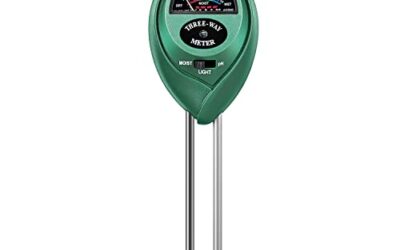
Setup is supported by a coco-coir brick, non-woven fabric, turning fork, shovel, soil meter, and user manual. The soil meter is listed for checking moisture, pH, and light levels, while the anti-slip feet are intended to help keep the bin stable. A spigot and cup provide access for collecting liquid from the lower part of the system, often referred to as worm tea.
This bin could fit in a kitchen, utility area, covered patio, balcony, or garden corner where its vertical layout is useful. The 7-pound listed weight and stackable tray format may make positioning manageable, but users should choose a level location with enough clearance to handle trays and access the spigot during routine care.
Worms are not included, so gardeners must source appropriate composting worms separately. Regular maintenance will still be necessary, including following the waste guidelines, checking conditions, and managing bedding and food scraps. Based on the listed specifications, it is a good match for people who want a guided, accessory-rich worm composting setup, while gardeners seeking a low-maintenance yard-waste bin may want a simpler composting method.
Best For / Avoid If
Best for buyers prioritizing
- Complete accessory set includes bedding material, hand tools, a soil meter, and liquid collection components.
- Vertical five-tray design provides useful composting capacity while keeping the footprint relatively compact.
- PP construction and anti-slip feet support a stable setup for routine household composting.
Consider another option if
- Worms are not included, so the system requires a separate worm purchase before composting can begin.
- Indoor users will need a suitable location and regular attention to accepted food scraps, moisture, and tray conditions.
- Gardeners wanting a simple passive compost bin without worms or multi-tray maintenance may prefer a different design.

Pros
- Compact underground format is useful where a full-size compost bin would not fit.
- Ventilation features are intended to support airflow and help manage heat inside the bin.
- Locking lid design helps protect the opening from rain while allowing gas to escape.
Cons
- The listed dimensions indicate limited capacity, so households producing substantial food waste may need a larger composting system.
- Installation requires digging a suitable hole and choosing a location that can remain accessible for adding organic waste.
- The product information does not specify included worm quantities, composting capacity, or detailed guidance for preparing the bin.
The Bumaeu Underground Worm Farm is a small vermicomposting bin for outdoor garden use. It is intended to receive kitchen food waste underground, where organic material can contribute to a localized composting setup. Its compact format is best suited to homeowners, beginner gardeners, and small-space growers who want an alternative to a larger above-ground compost bin.
The feature set focuses on ventilation and outdoor usability. A breathable valve and multiple 360-degree inlets are designed to improve airflow and heat dissipation, which may help maintain a more suitable environment for the composting process. The product information also describes the system as a way to turn organic waste into nutrient-rich garden material, although the actual results will depend on setup and ongoing care.
Based on the listed specifications, the bin measures 4.33 x 4.33 x 10.24 inches and weighs about 0.76 pounds. Installation involves digging a hole, placing the bin underground, adding organic waste, and fitting the lid. The safety-lock cover is designed to allow gas to discharge while helping prevent rainwater from entering. No material, internal capacity, or additional accessories are specified.
This design may work well beside garden plants, in a small backyard growing area, or near a raised bed where an underground composting point is convenient. The listed product information suggests a soil-improvement radius of about 3 feet, but gardeners should treat that as a stated design claim rather than a guaranteed result. The small footprint also makes it more practical than a bulky compost container for space-limited areas.
Because the bin is compact, it may be less suitable for households generating large amounts of food waste or gardeners seeking substantial quantities of finished compost. Choose an accessible installation site, follow appropriate composting practices, and avoid assuming that all kitchen waste is suitable without checking the product guidance. Overall, it is a simple, space-conscious option for localized outdoor vermicomposting, while gardeners needing higher capacity or more detailed control may prefer a larger system.
Best For / Avoid If
Best for buyers prioritizing
- Compact underground format is useful where a full-size compost bin would not fit.
- Ventilation features are intended to support airflow and help manage heat inside the bin.
- Locking lid design helps protect the opening from rain while allowing gas to escape.
Consider another option if
- The listed dimensions indicate limited capacity, so households producing substantial food waste may need a larger composting system.
- Installation requires digging a suitable hole and choosing a location that can remain accessible for adding organic waste.
- The product information does not specify included worm quantities, composting capacity, or detailed guidance for preparing the bin.

Pros
- Large 100L capacity supports continuous composting across five trays.
- Separate lower collection area and built-in faucet provide convenient access to compost byproducts.
- Starter accessories can reduce the need to purchase basic setup tools separately.
- Ventilated, stackable design is intended for organized use in indoor or outdoor composting locations.
Cons
- Worms are not included, so the system requires a separate worm purchase before composting can begin.
- The 25.5-inch height and 20 x 15 inch footprint may be less suitable for very tight storage areas.
- Like other worm composters, it could require regular attention to feeding, moisture, and tray conditions for reliable operation.
The Cozurra 5-Tray Worm Compost Bin is a vertical vermicomposting system designed to process household organic waste such as fruit peels, vegetable scraps, coffee grounds, and tea leaves. With five stackable trays and 100L, or 26.5 gallons, of total capacity, it is aimed at households, beginner composters, and gardeners who want to produce worm castings for raised beds, containers, herbs, flowers, or vegetables.
Its main growing-use benefit is the opportunity to recycle everyday kitchen scraps into castings that can support soil structure, moisture retention, and plant health. The tiered arrangement is intended to support continuous composting, with worms moving upward toward fresh food while finished material remains in lower trays for harvesting.
The bin measures 20 x 15 x 25.5 inches and uses stackable trays made from BPA-free PP plastic. Vent openings in each tray promote airflow, while the base includes a faucet for collecting liquid described as worm tea. The included coconut coir brick, non-woven fabric, measuring cup, soil meter, trowel, hand rake, and user manual provide useful setup and maintenance items, although the product does not include worms.
This size and vertical format can work in a dedicated kitchen, utility, patio, or garden area where the defined footprint is manageable. Collected castings can be directed toward container plants, raised beds, and other garden spaces, while the faucet provides a separate way to access the liquid collected at the base.
Potential buyers should plan for routine vermicomposting care, including monitoring the contents and maintaining suitable conditions for the worms. The bin's listed ventilation may help with airflow and odor control, but it does not remove the need for proper setup and maintenance. Because worms are sold separately and the unit stands 25.5 inches tall, gardeners with limited space or those wanting a ready-to-use system may prefer a different format.
Best For / Avoid If
Best for buyers prioritizing
- Large 100L capacity supports continuous composting across five trays.
- Separate lower collection area and built-in faucet provide convenient access to compost byproducts.
- Starter accessories can reduce the need to purchase basic setup tools separately.
Consider another option if
- Worms are not included, so the system requires a separate worm purchase before composting can begin.
- The 25.5-inch height and 20 x 15 inch footprint may be less suitable for very tight storage areas.
- Like other worm composters, it could require regular attention to feeding, moisture, and tray conditions for reliable operation.

Pros
- Designed specifically for vermicomposting and garden soil improvement.
- Can be used in indoor or outdoor composting bins and worm farm systems.
- Supports multiple gardening applications, including raised beds and container plants.
- Compact 1/8-pound quantity may suit beginners or smaller-scale setups.
Cons
- This product is a quantity of live composting worms, not a complete worm bin or starter kit.
- Gardeners will need to provide an appropriate composting setup and ongoing care.
- The listed information does not specify the amount of organic material the worms can process or the production timeline for castings.
WWJD Worms Red Wigglers are intended for vermicomposting, where composting worms help break down organic matter and produce worm castings. The 1/8-pound quantity is suited to gardeners starting a home worm farm, adding worms to an existing bin, or exploring a smaller indoor or outdoor composting setup.
The listed feature set emphasizes nutrient-rich compost production and natural soil conditioning. The resulting worm castings can be used as a soil amendment for garden soil, raised beds, and indoor plant soil, helping support soil fertility and plant growth when incorporated into an appropriate gardening routine.
These worms are supplied as a compact 1/8-pound quantity, with listed package dimensions of 5 by 5 by 5 inches. The product information does not identify a bin, bedding material, feeding tool, or other included accessory, so buyers should view it as the worm component of a vermicomposting system rather than a complete kit.
Red wigglers can fit several home gardening situations, including a worm farm for household composting, a raised-bed garden, container plants, or an educational worm-farming project. The feature list describes them as adaptable to many temperatures and conditions, but the supplied information does not define a specific operating temperature range or processing capacity.
Because these are live composting worms, gardeners need to prepare a suitable worm composting environment and provide appropriate routine care. The listed information does not explain feeding amounts, bedding requirements, moisture management, or expected casting production, so beginners may need additional setup guidance. Overall, this product is a practical choice for gardeners seeking red wigglers for an existing or planned vermicomposting system, while shoppers wanting a complete bin and supplies should consider a different option.
Best For / Avoid If
Best for buyers prioritizing
- Designed specifically for vermicomposting and garden soil improvement.
- Can be used in indoor or outdoor composting bins and worm farm systems.
- Supports multiple gardening applications, including raised beds and container plants.
Consider another option if
- This product is a quantity of live composting worms, not a complete worm bin or starter kit.
- Gardeners will need to provide an appropriate composting setup and ongoing care.
- The listed information does not specify the amount of organic material the worms can process or the production timeline for castings.

Pros
- Compact dimensions suit small yards, garden beds, and other space-conscious setups.
- Inground design keeps the composting container close to the plants and soil where the finished compost may be used.
- Beginner-friendly approach with simple placement, removable lids, and ventilation openings.
Cons
- Earthworms are not included, so gardeners must source suitable worms separately.
- The 8L capacity may be less suitable for households producing large amounts of kitchen waste.
- Installation requires digging, and gardeners should choose a location that remains accessible for adding scraps and maintenance.
The TOP XIAN Inground Worm Compost Bin is designed for vermicomposting, the process of using worms to break down organic material into compost. It can be buried underground or placed in a garden bed, making it a practical fit for beginners, families, and gardeners who want to recycle kitchen scraps without adding a large freestanding bin.
Based on the listed features, the system accepts organic waste such as kitchen scraps, paper, and leaves. Its 8L capacity is compact enough for small home gardens, while the product information indicates that worms may transform the contents into nutrient-rich compost over approximately two to three months under suitable conditions.
The setup is straightforward in concept: dig a hole, place the bin, and use the removable lid to add material or inspect the contents. The listed 360-degree ventilation holes are intended to support airflow, and the PP construction provides the specified material for outdoor use. No complex assembly is listed.
This design may work well alongside a raised bed, in a backyard garden, or in another outdoor growing area where an inground container can remain accessible. The multi-bin arrangement is intended to support ongoing composting by allowing one container to be maintained while another receives organic waste.
There are several practical limitations to consider. Earthworms are not included, the available capacity is modest, and installation requires digging. Gardeners should avoid burying the bin where it would be difficult to reach, and they should follow suitable vermicomposting practices for balancing food scraps, paper, moisture, and airflow. The product is a reasonable choice for small-scale composting beginners, while households with heavier waste volumes may prefer a larger system.
Best For / Avoid If
Best for buyers prioritizing
- Compact dimensions suit small yards, garden beds, and other space-conscious setups.
- Inground design keeps the composting container close to the plants and soil where the finished compost may be used.
- Beginner-friendly approach with simple placement, removable lids, and ventilation openings.
Consider another option if
- Earthworms are not included, so gardeners must source suitable worms separately.
- The 8L capacity may be less suitable for households producing large amounts of kitchen waste.
- Installation requires digging, and gardeners should choose a location that remains accessible for adding scraps and maintenance.

Pros
- Large 85L total capacity in a vertical, five-tray format
- Removable trays with carrying handles simplify access and material handling
- Includes several starter accessories for basic setup and maintenance
- Ventilation and an enclosed design may make it more suitable for small-space composting
Cons
- Earthworms are not listed among the included components, so gardeners may need to source them separately.
- The product is 25.6 inches tall, so users should check overhead clearance and choose a stable, accessible location.
- Routine vermicomposting still requires appropriate food-scrap management and moisture attention, even with the enclosed design.
The TOP XIAN 5-Layer Worm Compost Bin is a vertical vermicomposting system for recycling household food scraps and selected garden materials. With five reusable trays and a listed total capacity of 85L, it is aimed at beginners, homeowners, and small-space gardeners who want an alternative to an open compost pile.
The feature set suggests a more organized way to manage worm composting. Food scraps, vegetable peelings, tea leaves, flowers, and coffee grounds can be added to the trays, while the stacked design supports handling material in separate layers. The enclosed, ventilated structure is intended to help oxygen enter and reduce odor escape during decomposition.
Based on the listed specifications, the bin measures 17.7 by 13.7 by 25.6 inches and is made from black PP plastic. Each tray has a carrying handle and can be removed for collection, which may be useful when inspecting material or transferring finished compost. A faucet at the bottom provides access for releasing collected liquid, though the product information does not explain a measurement system or recommended application method for that liquid.
This format can work well on a patio, balcony, utility area, or other compact location where horizontal space is limited. The included gloves, coconut bricks, plastic rake, plastic shovel, and measuring cup give new vermicomposters several basic setup and maintenance items, while the five-tray arrangement provides room to add material progressively.
Gardeners should remember that earthworms are not listed in the included accessories, so they appear to require separate sourcing. The bin also needs a stable placement area, regular attention to acceptable food scraps and moisture, and cleaning of trays or the faucet as needed. The enclosed design may help with odor control, but it should not be treated as a substitute for balanced bin management.
This composter is a reasonable fit for beginners who want a relatively compact, vertical system with starter accessories and removable trays. Gardeners needing a very low-maintenance setup, a larger outdoor composting capacity, or clearly documented weather-resistance features may prefer a different option.
Best For / Avoid If
Best for buyers prioritizing
- Large 85L total capacity in a vertical, five-tray format
- Removable trays with carrying handles simplify access and material handling
- Includes several starter accessories for basic setup and maintenance
Consider another option if
- Earthworms are not listed among the included components, so gardeners may need to source them separately.
- The product is 25.6 inches tall, so users should check overhead clearance and choose a stable, accessible location.
- Routine vermicomposting still requires appropriate food-scrap management and moisture attention, even with the enclosed design.

Pros
- Compact footprint fits kitchens, balconies, patios, and garden areas with limited floor space.
- Multilayer access can simplify adding food scraps and removing finished compost.
- Ventilation and a bottom spigot address two routine vermicomposting needs, airflow and liquid collection.
Cons
- Composting worms are not listed among the included accessories, so buyers may need to source them separately.
- The 23.54-inch height may require a suitable location with enough vertical clearance for stacked trays and access.
- Gardeners who need a large, single-chamber outdoor compost bin may prefer a different design.
The VIVOSUN 5-Layer Worm Compost Bin is a vertical vermicomposting system for recycling food scraps with the help of composting worms. Its 50-liter, or 13-gallon, capacity and compact footprint make it a practical match for beginners, homeowners with limited outdoor space, and gardeners who want to keep food-waste processing close to the kitchen or patio.
The main growing-use benefit is the combination of airflow and stacked access. Ventilation slits are designed to support aeration while helping manage odor, moisture, and temperature, all important conditions in a worm bin. The layered arrangement also allows different materials to be separated and makes routine loading or compost removal more organized than using one undivided container.
Based on the listed specifications, the bin measures 12.3 by 13.18 by 23.54 inches and weighs about 7.5 pounds. It uses PP plastic and includes a rack, four anti-slip foot pads, a rubber scraper, non-woven fabric, gloves, a 250-milliliter measuring cup, and a soil meter. The product information indicates that setup can be completed in about five minutes with the included instructions. A spigot on the base tray provides access for collecting liquid from the lower section.
This design can work well beside a kitchen, on a balcony, in a small yard, or near raised beds where finished vermicompost can be used as part of a soil-building routine. The vertical format uses limited floor area, but its nearly 24-inch height means the chosen location should provide enough overhead clearance to add scraps and handle the trays comfortably.
Users should follow the instructions for managing food scraps, moisture, airflow, and worm conditions, and should keep the bin in an appropriate location for the materials being composted. Composting worms are not listed as included, so a buyer may need to obtain them separately. Overall, this is a space-conscious option for organized vermicomposting, while gardeners seeking a larger single-chamber outdoor composting system may prefer another style.
Best For / Avoid If
Best for buyers prioritizing
- Compact footprint fits kitchens, balconies, patios, and garden areas with limited floor space.
- Multilayer access can simplify adding food scraps and removing finished compost.
- Ventilation and a bottom spigot address two routine vermicomposting needs, airflow and liquid collection.
Consider another option if
- Composting worms are not listed among the included accessories, so buyers may need to source them separately.
- The 23.54-inch height may require a suitable location with enough vertical clearance for stacked trays and access.
- Gardeners who need a large, single-chamber outdoor compost bin may prefer a different design.

Pros
- Compact four-tray format suits homes, patios, and other areas where floor space is limited.
- Nested trays are intended to make ongoing composting and finished-compost removal more organized.
- Clear setup process can be approachable for gardeners new to vermicomposting.
Cons
- It requires worms, bedding, and regular food-scrap management, so it is not a passive storage container.
- Gardeners needing a larger-capacity system may find the four-tray, compact format less suitable for higher food-waste volumes.
The Worm Factory 360 is a four-tray vermicomposting system for recycling household food scraps with the help of composting worms. It is suited to homeowners, beginner gardeners, and small-space growers who want an organized way to handle food waste without dedicating much floor space to a composting setup.
Its main practical benefit is the nested-tray arrangement. As worms process material, the feature design encourages them to move upward, leaving more finished compost in the lower trays for removal. This can make the composting cycle easier to organize than a single open container that must be emptied and mixed.
The system is listed at 17.95 by 17.95 by 14.95 inches and weighs 11 pounds. The setup instructions call for assembling the stand, placing the first tray, adding bedding, food scraps, and worms, then continuing to add materials to the top tray. Its black plastic construction and compact shape may fit conveniently in a designated home or garden area.
For backyard and patio use, the four-tray layout provides a structured way to process kitchen food scraps while keeping active and finished material in separate levels. The customizable tray approach may also help households adjust the setup to their available space and food-waste routine, rather than requiring a larger composting unit from the start.
This system requires ongoing attention to bedding, worms, and food scraps, so it may be less suitable for anyone seeking a maintenance-free waste container. Based on the listed features, it is a practical choice for gardeners who want compact, organized vermicomposting at home, while those with unusually high food-waste volumes may prefer a larger-capacity option.
Best For / Avoid If
Best for buyers prioritizing
- Compact four-tray format suits homes, patios, and other areas where floor space is limited.
- Nested trays are intended to make ongoing composting and finished-compost removal more organized.
- Clear setup process can be approachable for gardeners new to vermicomposting.
Consider another option if
- It requires worms, bedding, and regular food-scrap management, so it is not a passive storage container.
- Gardeners needing a larger-capacity system may find the four-tray, compact format less suitable for higher food-waste volumes.

Pros
- Multi-level design supports batch composting and easier access to different stages of material.
- Ventilation and tray grids are designed to encourage airflow and help manage odor during decomposition.
- Compact PP construction fits several small-space gardening setups.
- Liquid collection features provide a more controlled way to handle excess moisture.
Cons
- Gardeners will need to source suitable composting worms separately if they are not included, as the supplied product data does not list worms as an accessory.
- The 15.4-inch square footprint and 20.3-inch height still require a dedicated, level placement area.
- Worm composting requires ongoing attention to ventilation, moisture, temperature, and the type of waste added.
The Outsunny 4-Tray Worm Composter is a vertical bin for processing kitchen scraps with composting worms. It is intended for homeowners, apartment gardeners, balcony growers, and small-space users who want to reduce food waste while producing worm castings and collected liquid fertilizer for garden use.
Its four removable trays provide separate layers for adding material and handling different composting stages. The ventilated grid design is intended to support airflow and allow worms to move between layers, which can help maintain a more organized composting process than a single undivided container.
The bin uses a stackable layout with an overall size of 15.4 inches long by 15.4 inches wide by 20.3 inches high. Each tray is 5.1 inches high, and the listed PP construction provides a lightweight 9-pound unit. A bottom spigot and collection tray help manage excess liquid, while the included shovel and scraper support routine loading and clearing tasks.
With a listed 7.4-gallon capacity, this composter can fit on a patio, balcony, kitchen area, or in a protected garden location. Its square footprint uses vertical space rather than spreading across a large area, making it a practical option for gardeners with limited room or those who want to keep food-scrap processing close to their growing area.
This system still requires regular attention. The product information recommends using gloves, keeping the bin well ventilated, and placing it in a cool but protected location. Users should also be prepared to manage moisture and identify appropriate composting worms, since the supplied data does not confirm that worms are included. Overall, it is a reasonable fit for gardeners who want a compact, layered worm bin, while those seeking a maintenance-free composting method may prefer a different system.
Best For / Avoid If
Best for buyers prioritizing
- Multi-level design supports batch composting and easier access to different stages of material.
- Ventilation and tray grids are designed to encourage airflow and help manage odor during decomposition.
- Compact PP construction fits several small-space gardening setups.
Consider another option if
- Gardeners will need to source suitable composting worms separately if they are not included, as the supplied product data does not list worms as an accessory.
- The 15.4-inch square footprint and 20.3-inch height still require a dedicated, level placement area.
- Worm composting requires ongoing attention to ventilation, moisture, temperature, and the type of waste added.

Pros
- Includes two smaller bins and two larger bins for flexible garden use.
- Ventilated design supports airflow for vermicomposting.
- Ready-to-use construction with secure snap-on lids.
Cons
- The listed dimensions indicate a compact design, so gardeners with larger food-waste volumes may need additional composting capacity.
- The product information does not specify whether worms, bedding, or starter compost materials are included.
- Installation guidance and capacity details are not provided, which may require beginners to determine placement and loading practices themselves.
The QYRCXX four-piece worm composting bin set is intended to help gardeners process kitchen scraps through vermicomposting. It includes two bins measuring 3.6 by 3.6 by 11.8 inches and two larger bins measuring 4.3 by 4.3 by 12.2 inches, making it a useful option for beginners, small backyard gardens, raised beds, and other growing areas with limited space.
The most important feature is the full mesh construction, which provides 360-degree ventilation around the bin. Based on the listed specifications, this airflow is intended to give composting worms access to fresh air while organic waste breaks down. The covered design also helps keep the contents contained during routine use.
Each bin has a snap-on lid, and the set is described as requiring no assembly. The smaller and larger sizes can be assigned to different locations or stages of composting, although the product information does not provide individual capacity ratings or detailed loading instructions. The white, rust-resistant metal construction is listed as suitable for moist outdoor conditions.
For backyard use, these bins can be placed in a vegetable patch, garden bed, or another outdoor area where food scraps can be processed near growing spaces. Their relatively narrow dimensions may also suit compact gardens and small yards better than a large freestanding compost container. The product information describes both inground and above-ground use, so placement should follow the included instructions if available.
Gardeners should confirm whether worms, bedding, and other starter materials are included before beginning, since they are not identified in the supplied specifications. Capacity, installation details, and maintenance requirements are also not provided. Overall, this set appears best suited to gardeners seeking a compact, ventilated worm-composting setup, while households producing larger amounts of food waste may prefer a system with clearly stated higher capacity.
Best For / Avoid If
Best for buyers prioritizing
- Includes two smaller bins and two larger bins for flexible garden use.
- Ventilated design supports airflow for vermicomposting.
- Ready-to-use construction with secure snap-on lids.
Consider another option if
- The listed dimensions indicate a compact design, so gardeners with larger food-waste volumes may need additional composting capacity.
- The product information does not specify whether worms, bedding, or starter compost materials are included.
- Installation guidance and capacity details are not provided, which may require beginners to determine placement and loading practices themselves.

Pros
- Large 100L capacity in a vertically stacked design
- Removable trays simplify access to different composting layers
- Listed ventilation and closed construction support a cleaner, more contained setup
- Drain faucet provides a convenient outlet for liquid collection
Cons
- At 20 x 15 x 26 inches, it still requires a dedicated floor area and vertical clearance.
- Earthworms are not listed among the included accessories, so buyers may need to source them separately.
- Gardeners must manage suitable food waste, moisture, and ventilation for successful vermicomposting.
The TOP XIAN 5-Tray Worm Composter is a stacked vermicomposting system for recycling food waste into worm compost. With five trays and a listed total capacity of 100L, it is aimed at homeowners, beginners, and small-space gardeners who want a more organized alternative to an open compost pile.
Its main practical advantage is the layered design. The trays can be stacked as the composting system develops, then removed for access and collection. The product information also lists ventilation to allow oxygen into the bin and a closed design intended to help reduce escaping odors, which may be useful in an indoor utility area, patio, balcony, or compact backyard setup.
The bin measures 20 x 15 x 26 inches and is made from black PP plastic according to the listed specifications. A faucet provides a direct outlet for liquid runoff, while the included shovel and silicone scraper may help with routine handling. The five trays are described as easy to stack and remove, although the product data does not provide detailed assembly instructions or information about adjustable controls.
For backyard or patio use, gardeners can place the unit near a convenient food-waste collection area and later use the finished compost around suitable garden plantings. Its vertical format may be helpful where floor space is limited, but the 26-inch height should be considered before placing it under shelves or in a confined indoor location.
This system still requires regular attention to the balance of food waste, moisture, and airflow that worms need, and earthworms are not listed as included. The drain outlet should also be monitored during routine use, and the bin should be placed where any collected liquid can be handled cleanly. Based on the listed features, it is a sensible choice for gardeners seeking a contained, multi-tray worm farm, while those wanting a simpler, low-maintenance compost container may prefer a less structured design.
Best For / Avoid If
Best for buyers prioritizing
- Large 100L capacity in a vertically stacked design
- Removable trays simplify access to different composting layers
- Listed ventilation and closed construction support a cleaner, more contained setup
Consider another option if
- At 20 x 15 x 26 inches, it still requires a dedicated floor area and vertical clearance.
- Earthworms are not listed among the included accessories, so buyers may need to source them separately.
- Gardeners must manage suitable food waste, moisture, and ventilation for successful vermicomposting.

Pros
- Large 100L capacity is useful for households producing regular food waste.
- Removable trays simplify access to different stages of the composting process.
- Ventilation and a closed design may make it more suitable for small spaces than an open compost pile.
- Included tools and coconut bricks can reduce the number of setup items needed.
Cons
- The 26-inch height and five stacked trays may require a stable, accessible placement area.
- Earthworms are not listed among the included accessories, so gardeners may need to source them separately.
- The product information does not specify details such as exact ventilation openings, tray dimensions, or maintenance instructions.
The TOP XIAN 5-Tray Worm Composter is a stacked vermicomposting bin for recycling food waste with the help of earthworms. Its five reusable trays provide up to 100L of total capacity, making it suited to homeowners, beginner composters, and gardeners who want a dedicated system instead of an open backyard pile.
The feature set is focused on organized decomposition and easier material handling. The trays stack vertically, allowing new waste to be added in layers while individual trays can be removed for collection. The product information indicates that its ventilated, closed design allows oxygen into the bin while helping contain odors, which may be useful in compact outdoor areas or other suitable small-space locations.
Based on the listed specifications, the bin measures 20 x 15 x 26 inches and weighs about 13.95 pounds. It is made from black PP plastic and includes a faucet that can be opened to drain liquid from the bin. Gloves, coconut bricks, a shovel, and a silicone scraper are also included, supporting basic setup and routine handling.
This vertical format could work well on a patio, balcony, or in a small yard where floor space is limited but there is room for a stable 26-inch-tall container. The removable trays may also make it easier to separate stages of the composting process than a single undivided container, although the available information does not provide detailed tray dimensions or placement requirements.
Gardeners should plan a level, accessible location and monitor the bin according to the needs of the worms and composting material. The listed accessories do not include earthworms, so they may need to be obtained separately. Overall, this is a sensible option for people seeking a relatively high-capacity, vertically organized worm composter, while gardeners wanting a conventional outdoor pile or a fully specified system may prefer a different design.
Best For / Avoid If
Best for buyers prioritizing
- Large 100L capacity is useful for households producing regular food waste.
- Removable trays simplify access to different stages of the composting process.
- Ventilation and a closed design may make it more suitable for small spaces than an open compost pile.
Consider another option if
- The 26-inch height and five stacked trays may require a stable, accessible placement area.
- Earthworms are not listed among the included accessories, so gardeners may need to source them separately.
- The product information does not specify details such as exact ventilation openings, tray dimensions, or maintenance instructions.

Pros
- Compact dimensions are a practical fit for garden beds and smaller outdoor spaces.
- Includes two composters for a more flexible rotation between active use and maintenance.
- Accepts common organic inputs such as kitchen scraps, paper, and leaves.
- Removable lids and ventilation holes simplify access and airflow management.
Cons
- The 8L capacity may be less suitable for households producing large amounts of compostable waste.
- Installation requires digging a hole and choosing a suitable in-ground location.
- Earthworms are not included, so they must be sourced separately before vermicomposting can begin.
The TOP XIAN 2-Pack Inground Worm Composter is designed for vermicomposting in garden beds or other outdoor soil locations. It is aimed at beginners, eco-conscious households, and gardeners who want to recycle kitchen scraps, paper, and leaves without setting up a large freestanding compost bin.
Based on the listed specifications, each composter has an 8L capacity and measures 9.5 by 9.5 by 10.8 inches. The compact format can work well where space is limited, while the in-ground placement keeps the composting activity located close to the area where the finished material may be used.
The feature set is straightforward. Gardeners dig a hole, place the bin, add suitable organic material, and use the removable lid for access. The 360-degree ventilation holes are intended to provide airflow, and the PP construction is described as sturdy for outdoor use. No complex assembly is listed.
For a small backyard or raised-bed setup, one bin could receive fresh material while the second is maintained or used in another suitable location. The two-bin arrangement may also help gardeners organize ongoing composting, although the listed 8L size is better suited to modest household or garden waste volumes than to large-scale composting.
Gardeners should plan the installation location carefully because the bins are intended to be buried and may require digging for placement. Earthworms are not included, so they must be obtained separately. This set is a sensible option for beginners who want compact in-ground vermicomposting, while gardeners with higher waste volumes or no suitable digging area may prefer a larger above-ground system.
Best For / Avoid If
Best for buyers prioritizing
- Compact dimensions are a practical fit for garden beds and smaller outdoor spaces.
- Includes two composters for a more flexible rotation between active use and maintenance.
- Accepts common organic inputs such as kitchen scraps, paper, and leaves.
Consider another option if
- The 8L capacity may be less suitable for households producing large amounts of compostable waste.
- Installation requires digging a hole and choosing a suitable in-ground location.
- Earthworms are not included, so they must be sourced separately before vermicomposting can begin.
Compost Bin Worms Buying Guide
Choose between worms, a tray bin, and an in-ground composter
The first decision is whether you need the worms themselves, a container for an existing worm colony, or a complete bin-style system. Uncle Jim’s Worm Farm 1000 Count Red Wiggler Composting Worms Mix for Garden Soil or Fishing is the only listed product that is primarily a pack of composting worms. It suits gardeners who already have a bin or are starting a worm habitat separately.
Tray systems such as The Original VermiHut® Plus 5-Tray Worm Compost Bin, The Original VermiHut® Plus 5-Tray Worm Composter, Blütezeit 5-Tray Worm Compost Bin, the 100L 5-Tray Worm Composter listings, Worm Factory® 360, and VIVOSUN 5-Layer Worm Compost Bin are designed around stacked layers for food waste recycling. In-ground options, including the 2-Pack and 4-Pack Inground Worm Composter listings, are meant for garden beds and home use rather than a freestanding kitchen-style setup.
Match the capacity to your household and garden space
Capacity matters because worm composting works best when the system is not overloaded. The available data lists several tray counts and capacities, including 5-tray systems, a 53QT Blütezeit bin, 100L worm composters, a 50L VIVOSUN bin, and the 4-tray Worm Factory® 360. Those figures help compare size, but the right choice still depends on how much food waste you plan to add and where the bin will sit.
For small spaces, a contained tray system can be easier to place than a larger outdoor compost pile. For raised beds or in-ground growing areas, the 2-Pack or 4-Pack Inground Worm Composter options may make more sense because the listed use is directly tied to garden beds.
Think about access, lifting, and comfort
Older gardeners and anyone who wants a low-effort routine should consider how often they will need to open, feed, move, or harvest from the system. Tray-style bins require handling stacked sections, while in-ground composters stay in the bed and are accessed from above. The product titles do not provide weights or handle designs, so compare the listed size and tray count before assuming a model will be easy to move.
If bending is difficult, placement is just as important as the product itself. Put the bin where you can reach it safely, keep food scraps nearby, and avoid setting up a system that requires awkward lifting or carrying across wet ground.
Indoor, outdoor, and garden-bed placement
Several listed bins are described for indoor and outdoor vermicomposting, including the VermiHut Plus models, Blütezeit 5-Tray Worm Compost Bin, the 100L 5-Tray Worm Composter listings, and VIVOSUN 5-Layer Worm Compost Bin. That does not mean every location is equally convenient. Choose a spot that is easy to access, protected from being knocked over, and appropriate for the manufacturer’s setup instructions.
Outdoor tools and compost supplies also need a practical home between uses. If your composting area shares space with trowels, gloves, and amendments, these ideas for organizing a small garden shed can help keep routine maintenance simpler.
Compare price, rating, and review volume carefully
The listed price range for compost bin worms is $13.99 – $134.95, but the validated products shown in the available data range from $32.99 for the 2-Pack Inground Worm Composter to $134.95 for Worm Factory® 360. Price alone does not tell the full story because one product may be worms only, another may be an in-ground set, and another may be a multi-tray composting system.
Owner feedback is useful when viewed alongside the product type. Uncle Jim’s Worm Farm 1000 Count Red Wiggler Composting Worms Mix has a 4.5 rating with 3321 reviews, while Worm Factory® 360 has a 4.4 rating with 1860 reviews. Several 5-tray systems list 4.5 ratings, but review counts vary, so a high rating with fewer reviews should be read with a little more caution.
| Product type | Best fit based on available data |
|---|---|
| Red wiggler worms | Gardeners who already have or plan to build a composting setup |
| 5-tray or 4-tray worm bin | Home food waste recycling where a contained vermicomposting system is preferred |
| In-ground worm composter | Garden beds and outdoor home use where the composter stays in the growing area |
Avoid common vermicomposting mistakes
The most common buying mistake is choosing a product type that does not match the setup. Composting worms alone are not a complete bin, and a bin without worms may still require a worm source depending on what is included. Read the current seller information closely before buying, especially where the available product data does not list included accessories or starter contents.
Another mistake is assuming bigger is always easier. Larger tray counts or higher listed capacity can be helpful, but they may also take up more space and require more handling. Beginners often do better with a system they can check regularly and keep organized.
Maintenance and routine upkeep
Worm composting is a living system, so routine attention matters. Follow the manufacturer’s setup and care instructions for bedding, feeding, drainage, and harvesting. The available product data does not provide detailed maintenance steps for each model, so avoid assuming that every tray or in-ground system is maintained the same way.
Keep a simple schedule so the bin does not become an afterthought. Check the system before adding more scraps, keep the surrounding area clean, and store any extra tools or supplies where they are easy to find. A covered outdoor storage area or deck box can help contain garden gear; see our guide to a deck box for garden tools if your composting supplies need a tidy place to live.
Safety-conscious use around the home garden
Use compost bin worms and worm composters according to the product instructions, especially for placement, feeding, and cleanup. If you keep a bin indoors, choose a stable location where it will not be tipped over. If you place an in-ground composter in a garden bed, make sure the location does not interfere with walking paths, irrigation, or regular planting tasks.
Do not rely on a worm bin as a disposal solution for everything from the kitchen or yard. Follow the manufacturer’s guidance for what the system can accept, and check local composting rules if you are unsure about using composted material in edible garden areas.
Research Methodology and Trust
This guide is based on research and comparison of the available product names, prices, ratings, review counts, and listed specifications. We did not physically test or install these worm composters, and we did not add unsupported claims about materials, warranties, exact processing speed, odor control, or plant results.
Each product was screened for relevance to compost bin worms, Compost Bin Worms, and the Compost, Soil & Mulch category. Products that clearly described red wiggler composting worms, worm compost bins, worm composters, vermicomposting systems, or in-ground worm composters were treated as valid for this topic.
Ranking factors emphasized product-task fit, tray count or listed capacity when available, indoor or outdoor suitability when stated in the product name, price, rating, and review volume. During July, the article was structured to help beginner gardeners distinguish between buying worms, buying a bin, and choosing an in-ground garden-bed composter.
Final Recommendations
Overall Pick: The Original VermiHut® Plus 5-Tray Worm Compost Bin – Indoor & Outdoor Vermicomposting System, Continuous Flow Food Waste Recycler for Organic Composting & Gardening – Dark Green is a strong all-around choice based on its 5-tray format, indoor and outdoor vermicomposting description, $82.00 price, and 4.5 rating from 1914 reviews.
Beginner Pick: 2-Pack Inground Worm Composter, Outdoor Worm Compost Bin for Garden Beds & Home Use, Vermicomposting Bin for Beginners (9.5×9.5×10.8Inch), Green is the clearest low-cost garden-bed option in the available data at $32.99 with a 4.6 rating from 127 reviews. It is best suited to gardeners who want an outdoor, in-bed approach rather than a stacked indoor bin.
Worms-Only Pick: Uncle Jim’s Worm Farm 1000 Count Red Wiggler Composting Worms Mix for Garden Soil or Fishing | Pack of Compost Worms Improves Soil Structure and Quality for Healthier Gardens is the valid choice when you specifically need composting worms instead of a container. If you want a premium tray-style system and the highest listed price is acceptable, Worm Factory® 360 Black US Made Composting System for Recycling Food Waste at Home – 4 Trays for Efficient Vermicomposting – Durable, Space-Efficient Design, Easy to Assemble, No Odor is also worth comparing.
FAQ
What are compost bin worms used for?
Compost bin worms are used in vermicomposting systems to help process appropriate food scraps and organic material inside a managed bin or garden-bed composter. The products reviewed include both red wiggler composting worms and containers designed for worm composting.
Should I buy worms or a worm compost bin first?
If you do not already have a suitable container, choose a worm compost bin or in-ground composter first. If you already have a setup ready, a worms-only product such as Uncle Jim’s Worm Farm 1000 Count Red Wiggler Composting Worms Mix may be the more relevant purchase.
Are tray-style compost bin worms systems good for small spaces?
Tray-style systems can be a practical option for small spaces because they stack the composting area vertically. The listed products include several 5-tray models and a 4-tray Worm Factory® 360, but you should still measure your available space before buying.
What is the difference between an in-ground worm composter and a tray worm bin?
An in-ground worm composter is listed for garden beds and outdoor home use, so it is intended to stay in the growing area. A tray worm bin is a stacked vermicomposting system that may be listed for indoor and outdoor use, depending on the product.
How much should I spend on compost bin worms?
The available price range for this topic is $13.99 – $134.95, while the validated products shown in the detailed product data range from $32.99 to $134.95. Lower-cost choices may be in-ground composters or simpler options, while higher-priced products tend to be larger tray systems.
Do compost bin worms need maintenance?
Yes. Worm composting systems need regular attention to feeding, moisture, access, and cleanup according to the manufacturer’s instructions. Because the available data does not list full care instructions for each product, check the current manual or seller details before setup.