

Controlling aggressive weeds in garden beds, beneath gravel paths, and around hardscapes can consume dozens of hours each season. Applying the best weed barrier landscape fabric creates a physical sun-blocking layer that stops weed seeds from germinating while permitting moisture, liquid fertilizers, and soil gases to circulate freely. Homeowners, vegetable growers, and landscape renovators benefit significantly from installing durable geotextile fabrics that minimize chemical weed control and stabilize ground cover.
For this practical guide, we evaluated 10 woven polypropylene landscape fabrics ranging from budget-friendly border mats to industrial rolls for extensive yard projects. Our analysis centers on fabric density (measured in ounces per square yard), permeability, tensile tear resistance, ease of installation, and integrated alignment guides. Before rolling out new fabric across extensive borders, preparing the soil with a dependable tool like the best ergonomic hand trowel for arthritis makes root removal and leveling far easier on your hands.
Whether you are establishing a clean base beneath crushed granite, maintaining tidy vegetable rows, or suppressing stubborn perennials around ornamental shrubs, matching fabric weight and width to your layout is essential. Below, you will find our comprehensive product evaluation followed by a detailed buying guide designed to help you choose the right material for your yard.
LAVEVE Heavy Duty Weed Barrier Landscape Fabric 4FT x 50FT for Weed Control in Beds, Paths, and Gravel Areas Kijamilee 2.6FT x 100FT Heavy Duty Weed Barrier Fabric, Woven Geotextile Weed Control Cloth for Garden Beds and Driveways Kijamilee 2ft x 50ft Heavy Duty Weed Barrier Fabric, 3.2oz Woven Landscape Ground Cover with 10 Securing Pegs for Garden Beds and Pathways Happybuy 6×300 ft Heavy Duty Weed Barrier Landscape Fabric, 2.4oz Woven Ground Cover for Flower Beds, Gravel, and Driveways Prices and availability can change. We may earn a commission from qualifying purchases.


Pros
- Generous 4 x 50 foot size handles larger projects from a single roll.
- Water- and air-permeable weave supports soil health while blocking weed growth.
- Guide lines and easy cutting make custom fitting approachable for beginners.
- Versatile enough for flower beds, vegetable plots, gravel paths, and hardscape underlayment.
- Lightweight roll format is manageable for one person to unroll and position.
Cons
- The instructions reference U-shaped securing pegs, so confirm whether pins are included or plan to buy landscape staples separately.
- Like most woven fabrics, it performs best with a layer of mulch or gravel on top to shield it from sunlight and everyday wear.
- Cutting neat shapes around established plants or irregular bed outlines takes some measuring and patience.
The LAVEVE Heavy Duty Weed Barrier Landscape Fabric is a woven polypropylene ground cover sold as a 4-foot by 50-foot black roll. Its intended job is simple: lay it over prepared soil to shade out weed growth while still allowing water and air to reach plant roots. Based on the listed specifications, it is aimed at homeowners and beginner-to-intermediate gardeners who want to cut down on hand weeding in beds, borders, and paths without relying on chemical sprays.
The most important benefit here is the balance between stopping weeds and protecting soil health. The high-density weave is described as permeable and breathable, which means rainfall and irrigation can soak through instead of running off, and roots below the fabric can still access oxygen. The cross-weave construction is also stated to resist UV rays, a useful trait for any fabric that sits near exposed edges or under thinner mulch layers.
Installation is designed to be beginner friendly. Clear green guide lines run across the fabric to help you keep rows straight and cut consistent widths, and the material can be trimmed with ordinary household scissors or a craft knife. Once positioned, the fabric is held down with U-shaped securing pegs, so it is worth having landscape pins on hand before you start. Unrolling and positioning a lightweight roll like this is generally a one-person task, though a second pair of hands makes long runs easier.
In a backyard setting, this roll size lends itself to practical projects: lining the base of a new flower bed before adding mulch, creating a clean walking path through a vegetable garden, underlaying a gravel walkway or driveway section, or sitting beneath brick pavers and stepping stones. Because one roll stretches 50 feet, you can cover a long fence line or several smaller beds from a single purchase rather than piecing together shorter sections.
A few realistic considerations apply. Woven fabric performs best when covered with mulch, gravel, or stone, both to block stray light and to reduce surface wear, so budget for a topping layer if you want the longest service life. Cut edges and overlapping seams are the usual weak points in any barrier installation, so overlap rows generously and pin them down securely. None of these issues are unusual for the category, and the feature set suggests a sensible combination of permeability, sun resistance, and ease of cutting for typical home use.
Choose this LAVEVE roll if you are refreshing existing beds, building new paths, or setting up a lower-maintenance layout and want one mid-size roll that handles multiple jobs. Gardeners working with small patio containers will not need this much material, and those planning heavy-duty construction underlayment may prefer a thicker commercial-grade option, but for everyday beds, borders, and walkways it covers the fundamentals well.
Best For / Avoid If
Best for buyers prioritizing
- Generous 4 x 50 foot size handles larger projects from a single roll.
- Water- and air-permeable weave supports soil health while blocking weed growth.
- Guide lines and easy cutting make custom fitting approachable for beginners.
Consider another option if
- The instructions reference U-shaped securing pegs, so confirm whether pins are included or plan to buy landscape staples separately.
- Like most woven fabrics, it performs best with a layer of mulch or gravel on top to shield it from sunlight and everyday wear.
- Cutting neat shapes around established plants or irregular bed outlines takes some measuring and patience.
Pros
- High opacity rating per the listing suggests dependable weed suppression when the fabric is properly covered
- Long 100-foot roll provides plenty of linear coverage for beds, rows, fence lines, and paths
- Water-permeable weave keeps moisture reaching desirable plants instead of pooling or running off
- Versatile enough for flower beds, greenhouse floors, gravel walkways, and driveway bases
- Folded-and-rolled packaging makes the roll lighter to carry, position, and store between projects
Cons
- At 2.6 feet wide, broad open areas may require multiple overlapping strips, which adds material cost and installation time
- Stakes or pins are not listed among included items, so anchoring hardware could be a separate purchase
- Like most woven fabrics, cut edges may fray over time, and extended uncovered sun exposure may shorten its working life
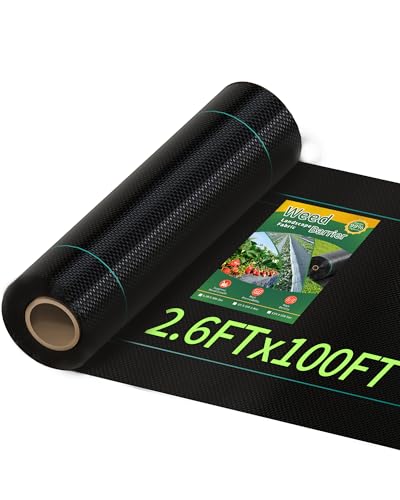
The Kijamilee heavy duty weed barrier is a woven polypropylene landscape fabric sold here in a 2.6 foot by 100 foot roll. Its job is straightforward: lay it over prepared soil, cover it with mulch, gravel, or stone, and it blocks the light that weed seeds need to sprout. Based on the listed specifications, it is aimed at home gardeners, DIY landscapers, and anyone tackling flower beds, gravel walkways, greenhouse floors, or driveway underlayment without hiring a crew.
Two qualities matter most in any weed cloth, and the feature set suggests this one addresses both. First, the manufacturer lists the fabric as 99.8 percent opaque, which is what actually stops weed growth, since most weed seeds germinate poorly without sunlight. Second, the woven design stays breathable, so rain and irrigation water can still move down to the roots of your desired plants. The listing also notes it performs well under organic mulch, which is how many gardeners get the strongest results.
On materials, this is a dual-layer woven geotextile that has been needle punched and UV stabilized according to the product information. In plain terms, the fibers are interlocked for strength and treated to slow sun damage. Installation follows the standard routine for landscape fabric: clear away existing weeds, level the soil, unroll and trim the fabric to shape, anchor it down, then add your chosen top layer. The narrower width makes the roll easier for one person to handle along beds and rows compared with bulky wide formats.
In practice, a 2.6 by 100 foot roll suits long, linear projects. Think vegetable garden rows, the strip along a fence line, edging around raised beds, a stepping stone path, or a gravel driveway base where you want separation between stone and soil. Because it cuts easily to length, it also works for smaller jobs such as lining a greenhouse floor or clearing weeds beneath a fresh planting area.
A few realistic considerations apply. Covering large open spaces will mean overlapping strips, which uses more material and takes extra securing. Woven fabrics can fray at cut edges, and the listing does not mention included stakes, so plan on landscape pins to hold everything flat. As with any fabric barrier, keeping it covered with mulch or gravel shields it from direct sun and helps it last longer. Handled that way, it comes across as a solid, practical option for everyday weed control.
Choose this roll if you want a water-permeable barrier for beds, rows, paths, or underlayment and you are comfortable with basic do-it-yourself installation. Gardeners who need to cover very wide areas in a single pass, or those planning to leave fabric permanently exposed without a top layer, may want to compare wider or heavier alternatives first.
Best For / Avoid If
Best for buyers prioritizing
- High opacity rating per the listing suggests dependable weed suppression when the fabric is properly covered
- Long 100-foot roll provides plenty of linear coverage for beds, rows, fence lines, and paths
- Water-permeable weave keeps moisture reaching desirable plants instead of pooling or running off
Consider another option if
- At 2.6 feet wide, broad open areas may require multiple overlapping strips, which adds material cost and installation time
- Stakes or pins are not listed among included items, so anchoring hardware could be a separate purchase
- Like most woven fabrics, cut edges may fray over time, and extended uncovered sun exposure may shorten its working life
Pros
- Generous 2ft x 50ft size covers about 100 square feet, enough for multiple beds or a full walkway
- Breathable, water-permeable weave supports soil health while blocking weed growth
- Includes 10 securing pegs so installation can start right away
- Simple to cut and install with no special tools required
- UV-resistant material suited to extended outdoor placement
Cons
- The 2-foot width means wider areas need overlapping strips, which could require more pegs than the 10 included
- Woven fabric may be less suitable for very rocky or root-filled ground where sharp edges could snag the weave
- Gardeners wanting multi-season coverage in constant full sun may prefer a heavier fabric, since prolonged direct exposure can wear any landscape fabric over time
The Kijamilee weed barrier is a 2-foot by 50-foot roll of 3.2oz woven polypropylene landscape fabric designed to suppress weeds in garden beds, pathways, and other planted areas. Based on the listed specifications, it is aimed at beginner and intermediate gardeners, homeowners with yards, and anyone who wants to cut down on hand weeding without resorting to chemicals. The roll format makes it easy to handle a single large project or several smaller ones from one purchase.
The most important benefit of this fabric is its balance of blocking and breathing. The woven polypropylene construction is described as resistant to UV rays and water, which suggests it can hold up through seasons of sun and rain. At the same time, the cross-weave design is permeable, so rain and irrigation water can pass through to the soil while air continues to circulate. That combination matters because a barrier that sheds water can leave plant roots dry and stressed, while one that breathes helps keep the soil underneath healthier.
Installation is straightforward. You clear the area, unroll the fabric over the soil, and secure it with the 10 U-shaped pegs included in the package. The fabric cuts cleanly with scissors or a utility knife, so you can fit it around existing plants, raised bed corners, or curved pathway edges. At 2 feet wide, the roll is light enough for one person to carry and position without help, which is a real advantage for older gardeners or anyone working in tight spaces.
In a backyard setting, this fabric fits a wide range of projects. Lay it under mulch in vegetable or flower beds to reduce weeding between rows, place it beneath gravel on a walkway to keep stones from sinking into the soil, or use it as an underlayment for artificial grass or a driveway project. It also works in raised bed projects and greenhouse floors where you want a clean, weed-free surface. Because it cuts to size, one roll can serve several small areas rather than a single large one.
There are a few practical limits to keep in mind. The 2-foot width means wider beds will need overlapping strips, and overlaps could require more pegs than the 10 supplied, so plan to buy extra staples for larger projects. Woven fabric can also snag on sharp rocks or roots, so preparing the ground surface first will help the material last longer. Like most landscape fabrics, it performs best when covered with mulch or gravel, since prolonged direct sun exposure can degrade any fabric over time.
This weed barrier is a sensible pick for gardeners who want an easy-to-handle roll for beds, paths, and underlayment work, especially if you appreciate that pegs come included. Gardeners covering very large areas, dealing with extremely rocky ground, or wanting a thicker commercial-grade fabric may prefer a wider or heavier option. For typical home garden projects, the feature set suggests a practical, low-fuss way to keep weeds down.
Best For / Avoid If
Best for buyers prioritizing
- Generous 2ft x 50ft size covers about 100 square feet, enough for multiple beds or a full walkway
- Breathable, water-permeable weave supports soil health while blocking weed growth
- Includes 10 securing pegs so installation can start right away
Consider another option if
- The 2-foot width means wider areas need overlapping strips, which could require more pegs than the 10 included
- Woven fabric may be less suitable for very rocky or root-filled ground where sharp edges could snag the weave
- Gardeners wanting multi-season coverage in constant full sun may prefer a heavier fabric, since prolonged direct exposure can wear any landscape fabric over time
Pros
- Generous 300 ft length covers up to 1,800 sq ft, enough for multiple beds or a full pathway project
- High permeability supports healthier soil by allowing water and air exchange beneath the fabric
- Green stripes make row alignment and plant spacing easier, which beginners will appreciate
- Versatile enough for gardens, greenhouses, driveways, and gravel or stone installations
- Simple DIY cutting lets you customize piece sizes without special equipment
Cons
- Installation tools such as landscape staples are not included, so plan to buy pins separately
- At 2.4 oz, it may be less puncture resistant than heavier commercial fabrics around sharp rocks or heavy foot traffic
- Cut woven edges could fray over time, so trimmed pieces may need secure pinning or tucked edges under mulch
The Happybuy 6 x 300 ft weed barrier is a woven polypropylene landscape fabric with a 2.4 oz weight, supplied as a single roll sized to cover roughly 1,800 square feet. Its job is simple and important: block weed and grass growth under mulch, gravel, stone, or planted areas while still letting water and air pass downward. Based on the listed specifications, it fits homeowners and beginner-to-intermediate gardeners taking on medium to large projects such as new flower beds, vegetable patch aisles, gravel walkways, or ground prep for artificial grass.
Permeability is the feature that matters most in any landscape fabric, and this one is designed to let rain and irrigation soak through instead of pooling on top. The sturdy woven structure is intended to stop weeds and grass from pushing upward, which translates into far less hand weeding through the season. The black color adds shading that discourages germination, and the product information indicates the fabric allows soil to breathe and retain humidity, both helpful for keeping established plants comfortable between waterings.
At 6 ft wide, the roll crosses most standard beds with fewer seams than narrower 3 or 4 ft alternatives, reducing the overlap points where persistent weeds tend to sneak through. Green stripes run along the fabric to guide straight rows and consistent plant spacing, a small detail that makes layout work noticeably easier. The material is described as effortless to cut, so scissors or a utility knife are enough to shape it around curves, tree rings, and raised bed corners. Note that stakes or staples are not included, so have landscape pins ready before you start.
In a typical backyard, this fabric performs well under wood mulch in perennial borders, beneath pea gravel on a walking path, or along fence lines where weeds usually take over. Gardeners installing artificial turf often lay a barrier like this first to block growth underneath. The listing also positions it as a geotextile underlayment for driveways and other hardscape bases. In vegetable gardens, strips laid between rows keep aisle weeds down without any spraying, and the same roll can serve greenhouse floors or stone patio prep.
A few practical cautions apply. Because the fabric weighs 2.4 oz, it may be less puncture resistant than heavier commercial grades, so clearing sharp sticks and stones from the soil beforehand will help it last longer. Overlap edges by several inches and pin them firmly, especially on slopes, since wind can lift loose sections before mulch goes down. The listing states the fabric provides long lasting protection under various weather conditions, and covering it promptly with mulch or gravel is a sensible step to shield the surface and preserve its working life.
This roll makes sense for anyone with several hundred square feet or more to cover who wants one purchase to handle multiple beds, paths, or hardscape layers. Beginners benefit from the alignment stripes and straightforward cutting process. If your project is a single small planter or a delicate shade garden with shallow rooted plants, a smaller roll or lighter fabric could be easier to manage. For broad weed control under mulch, gravel, or turf, the Happybuy offers a practical balance of coverage width, breathability, and versatility.
Best For / Avoid If
Best for buyers prioritizing
- Generous 300 ft length covers up to 1,800 sq ft, enough for multiple beds or a full pathway project
- High permeability supports healthier soil by allowing water and air exchange beneath the fabric
- Green stripes make row alignment and plant spacing easier, which beginners will appreciate
Consider another option if
- Installation tools such as landscape staples are not included, so plan to buy pins separately
- At 2.4 oz, it may be less puncture resistant than heavier commercial fabrics around sharp rocks or heavy foot traffic
- Cut woven edges could fray over time, so trimmed pieces may need secure pinning or tucked edges under mulch

Pros
- Generous 300-foot length suits whole-yard projects and reduces the number of seams to manage
- Permeable, breathable weave supports healthy soil by letting water and air pass through
- Includes 90 staples so installation can start without a separate hardware run
- Easy to trim to custom shapes with basic household tools
- Versatile enough for mulch beds, gravel paths, vegetable rows, and around trees and shrubs
Cons
- At about 36 pounds, the full roll can be awkward for one person to carry and unroll
- Like most woven landscape fabrics, it may last longer when covered with mulch or rock rather than left exposed to direct sun
- Gardeners with only a few small beds may find a 300-foot roll far more material than they need
The Sunocity weed barrier is a 6-foot by 300-foot roll of 3.5oz woven polypropylene landscape fabric made for one core job, keeping weeds from taking over the spaces you have already cleared. Based on the listed specifications, it is aimed at homeowners, beginner gardeners, and anyone laying out mulch beds, gravel paths, or vegetable rows who wants a single large roll instead of piecing together smaller sheets. The black woven ground cloth comes with 90 landscape staples, so anchoring it in place is part of the package rather than an extra purchase.
The most important benefit in the feature set is the balance between blocking weeds and keeping soil healthy. The cross-weave construction is described as permeable and breathable, which means rain and irrigation water can pass through to plant roots while the fabric still shades out weed seeds trying to sprout underneath. The material is also listed as resistant to UV rays and water, and the product information indicates it is intended to stand up to outdoor conditions over repeated seasons of use.
Installation is straightforward. You clear the area, roll the fabric out over the bed, and cut it to shape with scissors or a utility knife, which makes it workable around curves, tree rings, and the irregular corners of a real yard. The included staples hold the cloth down while you work and help keep edges from lifting later. The packaged roll measures about 37 by 7.78 by 7.78 inches and weighs roughly 36 pounds, so it makes sense to unroll it where you plan to use it rather than carrying it around the yard.
In practice, this type of fabric fits a wide range of backyard projects. Lay it under mulch in perennial beds, beneath gravel or rock on walkways, along vegetable garden rows, or around trees and shrubs where mowers and string trimmers keep damaging bark. The product information also notes it can help reduce soil erosion and promote moisture retention, which is useful in hot, dry stretches when every bit of water in the ground counts.
There are a few practical limits to keep in mind. A 300-foot roll is a lot of material, so gardeners with only a few small beds may end up storing most of it, and the full roll is heavy enough that two people make unrolling easier. Like most woven landscape fabrics, it will likely last longest when covered with mulch, rock, or gravel, since constant direct sun can break down polypropylene over time. Overlap seams by several inches and pin them down well so weeds cannot sneak through the joints.
Overall, the Sunocity 6ft x 300ft weed barrier is a sensible pick for homeowners tackling a large bed, a long path, or a full garden refresh in one project, especially since staples are included. Gardeners who only need to line a couple of small planters, or those who prefer biodegradable options such as cardboard or paper mulch for short-season vegetable beds, may be better served by a smaller roll or a different material.
Best For / Avoid If
Best for buyers prioritizing
- Generous 300-foot length suits whole-yard projects and reduces the number of seams to manage
- Permeable, breathable weave supports healthy soil by letting water and air pass through
- Includes 90 staples so installation can start without a separate hardware run
Consider another option if
- At about 36 pounds, the full roll can be awkward for one person to carry and unroll
- Like most woven landscape fabrics, it may last longer when covered with mulch or rock rather than left exposed to direct sun
- Gardeners with only a few small beds may find a 300-foot roll far more material than they need
Pros
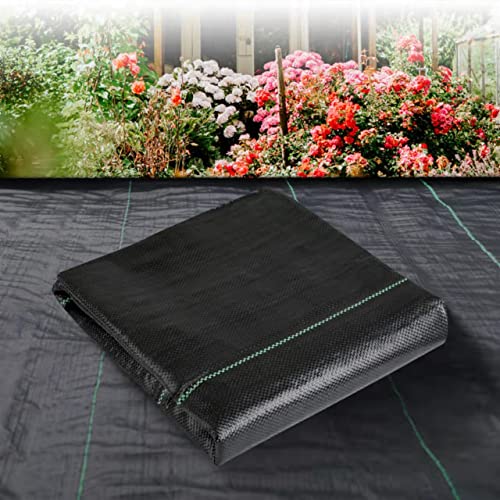
- Generous 3 x 50 ft coverage handles larger projects with fewer joints to align
- Water-permeable design supports soil hydration while suppressing weed growth
- Heavy-duty 3.2oz woven build is described as rated for foot and vehicle traffic
- Versatile enough for garden beds, walkways, agricultural rows, and gravel driveway stabilization
- Simple layout and cutting make setup approachable for first-time users
Cons
- Landscape pins or staples are not mentioned among included items, so you may need to purchase anchors separately
- At 3 feet wide, broader beds will require overlapping strips, which adds material and installation time
- Like most woven barriers, it performs best when covered with mulch or stone, and leaving it exposed may shorten its service life
The LGJIAOJIAO 3 ft x 50 ft weed barrier is a heavy-duty woven geotextile made to stop weed growth in garden beds, pathways, and landscaped areas while still allowing water and nutrients to move into the soil. Based on the listed specifications, this 3.2oz polypropylene fabric is aimed at homeowners and beginner-to-intermediate gardeners who want a longer-lasting alternative to thin plastic sheeting or lightweight fabric rolls.
The most important benefit is the balance between weed control and permeability. The tight weave blocks the sunlight that weed seeds need to germinate, yet the product information indicates it allows rain and irrigation to pass through, so established shrubs, perennials, and vegetable plantings can stay hydrated without water pooling on the surface. That combination matters because fully waterproof barriers can stress roots and create runoff problems during heavy rain.
Installation follows a simple sequence. You clear the area, roll the fabric out over prepared soil, trim it to shape with scissors or a utility knife, and secure it before topping it with mulch, gravel, or stone. The 3-foot width suits narrow strips such as fence lines, path edges, and single-row planting beds, and seams can be overlapped where wider coverage is needed. Because the roll ships compactly, most adults can handle positioning it alone.
In practical backyard terms, this style of fabric fits many jobs: lining the base of raised beds, underlaying gravel paths, stabilizing a gravel driveway by distributing weight and reducing erosion, or covering sloped ground where washout is a concern. The manufacturer also lists agricultural use, so orchard rows and berry patches fall within the stated range of applications.
There are honest limitations to weigh. Anchoring pins are not noted as part of the package, so plan on buying landscape staples. As with most woven barriers, the material lasts longest when shielded from direct sun under a layer of mulch or rock, and exposed edges should be tucked or weighted down. Cutting is best done carefully with a sharp blade on a firm surface, and gloves are sensible when working near gravel. Handled this way, the overall verdict is favorable for a practical, multi-purpose ground cover whose value rests on its listed durability and permeability.
Choose this roll if you want one fabric that can serve both ornamental beds and heavier-duty uses like a gravel drive base. Gardeners who need very wide coverage in a single sheet, fully biodegradable materials, or fabric sold with stakes included may want to compare other formats, since none of those features appear in the listed specifications.
Best For / Avoid If
Best for buyers prioritizing
- Generous 3 x 50 ft coverage handles larger projects with fewer joints to align
- Water-permeable design supports soil hydration while suppressing weed growth
- Heavy-duty 3.2oz woven build is described as rated for foot and vehicle traffic
Consider another option if
- Landscape pins or staples are not mentioned among included items, so you may need to purchase anchors separately
- At 3 feet wide, broader beds will require overlapping strips, which adds material and installation time
- Like most woven barriers, it performs best when covered with mulch or stone, and leaving it exposed may shorten its service life
Pros
- Permeable construction keeps rainfall and irrigation moving into the soil instead of pooling on the surface
- Alignment stripes make straight, tidy layouts achievable even for first-time installers
- One continuous roll handles large projects without frequent seams where weeds tend to break through
- Works under mulch, gravel, wood chips, and landscape rock for flexible use around the yard
- Physical weed barrier avoids herbicide use near vegetable gardens, flowers, and fruit trees
Cons
- Cut edges can fray, and the recommended tape-along-the-cut-line step adds a bit of prep time
- At 2.6 feet wide, broader beds may need multiple overlapping strips, which increases material use and installation effort
- Like most landscape fabric, it needs to be anchored with pins or staples, which are not mentioned among the included items
The Pterying Weed Barrier Landscape Fabric is a woven polypropylene geotextile supplied as a 2.6-foot by 100-foot black roll, made to sit beneath mulch, gravel, wood chips, or landscape rock and stop weeds before they establish. Based on the listed specifications, its core job is physical weed control: the tight weave blocks sunlight so weed seeds cannot germinate, which means less bending, pulling, and spraying through the growing season. It is a practical match for homeowners maintaining flower beds, vegetable gardens, pathways, and yard borders, including beginners who want a straightforward weekend project.
Two supported benefits stand out. First, weed suppression happens without chemical herbicides, an approach many gardeners prefer around vegetables, flowers, and fruit trees. Second, the fabric is water and air permeable, so rain and irrigation still reach the root zone while the covered surface stays shaded against new growth. The product information also indicates this permeability helps maintain soil moisture and prevent compaction, both of which support healthier root development over a long season.
Installation appears beginner-friendly. Green alignment stripes run along the fabric to help you position plants in straight rows, and the material cuts with standard scissors for custom fits around curves, tree rings, or raised bed frames. For neat edges, the manufacturer suggests running tape along your cut line first so the woven edge does not fray. The 2.4-ounce-per-square-yard weight gives the sheet enough body to lie flat during layout, and the UV-stabilized construction is intended to extend service life across multiple seasons outdoors.
In a typical backyard, one roll stretches a long way. You could line a long flower border, cover walkways between vegetable rows, lay a base under a new gravel path, or stabilize ground along a driveway edge. The listing also points to erosion control, retaining walls, construction sites, and animal yards, so it can serve purposes beyond ornamental beds. Because it arrives as a single continuous 100-foot length, you avoid seams every few feet, which are common weak spots where persistent weeds push through.
A few realistic considerations apply. Raw cut edges can fray, so allow a few extra minutes for the taping step. At 2.6 feet wide, wider beds will call for overlapping strips, and like any landscape fabric this one should be anchored with pins or staples so wind and foot traffic do not shift it. Over time, organic debris settling on top can form a thin layer where seeds sprout, so topping up mulch periodically keeps the system working as designed.
Choose this roll if you want a straightforward, chemical-free way to keep established beds and paths low maintenance, particularly across longer runs where small sheets would force awkward seams. Gardeners needing ultra-heavy commercial-grade separation fabric, or those covering very wide areas with minimal overlap tolerance, may want to compare heavier or wider options first. For everyday home beds, borders, and pathways, the listed specifications point to a dependable, easy-to-handle weed barrier.
Best For / Avoid If
Best for buyers prioritizing
- Permeable construction keeps rainfall and irrigation moving into the soil instead of pooling on the surface
- Alignment stripes make straight, tidy layouts achievable even for first-time installers
- One continuous roll handles large projects without frequent seams where weeds tend to break through
Consider another option if
- Cut edges can fray, and the recommended tape-along-the-cut-line step adds a bit of prep time
- At 2.6 feet wide, broader beds may need multiple overlapping strips, which increases material use and installation effort
- Like most landscape fabric, it needs to be anchored with pins or staples, which are not mentioned among the included items

Pros
- Generous 400-square-foot coverage handles sizable projects from a single roll
- Tear-resistant woven construction is described as suitable for heavy foot and vehicle traffic areas
- Suppresses weeds while still allowing water and nutrients to flow through to the soil beneath
- Simple installation process: clear the soil, lay it flat, cut to shape, and cover for a finished look
Cons
- Should be covered with mulch, gravel, or stone to protect it from sunlight and hold it securely in place
- May be less suitable for gardeners who prefer biodegradable or paper-based fabric options
- Long rolls can take some planning to measure and trim accurately around trees, curves, and existing plantings
The GDNaid 4ft x 100ft weed barrier is a woven landscape fabric built for one core job: keeping unwanted weeds out of your garden beds while allowing water and nutrients to move freely into the soil. Based on the listed specifications, the fabric is made from durable polypropylene at a 3.2oz weight, which places it in the heavy-duty range for home landscaping work. It fits homeowners, beginners setting up their first beds, and experienced gardeners refreshing established areas who want a lasting barrier rather than a thin disposable sheet.
The most important benefit here is the balance the feature set suggests between weed suppression and permeability. Effective landscape fabric must block light so weed seeds cannot sprout underneath, yet still let rainfall and irrigation soak through to plant roots. This woven fabric is described as doing both, which matters for vegetable plots, shrub borders, and any planting where you want moisture reaching the root zone instead of running off the surface.
Installation follows the standard process for this type of product. You clear the area of existing growth, lay the fabric flat over prepared soil, cut it to fit beds, rows, or unusual shapes, and then cover it with mulch, gravel, or stone for a polished finish. The 4-foot width means fewer overlaps across wide beds compared with narrower rolls, and at about 7 pounds the roll is light enough for one person to carry and position. The product information indicates the material cuts readily to any size or shape needed.
In practice, this kind of fabric suits many backyard scenarios. It works well under decorative rock in dry-climate beds, beneath bark mulch in perennial borders, along fence lines where mowing is awkward, and as a base layer under gravel walkways. The product information also points to heavier applications such as stabilizing driveways and helping prevent erosion on slopes, which extends its usefulness beyond ornamental gardening. Gardeners with limited space can trim sections to line the base of raised beds or cover narrow side-yard paths.
A few realistic considerations deserve mention. Landscape fabric performs best when covered, since leaving it exposed to direct sun can shorten its working life and bare fabric tends to look unfinished. Securing edges and seams will likely require landscape staples or pins, which are usually bought separately. Gardeners who prefer fully biodegradable materials may want to explore other options, and beds you dig into often for dividing perennials may not pair well with permanent fabric. With those limits in mind, the overall picture is positive: a sturdy, adaptable barrier for long-term weed control.
Choose this GDNaid roll if you are starting a new bed, refreshing gravel or mulched areas, or taking on a bigger project where 400 square feet of coverage saves time and reduces seams. Consider a different option if you need an organic, compostable fabric, want something for frequently replanted zones, or only require a short strip for a single planter box.
Best For / Avoid If
Best for buyers prioritizing
- Generous 400-square-foot coverage handles sizable projects from a single roll
- Tear-resistant woven construction is described as suitable for heavy foot and vehicle traffic areas
- Suppresses weeds while still allowing water and nutrients to flow through to the soil beneath
Consider another option if
- Should be covered with mulch, gravel, or stone to protect it from sunlight and hold it securely in place
- May be less suitable for gardeners who prefer biodegradable or paper-based fabric options
- Long rolls can take some planning to measure and trim accurately around trees, curves, and existing plantings

Pros
- Generous 4ft by 300ft size suits whole-garden layouts and reduces the number of overlapping joints
- Permeable weave allows rain and irrigation to pass through to plant roots instead of pooling on top
- Tear-resistant material holds up better during installation over rough or rocky ground
- Green alignment markings simplify row planting and straight runs along paths or bed edges
Cons
- Because the 4ft width ships folded in half, the fabric may arrive with creases that need time to relax before it lies flat
- At a listed weight of 3.2oz, it may be lighter than some commercial-grade fabrics for extremely heavy traffic areas
- Securing the fabric will likely require landscape pins or staples, which could need to be purchased separately
The iropro Weed Barrier Fabric is a heavy duty landscape fabric supplied as a 4ft by 300ft roll in black woven polypropylene with a listed weight of 3.2oz. Its main job is straightforward: laid down under mulch, gravel, stone, or decking, it suppresses weed growth while still allowing air and water to move through to the soil below. This makes it a practical choice for beginners setting up their first vegetable garden as well as more experienced gardeners and DIY landscapers working on larger properties.
Based on the listed specifications, the most important benefit is the balance between weed control and soil health. Because the woven material is permeable, rainfall and irrigation can soak through to plant roots rather than running off, and the feature set suggests this helps maintain soil moisture. At the same time, weeds underneath are blocked from reaching light, which means less time spent pulling unwanted growth and more time focused on the plants you actually want.
Installation is designed to be beginner friendly. The manufacturer notes that the fabric can be cut to any size or shape with a pair of scissors, and green guide lines are printed on the surface to help you keep planting rows aligned. One detail worth knowing before you order: the 4ft and 6ft widths ship folded and rolled, so the package appears only half as wide as the finished fabric. Once you unfold it completely, it returns to its full 4ft width, so measure after opening rather than judging from the rolled bundle.
In a typical backyard, this roll offers a lot of flexibility. You can line the base of a raised flower bed, lay out a weed barrier under a vegetable garden, run it beneath a gravel path or walkway, or place it under stones, patio pavers, decking, or artificial grass. The product information also indicates it is sturdy enough for heavier geotextile jobs such as driveway fabric, road stabilization, retaining wall work, and erosion control, which adds value if you have hardscape projects planned alongside your garden beds.
A few realistic considerations apply. Since the fabric arrives folded, expect some creasing at first, and give it time to flatten before pinning it down. As with any landscape fabric, seams between strips should be overlapped and the edges anchored so weeds cannot sneak through gaps, and you may want to budget for securing pins if you do not already own them. Gardeners who need an ultra thick commercial specification or prefer small pre-cut sheets for tiny patio containers may find a different format more convenient.
Overall, the product information indicates this is a versatile, easy-to-work-with weed barrier for homeowners who want one dependable roll to serve garden beds, paths, and even light construction uses. If you are covering a substantial area and value straightforward cutting, clear alignment guides, and a weave that lets water through, this iropro fabric fits that brief well. Shoppers wanting a heavier professional grade material or a ready-cut small patch should compare alternatives first.
Best For / Avoid If
Best for buyers prioritizing
- Generous 4ft by 300ft size suits whole-garden layouts and reduces the number of overlapping joints
- Permeable weave allows rain and irrigation to pass through to plant roots instead of pooling on top
- Tear-resistant material holds up better during installation over rough or rocky ground
Consider another option if
- Because the 4ft width ships folded in half, the fabric may arrive with creases that need time to relax before it lies flat
- At a listed weight of 3.2oz, it may be lighter than some commercial-grade fabrics for extremely heavy traffic areas
- Securing the fabric will likely require landscape pins or staples, which could need to be purchased separately

Pros
- Breathable, permeable design supports soil health by allowing moisture and air to pass through
- Clear guide lines make layout and plant spacing simpler for beginners
- Versatile enough for flower beds, vegetable plots, gravel paths, driveways, and sidewalks
- Roll format is lightweight enough for one person to unroll and position
Cons
- Installation calls for U-shaped securing pegs, so confirm whether stakes are included or must be purchased separately
- Like most woven fabrics, it performs best with mulch or gravel on top, which adds an extra step to the project
- Gardeners needing a very thick barrier for heavy foot traffic or rocky terrain may prefer a heavier commercial-grade option
The LAVEVE Heavy Duty Weed Barrier Landscape Fabric is a woven polypropylene ground cover offered in a 4-foot by 100-foot size, which the product information describes as two 50-foot rolls. Its purpose is simple: lay it over prepared soil, anchor it in place, and cover it with mulch, gravel, or another topping so weeds struggle to sprout while your chosen plants grow. Based on the listed specifications, it suits homeowners dealing with flower beds, vegetable plots, pathways, and other spots where constant weeding has become a chore.
The feature set suggests the main appeal is the balance between stopping weeds and protecting soil health. Because the high-density weave is permeable and breathable, the listing states that air and water can still move into the soil beneath it. That matters in real gardens, since a barrier that sheds water can leave nearby roots dry and stressed. The fabric also resists UV rays according to the product information, which helps it endure sun exposure, especially before or while it is being covered.
Installation appears beginner-friendly based on the listed features. Clear green guide lines run across the fabric to help you align rows and cut straight edges, and the material can be trimmed to size with ordinary household scissors or a craft knife. The listing recommends securing the fabric with U-shaped pegs. At four feet wide, each strip covers a generous swath, which means fewer overlaps across large beds compared with narrower rolls.
In a typical backyard, this kind of fabric fits many common projects. You might line a vegetable plot before planting, lay it under gravel for a clean walking path, place it beneath brick pavers or along a driveway edge, or refresh flower beds around shrubs and perennials. Gardeners with small yards can cut smaller panels for raised bed bases or narrow side-yard walkways, using leftover material instead of letting it go to waste.
A few realistic considerations are worth planning for. Woven landscape fabric generally works best with a layer of mulch, stone, or similar covering on top, both to shield it from sunlight and to hold it flat, so budget time for that step. The listing references U-shaped pegs for anchoring, so verify whether stakes come with your order before installation day. Overlap and secure all edges and cut seams carefully, since gaps at joints are where persistent weeds usually find their way through.
Overall, this weed barrier looks like a sensible choice for beginners and busy homeowners who want a lower-maintenance way to control weeds across beds and hardscaped areas. Gardeners who need an extremely thick fabric for heavy equipment traffic or very rocky ground may want to compare heavier options first. For everyday backyard beds, paths, and borders, the mix of permeability, UV resistance, and easy cutting makes it a practical, well-rounded pick.
Best For / Avoid If
Best for buyers prioritizing
- Breathable, permeable design supports soil health by allowing moisture and air to pass through
- Clear guide lines make layout and plant spacing simpler for beginners
- Versatile enough for flower beds, vegetable plots, gravel paths, driveways, and sidewalks
Consider another option if
- Installation calls for U-shaped securing pegs, so confirm whether stakes are included or must be purchased separately
- Like most woven fabrics, it performs best with mulch or gravel on top, which adds an extra step to the project
- Gardeners needing a very thick barrier for heavy foot traffic or rocky terrain may prefer a heavier commercial-grade option
Selecting the ideal weed barrier requires understanding the mechanical properties of geotextiles and how they perform in varied garden settings. Not all weed barriers behave identically beneath soil, gravel, or organic mulch.
Fabric Material and Construction
Modern heavy-duty landscape fabrics are predominantly woven from polypropylene strands. Woven polypropylene provides substantial tensile strength, puncture resistance, and tear resistance compared to thin non-woven or perforated plastic films. The tight weave creates an opaque barrier that physically prevents sunlight from reaching underlying dormant seeds, effectively halting germination.
Some premium options incorporate needle-punched dual layers. In these designs, a woven base provides structural stability while a needle-punched felt backing enhances water retention and prevents premature displacement under heavy aggregate, making it ideal for both ornamental borders and functional pathways.
Fabric Weight and Density
Landscape fabrics are generally classified by weight in ounces per square yard. Understanding this measurement allows you to match the fabric to the specific demands of your project:
- 2.4 oz fabrics: Lighter and more flexible. These work well in seasonal vegetable patches, temporary ground covers, and low-traffic decorative flower borders under lightweight wood chips.
- 3.2 oz to 3.5 oz fabrics: Medium to heavy-duty professional grade. These offer high tensile strength suitable for heavy foot traffic, sharp gravel paths, paver underlayment, and permanent planting beds.
Water and Air Permeability
A frequent error among beginner gardeners is installing solid plastic sheeting instead of porous geotextiles. Soil requires continuous gas exchange and downward water infiltration to maintain beneficial microbial activity and root respiration. Woven polypropylene cross-weaves feature microscopic voids that let irrigation, rainfall, and liquid nutrients seep through into the root zone without pooling on the surface.
When installing porous fabric, pairing your setup with deep watering systems or capturing runoff from a dedicated water collection system like the best rain barrel for small garden ensures your soil retains balanced moisture levels throughout the growing season.
Roll Dimensions and Space Planning
Fabric rolls come in widths from 2 feet up to 6 feet, and lengths from 50 feet to 300 feet. For narrow raised bed walkways or greenhouse benches, 2-foot or 2.6-foot rolls minimize the need for lengthwise cuts. For broad flower beds, extensive driveways, or large utility areas, 4-foot or 6-foot rolls reduce the number of overlapping seams required.
Note packaging logistics: wide rolls (such as 4-foot and 6-foot widths) are frequently folded in half lengthwise before being tightly rolled for compact shipping. Inspecting the fold line upon unboxing confirms the true operational width of the material.
Cutting, Fraying, and Alignment Guides
Because woven synthetic fibers can fray along raw edges, clean cuts are crucial during installation. Using sharp utility knives or heavy-duty household shears minimizes fraying. For clean edges, some manufacturers recommend taping along the cut line before trimming.
Many woven rolls include woven green alignment stripes spaced evenly across the surface. These guide lines simplify cutting straight borders and provide handy visual markers for spacing plants in neat, professional rows.
Securing, Anchoring, and Overlap Guidelines
Even heavy fabrics will shift under the weight of mulch or severe wind if not anchored correctly. Using heavy-gauge, U-shaped steel landscape securing pegs or staples is standard practice. Secure the fabric every 3 to 5 feet along edges and seams, as well as around plant cutouts.
Always overlap adjacent rolls by at least 4 to 6 inches. Skipping this overlap creates vulnerable gaps where weeds will inevitably find light and push to the surface.
Covering Materials and UV Degradation
Although quality geotextiles feature UV-stabilized polypropylene to resist solar breakdown, leaving them uncovered is not recommended for permanent installations. Direct, unfiltered ultraviolet light eventually degrades polymer bonds over several seasons. Covering the fabric with a 2- to 3-inch layer of organic wood chips, shredded bark, pea gravel, or decorative stone extends the fabric’s service life and creates an attractive, finished aesthetic.
Research Methodology and Trust
Dove Creek Gardens evaluates gardening equipment through rigorous specification auditing, structural material verification, and detailed analysis of verified user experiences across diverse gardening zones. We do not claim hands-on lab trials when analysis is based on technical specifications and manufacturer data. Instead, our editorial approach synthesizes structural parameters, user feedback, and established horticultural principles.
For this guide, updated for September 2026, we compared the 10 listed products against specific criteria: woven weave stability, stated material weight (2.4 oz to 3.5 oz), UV protection claims, packaging configuration, included installation hardware (such as securing pegs), and real-world durability under heavy aggregate and foot traffic. We cross-reference manufacturer data to ensure our recommendations reflect realistic yard applications.
Frequently Asked Questions
How does best weed barrier landscape fabric let water through while stopping weeds?
Quality landscape fabrics use a woven polypropylene structure that physically blocks visible light to prevent seed germination. The microscopic openings between the woven ribbons permit liquid water, dissolved nutrients, and atmospheric air to pass steadily into the underlying soil without accumulating puddles on top.
What fabric weight is best for gravel walkways and driveways?
For areas subject to sharp stone, heavy wheelbarrows, or vehicular traffic, choose a woven fabric with a density of 3.2 oz to 3.5 oz per square yard. Products such as Sunocity 6ft x300ft Black Weed Barrier 3.5oz or LGJIAOJIAO 3ftx50ft Weed Barrier Landscape Fabric provide the puncture resistance needed to stop aggregate from punching through into the subsoil.
How do I prevent fraying when cutting landscape fabric?
To reduce edge fraying on woven polypropylene, make swift, clean cuts using a sharp utility knife or heavy shop shears. Placing a strip of painter tape or masking tape along the planned cut line before trimming helps keep the cross-threads stabilized during installation.
Can weed barrier landscape fabric be left uncovered in the garden?
While most high-grade woven geotextiles feature UV stabilization to resist immediate sun damage, prolonged unshielded exposure will eventually weaken synthetic polymers. Covering the fabric with a 2- to 3-inch top dressing of bark mulch, wood chips, or stone protects the fabric from UV rays and keeps it anchored firmly in place.
How much should I overlap seams when laying weed barrier fabric?
Always overlap adjacent rolls of fabric by at least 4 to 6 inches. Secure along the overlapped seam with steel U-pegs or staples every 3 to 4 feet. A narrow overlap allows persistent weeds to creep between sheets and emerge into your top mulch.