


Few gardening challenges are as frustrating as building a large compost pile, waiting eagerly for decomposition to begin, and discovering that the interior remains stone cold. Backyard growers frequently ask why is my compost not heating up when they expect rapid steam and high internal temperatures. Active thermal composting is driven by trillions of aerobic bacteria, actinomycetes, and fungi that multiply rapidly when supplied with the right biological fuel. When any single factor falls out of balance, microbial reproduction stalls, cellular respiration drops, and heat generation stops entirely.
This troubleshooting guide is designed for home gardeners, suburban homeowners, and community plot managers who want reliable decomposition without unnecessary complications. Because our equipment inventory currently lists 0 commercial products for this specific diagnostic query, our focus is grounded strictly in biological reality and practical backyard mechanics. Rather than pushing unneeded retail accelerators or complex gadgets, we evaluated the fundamental operating criteria: heap volume, carbon-to-nitrogen ratios, internal moisture levels, particle surface area, and airflow dynamics. Gardeners exploring broader soil management strategies can also reference our comprehensive Compost, Soil & Mulch index for related practical techniques.
Understanding why is my compost not heating up requires looking at your pile as a living ecosystem rather than a passive holding bin. Achieving sustained temperatures between 130 and 150 degrees Fahrenheit destroys weed seeds and plant pathogens, but cool composting still breaks down organic matter over a longer timeframe. By methodically diagnosing airflow, moisture, mass, and feedstock balance, you can quickly determine whether your heap simply needs a thorough turn, an infusion of green nitrogen, or additional insulation against seasonal chill.
Practical Why Is My Compost Not Heating Up Diagnostic and Buying Guide
Critical Mass and Minimum Pile Volume
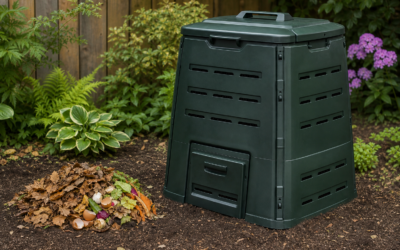
The most frequent structural reason a compost pile fails to warm up is simply inadequate physical volume. Microbial activity generates heat throughout the mass, but that thermal energy dissipates rapidly through the outer surfaces if the pile lacks sufficient insulating bulk. A standard backyard heap must measure at least one cubic yard, or approximately three feet wide, three feet deep, and three feet tall, to retain heat in its center.
Piles smaller than this threshold lose BTUs faster than their internal microflora can produce them. If your material sits in a shallow, spread-out heap or a very small bin, consolidate your ingredients into a steeper, cube-like profile. Stacking materials higher with supportive wire fencing or sturdy wooden pallets creates the thermal buffer necessary for thermophilic bacteria to sustain elevated core temperatures.
Balancing Carbon and Nitrogen (The C:N Ratio)
Microorganisms require carbon for energy and cellular structure, and nitrogen for protein synthesis and rapid population growth. The optimal carbon-to-nitrogen (C:N) ratio for rapid hot composting is roughly 25:1 to 30:1 by weight. When gardeners ask why is my compost not heating up, an overabundance of dry, woody carbon materials like dead leaves, straw, wood chips, and sawdust is very often the culprit.
Without sufficient nitrogenous green materials, such as fresh grass clippings, coffee grounds, vegetable trimmings, or aged livestock manure, microbial reproduction slows to a crawl. If your pile looks uniformly brown and dry, integrate fresh, nitrogen-dense greens evenly throughout the interior. Avoid dumping all green materials in a dense layer at the top, which blocks airflow; instead, blend them thoroughly with existing brown material.
Moisture Management and the Squeeze Test
Microbes live in the thin aqueous film surrounding organic particles. If the pile is too dry, microbial activity ceases because bacteria cannot move, hydrate, or access dissolved nutrients. Conversely, an oversaturated pile fills microscopic air pockets with water, driving out oxygen and turning the environment anaerobic and foul-smelling.
To evaluate moisture accurately, reach deep into the pile with a gloved hand and perform a squeeze test. When squeezed firmly, the material should feel like a wrung-out sponge, releasing only a drop or two of water between your knuckles. If the material feels dusty or brittle, moisten each layer evenly with a garden hose while turning. If it drips heavily without squeezing, add dry, shredded cardboard or dry leaves to absorb excess moisture.
Aeration and Oxygen Availability
The thermophilic organisms responsible for high temperatures are strictly aerobic, meaning they consume large amounts of oxygen during active digestion. Within a few days of rapid heating, dense piles often exhaust internal oxygen reserves, causing the temperature curve to flatten and drop sharply. Regular aeration recharges oxygen levels, fluffs compacted layers, and restarts active decomposition.
Turning the pile with a sturdy spading fork every three to seven days moves cooler outer material into the hot core while replenishing oxygen throughout the structure. For gardeners with limited physical mobility or small yards, an aerating corkscrew tool or compost tumbler can introduce airflow with less back strain than hand-pitching a heavy cubic yard of damp matter.
Particle Size and Material Processing
Bacteria and fungi break down organic material from the outside inward. Whole branches, thick stalky weeds, and unbroken cardboard sheets present very little accessible surface area for bacteria to colonize. When large, coarse items dominate the pile, the rate of decomposition is naturally slow, producing negligible heat.
Shredding coarse garden debris down to pieces between one-half inch and two inches dramatically accelerates biological digestion. Using the best compost shredder for garden waste helps turn tough autumn pruning discards into uniform feedstock that heats up quickly without compacting into an airtight mat.
Ambient Weather and Seasonal Insulation
Cold outdoor temperatures and biting winds draw heat out of open compost bins faster than microbes can regenerate it, especially in early spring or late autumn. A pile that maintains heat during summer months may drop to ambient temperature once nighttime freezes arrive. Placing your compost enclosure against a sunny windbreak or insulating the perimeter with straw bales helps preserve internal heat during transitional weather.
Diagnostic Comparison: Identifying the Root Cause
Use the following diagnostic matrix to pinpoint why your heap is failing to generate heat and apply the correct mechanical or biological correction.
| Observed Pile Condition | Likely Underlying Cause | Corrective Action |
|---|---|---|
| Dry, dusty, brittle material | Insufficient moisture | Water thoroughly while blending layers until sponge-damp |
| Wet, soggy, foul odor | Anaerobic compaction and excess water | Turn thoroughly and add dry browns like straw or shredded paper |
| Damp, uniform, but completely cold | Nitrogen deficit (excess carbon) | Mix in fresh grass clippings, spent coffee grounds, or manure |
| Small pile under 3x3x3 feet | Lack of insulating thermal mass | Consolidate materials into a taller, narrower heap |
| Large intact branches and dry leaves | Insufficient particle surface area | Chop or shred materials down to smaller, uniform pieces |
| Previously hot, now cooled to dark crumb | Finished decomposition cycle | Screen finished humus and separate uncomposted leftovers |
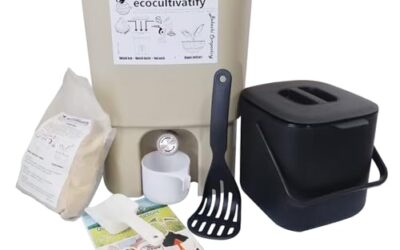
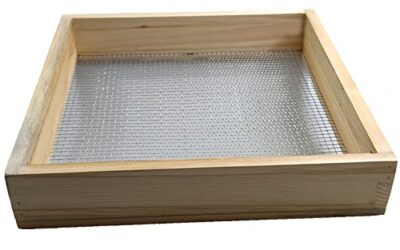
Once your pile completes its high-temperature phase and stabilizes into dark, earthy humus, utilizing the best compost sifter for large batches allows you to separate finished soil amendments from oversized wood chunks that can be reintroduced into your next active pile. Gardeners with very small indoor footprints who find hot outdoor heaps impractical might also evaluate anaerobic alternatives like the best bokashi composting kit for beginners for processing kitchen scraps cleanly.
Research Methodology and Evaluation Standards
At Dove Creek Gardens, our editorial evaluations are built upon rigorous horticultural principles, physical soil science standards, and real-world backyard conditions. We do not conduct laboratory trials or invent proprietary testing claims. Instead, our assessments evaluate documented mechanical specifications, peer-reviewed extension service guidance, material durability standards, and aggregated feedback from verified home gardeners.
During our September 2026 content revision, we reviewed standard diagnostic factors regarding biological composting efficiency. In addressing why is my compost not heating up, we screened commercial equipment claims against foundational physics and microbiological requirements. When commercial items fail to meet strict utility thresholds or offer questionable value compared to basic cultural techniques, we transparently note those limitations.
Our ongoing methodology ranks composting equipment and practices based on aeration efficiency, ergonomic accessibility, structural resilience against weather, and long-term cost of ownership. We regularly revisit guides to ensure that practical guidance matches seasonal requirements and current manufacturing standards across North American growing zones.
Frequently Asked Questions
How hot should a compost pile get during active decomposition?
An active hot compost pile should ideally reach temperatures between 130 and 150 degrees Fahrenheit. Temperatures within this thermal range accelerate decomposition dramatically while effectively destroying weed seeds and plant pathogens. If your pile consistently peaks below 110 degrees, bacterial respiration is limited by poor moisture, inadequate nitrogen, or restricted oxygen.
Can a cold compost pile still turn into good garden compost?
Yes, cold composting produces excellent, biologically diverse finished compost, though it requires significantly more time. Mesophilic organisms, earthworms, and fungi break down organic material steadily at lower temperatures over six to twelve months. The main tradeoffs are longer wait times and the failure to sterilize dormant weed seeds or persistent plant diseases.
What is the fastest way to add nitrogen to a cold pile?
Fresh grass clippings, coffee grounds, and fresh livestock manure provide rapid infusions of available nitrogen. Coffee grounds are especially convenient for home gardeners because they are readily available, have a balanced moisture content, and integrate easily without packing into slimy mats. Work them deep into the core rather than scattering them on top.
Why is my compost not heating up after I turn it?
Turning introduces fresh oxygen, but if the pile lacks moisture or nitrogen, adding air alone will not restart heating. In dry climates, turning can actually desiccate the core and chill the pile further. Always check moisture levels and incorporate fresh green materials while turning if biological activity has stalled.
Do commercial compost starter additives really work?
Commercial starters contain dormant microbes and concentrated nitrogen, but they are rarely necessary for home systems. Your soil, raw vegetable trimmings, and yard debris already harbor trillions of wild microorganisms waiting for adequate fuel, moisture, and warmth. Adding a shovelful of rich garden soil or finished compost inoculates your pile just as effectively at zero cost.
How do I know when my pile has finished heating up for good?
When a compost pile has run its full thermal cycle, turning and moistening it will no longer produce an internal temperature spike. The volume will have decreased by roughly one-third to one-half, original feedstocks will no longer be recognizable, and the material will smell like a rich forest floor. At this stage, the compost simply needs a curing period before being applied to garden beds.
Continue your garden research
Browse more practical guides in Compost, Soil & Mulch.
For product comparisons, see Best Compost Bin For Small Backyard 2026: Reviews and Buying Guide.
See how Dove Creek Gardens researches and compares products.