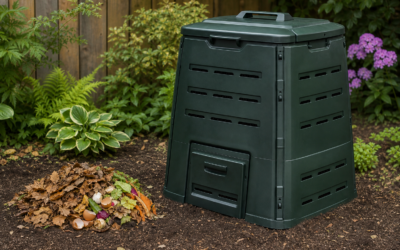


Getting the balance of greens and browns right is one of the most common sticking points for home composters. A pile that smells sour, stays slimy, or refuses to heat up is almost always suffering from too much nitrogen-rich material and not enough carbon, or the reverse problem of a dry, slow-to-break-down heap. This guide on how to balance greens and browns in compost is written for beginner gardeners, homeowners managing yard waste and kitchen scraps, older gardeners who want a low-effort routine, and anyone composting in a small backyard or patio setup.
Balancing greens and browns is a technique you can apply with any compost bin, tumbler, or open pile setup, which is why this article focuses on the practical technique itself rather than product recommendations. The goal is to help you understand what greens and browns actually are, how to estimate a workable ratio without a lab scale, and how to adjust a pile that has gone off balance.
If you are also shopping for bins, turning tools, or soil amendments to support your composting routine, the Compost, Soil & Mulch category page has related coverage to help you compare options as they become available.
A Practical How To Balance Greens And Browns In Compost Buying Guide
This section focuses on the decision factors and habits that actually determine whether a compost pile stays balanced, since getting the greens-to-browns ratio right is a technique question rather than something a specific bin or tool solves on its own.
Understanding Greens Versus Browns
Greens refer to nitrogen-rich materials such as fresh grass clippings, vegetable and fruit scraps, coffee grounds, and fresh plant trimmings. Browns refer to carbon-rich materials such as dried leaves, straw, shredded cardboard, and small twigs. Greens tend to be moist and break down quickly, while browns are typically dry and slower to decompose. A pile made up mostly of one type will struggle, so recognizing which pile of materials you already have on hand is the first step toward balancing them.
Estimating a Workable Ratio Without a Lab
Most home composting guidance points toward roughly two to three parts browns for every one part greens by volume, though exact ratios vary by material density and moisture content. Rather than measuring precisely, many gardeners simply layer materials and watch how the pile behaves over the following week. If the pile smells sour or feels slimy, it usually needs more browns mixed in. If it seems dry and is not heating up or shrinking, more greens or a bit of water usually helps.
Common Mistakes That Throw Off the Balance
- Adding only kitchen scraps without keeping a stockpile of dry browns on hand
- Piling fresh grass clippings in thick, wet mats that compact and go anaerobic
- Using large branches or whole cardboard sheets that resist breakdown for months
- Ignoring moisture level, since a pile that is too wet or too dry both slow decomposition
Keeping a dedicated bag or bin of dry leaves or shredded paper near the compost area makes it much easier to correct a green-heavy addition on the spot, rather than scrambling for browns later.
Turning, Aeration, and Access
Balanced greens and browns still need oxygen to break down efficiently. Turning the pile every one to two weeks, or using a bin designed with aeration slots, helps distribute moisture and heat evenly through the mix. For older gardeners or anyone with limited mobility, a tumbling composter or a bin with a wide, low access door can reduce the bending and lifting that traditional open piles require.
Small-Space and Patio Composting Considerations
Gardeners with limited yard space often find it easier to work with smaller, more frequent batches rather than one large pile. Chopping materials into smaller pieces speeds up decomposition in a compact bin, and keeping a countertop container for greens alongside a small bag of browns nearby helps maintain balance without needing a large storage area.
Seasonal Adjustments
Browns like dried leaves are abundant in fall, so many gardeners stockpile a season’s worth to use gradually through the rest of the year as greens accumulate from kitchen scraps and summer garden trimmings. Planning ahead this way helps avoid the common problem of running short on browns during peak kitchen-scrap season.
Safety and Routine Maintenance
Avoid adding meat, dairy, or oily foods regardless of how the greens and browns balance is otherwise managed, since these materials can attract pests and create odor problems unrelated to the carbon-to-nitrogen ratio. Wearing gloves when turning a pile and keeping compost bins a reasonable distance from the house can also reduce nuisance issues for households with curious pets or wildlife nearby.
Research Methodology and Trust
Composting technique is the focus of this guide rather than product comparison, since balancing greens and browns is a skill that applies regardless of which bin or tumbler you use. The guidance below draws on established composting fundamentals.
The guidance above draws on widely accepted composting fundamentals around carbon-to-nitrogen ratios, moisture management, and aeration, rather than manufacturer claims or owner feedback tied to any specific product. This is a research-based analysis rather than physical, hands-on testing.
This page was reviewed during August 2026 as part of ongoing coverage in the Compost, Soil & Mulch category. If relevant compost bins, tumblers, or turning tools become available for direct comparison, this guide can be updated to include product-specific recommendations aligned with these same balancing principles.
Final Recommendations
This guide does not include product picks such as an Overall Pick or Beginner Pick, since getting the carbon-to-nitrogen balance right depends on your materials and habits more than on any particular bin or tool.
Instead, the most reliable path forward is applying the practical habits covered above: keeping a stockpile of dry browns on hand, chopping materials smaller for faster breakdown, turning the pile regularly, and adjusting the mix based on smell, moisture, and heat rather than a rigid formula. These habits work with virtually any compost bin, tumbler, or open pile setup already in use.
FAQ
How do I know if my compost has too many greens or too many browns?
A pile with too many greens usually smells sour or ammonia-like and feels slimy or matted. A pile with too many browns tends to look dry, break down very slowly, and fail to heat up. Adjusting the ratio by adding the opposite material usually corrects the issue within a week or two.
What is a good starting ratio of greens to browns?
Many home composters start with roughly two to three parts browns for every one part greens by volume, then adjust based on how the pile behaves. Exact ratios vary depending on the density and moisture of the specific materials used.
Can I store extra browns for later use?
Yes, dried leaves, shredded cardboard, and straw can be stored in bags or bins for months and used gradually as greens accumulate. Stockpiling browns in fall is a common strategy for maintaining balance throughout the rest of the year.
Does composting in a small space change how I balance greens and browns?
The same ratio principles apply regardless of pile size, but small-space composters often benefit from chopping materials into smaller pieces and managing batches more frequently rather than accumulating one large pile.
How often should I turn my compost to keep it balanced?
Turning every one to two weeks helps distribute moisture, oxygen, and heat evenly, which supports the breakdown of both greens and browns. Bins with aeration features may require less frequent manual turning.
Are there safety concerns when balancing greens and browns?
Balancing greens and browns is generally low-risk, but avoid adding meat, dairy, or oily foods regardless of ratio, since these can attract pests. Wearing gloves when handling and turning compost is a reasonable precaution for sensitive skin or added hygiene.
Why isn’t there a product recommendation in this guide?
This guide focuses entirely on the balancing technique itself rather than comparing specific compost bins or tumblers, since the ratio principles apply no matter which container you use.
Continue your garden research
Browse more practical guides in Compost, Soil & Mulch.
See how Dove Creek Gardens researches and compares products.