


Do owl decoys keep pests away? Sometimes, but results usually depend on pest species, placement, movement, and how quickly animals recognize that a stationary owl is harmless. An owl figure can act as a visual deterrent in a small garden, yet it should not replace physical exclusion when crops face persistent damage.
This guide focuses on how to choose and use an owl decoy for a home garden. It covers target pests, realistic expectations, placement, rotation, maintenance, humane use, and stronger alternatives. For a broader wildlife-control starting point, see the Garden Pest & Wildlife guide.
Do Owl Decoys Keep Pests Away?
Owl decoys work through perceived predator presence. Birds and some small animals may avoid an area when they see a shape associated with danger. This effect often weakens when the decoy stays in one place, shows no movement, and never produces a real response.
Use an owl decoy as a low-effort first step when damage is light, the target species is uncertain, or the garden needs a nonchemical deterrent. Skip it as a sole control when animals enter under fences, feed at night, damage roots, or return despite regular decoy changes.
How to Choose an Owl Decoy for a Garden
Match Decoy to Target Pest
First identify damage. Birds may peck fruit, disturb seedlings, or feed on exposed seed. Squirrels and other small mammals may ignore an owl shape if they approach from ground level or have abundant food nearby. Slugs, insects, and underground pests will not respond to a visual predator decoy.
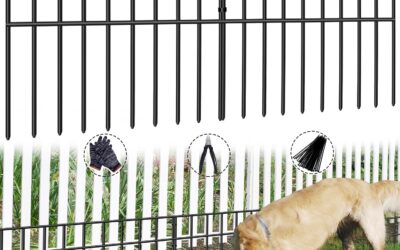
Check tracks, droppings, bite marks, feeding time, and entry routes before buying any deterrent. A correct diagnosis prevents wasted effort and points toward a suitable control, such as rabbit fencing for vegetable gardens when rabbits cause damage.
Use Movement, Not a Fixed Display
Animals learn predictable patterns. Move the decoy regularly between visible positions. A rotating head, swinging mount, or occasional change in height can make the display less static, but no feature guarantees lasting control.
Do not place the decoy where dense foliage hides it. Keep it visible from likely approach routes, while avoiding locations where wind can knock it into plants, paths, or fragile structures.
Place It Near Damage, Not Only Near the Patio
Placement should reflect animal behavior. Position the decoy near exposed crops, feeding stations, fruiting plants, or entry points. A single figure may cover only a limited visual area, especially in a large or divided yard.
Keep sightlines open. Raised placement can improve visibility for bird deterrence, while ground-level pests may require a fence, net, or sealed enclosure instead. Never block walkways or create a sharp hazard with a stake or mount.
Consider Garden Size and Access
An owl decoy suits balconies, patios, raised beds, and small planting areas when one visible point needs a simple deterrent. Larger yards may need several control points, but adding figures alone does not solve entry beneath fencing or feeding at ground level.
Older gardeners should choose a stable placement that needs little reaching or climbing to adjust. Put the decoy where seasonal movement remains safe and manageable. Avoid frequent ladder use for routine repositioning.
Account for Weather and Maintenance
Inspect the decoy after strong wind, heavy rain, freezing weather, or prolonged sun exposure. Check mounts, stakes, fasteners, and moving parts. A faded, damaged, or fallen figure may lose visibility and create a trip hazard.
Follow manufacturer instructions for cleaning, storage, and moving components. Store seasonal decorations in a dry location when outdoor exposure could damage them. Do not assume a decorative item is weatherproof unless its documentation says so.
Use Humane Deterrence
A decoy should discourage access, not trap, injure, or poison wildlife. Keep it away from locations where birds could become entangled in loose cord, wire, or decorative parts. Check local wildlife rules before using any control method involving protected species.
Remove food attractants when practical. Secure birdseed, harvest ripe produce, close compost, and clean spilled feed. Reducing the reward often matters more than adding another visual object.
Know When to Choose a Barrier
Netting, row covers, cages, and properly installed fencing provide a physical boundary. They often make more sense when animals repeatedly reach crops, when damage continues after decoy movement, or when a valuable planting needs dependable protection.
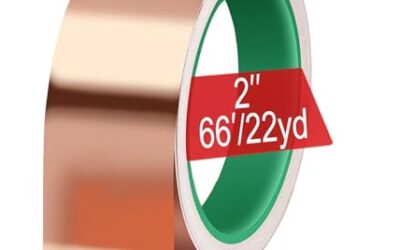
Choose mesh size and installation method for the target animal. Secure edges, inspect gaps, and keep tension appropriate for the structure. For slug-related damage, a visual predator decoy is the wrong tool; review options such as copper tape for slugs instead.
Common Owl Decoy Mistakes
- Leaving decoy in one position for the entire season.
- Using an owl figure against pests that do not respond to visual predators.
- Ignoring food, shelter, water, or nesting conditions that attract wildlife.
- Placing decoy behind leaves, inside dense branches, or below the animal’s sightline.
- Expecting one figure to protect a large yard or multiple separated beds.
- Using loose string, sharp stakes, or unstable mounts near children, pets, or paths.
Research Methodology and Trust
A sound evaluation starts with the pest, damage pattern, and garden layout. We assess whether a deterrent addresses the animal’s behavior, whether placement can remain safe, and whether the method offers a practical routine for a homeowner.
For owl decoys, important factors include visibility, mobility, stability, repositioning effort, weather care, and compatibility with humane wildlife practices. We also weigh the cost of failure: a decorative deterrent may be acceptable for minor damage but unsuitable for seedlings, food crops, or repeated losses.
This guide is reviewed during November for changes in garden-use guidance, seasonal considerations, and safer alternatives. Product instructions, local wildlife rules, and current manufacturer guidance should control final use decisions.
Final Recommendation
An owl decoy can suit a small garden with light bird or wildlife pressure, clear sightlines, and a gardener willing to move it regularly. Treat it as a visual supplement, not a guaranteed barrier or universal pest solution.
Choose a physical barrier when damage is persistent, the target animal reaches crops from below, or food production requires more dependable protection. For burrowing pests, see the vole control guide. For insects and other nonresponsive pests, select a method designed for that specific target.
Frequently Asked Questions
Will an owl decoy stop birds from eating fruit?
It may discourage some birds temporarily, especially when visible and moved regularly. Netting or another physical cover is more appropriate when fruit damage continues.
How often should I move a garden owl?
Move it regularly rather than leaving it in one fixed location. The exact interval depends on animal activity, weather, and how quickly wildlife becomes accustomed to the display.
Where should I place an owl figure?
Place it near visible damage or an approach route, with a clear sightline. Keep it stable, away from paths, and out of reach of entangling cords or sharp mounting hardware.
Do owl decoys work against rabbits?
Results can be limited because rabbits feed at ground level and may become accustomed to a stationary figure. A properly installed fence usually addresses rabbit access more directly.
Can I leave an owl decoy outside all year?
Only follow outdoor-care guidance from its manufacturer. Inspect it after severe weather, clean it as directed, and store it when damage or instability develops.
Are owl decoys safe around pets and children?
Choose a stable placement and keep stakes, cords, small detachable parts, and mounts away from play areas. Follow manufacturer safety instructions and supervise children around garden decorations.