


Choosing pruning shears is less about finding the most heavily advertised tool and more about matching the shear design to the branches, plants, and amount of pruning you expect to do. The right pair should make clean cuts without forcing you to overextend your hand, twist your wrist, or use a tool that is too small for the job.
This guide explains how to choose pruning shears for beginner gardeners, homeowners, older gardeners, and people working in containers or compact beds. No product met the bar for an eligible recommendation in this edition. Instead, the guide focuses on cutting action, leverage, handle comfort, maintenance, storage, and when a different pruning tool is more appropriate. You can also browse Dove Creek Gardens’ Garden Tools & Pruning coverage for related tool research.
Because no products were supplied that match this topic, the recommendations below are a decision framework rather than a ranked product list. Start by identifying the type of cut you make most often, then check whether the shear’s design, opening range, and handle shape fit your hands and plants.
1. Match the shear type to the cut
Bypass pruning shears use two blades that pass one another, similar to scissors. They are generally the more versatile choice for live stems because the blades can make a cleaner cut when the branch is positioned correctly. They are commonly suited to shaping shrubs, trimming perennials, removing spent growth, and cutting smaller green stems.
Anvil pruning shears use a cutting blade that closes against a flat surface. This design can be useful for dry, hard, or dead material, but it may crush softer live stems if the cut is poorly positioned. If you mainly prune living plants, bypass shears are usually the more natural starting point. If your work includes both live and dead material, avoid using one tool for every task without checking the manufacturer’s intended use.
2. Think about branch size before buying
Manufacturers may publish a maximum cutting capacity, but that figure should not be treated as a target for every cut. Capacity can depend on the wood’s species, moisture, age, position in the jaws, blade sharpness, and the user’s hand strength. A shear that technically accepts a thicker branch may still be uncomfortable or inefficient for repeated work.
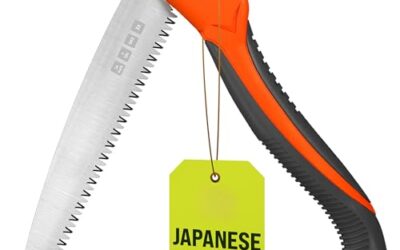
Use pruning shears for small stems that fit comfortably between the blades. For branches that require excessive force, repeated squeezing, or rocking the tool back and forth, switch to a pruning saw or another tool designed for larger wood. A folding pruning saw may be a better fit for thicker branches; see Dove Creek Gardens’ folding pruning saw guide for that separate use case.
3. Evaluate leverage and hand comfort
Handle length, pivot placement, grip texture, and spring tension all affect how much effort a cut requires. More leverage can help with tougher stems, but a longer or bulkier handle may be harder to control in tight spaces. A compact shear can be easier to maneuver around dense foliage, yet it may offer less leverage for resistant wood.
Look for handles that allow your fingers to close naturally rather than forcing your hand into a wide stretch. A locking mechanism should be easy to operate without placing fingers near the blades. Gardeners with arthritis, reduced grip strength, or limited wrist mobility may prefer a design with a comfortable opening range and low spring resistance, but individual fit matters. If possible, handle the tool before purchasing or verify the return policy.
4. Consider blade and head materials carefully
Blade material and coating can influence sharpness retention, corrosion resistance, and ease of cleaning, but a material label alone does not establish long-term performance. Look for clear information about the blade, pivot, and replaceable parts rather than assuming that a premium-sounding finish guarantees durability.
The blade should close evenly and remain aligned with the opposing blade or anvil. Gaps, side-to-side movement, or a rough pivot can make pruning less precise. For live stems, a sharp, properly aligned bypass blade is more important than decorative features or extra accessories.
5. Choose for your garden and pruning frequency
A beginner with a few container plants usually needs a simple, easy-to-control pair rather than a specialized heavy-duty tool. Prioritize a comfortable grip, a secure lock, and straightforward cleaning. In a small garden, maneuverability and easy storage may matter more than maximum capacity.
Frequent users may benefit from a shear with replaceable or serviceable parts, especially if the manufacturer documents replacement blades, springs, or pivot components. The ownership cost is not limited to the initial purchase. A tool that can be cleaned, sharpened, adjusted, and repaired may be more practical over several seasons than one that must be discarded after a worn component fails.
6. Check maintenance requirements
After pruning, remove sap and plant residue from the blades with a suitable cloth and follow the manufacturer’s care instructions. Keep the pivot area clean, inspect the fastener for looseness, and apply an appropriate tool lubricant when recommended. Do not use a dull or damaged blade as a reason to increase force; excessive pressure can reduce control and damage the plant or tool.
Sharpening should preserve the original bevel rather than flattening the cutting edge. If you are unsure how to sharpen the blade, a garden-tool service or knowledgeable retailer may be safer than experimenting on an expensive shear. Disinfecting between plants can also help reduce the chance of transferring plant problems, but the cleaner must be compatible with the tool and used according to its directions.
7. Plan storage and safe handling
Store pruning shears closed and locked, with the blades protected from moisture and accidental contact. A dry tool shed, drawer, or wall-mounted storage point is preferable to leaving the shears in damp soil, grass, or an exposed outdoor location. Before storage, clean residue and check that the lock works correctly.
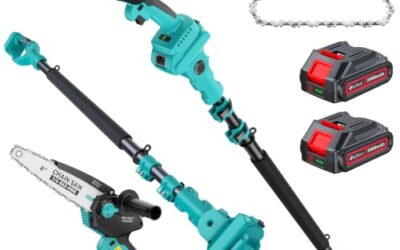
Keep fingers outside the blade path and carry the tool closed. Wear eye protection when pruning brittle or springy material, and avoid cutting branches that are beyond the tool’s intended capacity. For high branches or small trees, a pole pruner or saw may reduce the temptation to climb or overreach. See the cordless pole pruner guide when reach is the main problem.
8. Avoid common buying mistakes
- Choosing anvil shears for all pruning, including soft live stems.
- Buying based only on a stated cutting capacity without considering hand strength and repeated use.
- Ignoring the tool’s closed length, opening range, or grip size.
- Using pruning shears on branches that really need a saw.
- Assuming a coating or material description proves durability without supporting specifications.
- Skipping maintenance and leaving sap on the blades between pruning sessions.
Research Methodology and Trust
This guide was prepared by screening the available data for products that clearly match pruning shears and the Garden Tools & Pruning category. The source data lists no products, brands, specifications, prices, or owner feedback, so no item could be responsibly included in a comparison or recommendation.
For a product-based update, relevant evidence would include the shear type, documented cutting capacity, blade and head materials when listed, handle design, weight, locking method, maintenance requirements, and replacement-part information. Owner feedback would be considered for recurring comments about comfort, alignment, spring action, sharpening, and storage, while recognizing that user reports are not controlled performance tests.
The analysis is research-based and does not represent physical testing, hands-on use, or a durability guarantee. This guide is updated during August 2026 and should be revisited when qualifying product data becomes available. Manufacturer instructions should take priority for operation, cleaning, sharpening, and safe handling.
FAQ
Are bypass or anvil shears better when learning how to choose pruning shears?
Bypass shears are usually the more versatile starting point for live-stem pruning because the blades pass one another. Anvil shears may be more appropriate for some dry or dead material, but the intended use and the manufacturer’s instructions should guide the decision.
How do I choose the right pruning shear size?
Choose a handle and opening range that let you close the tool without overstretching your fingers. Your typical branch size matters too, but the published maximum capacity should not replace a comfortable, controlled cutting motion.
Can pruning shears replace a pruning saw?
No. Shears are intended for smaller stems within their documented capacity. If a branch requires excessive force or repeated rocking, a pruning saw is the more suitable tool.
How should pruning shears be maintained?
Clean plant residue from the blades, inspect the pivot and fastener, and lubricate or sharpen the tool only as directed by the manufacturer. Preserve the original blade bevel when sharpening, and seek professional service if the tool is damaged or difficult to adjust.
Where should pruning shears be stored?
Store them closed and locked in a dry location where the blades cannot contact people, children, or other tools. Cleaning the shears before storage helps limit sap buildup and corrosion.
What should older gardeners consider when choosing pruning shears?
Prioritize a comfortable grip, manageable spring tension, a suitable opening range, and enough leverage for the intended stems. If pruning causes pain, numbness, or loss of control, stop using the tool and consider advice from a qualified health professional about suitable adaptations.
Continue your garden research
Browse more practical guides in Garden Tools & Pruning.
For product comparisons, see Best Pruning Shears For Small Hands 2026: Reviews and Buying Guide.
See how Dove Creek Gardens researches and compares products.