


Weeds in vegetable rows, flower beds, and paths need different approaches. A stirrup hoe cuts shallow weeds with a push-pull motion; a tine cultivator loosens soil and can help work around deeper-rooted weeds. Choosing the wrong head can disturb nearby plants or leave you bending longer than needed.
This guide compares 7 options for Best Garden Hoe For Weeding, from 14.99–23.99, including DonSail, BARAYSTUS, Lilyvane, and more. The comparison focuses on head style, handle adjustment, stated materials, setup, and the kind of garden work each tool is described for. Product details and prices can change; listed ratings show zero reviews for these items, so they are not evidence of broad owner experience.
For a loop hoe, fit matters as much as the blade: the handle should let you work with a relaxed reach, and the head should fit the space between plants. For upkeep after purchase, see our guide to sharpening a garden hoe.
Oliynedy Adjustable Stirrup Hoe and Cultivator for Garden Weeding WELLOPLO 004 60-Inch Weed Puller and Hoe for Stand-Up Yard Weeding Lilyvane 2-in-1 Garden Hoe and Cultivator for Weeding and Soil Loosening EUIJOIP Adjustable Stirrup Hoe and Cultivator for Standing Weeding Prices and availability can change. We may earn a commission from qualifying purchases.


Pros
- Combines hoeing and four-tine cultivation in one manual tool.
- Adjustable handle length can accommodate different working positions.
- Tool-free pole assembly is described as straightforward.
Cons
- The product information does not specify hoe-head width, so coverage per pass is unclear.
- May be less suitable for large areas or gardeners who need powered weed removal.
- The long handle may be less convenient to store than a compact hand weeder.
Oliynedy’s manual weeder pairs a carbon steel hoe blade with a four-tine cultivator. It is intended for cutting or loosening weeds and working soil in vegetable and flower beds, making it a practical option for home gardeners who prefer hand tools.
The sharp blade is described for scraping weeds from the soil surface or working beneath them to loosen them. The four tines add a soil-cultivation function for tasks such as preparing beds or seeding vegetables. The listed features do not establish how reliably it removes entire roots in every soil type.
The handle adjusts between 32 and 62 inches, allowing different working positions, including standing or sitting. Product information lists a stainless steel handle with a 1 1/7-inch diameter and a total weight of 1 pound. Assembly involves attaching the hoe head with the supplied bolt and screwing the poles together, without extra tools.
For a backyard garden, the tool could help with routine weeding and soil loosening in accessible beds. Its adjustable length may be useful where gardeners switch between working closer to the ground and standing. The listed dimensions do not clarify the hoe-head width, so expected coverage per pass is uncertain.
This is a manual tool, so covering large areas may take more time and effort than using powered equipment. Inspect the blade and fasteners before use, and handle the sharp edge carefully during assembly, use, and storage. Clean off soil after gardening and store the tool where the blade cannot cause accidental cuts.
Gardeners seeking one hand-operated tool for surface weeding and light cultivation may find this combination useful. Those needing broad coverage, a compact short-handled tool, or detailed information about blade dimensions should compare alternatives.
Best For / Avoid If
Best for buyers prioritizing
- Combines hoeing and four-tine cultivation in one manual tool.
- Adjustable handle length can accommodate different working positions.
- Tool-free pole assembly is described as straightforward.
Consider another option if
- The product information does not specify hoe-head width, so coverage per pass is unclear.
- May be less suitable for large areas or gardeners who need powered weed removal.
- The long handle may be less convenient to store than a compact hand weeder.
Pros
- Works as both a weed rake and garden hoe for common lawn and bed maintenance tasks.
- Long adjustable handle can reduce bending and kneeling compared with short hand weeders.
- Cast steel head and stainless steel handle provide a metal build suited to regular backyard use.
- Reviewers commonly mention that assembly is straightforward and that the tool feels sturdy in use.
- Can be shortened or taken apart, which is helpful for storage or working in smaller spaces.
Cons
- A multi-section screw-lock handle may need periodic checking and tightening during use, as one reviewer noted loosening.
- It is a manual tool, so dense infestations, very hard soil, or large areas may still require repeated effort.
- Gardeners who need pinpoint taproot extraction in turf may prefer a dedicated stand-up claw-style weeder.
The WELLOPLO 004 is a manual weeding tool built for homeowners who want to clear weeds without relying on a short hand weeder. It combines a 6-tine rake side for pulling and uprooting weeds with a hoe blade for loosening soil, leveling small areas, and cleaning up beds or edges. Based on the listed features, it is aimed at lawns, flower beds, vegetable patches, patios, sidewalks, and similar yard areas.
The biggest practical benefit is the 2-in-1 head. The rake side is intended for weeds such as dandelions and crabgrass, while the hoe blade helps break up soil before pulling or smoothing afterward. That makes it especially useful for gardeners who often move between weeding, scraping, and light bed preparation during the same chore.
The handle is a 4-section stainless steel design that adjusts from 16 inches to 60 inches. At full length, it allows many users to work more upright, which can reduce the bending and kneeling that make weeding uncomfortable. The screw-lock joints are intended to keep the handle stable, though it is sensible to check them during longer sessions.
For small-space gardeners, the modular handle is a helpful feature because the tool can be shortened for tight corners or taken apart for compact storage. Around raised beds, fence lines, sidewalks, driveway edges, and patio cracks, the hoe and rake combination should be more versatile than a single-purpose hand tool. Several reviewers also mention that the tool is easy to assemble and feels sturdy, though those comments should be treated as user feedback rather than verified testing.
The head material is listed as cast steel, and the handle material is stainless steel, which gives this tool a more substantial metal construction than many lightweight plastic-handled weeders. Still, it is not a powered tool and will require manual force, especially in compacted soil or heavy weed growth. The product information also advises wearing gloves to help prevent blisters, which is a smart safety step when using any long-handled scraping or pulling tool.
This is a good fit for gardeners who want one affordable-feeling manual tool for routine weeding, soil loosening, and bed cleanup without constant bending. Gardeners dealing with very large lawns, extremely hard soil, or who need highly precise taproot removal may want to compare it with a dedicated stand-up claw weeder or heavier-duty cultivating tool.
Best For / Avoid If
Best for buyers prioritizing
- Works as both a weed rake and garden hoe for common lawn and bed maintenance tasks.
- Long adjustable handle can reduce bending and kneeling compared with short hand weeders.
- Cast steel head and stainless steel handle provide a metal build suited to regular backyard use.
Consider another option if
- A multi-section screw-lock handle may need periodic checking and tightening during use, as one reviewer noted loosening.
- It is a manual tool, so dense infestations, very hard soil, or large areas may still require repeated effort.
- Gardeners who need pinpoint taproot extraction in turf may prefer a dedicated stand-up claw-style weeder.
Pros
- Combines two useful garden heads in one tool.
- Long handle can help reach farther into beds without stepping into them.
- Detachable, screw-together sections allow compact storage compared with a single-piece long handle.
Cons
- The 62-inch handle may be awkward in tight spaces or for gardeners who prefer short-handled tools.
- The product information does not specify assembled weight or handle grip details.
- Sharp edges and tines require careful handling and storage.
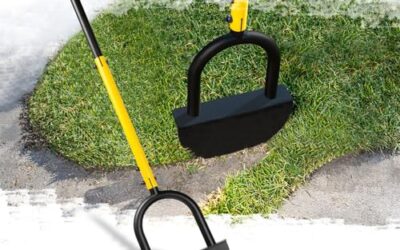
The Lilyvane is a dual-head garden hoe for weeding and cultivating. One side has a stirrup hoe, and the other has a four-tine cultivator. It may suit home gardeners who want both tasks covered with one long-handled tool.
The hoe edge is designed for slicing weeds with a push-pull motion, while the tines help loosen and aerate soil. This setup can be useful for working garden rows, flower beds, and gravel areas, though results depend on soil and weed conditions.
The listed dimensions are 5 by 3.5 by 62 inches. Its handle uses detachable sections that screw together by hand, and the tool heads connect with screws. The long reach may reduce bending, but the listing does not provide assembled weight or grip details.
In a backyard vegetable or flower garden, the two heads can handle routine weeding and soil preparation without switching between separate tools. The long handle may also help reach under shrubs or into deeper beds without stepping into the growing area.
The product information describes metal construction and sharp working edges, so handle and store it carefully. Check that connections are secure before use, and clean soil from the heads after gardening. Gardeners who need a compact tool for close work, or who prefer a short handle, may want a different style.
Consider this tool if you want a detachable, long-handled hoe with both weeding and cultivating functions. For heavy digging or precise work among tightly spaced plants, a dedicated tool may offer better control.
Best For / Avoid If
Best for buyers prioritizing
- Combines two useful garden heads in one tool.
- Long handle can help reach farther into beds without stepping into them.
- Detachable, screw-together sections allow compact storage compared with a single-piece long handle.
Consider another option if
- The 62-inch handle may be awkward in tight spaces or for gardeners who prefer short-handled tools.
- The product information does not specify assembled weight or handle grip details.
- Sharp edges and tines require careful handling and storage.
Pros
- Combines a stirrup hoe and soil cultivator in one tool.
- Adjustable handle length offers a standing-use option.
- Listed steel handle has a non-slip rubber grip.
Cons
- May require more effort in hard or compacted soil than in loose to medium soil.
- Gardeners needing a short-handled tool for close, detailed work may prefer a different hoe.
The EUIJOIP is a manual stirrup hoe and cultivator for weeding and loosening soil. Its combination head is intended for gardeners maintaining flower or vegetable beds who want one tool for several routine soil tasks.
The stirrup blade cuts weeds when pushed or pulled, while four hoe spurs loosen soil. Product information identifies loose to medium soil as the intended working condition and lists furrowing, seeding, and cultivating among its uses.
The handle adjusts by adding or removing extensions and reaches 62 inches. It is made of steel, measures 1 1/8 inches in diameter, and has a non-slip rubber grip. Listed dimensions are 5 x 5.5 x 62 inches; the product weighs about 2.87 pounds.
Use it to weed and cultivate accessible garden beds or loosen soil before furrowing and seeding. The adjustable length may suit gardeners who prefer to work standing, while removable extensions allow a shorter configuration.
The listed blade is sharp at both ends, so handle and store it carefully to avoid accidental cuts. The tool is described for loose to medium soil, so gardeners working frequently in compacted ground may need a different tool or more effort. Check blade and handle connections periodically during use.
This tool may suit homeowners seeking a manual, multi-tasking bed cultivator with an adjustable long handle. Gardeners needing a compact hand hoe or a tool intended for hard, compacted soil should consider another option.
Best For / Avoid If
Best for buyers prioritizing
- Combines a stirrup hoe and soil cultivator in one tool.
- Adjustable handle length offers a standing-use option.
- Listed steel handle has a non-slip rubber grip.
Consider another option if
- May require more effort in hard or compacted soil than in loose to medium soil.
- Gardeners needing a short-handled tool for close, detailed work may prefer a different hoe.
Pros
- Multiple handle lengths can reduce the need to bend over while working.
- Lightweight construction may be easier to control than a heavier garden hoe.
- Tool-free assembly makes setup relatively simple.
Cons
- The 30-inch setting may still require some bending for taller gardeners.
- Gardeners who need a dedicated digging or deep soil-breaking tool may prefer a heavier, differently shaped hoe.
- The listed specifications do not provide details about a replacement head, storage feature, or warranty.
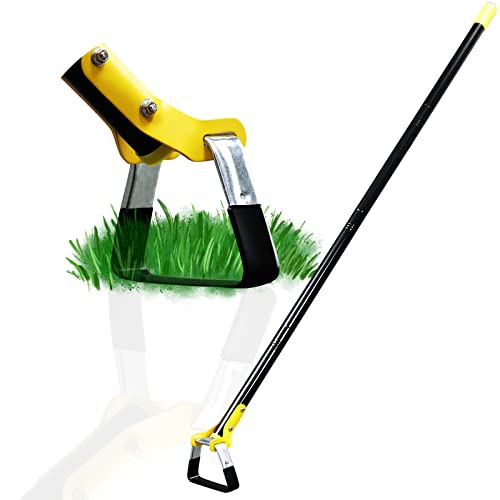
The DonSail Adjustable Stirrup Hoe is a long-handle weeding tool for removing weeds, cutting weed roots, and cultivating soil around growing plants. Its push-pull design is aimed at routine garden-bed maintenance, making it suitable for homeowners and gardeners who want to work from a standing position more often.
The feature set suggests a practical balance between reach and maneuverability. The adjustable handle offers 30, 43, and 60-inch settings, while the lightweight hollow steel construction is listed at 1 pound. This combination may help gardeners work through longer weeding sessions without the tool feeling overly cumbersome.
The tool is made with an extra-thick 1.3-inch-diameter steel construction, according to the product information. It measures up to 61 inches in its listed dimensions and assembles by screwing three pieces together without additional tools. Check that the sections are firmly connected before use, especially when applying repeated push-pull pressure.
In a backyard vegetable bed, flower border, or other planted area, the loop-style head can be used for surface weeding and light cultivation between established plants. The shorter settings may be useful in tighter spaces or raised beds, while the longer setting can provide more reach in larger beds. Work carefully near plant stems and shallow roots to avoid unwanted contact.
This hoe is best suited to routine surface weeding rather than tasks that require deep digging, heavy soil breaking, or a broad digging blade. Clean soil from the head after use and inspect the threaded connections periodically. Gardeners seeking an adjustable, relatively lightweight tool for regular bed maintenance may find it a useful fit, while those needing substantial digging leverage should consider a different hoe style.
Best For / Avoid If
Best for buyers prioritizing
- Multiple handle lengths can reduce the need to bend over while working.
- Lightweight construction may be easier to control than a heavier garden hoe.
- Tool-free assembly makes setup relatively simple.
Consider another option if
- The 30-inch setting may still require some bending for taller gardeners.
- Gardeners who need a dedicated digging or deep soil-breaking tool may prefer a heavier, differently shaped hoe.
- The listed specifications do not provide details about a replacement head, storage feature, or warranty.

Pros
- Adjustable handle length offers more than one working position.
- Carbon steel blade supports both surface scraping and below-surface weeding.
- Assembly is described as tool-free, with poles screwed together.
Cons
- The listed description combines stirrup hoe and four-tine cultivator features, so confirm which head configuration is included before purchase.
- Gardeners needing a short, fixed-length tool may prefer a simpler handle.
- The product information does not specify blade width or detailed care instructions.
Oliynedy’s adjustable stirrup hoe is a manual weeding tool for scraping weeds near the soil surface or working the blade below the surface. It may suit homeowners maintaining flower beds or vegetable gardens who want a long handle with adjustable length.
The listed carbon steel blade has a sharp end intended for surface scraping and below-surface weed removal. The product description also mentions a four-tine hand cultivator for loosening soil and weeding, though it does not clearly explain how that head relates to the stirrup hoe configuration.
The handle adjusts from 32 to 72 inches and is described as stainless steel, with a listed diameter of 1 1/7 inches. The poles screw together without extra tools, and the product information estimates assembly at five minutes. The listed weight is 1 pound.
For backyard use, the adjustable length may help gardeners work from a standing or seated position in beds where weeds need regular attention. The listed 72-inch overall length may also help reach farther across a bed, while the shorter setting offers a different working position.
The product information does not give blade width or detailed maintenance guidance. Keep the sharp blade clear of hands and feet during use, and check pole connections before working. No specific performance claim for compacted soil can be confirmed from the listed specifications.
Consider this tool if adjustable reach and manual surface weeding fit your routine. Gardeners who need a clearly specified head configuration or a detailed blade-size measurement may want to confirm those details before choosing.
Best For / Avoid If
Best for buyers prioritizing
- Adjustable handle length offers more than one working position.
- Carbon steel blade supports both surface scraping and below-surface weeding.
- Assembly is described as tool-free, with poles screwed together.
Consider another option if
- The listed description combines stirrup hoe and four-tine cultivator features, so confirm which head configuration is included before purchase.
- Gardeners needing a short, fixed-length tool may prefer a simpler handle.
- The product information does not specify blade width or detailed care instructions.
Pros
- Adjustable length offers more than one working height.
- Push-pull design can support surface-level weeding without repeated chopping motions.
- Listed weight is 1.8 pounds.
Cons
- The listed dimensions describe the longest configuration, so storage needs may vary with assembly.
- A scuffle hoe may be less suitable for deep-rooted weeds or breaking compacted soil.
- The product information does not specify head width, replacement parts, or maintenance instructions.
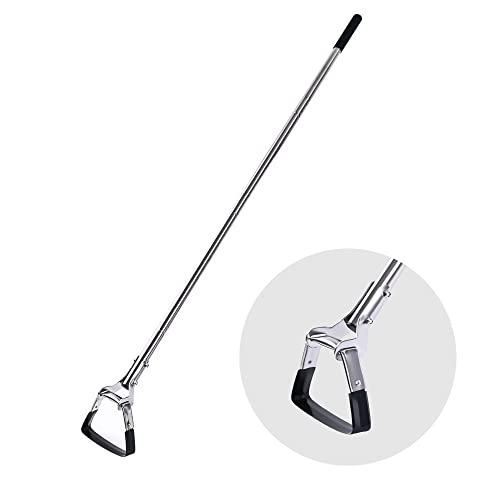
The BARAYSTUS Garden Hoe is an adjustable scuffle hoe intended for push-pull weeding and shallow soil work. Its listed tasks include loosening soil, sowing, planting, and ditching, making it a possible fit for homeowners maintaining beds and garden rows.
The push-pull action and triangular head are described as sliding beneath topsoil to loosen it and cut weeds. This approach is aimed at routine surface work rather than digging deeply around established plants.
The handle can be set to three listed lengths: 55.9, 41.75, or 27.55 inches. Product information lists a thickened stainless steel rod and a total weight of 1.8 pounds. It does not provide details about the head material or a specific assembly method.
In a backyard vegetable or flower bed, the tool may help with shallow weeding between planting sessions. The shorter settings may also suit users who prefer a compact working length, while the longest setting can reduce the need to work close to the ground.
Scuffle hoes work best on small weeds and loose or moderately workable surface soil. This tool may be less suitable for deep-rooted weeds, hard ground, or precise work close to delicate stems. Check that sections are secure before use, and clean soil from the head after gardening.
Consider this hoe if adjustable handle length and push-pull surface weeding match your routine. Gardeners needing deep digging, detailed close-in work, or specified replacement components should compare other tool types.
Best For / Avoid If
Best for buyers prioritizing
- Adjustable length offers more than one working height.
- Push-pull design can support surface-level weeding without repeated chopping motions.
- Listed weight is 1.8 pounds.
Consider another option if
- The listed dimensions describe the longest configuration, so storage needs may vary with assembly.
- A scuffle hoe may be less suitable for deep-rooted weeds or breaking compacted soil.
- The product information does not specify head width, replacement parts, or maintenance instructions.
Best Garden Hoe For Weeding buying guide
Choose a head for weed type and soil task
A stirrup or loop blade is intended to slice weeds near the soil surface as you push and pull. It suits repeated shallow passes in open rows and bed edges. A tine cultivator loosens soil and can reach around a weed’s base, but it also moves more soil; use controlled strokes near crop roots.
Combination tools pair a hoe blade with a tine head, reducing tool changes when you both weed and cultivate. They do not make every weed-removal job interchangeable: a shallow cutter may sever top growth without removing a deep root. If full root removal is your priority, compare the tine arrangement and intended use rather than relying on broad claims.
Match handle length to your posture
Measure the handle range against how you plan to work. The listed options span adjustable lengths, from a shortest stated length of 16 inches on the WELLOPLO to long settings of 72 inches on one Oliynedy model. Other examples include DonSail’s 30, 43, and 60-inch settings and BARAYSTUS’s 27.55, 41.75, and 55.9-inch settings.
A longer handle can reduce the need to bend, but may be awkward between close plants or in a narrow bed. A shorter setting can help with seated work or tight spaces, though it may require a more forward posture. Check that extension joints stay secure, and do not assume listed maximum length will suit your height or reach without trying the working position safely.
Consider materials and construction details
Product listings identify materials such as carbon steel blades, stainless steel or steel handles, and cast steel heads. These details describe construction, not verified durability. A thicker handle specification does not establish tool weight, joint strength, or service life; those details are not consistently supplied here.
Look closely at how a head attaches to its handle and how extension sections connect. Multi-section handles can make storage easier, but every joint is a connection to inspect before use. Tighten or assemble parts according to the manufacturer’s instructions, and stop if a head or section feels loose.
Assess comfort beyond handle length
Grip shape, total weight, balance, and the effort needed to move the head affect comfort over repeated strokes. Only some listings mention a grip: the EUIJOIP listing describes a non-slip rubber grip. Several products are described as lightweight, but published data gives no measured weights, so that claim cannot support a direct weight comparison.
For older gardeners or anyone who prefers less bending, adjustable long handles can help adapt working posture, but they do not remove strain or guarantee comfort. Start with short, controlled passes and take breaks. If you need precise removal close to stems, a long loop head may feel less controllable than a hand tool.
Fit tool width and motion to garden space
Open rows and broad paths give a push-pull hoe room to travel. Small raised beds, crowded plantings, and narrow gaps call for slower, shorter strokes so the blade does not hit stems or disturb wanted plants. A cultivator can be useful for loosening soil, but tine heads need clearance too.
Do not force a long-handled hoe under low branches or through tightly packed plants. Work from an accessible edge when possible, and use a smaller hand tool where the head cannot move freely. A tool’s claimed versatility does not mean its head will fit every garden layout.
Check assembly and storage before buying
Assembly descriptions differ. Product 1 says its sections screw together and its head attaches with a supplied bolt; Product 3 describes hand assembly; Product 2 lists installation tools and a modular handle. Those are listing details, not an independent assessment of setup time or ease.
Detachable or adjustable handles can reduce storage length, but confirm assembled dimensions and storage space before ordering. Keep a sharp head secured and away from children and walkways. Our advice on storing long-handled garden tools covers practical organization considerations.
Plan routine care and realistic service life
Soil left on a metal head can make inspection and storage harder. After use, remove soil, dry the tool, and check the blade, head attachment, and handle joints for looseness or damage. Follow care instructions supplied by the manufacturer; the product data does not establish a maintenance schedule or service life.
Keep cutting edges in suitable condition and handle them carefully during cleaning or sharpening. A sharp edge can cut skin. For detailed guidance, use our garden hoe sharpening guide, and follow the tool maker’s instructions.
Use safe technique and avoid common mistakes
Wear sturdy footwear and gloves; the WELLOPLO listing specifically advises gloves to reduce blisters. Keep feet and hands clear of the moving blade, use a controlled push-pull motion, and check the work area for stones or other obstacles. Do not swing a loop hoe like a chopping hoe.
A common mistake is working too deeply when shallow cutting would do, which can disturb nearby roots and bring more soil into motion. Another is using a long setting that forces a reach or twist. Begin with light strokes, inspect the result, then adjust depth, handle length, or tool type.
Research methodology and trust
We screened the listed products for a direct match to garden weeding and kept long-handled stirrup hoes, scuffle hoes, and combination hoe-cultivators. We compared stated head styles, tine counts when provided, handle ranges, construction materials, assembly details, and listed uses. Recommendations reflect specification fit for different home-garden tasks, not a claim that one design works best in every soil or bed.
This is research-based analysis, not physical testing. The published ratings show 0 reviews for all seven products, so there is no owner-feedback sample to analyze. Ratings therefore do not distinguish these options, and no conclusions about real-world durability, comfort, or performance can be drawn from them.
We reviewed the available product information during October 2026. Ranking considerations include task fit, adjustable working length, useful combination features, described grip or assembly details, and limitations in the evidence. Prices and listing information may change; confirm current details and instructions with the seller and manufacturer before purchase.
Frequently asked questions
What type of hoe suits routine weeding?
A stirrup or scuffle hoe suits shallow push-pull cutting in open areas. A combination hoe with tines adds soil loosening and a way to work around some weeds. Pick according to whether you need surface cutting, cultivation, or both.
How long should my garden hoe handle be?
Choose a length that lets you reach the work without leaning or stretching, while keeping control of the head. Adjustable models can suit different tasks, but a long handle may be cumbersome in a compact bed. Check the listed minimum and maximum, not only the product name.
Can a stirrup hoe remove deep-rooted weeds?
A stirrup blade is intended to cut near the soil surface, so cutting top growth does not necessarily remove a deep root. A tine cultivator may help loosen soil around a weed, but results depend on the weed and soil. Use a more precise hand tool if root removal near plants is important.
Will a long-handled hoe work in a small garden?
It can work in open rows or along bed edges, especially if its handle shortens. Narrow beds and crowded plantings limit the space needed for a push-pull stroke. Use controlled movements and choose a hand tool where the hoe head cannot pass without striking plants.
How should I maintain a garden hoe?
Remove soil after use, dry the head, and inspect edges, fasteners, and handle joints. Follow manufacturer care directions, since the published listings do not give a common maintenance schedule. Handle and store cutting edges carefully.
How long will a garden hoe last?
The published information does not establish lifespan for any model. Material descriptions and durability claims are not substitutes for long-term owner data, and every listing has zero reviews here. Inspect the tool regularly and discontinue use if a head or handle connection is damaged or loose.
What safety steps matter when using a hoe?
Wear gloves and sturdy footwear, keep hands and feet clear of the head, and use controlled strokes. Check that handle sections are secure before work and keep the sharp head away from people, pets, and walkways. Follow the manufacturer’s safety instructions.
Continue your garden research
Browse more practical guides in Garden Tools & Pruning.
For product comparisons, see Best Pruning Shears For Small Hands: Reviews and Buying Guide.
See how Dove Creek Gardens researches and compares products.