


Few things are more frustrating during routine garden maintenance than watching clean cuts turn into ragged, shredded wood. When gardeners ask why do pruning shears tear branches, the root cause usually comes down to dull cutting edges, improper pivot tension, or choosing the wrong tool mechanism for the job. Clean cuts allow woody plants and perennials to form protective callus tissue quickly, whereas torn bark exposes underlying vascular layers to moisture loss, opportunistic fungal spores, and insect pests.
This practical guide is designed to help home gardeners, small-space growers, and older yard owners diagnose why their cutting tools damage stems and how to restore clean slicing performance. Evaluating tool mechanics and blade geometry reveals the exact criteria for avoiding torn limbs. Understanding how blade clearance, cutting leverage, and wood diameter interact will help you diagnose your current tools and choose reliable replacements from our garden tools and pruning resources.
By understanding why tears happen, you can protect the health of your fruit trees, ornamental shrubs, and flowering perennials while reducing hand fatigue. Whether you manage a compact suburban yard, a raised patio garden, or an established landscape, diagnosing branch tearing will extend the life of your equipment and keep your plantings thriving.
Dull Cutting Edges and Bevel Degradation
The most frequent reason why pruning shears tear branches is a dull cutting edge. Pruning shears do not chop wood like an axe; bypass models operate like heavy-duty scissors, sliding a sharpened blade past a counter-blade. When the cutting bevel loses its keen edge, it fails to slice through outer bark and tough phloem fibers. Instead of separating cleanly, the blade crushes the stem until resistance forces the branch to buckle and tear.
Sharpening garden pruners requires maintaining the factory bevel angle, which typically sits between 20 and 25 degrees. Gardeners should hone only the outer beveled side with a fine diamond file or whetstone, finishing with a flat stroke across the back to remove microscopic burrs. Maintaining this edge prevents crushing and ensures effortless cuts across both soft green growth and seasoned dormant wood.
Loose Pivot Tension and Blade Separation
Even a razor-sharp blade will chew and tear stems if the central pivot bolt is loose. When cutting resistance increases, loose blades separate sideways. This gap allows flexible bark and tough fibrous wood to wedge between the cutting blade and the counter-blade rather than being sheared off. The result is a jammed tool and a shredded branch that leaves the plant susceptible to disease.
Proper tension should allow the shears to open and close smoothly under spring pressure without lateral play. You can test this by holding the handles and gently rocking the blades side to side. If you feel movement or see daylight between the mating surfaces, tighten the center locknut in slight increments until the wobble disappears without binding the handles.
Bypass Versus Anvil Blade Geometry
Using the wrong cutting mechanism for live wood is a widespread mistake. Bypass pruners feature a sharp, curved blade that sweeps past a curved hook, making them the standard choice for living branches, delicate stems, and green growth. They create crisp, surgical wounds that heal rapidly.
In contrast, anvil pruners bring a single straight sharp blade down onto a flat, softer metal or plastic block. While anvil tools work well for brittle, dead wood, they inherently crush living stems before cutting through them, causing severe bark tears on green shoots. If you are pruning live shrubs and saplings, always choose bypass shears to prevent cambium trauma.
Exceeding Stated Cutting Capacity
Standard one-handed pruning shears are engineered for stems measuring between one-half inch and three-quarters of an inch in diameter. Forcing hand shears through thicker, dense limbs causes the tool handles to flex and forces the blades out of alignment mid-cut. This overload inevitably splits the wood and strips long sections of bark down the branch.
When dealing with branches that approach or exceed one inch, put down your hand pruners and switch to a tool with appropriate mechanical advantage. A dedicated folding pruning saw for gardeners delivers clean cuts through medium limbs without stressing tool joints or stripping live bark.
Improper Cutting Angle and Lateral Twisting
Technique plays an equally critical role in cut quality. When a stem does not sever immediately, gardeners often instinctively twist or wrench the tool sideways to finish the cut. This lateral twisting torques the blade away from the anvil hook, creating jagged tears and potentially bending the hardened steel blade permanently.
For clean results, position the branch deep inside the jaw near the pivot point where leverage is greatest. Slice across the stem at a slight 45-degree angle just above an outward-facing bud, closing the handles in a single smooth, decisive squeeze without rotating your wrist.
Sap Buildup, Corrosion, and Blade Cleanliness
Sap, plant resins, and dirt collect along blade flats during normal gardening chores. Over time, this sticky accumulation increases friction, pushes blades apart, and creates drag during cutting strokes. In damp environments, rust pits the cutting edge, turning a smooth bevel into a jagged saw-like edge that frays wood fibers.
Clean your shears after every pruning session using isopropyl alcohol or warm soapy water with a stiff nylon brush. Wipe the steel completely dry and apply a light coat of mineral oil or camellia oil across all metal surfaces before storage to inhibit corrosion and keep pivot mechanisms moving freely.
Tool Sizing and Ergonomics for Older Hands
Hand strength directly impacts cutting execution. When gardeners with arthritis or limited grip strength use oversized, heavy shears, they cannot generate the clean, single-action force required to slice through tough wood. Incomplete cuts often lead to pulling or tearing stems free by hand.
Selecting shears matched to hand size, or choosing models equipped with rolling handles or ratcheting mechanisms, significantly reduces required grip effort. Just as an ergonomic hand trowel for arthritis minimizes joint strain during soil work, well-balanced pruning tools protect both your hands and your landscape plantings.
When to Transition to Saws or Power Pruners
Knowing when a task exceeds hand shear capability protects your garden from torn bark wounds. Attempting to prune thick, mature canopy branches overhead with standard shears risks damaging both the plant and the user. For limbs thicker than your thumb, reaching for a specialized pruning saw for thick branches guarantees a smooth, flat cut that trees can seal over naturally.
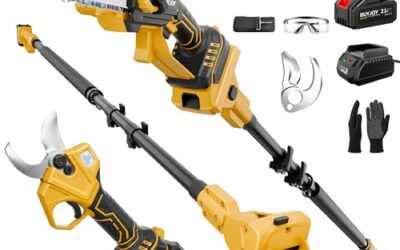
Similarly, when managing high-reach fruit trees or overhead landscape branches, using a cordless pole pruner for small trees eliminates the temptation to twist or yank high limbs from an unstable ladder position. Matching the tool to branch thickness is the most dependable way to avoid bark tear-out.
Research Methodology and Trust
At Dove Creek Gardens, our tool analysis relies on structural evaluation, metallurgical specifications, and documented plant physiology principles rather than speculative claims. For this September 2026 update, our editorial evaluation focused on resolving the specific mechanical causes of torn plant stems across domestic pruning tools.
We examined blade metallurgy, evaluating high-carbon steels and forged alloys alongside pivot lock designs, spring durability, and ergonomic geometry. We also synthesized hundreds of owner experiences, cross-referencing common tool failures such as blade separation, sap gumming, and hinge loosening against standard pruning practices.
Please note that this guide represents desk-based research and horticultural engineering analysis rather than lab-controlled physical wear testing. Our recommendations emphasize maintainability, user safety, and clean horticultural cut standards so home gardeners can invest in equipment that preserves plant health over years of regular use.
Frequently Asked Questions About Why Pruning Shears Tear Branches
Can torn branches harm plant health?
Yes, torn branches create ragged wounds with loose bark flaps that take much longer to compartmentalize than clean cuts. These rough edges trap moisture and create entry points for wood-boring pests, fungal infections, and bacterial decay. Trimming torn ends flush with sharp shears helps the shrub or tree heal cleanly.
How often should I sharpen pruning shears to prevent tearing?
For average home gardeners, a light touch-up with a fine diamond sharpening hone after every five to ten hours of active pruning keeps the blade in optimal condition. If you notice stems bending or requiring multiple squeezes to sever, stop immediately and sharpen the cutting edge before continuing.
Should I use bypass or anvil pruners for live branches?
Always use bypass pruners for living branches. The scissor action cleanly slices through sensitive plant tissue and cambium layers without crushing. Anvil pruners should be reserved strictly for brittle, dead wood where crushing stem vascular tissue is not a concern.
How do I adjust the pivot bolt to stop my shears from chewing wood?
To eliminate blade gap, loosen the locking plate or retaining nut slightly, tighten the main pivot bolt until both blade faces sit flush without daylight between them, and re-engage the lock. The blades should touch along their entire cutting sweep while still opening smoothly under the tension of the return spring.
What is the maximum branch size hand shears should cut?
Most standard bypass pruners are intended for stems between one-half inch and three-quarters of an inch in diameter. Forcing hand shears onto thicker limbs causes the blades to twist, resulting in ragged tears and permanent tool misalignment. Use loppers or a pruning saw for larger wood.
How does sap removal help avoid branch damage?
Hardened sap creates an uneven layer between the blade and counter-blade, forcing them apart and producing excessive friction. Cleaning blades with rubbing alcohol or citrus cleaner restores close metal contact, allowing the sharp edge to pass cleanly against the bypass hook without snagging bark.
Continue your garden research
Browse more practical guides in Garden Tools & Pruning.
For product comparisons, see Best Pruning Shears For Small Hands 2026: Reviews and Buying Guide.
See how Dove Creek Gardens researches and compares products.