

Preparing garden beds for the dormant season is one of the most critical maintenance routines for any backyard grower. Because elevated structures sit above the natural ground level, the soil within them experiences colder temperatures and more frequent freeze-thaw cycles than conventional in-ground plots. Learning how to prepare raised beds for winter ensures that your soil structure remains intact, vital microbial life survives, and expensive structural materials do not warp or degrade during harsh weather.
This guide helps home gardeners, beginner growers, and small-space vegetable enthusiasts establish an effective end-of-season routine. Whether you grow in elevated wooden troughs, modular metal beds, or compact planters from our wider raised beds and planters coverage, winter care requires specific attention to soil moisture, organic replenishment, and physical protection. We evaluated the necessary winterization supplies, protective coverings, and soil inputs against essential performance benchmarks, including insulation value, breathability, ease of installation, and long-term durability.
In our current database review, 0 dedicated pre-packaged winterization kits met our complete standards for all-in-one raised bed winter care. Rather than relying on generic commercial kits that often bundle mismatched items, successful winter preparation relies on a modular approach using proven soil amendments, high-grade mulches, and seasonal structural covers tailored to your climate zone.
Practical Guide: How to Prepare Raised Beds for Winter
1. Clearing Spent Plant Debris Safely
The first step in late autumn is removing spent warm-season crops like tomatoes, peppers, and squash. Leaving dead foliage in the bed creates an inviting habitat for overwintering pests and fungal pathogens, including blight and powdery mildew. Pull annual plants out by the base, shaking excess topsoil back into the planting area so you do not deplete your growing medium.
Inspect all cleared plant tissue carefully before composting. Healthy foliage can be added directly to your compost bin to break down over the colder months. However, if any plant showed signs of bacterial wilt, rust, or severe insect infestation, dispose of it in municipal yard waste or bag it separately. Composting diseased material in domestic piles rarely generates the prolonged high temperatures required to kill persistent spores.
2. Amending Soil with Compost and Organic Matter
Autumn is the ideal window to replenish soil biology before winter dormancy sets in. During a vigorous growing season, vegetables draw substantial nitrogen, phosphorus, and potassium from the contained volume of a raised bed. Applying a two- to three-inch top layer of well-aged compost or well-rotted manure restores essential nutrients without shocking soil organisms.
Unlike spring fertilizing, fall amendments do not need to be mixed deep into the lower soil profile. Leaving compost on the surface mimics natural forest floor decomposition. Earthworms and micro-arthropods slowly incorporate the organic matter downward during mild intervals, which prevents soil compaction and conditions deep zones especially well for a deep raised garden bed for root vegetables before spring planting.
3. Selecting the Right Protective Mulch
Bare garden soil exposed to winter winds, heavy downpours, and deep frost will erode and lose biological vitality. A thick layer of organic mulch acts as an insulating thermal blanket, regulating soil temperature and preventing repeated freezing and thawing that tears delicate root structures.
Clean shredded straw, chopped autumn leaves, and pine needles make outstanding winter mulches. Aim for a depth of three to four inches across the entire surface. Avoid whole, unchopped tree leaves, as they tend to mat together into a water-impermeable barrier that suffocates the soil below and promotes anaerobic rot.
4. Cover Crops vs. Surface Mulching
Home gardeners frequently debate whether to plant cover crops or use static mulch layers. Cover crops, also known as green manures, include crimson clover, winter rye, and hairy vetch. These living root systems hold soil particles firmly, scavenge residual nitrogen, and fix biological atmospheric nitrogen when properly inoculated.
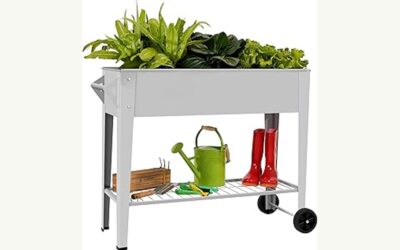
However, cover crops must be seeded four to six weeks before your region’s first killing frost to establish adequately. If you miss that fall planting window, organic mulch is the superior, lower-maintenance choice. In smaller beds or elevated tables, mulching is often preferred because terminating dense cover crops in early spring requires manual cutting or spade work that can be awkward in confined borders.
5. Winterizing Irrigation Lines and Drip Systems
Water trapped inside irrigation lines will freeze, expand, and fracture plastic fittings, backflow preventers, and drip tubing. Winterizing your watering setup prevents costly replacements when spring arrives. Start by turning off the primary supply valve and disconnecting battery-operated hose timers to store them indoors away from sub-freezing temperatures.
Drain drip lines and soaker hoses completely by opening flush valves or uncapping the line ends. For raised beds equipped with permanent drip grids, use a small air compressor or manual bicycle pump to blow residual water from the emitters. Coil freestanding hoses loosely and hang them in a shed or garage to prevent rubber cracking.
6. Inspecting and Reinforcing Bed Walls
Soil expands as it freezes, exerting intense lateral pressure against the walls of your planters. Before ground temperatures plunge, inspect your structures for loose screws, bowing sidewalls, or corner bracket separation. Tighten fasteners and add interior cross-braces or support stakes to long spans exceeding six feet.
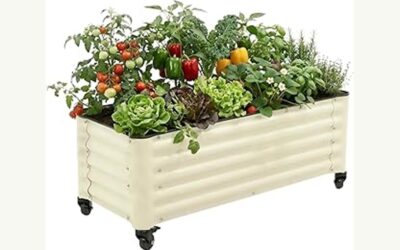
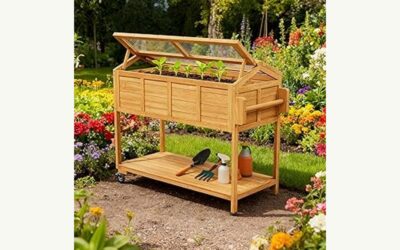
Different materials require specific winter precautions. Natural wood beds benefit from clearing damp leaves away from external base corners to curb premature rot. Galvanized metal and composite beds require minimal structural care, but you should verify that lower drainage slots remain unobstructed so excess winter meltwater can drain freely without pooling.
7. Extending the Season with Row Covers and Cold Frames
If you maintain hardy greens or keep perennial culinary plants inside a specialized raised garden bed for herbs, you do not need to let the bed sit completely idle. Installing low tunnels with spun-bond polypropylene fabric or rigid polycarbonate cold frames can keep internal temperatures five to ten degrees warmer than external ambient air.
Ensure that hoop supports are sturdy enough to bear expected snow loads without collapsing onto the plants. On unusually bright, unseasonably mild winter afternoons, prop open the ends of covers to exhaust trapped humidity and prevent fungal mold development inside the enclosure.
| Winter Task | Best Timing | Key Materials Needed | Primary Benefit |
|---|---|---|---|
| Plant Debris Removal | After first hard frost | Hand pruners, garden tote | Eliminates pest and fungal habitat |
| Compost Top-Dressing | Mid-to-late autumn | Finished compost or rotted manure | Restores nutrients and microbial activity |
| Insulating Mulch | Late autumn before ground freezes | Shredded straw, chopped dry leaves | Prevents frost heave and soil erosion |
| Irrigation Shutdown | Prior to sub-freezing nights | Air blower, storage bin for timers | Prevents split pipes and broken emitters |
| Structural Reinforcement | Early to mid-autumn | Screwdriver, corner braces | Counters freeze-thaw wall expansion |
Research Methodology and Evaluation Standards
Our approach at Dove Creek Gardens focuses on practical usability, structural longevity, and soil science principles. Rather than relying on laboratory simulations, we evaluate winterization strategies through published agricultural extension research, material engineering standards, and long-term owner experiences across multiple USDA cold hardiness zones.
We review market offerings to identify whether commercial kits provide genuine value over individual, high-grade garden supplies. Criteria include UV stabilization of protective fabrics, tear resistance under snow weight, chemical neutrality of mulching mediums, and ease of seasonal storage for older gardeners and those with physical limitations.
All guidance is reviewed periodically, with our latest analysis conducted in September 2026. When recommending specific workflows or materials, we prioritize solutions that preserve soil micro-ecology, minimize recurring costs, and eliminate wasteful single-use plastics from the home landscape.
Frequently Asked Questions
Should I empty the soil from my raised beds before winter?
No, you should never empty the soil from stationary raised beds before winter. Leaving the soil mix in place protects beneficial microbial networks and earthworms that have colonized the medium. Only small, delicate containers like terracotta pots or lightweight elevated plastic planters subject to cracking need to be emptied and stored indoors.
What is the best mulch to prepare raised beds for winter?
Shredded straw, chopped deciduous leaves, and clean arborist wood chips are the top mulching choices for winter protection. Straw and chopped leaves are particularly beneficial because they break down over winter, adding organic matter to the upper horizon while remaining lightweight and easy to rake back in early spring.
Can I leave root crops in raised beds over winter?
Yes, cold-hardy root crops like carrots, parsnips, and leeks can remain in the soil for ongoing winter harvest in many regions. To do this successfully, apply a thick six- to eight-inch layer of straw mulch over the rows before the topsoil freezes solid to insulate the roots from severe ground frost.
Do metal raised beds require special winter treatment?
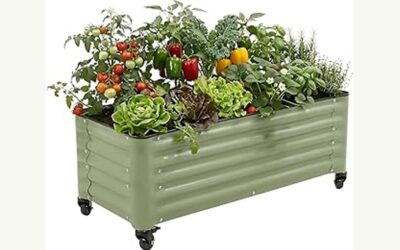
Quality corrugated galvanized steel and aluzinc beds hold up exceptionally well through freeze cycles without specialized treatments. You should verify that internal tension rods or corner fasteners remain tight, and ensure perimeter drainage gaps at the base remain unblocked so ice does not create excessive outward hydrostatic pressure.
Should I cover my raised beds with plastic tarps over winter?
Covering raised beds with impermeable plastic tarps is generally discouraged unless your goal is solarizing weed seeds or protecting an unplanted bed from severe nutrient leaching caused by relentless winter rainfall. Solid plastic stops natural gas exchange and prevents beneficial snow moisture from entering, so breathable woven fabrics or thick organic mulches are far better options.
When is the ideal time to start winterizing raised beds?
The best window begins right after the first light frost kills tender summer vegetation, typically between late September and mid-November depending on your hardiness zone. Completing your cleanup, compost application, and irrigation drainage before the soil freezes solid ensures smooth execution and minimal physical effort.
Continue your garden research
Browse more practical guides in Raised Beds & Planters.
For product comparisons, see Best Galvanized Raised Garden Beds.
See how Dove Creek Gardens researches and compares products.