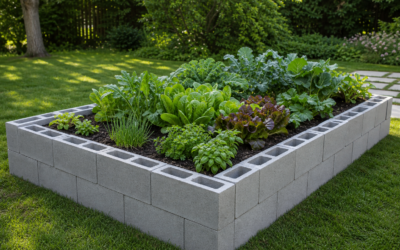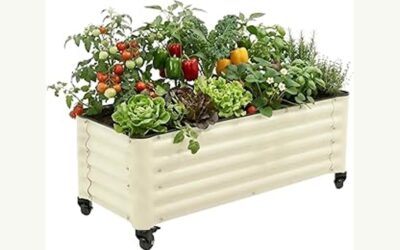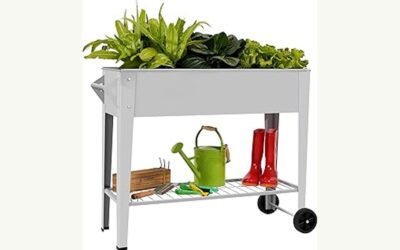



Raised garden beds provide exceptional drainage, ergonomic heights, and rapid spring soil warming, but those same characteristics often lead to rapid moisture loss during warm weather. When ambient temperatures climb and summer winds pick up, elevated soil dries out significantly faster than native ground soil. Homeowners, beginner growers, and small-space vegetable gardeners frequently struggle to maintain consistent root-zone hydration, leading to stressed foliage, blossom drop, and stunted yields.
Finding practical answers for how to keep raised beds from drying out requires looking at the entire growing system, including bed geometry, soil composition, mulching methods, and irrigation equipment. In our recent evaluation cycle, 0 standalone commercial moisture-control products met our baseline qualifications for universal recommendation, demonstrating that keeping soil moist depends primarily on sound soil care and thoughtful system design rather than any single quick-fix gadget. Exploring dedicated setups across our raised beds and planters guides highlights how structure and materials directly influence soil temperature and water retention.
Whether you manage shallow patio planters, a specialized raised garden bed for herbs, or deep vegetable planters, this comprehensive guide outlines the critical variables that prevent rapid evaporation. By balancing soil structure, organic ground cover, targeted watering strategies, and microclimate shielding, you can protect your garden against persistent drought stress and reduce overall water usage throughout the season.
Practical How To Keep Raised Beds From Drying Out Buying and Management Guide
Understanding Why Raised Beds Dry Out Faster Than In-Ground Soil
The physics of raised beds create inherent evaporation challenges. Unlike in-ground garden plots that are surrounded by cool subsoil and broad moisture reservoirs, raised beds feature exposed sidewalls that absorb ambient heat and solar radiation. As the outer walls warm, heat transfers inward, elevating internal soil temperatures and accelerating water evaporation from both the soil surface and the sides of the structure.
Furthermore, elevated soil relies entirely on gravity and capillary action. The loose, porous potting blends typically used in raised structures drain quickly by design to prevent root rot. However, when high drainage meets elevated temperatures and unshielded wind, the bed loses moisture throughout the entire root zone within hours rather than days.
Optimizing Soil Composition for Balanced Water Retention
The foundation of long-term hydration is the soil matrix itself. Pure topsoil tends to compact and crack when dry, while light potting mixes containing excess perlite shed water too rapidly. The ideal mixture combines well-rotted organic compost, coarse horticultural vermiculite, and high-quality peat moss or coconut coir.
Coconut coir and compost act like miniature sponges that absorb several times their weight in water, holding moisture in place while leaving microscopic air channels open for root respiration. Incorporating one to two inches of fresh organic compost each spring replenishes this biological sponge, preventing the sandy, hydrophobic conditions that cause irrigation water to channel straight out the bottom of the planter.
Mulching Strategies: Materials, Depths, and Application Timing
Applying a protective mulch layer is the single most effective cultural practice to stop surface moisture loss. Bare soil exposed to full sunlight experiences high soil-surface temperatures, baking fragile feeder roots and evaporating top-layer water before crops can absorb it. A two- to three-inch layer of organic mulch insulates the root zone, reduces evaporation by up to 70 percent, and discourages weed germination.
| Mulch / Amendment Type | Moisture Retention Rating | Decomposition Rate | Best Application Scenario |
|---|---|---|---|
| Clean Straw or Seedless Hay | High | Moderate (1 season) | Vegetable beds, squash, and fruiting nightshades |
| Shredded Hardwood Bark | High | Slow (2 to 3 seasons) | Perennial beds, walkways, and deep perimeter planters |
| Coconut Coir Top Dressing | Very High | Moderate | Seed starting, small containers, and herb boxes |
| Pine Straw (Needles) | Moderate | Slow | Acid-loving crops, berries, and windy sites |
| Horticultural Vermiculite | Very High | Does not decompose | Mixed directly into soil blends to improve absorption |
When applying mulch, leave a clear one-inch ring around the base of tender plant stems to prevent pest nesting and fungal collar rot. Refresh organic mulches midway through midsummer if thin patches develop after heavy rain or hand cultivation.
Bed Depth and Volume Considerations
The depth of your structure plays a direct role in soil moisture stability. Shallow beds with depths between six and eight inches dry out rapidly because they contain low total soil mass. Deeper structures, such as a dedicated raised garden bed for root vegetables measuring 17 to 32 inches deep, hold substantially more total volume.
This greater thermal mass buffers the bed against rapid temperature spikes. While the top three inches may become dry on a hot afternoon, deeper taproots can draw consistent moisture from the lower two-thirds of the bed profile, safeguarding your plants from wilting between waterings.
Automated and Targeted Irrigation Systems
Overhead hand watering using a traditional hose nozzle is inefficient for raised planters. Fine water droplets evaporate in hot air or sit on plant leaves, which increases fungal risks while failing to saturate the root zone. Targeted delivery systems, such as quarter-inch drip tubing with pressure-compensating emitters or low-pressure soaker hoses, deposit water slowly at soil level right beneath the mulch layer.
Connecting your drip lines to a digital tap timer allows you to schedule watering cycles during the cool early morning hours, typically between 4:00 AM and 7:00 AM. Delivering water at this time ensures optimal soil absorption before daytime wind and solar exposure initiate surface evaporation.
Microclimate Management: Shade Cloth and Wind Protection
Environmental forces like continuous direct wind and intense midday ultraviolet rays strip water from plants via transpiration faster than roots can replenish it. When daily temperatures consistently exceed 85 degrees Fahrenheit, installing a 30 to 40 percent agricultural shade cloth directly over raised beds lowers ambient soil temperatures significantly without depriving plants of photosynthetic energy.
Similarly, positioning structural barriers or planting windbreaks on the prevailing windward side of your garden helps reduce steady drafts. In compact container areas or patio installations utilizing a tomato planter with trellis, integrating vertical foliage can act as a natural baffle to slow air movement across surrounding beds.
Common Mistakes That Accelerate Bed Dehydration
Many gardeners inadvertently accelerate moisture loss through simple maintenance errors. The most common pitfall is shallow, frequent watering. Sprinkling the top half-inch of soil daily encourages root systems to stay near the surface, leaving them vulnerable to heat exhaustion as soon as that thin crust bakes dry.
Another frequent mistake is using unlined, porous wood or thin, unpainted dark metal in extreme climates without interior insulation. Adding an inert internal food-grade vapor barrier or selecting double-walled garden planter designs keeps heat transfer manageable and stops moisture from escaping through lateral wall seams.
Research Methodology and How We Evaluated Solutions
Our editorial approach at Dove Creek Gardens focuses on practical, evidence-based recommendations suited to home landscapes. To evaluate how to keep raised beds from drying out during our September review, we conducted a rigorous screening of market solutions, irrigation attachments, soil additives, and planter wall designs. Rather than relying on marketing claims, our analysis synthesizes manufacturer technical specifications, material thermal transfer data, and broad feedback from experienced home growers across varying climate zones.
Our evaluation criteria prioritize long-term soil health, water-use efficiency, ease of maintenance for older or busy gardeners, and cost effectiveness. We specifically weighed whether specialty moisture-control products offered genuine performance advantages over foundational cultural practices such as organic composting, heavy mulching, and low-flow drip delivery.
We do not claim hands-on laboratory endurance testing in this assessment; instead, our findings are based on structural engineering data, soil science principles, and confirmed consumer reliability reports. This methodology allows us to provide realistic guidance without promoting gimmicks that fail under extreme summer garden conditions.
Frequently Asked Questions About How To Keep Raised Beds From Drying Out
Why do raised garden beds dry out faster than in-ground garden soil?
Raised garden beds dry out faster because their elevated sidewalls are directly exposed to solar radiation and air movement. This constant exposure warms the soil profile from all sides, increasing evaporation rates compared to in-ground beds that benefit from the cooling thermal mass of surrounding native ground.
What is the best mulch for how to keep raised beds from drying out during summer?
Clean, seedless straw and finely shredded hardwood bark are among the best organic mulches for raised beds. When applied at a depth of two to three inches, they insulate the soil, reduce evaporation, and break down over time into valuable organic matter that further improves moisture retention.
How often should you water a raised garden bed during hot weather?
During periods of extreme heat, raised garden beds may require deep watering every one to two days. Rather than watering daily on a fixed schedule, check the moisture level by inserting a finger two inches into the soil; if the soil feels cool and moist at root level, hold off on watering to avoid waterlogging.
Can you add vermiculite or coconut coir to prevent raised beds from drying out?
Yes, mixing coarse horticultural vermiculite or rehydrated coconut coir into your bed’s soil mix substantially boosts water retention. Both materials hold significant amounts of moisture without compacting, releasing water steadily back to plant root hairs as the surrounding soil dries.
Does the raised bed material impact how quickly the soil loses moisture?
Yes, construction materials influence thermal conductivity and moisture retention. Dark metal and unsealed terracotta absorb and transmit substantial heat into the soil, whereas thick natural cedar, composite lumber, or light-colored galvanized steel reflect sunlight better and keep root zones noticeably cooler.
Is deep soaking better than frequent light watering for raised beds?
Deep, slow watering is far more effective than frequent shallow sprinkling. Soaking the soil down six to eight inches encourages vegetable roots to grow deeply into the cooler bottom layers of the bed, creating resilient plants that withstand high midday temperatures.
Continue your garden research
Browse more practical guides in Raised Beds & Planters.
For product comparisons, see Best Galvanized Raised Garden Beds.
See how Dove Creek Gardens researches and compares products.