

Winter poses a severe challenge for unheated and semi-heated residential greenhouses. As nighttime temperatures drop, thin glazing panels of glass, single-wall polycarbonate, or polyethylene film lose heat rapidly through radiation, conduction, and air infiltration. Without proper thermal protection, tender perennials, cool-season greens, and overwintering potted plants face frost injury or root damage. Mastering how to insulate a greenhouse for winter allows backyard gardeners to extend their growing season, protect sensitive root systems, and reduce reliance on expensive supplementary heating.
This guide serves home growers, beginners with hobby structures, and experienced gardeners managing backyard spaces. In this analysis, 0 standalone commercial kits were evaluated from our current database. Because commercial insulation packages vary widely in quality and compatibility, we evaluated primary thermal barriers, reflective insulation, and passive heat-retention solutions against clear performance metrics. Gardeners looking to optimize their growing structures can explore complementary equipment in our Greenhouses and Garden Storage hub.
Selecting the right insulation approach depends on your local climate zone, greenhouse frame construction, budget, and natural light requirements. Our criteria prioritize thermal retention efficiency (R-value improvement), photosynthetic light transmission, ease of seasonal installation, humidity control, and resistance to ultraviolet degradation. Balancing these trade-offs ensures your plants stay protected from hard freezes without suffering from inadequate winter sunshine or fungal issues.
Practical How To Insulate A Greenhouse For Winter Buying Guide
1. Horticultural Bubble Wrap vs. Standard Packaging Film
Horticultural bubble wrap remains one of the most effective and accessible insulating materials for hobby greenhouses. Unlike standard packaging bubble wrap, commercial agricultural bubble film features heavy-duty polyethylene treated with ultraviolet inhibitors to prevent brittleness and degradation after months of direct sun exposure. In addition, horticultural grades typically utilize larger air pockets, often 25 to 30 millimeters in diameter, which trap a thicker cushion of still air compared to miniature packaging bubbles.
The primary advantage of bubble insulation is that it provides a meaningful thermal barrier while still permitting roughly 75 to 80 percent of sunlight to reach your plants. When affixed directly to the interior frame or glazing bars using specialized greenhouse clips or silicone adhesive, it creates an insulating dead-air pocket between the cold exterior panel and the greenhouse interior. For older gardeners or individuals managing tall structures, lightweight bubble rolls are simple to trim and secure without heavy lifting.
2. Sealing Drafts and Structural Air Infiltration
Air infiltration accounts for a substantial percentage of greenhouse heat loss during cold, windy winter nights. Even a well-glazed structure can lose thermal stability if cold drafts penetrate around sliding doors, loose ridge caps, louvers, and panel joints. Inspecting the greenhouse envelope in late autumn before the first hard freeze is essential for isolating unwanted air leaks.
Use clear, exterior-grade silicone sealant or heavy-duty greenhouse repair tape along loose polycarbonate joints and overlapping glass panes. For doors and operable vents, install brush seals or adhesive EPDM foam weatherstripping along the perimeter. Securing the base perimeter where the foundation meets the soil or timber framing prevents creeping ground drafts from chilling root zones. If your structure uses manual or automated roof vents, ensure that an automatic greenhouse vent opener is adjusted or fitted with an insulated cover so vents do not open prematurely on sunny but freezing winter mornings.
3. Thermal Mass and Passive Solar Heat Storage
Passive solar thermal mass buffers extreme temperature swings between daytime highs and nocturnal drops. Thermal mass materials absorb surplus solar heat during bright daylight hours and slowly radiate that stored warmth back into the greenhouse air as ambient temperatures fall below the mass temperature.
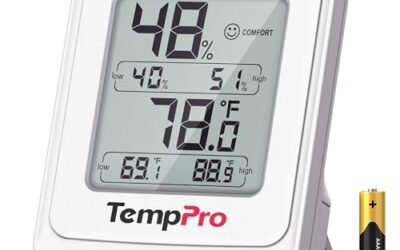
Water offers an exceptionally high specific heat capacity, making dark-colored water barrels or recycled jugs placed along the north wall an economical heating solution. Gardeners can position 55-gallon drums painted matte black along non-glazed walls, or stack smaller water containers beneath staging benches. While thermal mass alone will not maintain tropical temperatures in sub-zero climates, it frequently provides the critical 3 to 5 degrees Fahrenheit lift necessary to protect hardy greens and dormant plants from catastrophic tissue freezing.
4. Internal Microclimates and Double-Layer Enclosures
Heating or insulating the entire cubic volume of a greenhouse is often inefficient, particularly when only a fraction of the interior contains living plants. Building a “greenhouse within a greenhouse” creates concentrated thermal microclimates that trap heat directly around your crop canopy.
You can erect low wire hoops or timber frames directly over staging benches or ground beds, draping them with lightweight spun-bond horticultural fleece (floating row cover). Layering 1.5-ounce to 2.0-ounce frost fabric over cold-sensitive crops inside an already-insulated greenhouse provides double-layer protection. This method restricts convective air movement, conserves soil heat, and eliminates the need to heat unoccupied airspace near the roof ridge.
5. Ground and Perimeter Insulation
Subsoil acts as a substantial heat sink during the winter months. In uninsulated ground-floor greenhouses, cold temperatures migrate horizontally through exterior soil into the internal floor surface, pulling heat out of the structure. Insulating the greenhouse foundation and base walls significantly stabilizes internal ambient temperatures.
Installing vertical sheets of 1-inch or 2-inch extruded polystyrene (XPS) rigid foam board around the outside or inside perimeter of the foundation stops frost creep. For greenhouses built on gravel or dirt floors, laying thick rubber walkways or placing potted containers onto wooden pallets or rigid foam risers prevents cold ground contact from shocking sensitive container root systems.
6. Managing Winter Humidity and Condensation
While sealing and insulating protects against cold drafts, excessive sealing creates stagnant, high-humidity air. As warm, moisture-laden air hits cold insulated glazing, heavy condensation forms on interior surfaces. Water dripping onto foliage in cool winter conditions fosters fungal pathogens, including gray mold (Botrytis cinerea) and damping-off.
Ensure that your winter insulation strategy preserves at least some controllable ventilation. Brief midday air exchanges on sunny winter days replace damp, stale air with drier outside air without causing thermal shock. Operating a low-wattage oscillating fan helps equalize temperature pockets and prevents moisture from condensing on vulnerable plant leaves.
7. Localized Root Heating vs. Full Space Heating
Running high-wattage electric fan heaters or propane burners throughout an entire winter season can be cost-prohibitive. For most home gardeners, target heating delivers superior efficiency compared to heating ambient air. Most temperate and sub-tropical container plants tolerate cool ambient air as long as their root ball stays safely above freezing.
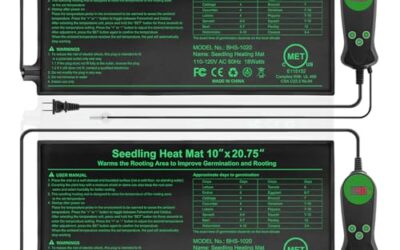
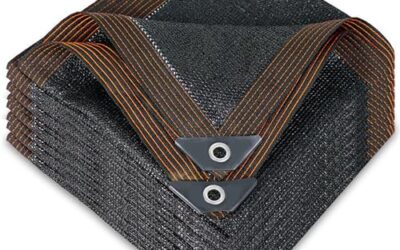
Placing winter seedlings and vulnerable potted plants on a seed starting heat mat with thermostat warms the soil directly at the root level. Combining localized bottom heat with an overhead row cover keeps plants vigorous while allowing the surrounding greenhouse air to remain several degrees cooler, drastically cutting electricity consumption. In warm seasons, you can swap out heavy winter barriers for a lighter greenhouse shade cloth to regulate high summer temperatures.
Greenhouse Winter Insulation Methods Compared
| Insulation Method | Relative R-Value Gain | Light Transmission Impact | Installation Complexity | Best Garden Use Case |
|---|---|---|---|---|
| Horticultural Bubble Wrap | Moderate (+1.0 to 1.5) | 15% to 25% Reduction | Low to Moderate | Covering glass or single-wall polycarbonate walls and roof |
| Rigid Foam Board (XPS) | High (+5.0 per inch) | 100% Light Block (Opaque) | Moderate | North walls, base kickboards, and foundation perimeters |
| Spun-Bond Floating Row Cover | Low to Moderate (+1.0) | 10% to 30% Reduction | Very Low | Creating internal microclimates directly over bench plants |
| Water Barrel Thermal Mass | Passive Heat Storage | None (Floor placement) | Moderate (Water weight) | Buffering night freeze cycles against sunny winter days |
| EPDM Weatherstripping & Tape | Air Seal (Prevents Drafts) | None | Low | Doors, ridge vents, base framing, and panel joints |
Research Methodology and Evaluation Standards
Our evaluation of greenhouse winterization methods is grounded in objective horticultural physics, material engineering data, and structural performance analysis. We examined manufacturer technical sheets for agricultural films, UV-resistant plastics, and weatherproofing compounds, cross-referencing documented thermal conductivity and light transmission ratings. This analysis represents technical research rather than individual laboratory testing.
We screened practical considerations including structural weight tolerance, frame compatibility (aluminum, wood, and galvanized steel), ease of removal in spring, and long-term durability against condensation and mold. Feedback from backyard greenhouse growers across multiple USDA hardiness zones helped identify common real-world failure points, such as degraded plastic clips, adhesive failure in moist environments, and poor winter air circulation.
Content updates for September incorporate contemporary energy efficiency practices, passive solar principles, and accessible setup techniques for home gardeners. We continually refine our evaluation criteria to provide balanced, actionable recommendations that prioritize plant health and cost efficiency.
Frequently Asked Questions About How to Insulate a Greenhouse for Winter
Can I use standard packaging bubble wrap on my greenhouse?
Standard packaging bubble wrap can serve as a temporary emergency barrier, but it is not recommended for full-season use. Packaging wrap lacks UV inhibitors, causing it to degrade, turn brittle, and shed microplastics within a few months of direct sun exposure. Horticultural bubble wrap is specifically formulated with UV stabilizers and larger bubbles that last multiple winter seasons.
Does greenhouse insulation block too much light for winter crops?
Horticultural bubble wrap reduces light transmission by roughly 15 to 25 percent. In mid-winter, when daylight hours are short, this reduction is acceptable for dormant overwintering plants and cold-hardy greens. However, if you are actively growing light-demanding winter crops, focus opaque insulation strictly on the north wall and foundation, keeping southern and roof exposures as clear as possible.
How do I attach insulation to an aluminum greenhouse frame?
Aluminum greenhouse channels typically accommodate specialized twist-lock greenhouse clips (often called “alligator” or “cam” clips) designed to hold bubble film securely. Alternatively, you can use suction cups with plastic retainers directly on smooth glass, or secure bubble wrap to timber frames using broad-head plastic staples.
How do I stop mold and botrytis under greenhouse insulation?
Preventing winter mold requires managing relative humidity. Avoid overwatering dormant plants during winter, water exclusively in the morning, and run a small oscillating fan to maintain gentle air movement. On sunny days when greenhouse temperatures climb, open an upper vent briefly to vent moist air and admit fresh, dry air.
Is an unheated, insulated greenhouse safe from hard freezes?
An unheated greenhouse will delay the onset of freezing and moderate temperature swings, but during extended periods of sub-zero temperatures, the interior will eventually drop below freezing. For cold-sensitive tropicals or frost-tender crops in northern climates, insulation must be paired with thermal mass or a thermostatically controlled supplemental heat source.
Continue your garden research
Browse more practical guides in Greenhouses & Garden Storage.
For product comparisons, see Best Portable Greenhouse for Backyard Use Right Now.
See how Dove Creek Gardens researches and compares products.