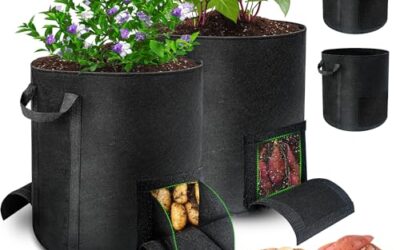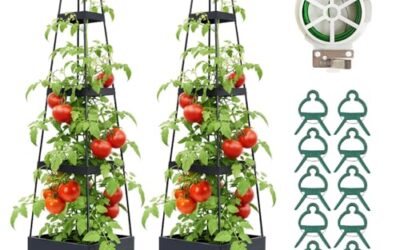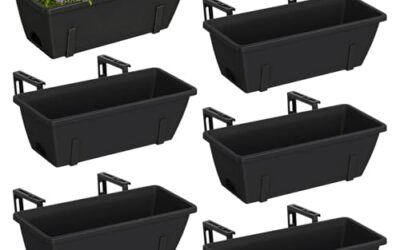



Tomatoes need deep, well-drained soil and steady root support, and a container that traps water or restricts root growth can leave plants stunted by midsummer. Fabric grow bags solve some of these problems by letting excess moisture escape through the breathable material while giving roots room to spread. This guide is built for homeowners with patios or small yards, beginner gardeners trying containers for the first time, and older gardeners who want a lighter, easier-to-move option than a rigid raised bed.
To put together this guide on the best fabric grow bags for tomatoes, we compared 15 products across brands including the featured brands, looking at capacity, fabric thickness, handle construction, drainage performance, and price, which ranges from $7.64–$34.99. We also looked at how each bag’s features, such as reinforced stitching or harvest windows, hold up to the demands of a full tomato growing season.
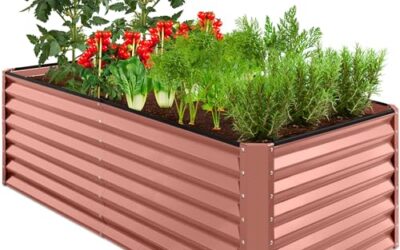
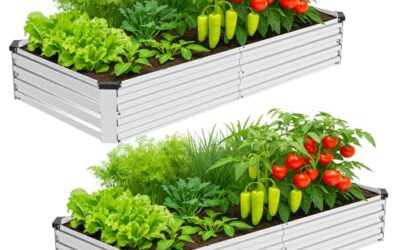
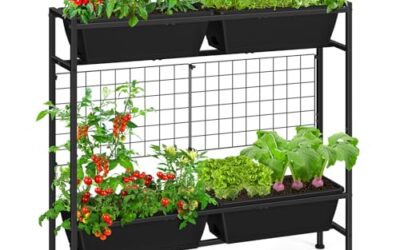
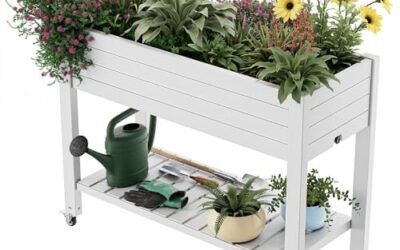
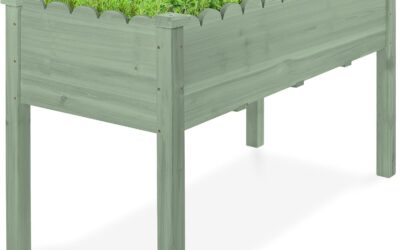
If you are still deciding between fabric bags and a permanent structure, our raised beds and planters category covers other container options for growing vegetables in limited space.
VIVOSUN 311001 5-Gallon Fabric Grow Bags for Portable Patio and Garden Planting Gardzen GGB-10G 10 Gallon Fabric Grow Bags for Flexible Container Gardening Cavisoo 10 Gallon Potato Grow Bags, 5-Pack Fabric Planters for Patio Vegetables AC Infinity AC-PFP5 5-Gallon Fabric Grow Bags for Aerated Patio and Vegetable Planting Prices and availability can change. We may earn a commission from qualifying purchases.

Pros
- Includes five 5-gallon grow bags for setting up several container plantings at once.
- Nonwoven fabric provides drainage and breathability according to the product information.
- Reinforced handles are a practical feature for moving containers before plants become too large or heavy.
- Reusable design may appeal to gardeners who want a flexible alternative to rigid planters.
Cons
- Fabric containers can dry out faster than solid pots, so gardeners may need to monitor watering more closely in hot or windy conditions.
- A filled 5-gallon bag can still be heavy, so moving it should be done carefully to avoid strain or damaging plants.
- Gardeners who need a decorative finished look may prefer ceramic, resin, or wood planters over plain black fabric bags.
The VIVOSUN 311001 5-Pack 5-Gallon Grow Bags are fabric planting containers intended for container gardening in patios, yards, raised-bed areas, grow tents, and other indoor or outdoor growing spaces. Each bag is listed as a 5-gallon size with a 20-liter capacity, making the set useful for gardeners who want several movable planting stations without installing a permanent bed.
The main advantage of these bags is the nonwoven fabric construction. The product information describes the material as thickened 300g fabric that is moderately permeable, BPA-free, and designed for drainage and airflow. In practical terms, that can help reduce the risk of overly wet soil compared with containers that trap water, although watering needs will still depend on the plant, potting mix, sunlight, and weather.
For handling, the bags include reinforced handles sewn with serger stitching. That matters because soil becomes heavy once watered, and handles make it easier to shift containers for better sun exposure, patio cleanup, or seasonal rearranging. Reviewers commonly mention sturdy fabric, strong stitching, and easy movement, but those comments should be understood as user feedback rather than controlled testing.
The 5-gallon size is a flexible middle ground for home gardeners. It can fit into small-space growing plans more easily than large raised beds, while still offering more root room than many small nursery pots. These bags are especially practical for gardeners experimenting with container vegetables, herbs, flowers, or patio plantings where drainage and portability are priorities.
There are a few limitations to keep in mind. Fabric grow bags can lose moisture more quickly than hard-sided containers, especially in summer heat, so regular watering checks are important. If using them on a deck, balcony, or indoor surface, plan for runoff with an appropriately sized saucer or tray. Filled bags should also be lifted carefully, ideally before plants become tall or top-heavy.
Overall, this VIVOSUN set is a sensible option for gardeners who want simple, reusable, breathable containers with handles and minimal setup. It is best for practical growing rather than decorative display, and gardeners wanting a rigid, ornamental planter or a much larger root zone may want to consider a different container style or size.
Pros
- Large multi-pack is convenient for setting up several container plantings at once.
- Breathable fabric design provides drainage and aeration for common vegetable, herb, fruit, and flower growing.
- Handles and cross-stitching are useful for moving or rotating bags when needed.
- Washable and foldable construction supports seasonal cleanup and compact storage.
- Reviewers commonly mention sturdy fabric, good drainage, and easy relocation.
Cons
- A filled 10-gallon bag can become heavy, so gardeners with limited lifting strength may want to place it before fully loading it with soil.
- Because the fabric drains, indoor use or placement on finished surfaces may require a saucer or waterproof tray to manage runoff.
- One reviewer noted the bags seemed smaller than other 10-gallon grow bags, so gardeners matching existing containers should check the listed 16-inch by 12-inch dimensions.
The Gardzen GGB-10G is a 10-pack of round 10-gallon fabric grow bags intended for container gardening. Each bag is listed at 16 inches in diameter and 12 inches high, giving home gardeners a flexible way to grow vegetables, herbs, flowers, or fruit crops where in-ground beds are not available. This format is especially useful for patio growers, renters, small-yard gardeners, and anyone who wants a container that stores flatter than a rigid pot.
The main gardening advantage is the breathable 300G thickened nonwoven fabric. According to the product information, the material allows moderate permeability for root respiration, supports airflow, and promotes air pruning to reduce root circling. In plain terms, the bag is designed to let roots meet air at the container wall, encouraging a more fibrous root system rather than the tight spiral that can happen in solid-sided pots.
Drainage is another important part of the design. The product information says the permeable fabric drains excess water without needing extra holes, which can help gardeners avoid the common problem of water sitting at the bottom of a container. For best results, these bags should still be filled with an appropriate container mix rather than heavy garden soil, and they should not be set inside a water-holding outer container unless runoff is being managed intentionally.
The built-in handles use reinforced X-shaped stitching, which is helpful when shifting containers to catch more sun, make room on a patio, or reorganize a seasonal garden. That said, a 10-gallon container full of moist soil can weigh a lot, so it is wise to position the bag close to its final location before filling it completely. The bags are also described as washable, lightweight, and foldable, making cleanup and off-season storage simpler than with bulky plastic pots.
In backyard and patio use, this size is well matched to the brand-listed crops such as larger tomato varieties, peppers, and eggplants, while also leaving room for herbs, flowers, or mixed container plantings. Reviewers commonly mention thick fabric, stable filled bags, good drainage, and easy relocation, though those comments should be treated as user feedback rather than controlled testing. The 10-pack format also helps keep a container garden visually consistent.
These grow bags are a strong fit for gardeners who want breathable, movable containers and do not need the structure or elevated height of a raised bed. Gardeners who prefer decorative planters, need a self-watering reservoir, or plan to keep containers indoors on finished floors may want a different setup or should add suitable trays for runoff. Overall, based on the listed features, the Gardzen GGB-10G offers a practical, space-efficient container option for seasonal food and flower growing.
Best For / Avoid If
Best for buyers prioritizing
- Large multi-pack is convenient for setting up several container plantings at once.
- Breathable fabric design provides drainage and aeration for common vegetable, herb, fruit, and flower growing.
- Handles and cross-stitching are useful for moving or rotating bags when needed.
Consider another option if
- A filled 10-gallon bag can become heavy, so gardeners with limited lifting strength may want to place it before fully loading it with soil.
- Because the fabric drains, indoor use or placement on finished surfaces may require a saucer or waterproof tray to manage runoff.
- One reviewer noted the bags seemed smaller than other 10-gallon grow bags, so gardeners matching existing containers should check the listed 16-inch by 12-inch dimensions.
Pros
- Includes five fabric grow bags for setting up several containers at once.
- 10-gallon capacity provides useful soil volume for potatoes and larger vegetable container plantings.
- Listed 300g nonwoven fabric supports breathability and drainage compared with solid-sided containers.
- Reinforced handles are a helpful feature for patio gardeners who may need to adjust container placement.
- Reusable and washable design can reduce the need to buy new containers each season when cared for properly.
Cons
- The harvest window may not meet expectations for gardeners wanting a transparent or mesh viewing panel, as some reviewers describe it as an open square.
- A filled 10-gallon grow bag can be heavy, so moving it may be difficult for some gardeners despite the handles.
- Fabric containers can require closer moisture monitoring than in-ground beds, especially in hot or windy outdoor locations.
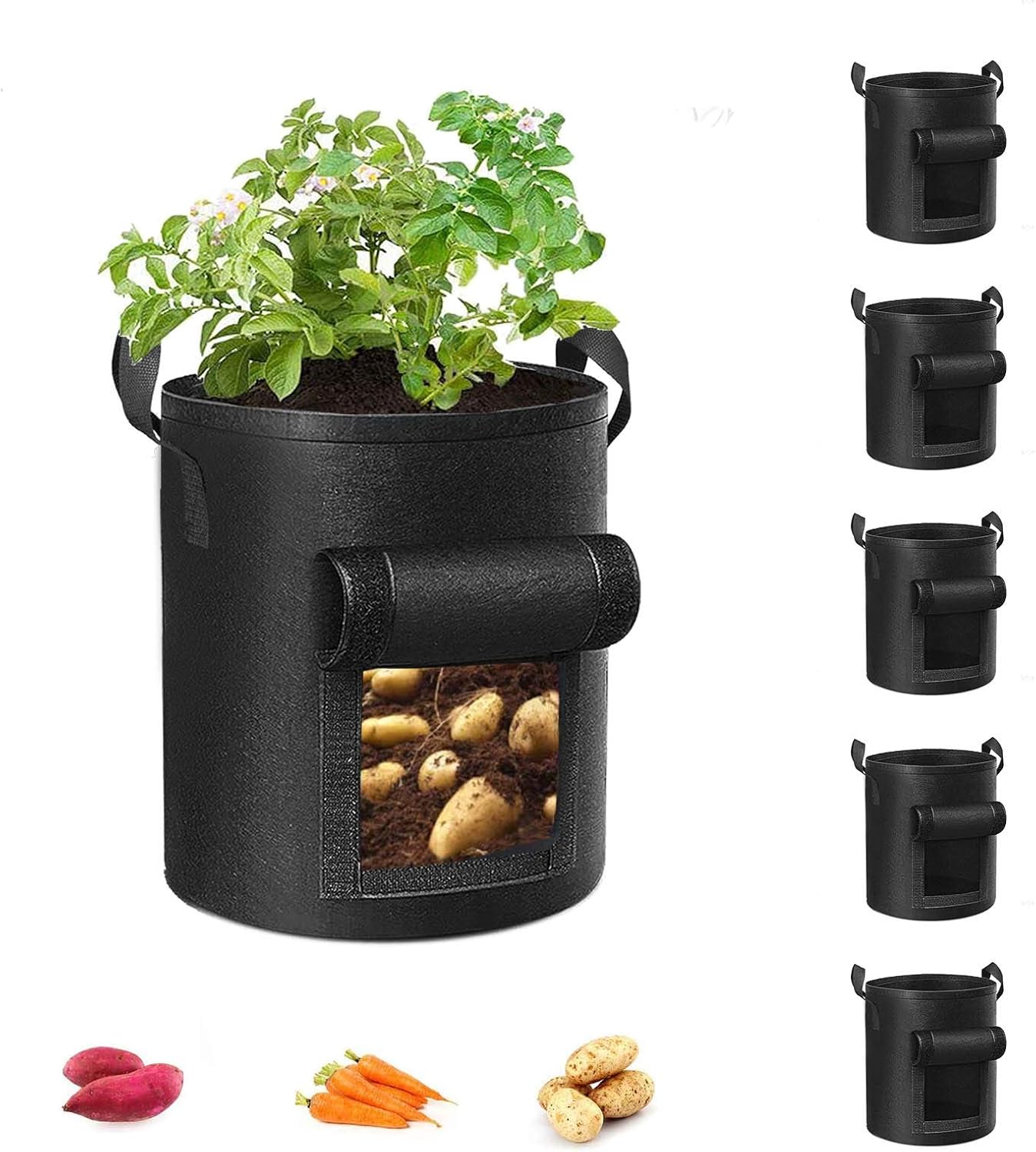
The Cavisoo 5-pack 10 gallon potato grow bags are fabric planting containers intended for outdoor vegetable growing, especially potatoes. Each bag is listed at 14 inches in diameter, 14 inches wide, and 18 inches high, giving backyard and patio gardeners a way to grow crops without digging a permanent bed. They are a sensible option for beginners, renters, and small-space gardeners who want movable growing containers.
The main advantage of this style is the breathable nonwoven fabric. The product information lists 300g thick nonwoven material, rapid drainage, ventilation, and root-circling prevention. In practical terms, this type of container is meant to let excess water drain more readily than a solid pot while allowing air exchange around the root zone. That can be helpful for potatoes and other vegetables, provided watering is monitored regularly.
The bags include reinforced polypropylene webbing handles with X-shaped stitching, which is a useful detail for container gardeners who may need to turn or reposition plants for sun exposure. The 10-gallon capacity offers more growing volume than small nursery pots, and the tall shape supports the common potato method of adding soil as plants grow. The product is also listed as reusable and washable, which is convenient for end-of-season cleanup and storage.
For home use, these bags fit well on patios, along sunny fences, beside raised beds, or in compact yards where a traditional potato patch is not practical. The five-piece set allows gardeners to separate varieties, stagger plantings, or dedicate some bags to potatoes while using others for tomatoes or vegetables. Reviewers commonly mention sturdy fabric, good drainage, and useful handles, though those comments should be read as customer feedback rather than independent testing.
One important limitation is the visualization feature. The listing describes a visualization window, but some reviewers note that it is more like an opening or flap rather than a clear viewing panel with mesh. Gardeners buying these specifically for classroom root observation or constant visual monitoring may want to look closely at the product images and expectations before purchasing. As with any filled grow bag, place it where you want it before saturating the soil, lift with care, and avoid dragging if you want the fabric and stitching to last.
Overall, the Cavisoo 10 gallon potato grow bags are a practical pick for gardeners who want flexible, breathable containers for potatoes and vegetables. They are best for people who value drainage, reusable fabric construction, and small-space growing. Gardeners who need rigid planters, decorative patio pots, or a true clear viewing window may prefer a different container style.
Pros
- Reusable 5-pack design is convenient for starting several container plants at once.
- Permeable fabric supports drainage and air pruning, two key advantages of fabric grow bags.
- Handles and a lightweight empty bag design make seasonal moving and storage more manageable.
- Reviewers commonly mention the thick feel, sturdy construction, and useful handles.
- Metal training rings are helpful for gardeners who guide plant shape with twist ties.
Cons
- Fabric containers can dry out faster than hard pots, especially in hot, sunny locations, so watering may need closer attention.
- Indoor use may require trays or a protected surface because water and fine soil particles can drain through the fabric.
- Sharp stakes or cage legs could puncture the fabric if pushed through carelessly.
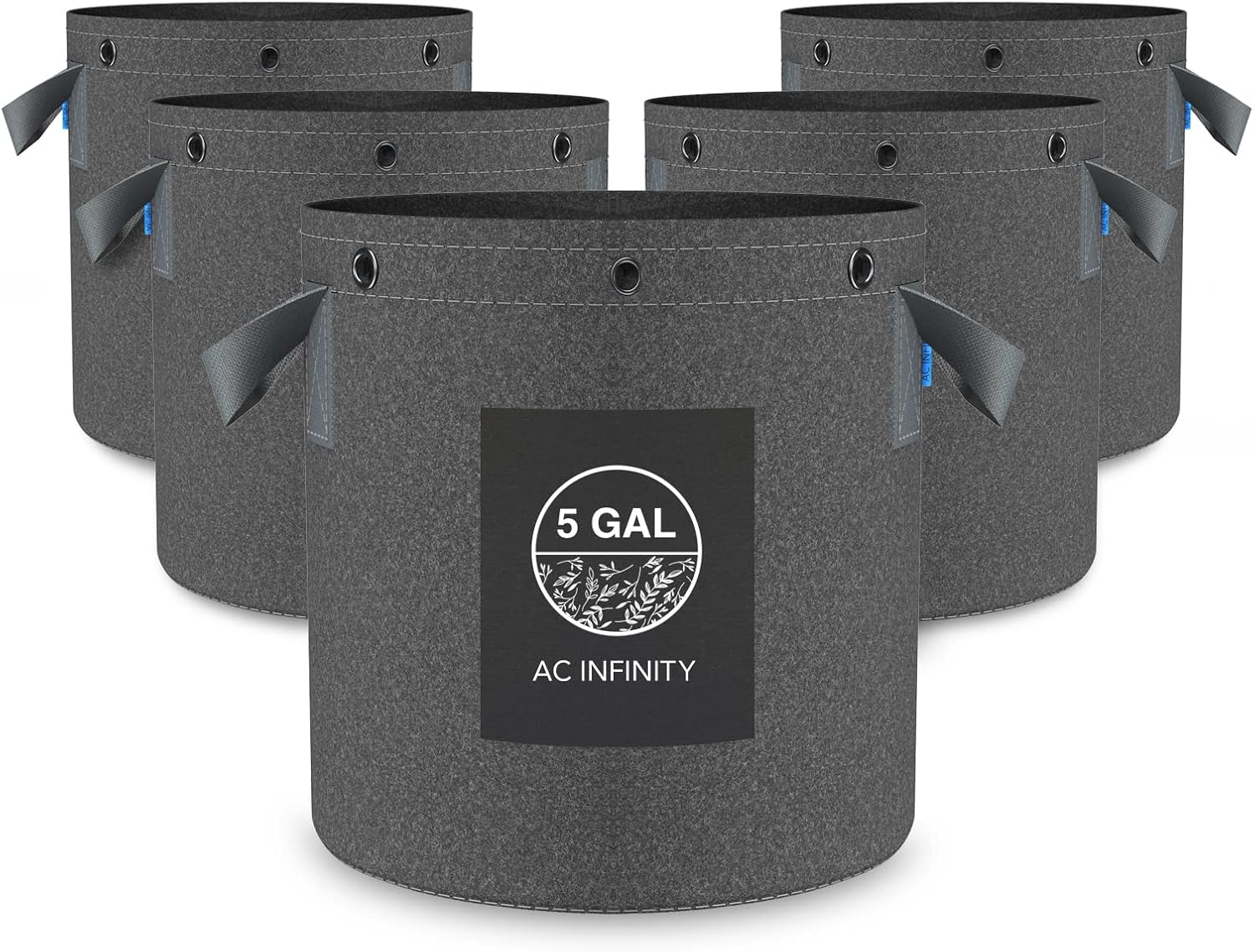
The AC Infinity AC-PFP5 is a set of five fabric grow bags intended for container gardening with vegetables, flowers, fruits, and similar plants. Each bag has a listed true capacity of 5.39 gallons, making it a useful mid-size option for patio growing, greenhouse setups, grow tents, decks, and small backyard spaces where traditional in-ground planting is limited.
The main growing benefit is the permeable nonwoven fabric. According to the product information, the bag allows roots to air prune and lets excess water drain away, which can help prevent the soggy conditions that often occur in sealed or poorly drained containers. For beginners, this forgiving drainage can be helpful, though it does not replace checking soil moisture regularly.
Design details are practical for routine garden use. The bags are cylindrical, black, and made from 500G nonwoven fabric with reinforced double stitching. Nylon handles are included for moving the bags, and built-in steel rings allow twist ties to pass through for low-stress plant training. The listed dimensions are about 11.81 by 11.81 by 11.42 inches, so they provide a compact footprint while still holding a useful amount of potting mix.
In a home garden, these bags make sense for gardeners who want flexible placement. They can be arranged along a sunny patio edge, grouped in a greenhouse, placed in a grow tent, or moved as the season changes. Reviewers commonly mention using the handles to reposition plants and describe the fabric as thick and sturdy, although those comments should be treated as user feedback rather than controlled testing.
There are a few care considerations. Because fabric planters breathe and drain freely, they may need more frequent watering than plastic or ceramic pots, especially during hot weather or full-sun exposure. If used indoors or on a finished deck surface, place them on trays, grates, or another protected surface so drainage does not leave muddy residue or keep the bottom sitting in water. Use care with plant stakes, cages, or sharp supports so they do not puncture the fabric.
Overall, this is a well-specified grow bag set for gardeners who want reusable, breathable containers with easy handling and built-in training points. Gardeners who prefer a decorative rigid planter, need a self-watering system, or want a container that holds moisture longer may want a different style, but for practical vegetable and flower growing in limited space, the AC-PFP5 offers a sensible feature mix.
Best For / Avoid If
Best for buyers prioritizing
- Reusable 5-pack design is convenient for starting several container plants at once.
- Permeable fabric supports drainage and air pruning, two key advantages of fabric grow bags.
- Handles and a lightweight empty bag design make seasonal moving and storage more manageable.
Consider another option if
- Fabric containers can dry out faster than hard pots, especially in hot, sunny locations, so watering may need closer attention.
- Indoor use may require trays or a protected surface because water and fine soil particles can drain through the fabric.
- Sharp stakes or cage legs could puncture the fabric if pushed through carelessly.
Pros
- Includes multiple matching grow bags for starting a small container garden.
- Breathable nonwoven fabric and drainage-focused design suit patio and yard growing.
- Reinforced handles add convenience when moving bags around a garden space.
- Reusable and foldable design is helpful for seasonal storage.
Cons
- A 5-gallon capacity may be less suitable for gardeners who want to grow larger or deep-rooted plants.
- Fabric containers can require closer attention to watering than some rigid pots, especially in hot conditions.
- No dimensions are listed, so gardeners with very tight shelf, balcony, or greenhouse space may need to verify fit before buying.
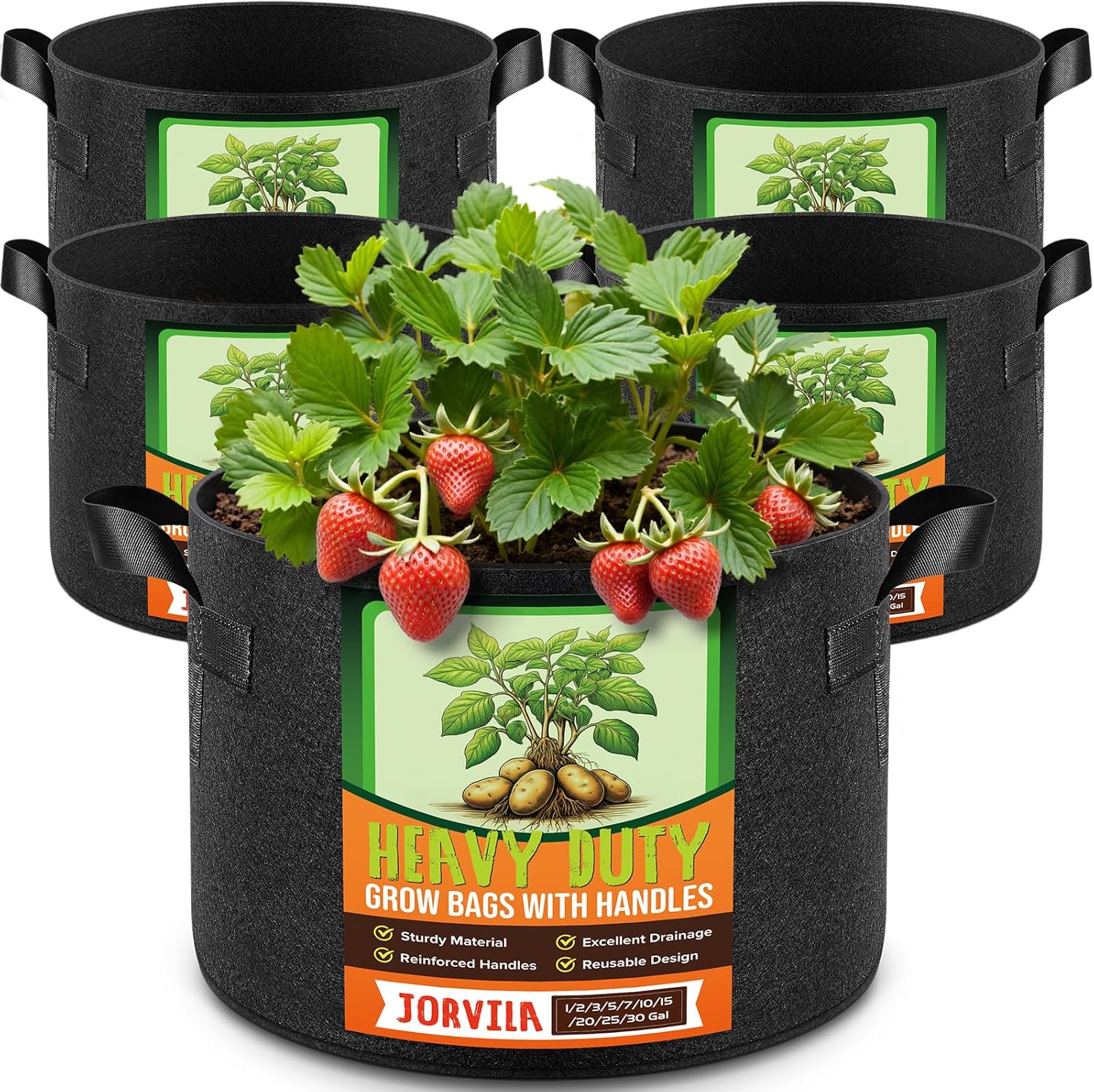
The Jorvila 5-pack 5 gallon grow bags are fabric container planters intended for vegetables, fruits, and other small garden crops. They are best suited to homeowners, patio gardeners, and beginners who want a flexible alternative to rigid pots without committing to a permanent raised bed.
The main growing benefit is the breathable nonwoven fabric. According to the product information, the material allows ventilation and supports self air pruning, which is intended to help reduce root tangles and encourage a healthier root structure. The fabric also provides drainage, a useful feature for gardeners who are trying to avoid soggy soil in containers.
Each bag is made from 300G thickened nonwoven fabric and includes widened handles. The handles are described as high-density material with reinforced X-stitches, while the bottom and sides are double stitched. That design makes the bags easier to reposition, though filled grow bags can still become heavy, so moving them carefully is important.
These grow bags fit common small-space gardening situations, including patios, decks, sunny side yards, and temporary garden layouts. The listed crop examples include potatoes, tomatoes, carrots, strawberries, onions, and peppers, giving gardeners several options for seasonal container planting.
Maintenance appears straightforward based on the listed features. At the end of the season, the bags can be cleaned, dried, folded, and stored. Gardeners should still empty old soil responsibly, let the fabric dry fully before storage, and avoid dragging heavily filled bags over rough surfaces when possible.
Overall, this Jorvila set is a practical choice for gardeners who want breathable, portable, reusable planters for modest container crops. Those growing very large plants, needing exact planter dimensions, or wanting the look and rigidity of ceramic, wood, or metal containers may prefer a different planter style.
Best For / Avoid If
Best for buyers prioritizing
- Includes multiple matching grow bags for starting a small container garden.
- Breathable nonwoven fabric and drainage-focused design suit patio and yard growing.
- Reinforced handles add convenience when moving bags around a garden space.
Consider another option if
- A 5-gallon capacity may be less suitable for gardeners who want to grow larger or deep-rooted plants.
- Fabric containers can require closer attention to watering than some rigid pots, especially in hot conditions.
- No dimensions are listed, so gardeners with very tight shelf, balcony, or greenhouse space may need to verify fit before buying.

Pros
- Large 25 gallon size provides generous planting volume for container gardening.
- Breathable non-woven fabric supports airflow and drainage compared with solid-sided containers.
- Handles add convenience for moving and arranging the bags in a garden space.
- The six-pack format is useful for gardeners setting up several plants at once.
- Reviewers commonly mention sturdy feel, good drainage, and easy storage.
Cons
- Fabric sides may not stand as rigidly as hard plastic, wood, or metal planters, and one reviewer noted the upper edge could lean inward.
- A filled 25 gallon bag can be very heavy, so the handles should not be treated as a reason to move mature, fully watered plantings often.
- The manufacturer indicates the bags can last at least two years, so gardeners wanting a long-term permanent planter may prefer a more rigid material.
The Gardzen GGB-25G-6 is a set of six 25 gallon fabric grow bags for outdoor container gardening. Based on the listed specifications, each round bag measures 22.5 inches in diameter and 15 inches high, giving home gardeners a flexible way to grow plants without installing a permanent raised bed or large planter.
The key gardening benefit is the breathable non-woven fabric. The product information states that the material supports aeration, airflow, and drainage, while helping avoid root circling. For beginners, this means the bags are intended to behave differently from solid pots by letting excess water move through the fabric rather than collecting only at bottom drain holes.
Each bag has built-in handles, which is useful when arranging containers before planting or shifting lighter plantings for better placement. The bags are also described as foldable and lightweight, so they can be emptied, washed, and stored flat between seasons. As with any large container, a fully filled 25 gallon bag can become heavy, especially after watering, so it is safest to position it carefully before the plant matures.
These bags make sense for patios, side yards, rental gardens, temporary vegetable patches, and gardeners who want to expand beyond existing raised beds. The listed plant type includes herbs and flowers, and reviewer comments also mention vegetable use such as peppers and pumpkins. Those examples are user reports rather than guaranteed results, but they do show the kind of practical container gardening situations buyers are using them for.
There are a few limitations to keep in mind. Fabric containers are not as rigid as hard-sided planters, and one reviewer wished the sides were a bit sturdier when plants were growing. Filling the bag closer to the recommended soil level may help it hold shape better, but gardeners who want crisp edges or permanent structure may prefer a raised bed or rigid pot.
Overall, the Gardzen 25 gallon grow bags are a sensible choice for gardeners who want roomy, movable, seasonal growing containers with drainage and breathable fabric. They are especially appealing for small-space growers and homeowners adding extra planting capacity, while gardeners needing a decorative, structural, long-term planter may want to compare hard-sided options.
Best For / Avoid If
Best for buyers prioritizing
- Large 25 gallon size provides generous planting volume for container gardening.
- Breathable non-woven fabric supports airflow and drainage compared with solid-sided containers.
- Handles add convenience for moving and arranging the bags in a garden space.
Consider another option if
- Fabric sides may not stand as rigidly as hard plastic, wood, or metal planters, and one reviewer noted the upper edge could lean inward.
- A filled 25 gallon bag can be very heavy, so the handles should not be treated as a reason to move mature, fully watered plantings often.
- The manufacturer indicates the bags can last at least two years, so gardeners wanting a long-term permanent planter may prefer a more rigid material.

Pros
- Breathable nonwoven fabric with drainage supports container growing and helps manage excess water.
- Reinforced handles are useful for rearranging bags before plants become too large or heavy.
- Collapsible design takes less storage space than rigid plastic or ceramic pots.
- Round 10 gallon format is suitable for many common vegetables, herbs, fruits, and flowers listed by the product information.
Cons
- Fabric grow bags may dry out faster than plastic pots in hot or windy conditions, so watering may need closer attention.
- A filled 10 gallon bag can be heavy, so gardeners with limited lifting strength may prefer to position it before fully planting.
- Because the bag drains freely, indoor use would require careful placement and a suitable tray or waterproof surface.
The FEEDGARDEN JC-ZZD-10G-4 is a 4-pack of round 10 gallon grow bags made for container gardening with vegetables, herbs, fruits, and flowers. It is aimed at gardeners who want flexible planting space without building raised beds or storing bulky pots. The format is especially practical for patios, balconies, small backyards, and seasonal garden expansions.
The main growing benefit is the breathable 300G nonwoven fabric. According to the product information, the material is designed to allow airflow and fast drainage, which can help reduce water pooling around roots. That makes these bags a sensible option for crops that need both root space and good moisture management, including tomatoes, potatoes, peppers, cucumbers, and herbs.
Each bag is listed at 10 gallons with dimensions of 11.8 by 15.7 by 15.7 inches, giving more depth than many smaller patio pots. The reinforced double-stitched handles are meant to make movement easier, and the foldable fabric body stores compactly when the season is over. Reviewers commonly mention sturdy fabric, useful handles, and easy storage, but those comments should be read as user feedback rather than controlled testing.
In a backyard garden, these bags can add extra planting stations along a sunny fence, beside a raised bed, or on a driveway edge where in-ground planting is not available. On a patio or balcony, they can separate crops so one bag holds herbs while another holds a tomato or potato plant. The black fabric and round shape also make them simple to arrange in rows or clusters.
There are a few practical cautions. Like most fabric grow bags, they may need more frequent watering than rigid plastic pots during hot weather because the sides breathe and moisture can evaporate. A filled 10 gallon container can also become heavy, so it is wise to place the bag near its final location before adding all the soil and planting. For indoor use, drainage means the bag should sit on a protected surface with an appropriate tray.
Overall, this FEEDGARDEN set is a good fit for gardeners who want affordable, space-saving fabric planters with drainage and handles. Gardeners who need a decorative planter, a raised working height, or a container that holds moisture longer may prefer a different style, but for practical patio vegetable growing, the listed feature set is well matched to everyday home garden use.
Best For / Avoid If
Best for buyers prioritizing
- Breathable nonwoven fabric with drainage supports container growing and helps manage excess water.
- Reinforced handles are useful for rearranging bags before plants become too large or heavy.
- Collapsible design takes less storage space than rigid plastic or ceramic pots.
Consider another option if
- Fabric grow bags may dry out faster than plastic pots in hot or windy conditions, so watering may need closer attention.
- A filled 10 gallon bag can be heavy, so gardeners with limited lifting strength may prefer to position it before fully planting.
- Because the bag drains freely, indoor use would require careful placement and a suitable tray or waterproof surface.

Pros
- Generous 10-gallon size is useful for common container crops such as tomatoes, potatoes, peppers, strawberries, eggplants, and herbs
- Fabric construction provides built-in drainage without requiring gardeners to drill or cut holes
- Handles are a helpful feature for moving or rotating planters, and reviewers commonly mention that the bags feel sturdy
- Set format is convenient for gardeners starting several containers at once
Cons
- Fabric grow bags can dry out faster than solid plastic pots, so watering may need closer attention in hot or windy conditions
- A filled 10-gallon bag can become heavy, so older gardeners or anyone with lifting limitations may want to move it before watering or filling completely
- The soft-sided shape may be less tidy-looking than rigid planters for gardeners who prefer a more formal patio setup
The Songrey 10-gallon grow bags are soft-sided fabric planters intended for vegetables, herbs, flowers, and fruiting plants in spaces where in-ground planting is not available or convenient. They are a good fit for homeowners building a flexible container garden, balcony growers, renters, and gardeners who want to expand planting space without installing a permanent raised bed.
The product information highlights breathable nonwoven fabric, fast drainage, and air pruning. In plain terms, fabric planters allow water and air to move through the sides more readily than many rigid pots. That can help prevent water from sitting at the bottom of the container, while the air-pruning design is intended to reduce root circling as plants grow.
Each bag is listed at 10 gallons with dimensions of 15.7 inches by 15.7 inches by 11.8 inches, giving it a compact but useful footprint for patios, decks, walkways, and small yards. The cylindrical shape is simple to fill with potting mix, and the reinforced handles are meant to make repositioning easier. As with any large planter, it is safest to move the bag before it is fully watered or heavily loaded.
These bags are suited to practical seasonal crops such as tomatoes, potatoes, peppers, strawberries, eggplants, herbs, and flowers, based on the listed product uses. They can also help keep a growing area organized because each plant or crop group has its own container. Reviewers commonly mention sturdiness, drainage, and the ability to move the bags, though those comments should be treated as user experience rather than controlled testing.
The main tradeoff is watering management. Because fabric planters breathe and drain well, they may need more frequent checks in hot, dry, or windy weather than a solid plastic pot. Place them where runoff will not damage flooring, and use an appropriate container mix rather than heavy garden soil for better handling and drainage.
Overall, the Songrey 10-gallon grow bag set is a practical choice for gardeners who want multiple portable containers with breathable drainage and compact storage. Gardeners looking for decorative planters, rigid walls, or extra-large root volume for very large crops may prefer a different style or larger size.
Best For / Avoid If
Best for buyers prioritizing
- Generous 10-gallon size is useful for common container crops such as tomatoes, potatoes, peppers, strawberries, eggplants, and herbs
- Fabric construction provides built-in drainage without requiring gardeners to drill or cut holes
- Handles are a helpful feature for moving or rotating planters, and reviewers commonly mention that the bags feel sturdy
Consider another option if
- Fabric grow bags can dry out faster than solid plastic pots, so watering may need closer attention in hot or windy conditions
- A filled 10-gallon bag can become heavy, so older gardeners or anyone with lifting limitations may want to move it before watering or filling completely
- The soft-sided shape may be less tidy-looking than rigid planters for gardeners who prefer a more formal patio setup

Pros
- Listed 10 gallon capacity provides useful growing volume for container gardening.
- Nonwoven fabric is described as breathable and draining, both helpful traits for grow bag use.
- Handles add convenience when shifting plants for sun exposure, spacing, or seasonal cleanup.
- The black, solid design is simple and unobtrusive for patios and backyard growing areas.
Cons
- Fabric containers can dry out faster than some solid-sided pots, so gardeners may need to monitor watering closely.
- The listed specifications include a conflicting included-components note, so shoppers should confirm the exact pack contents before ordering.
- At 10 gallons, these may be more container than needed for very small herbs or shallow-rooted plants.
The LandGuard 10 gallon fabric grow bags are outdoor, floor-standing planters made from nonwoven fabric. They are intended for gardeners who want flexible container growing without using rigid plastic, ceramic, or wooden planters. For beginners, patio growers, and homeowners adding a few movable planting spots, the format is straightforward and does not require assembly.
The most relevant benefit is the combination of drainage and breathability listed in the product information. Fabric grow bags allow water to drain through the growing medium, which can help reduce the chance of soil staying overly wet when compared with containers that drain poorly. The breathable material is also intended to allow air movement around the soil and root area.
Each bag is listed as 10 gallons, with dimensions of 11.8 by 15.7 by 15.7 inches. The round shape and floor-standing design make these suitable for setting on patios, garden edges, greenhouse floors, or other stable outdoor surfaces. Handles are included, which can make it easier to reposition a bag, although any filled 10 gallon container may still be heavy and should be lifted carefully.
In a practical garden, these bags fit well where permanent beds are not available or where a gardener wants to adjust plant placement through the season. They can be useful in small yards, rental spaces, paved areas, or overflow planting zones near raised beds. The black, solid finish keeps the look simple and lets the plants remain the focus.
There are a few points to consider before choosing them. Fabric containers may need more frequent watering in hot or windy conditions because air movement and drainage can dry soil faster than a sealed pot. The listing also contains a conflicting included-components detail, so it is wise to verify the exact quantity in the set before purchase.
Overall, this LandGuard grow bag set is a practical choice for gardeners who want breathable, draining 10 gallon containers with handles and compact off-season storage. Gardeners who need decorative planters, elevated planting height, or a confirmed larger multi-pack count may want to compare other planter options before deciding.
Best For / Avoid If
Best for buyers prioritizing
- Listed 10 gallon capacity provides useful growing volume for container gardening.
- Nonwoven fabric is described as breathable and draining, both helpful traits for grow bag use.
- Handles add convenience when shifting plants for sun exposure, spacing, or seasonal cleanup.
Consider another option if
- Fabric containers can dry out faster than some solid-sided pots, so gardeners may need to monitor watering closely.
- The listed specifications include a conflicting included-components note, so shoppers should confirm the exact pack contents before ordering.
- At 10 gallons, these may be more container than needed for very small herbs or shallow-rooted plants.

Pros
- Includes five round 5-gallon fabric pots for staggered plantings or mixed crops.
- Breathable, foldable design is well suited to small spaces and off-season storage.
- Drainage is built into the fabric, reducing the need for separate drain holes.
- Handles are listed as reinforced, which is helpful when moving containers before they are fully settled in place.
Cons
- Fabric grow bags can dry faster than rigid pots, so gardeners may need to check moisture more often in hot or windy weather.
- A 5-gallon capacity may be less suitable for larger, long-season plants that need more root volume.
- If placed directly on a solid surface, excess water may need a clear path to drain away.
The EOKOICA 5G-20251125 is a 5-piece set of 5-gallon fabric grow bags intended for container gardening in yards, patios, balconies, and indoor growing areas. It is aimed at gardeners who want a lightweight alternative to rigid nursery pots for vegetables, herbs, flowers, fruits, tomatoes, potatoes, and similar container plants.
The main growing advantage is the breathable fabric construction. The product information indicates that the bags are made with 300g thickened nonwoven fabric, with material also listed as polyester and polypropylene. This type of container allows more air movement than a solid plastic pot, and the listed air-pruning design is intended to reduce root circling and support a healthier root structure.
Drainage is another important feature for everyday container care. These bags are listed as having drainage, so excess water can escape through the fabric rather than sitting in a sealed pot. That can be especially useful for beginners, though it also means the soil may need more frequent checking than it would in some hard-sided containers.
Each bag is round and measures 9.8 by 11.8 by 11.8 inches, with a 5-gallon capacity. The reinforced handles are useful for repositioning bags before plants become too large or heavy, such as moving peppers, herbs, or flowers to better light. When empty, the foldable design makes the set easier to store than bulky planters.
For backyard and small-space gardeners, this set works best where flexibility matters. It can help organize a patio vegetable setup, add extra planting space beside raised beds, or create seasonal containers that can be put away when not in use. Reviewers commonly mention ease of use, sturdiness, and good value, though those comments should be treated as user experiences rather than guaranteed performance.
The main limitation is capacity. Five gallons is versatile, but gardeners growing very large or long-season plants may prefer a larger grow bag. Because fabric containers breathe and drain readily, plan to monitor watering closely, keep the base where runoff can escape, and lift or move bags carefully once they are filled with wet soil.
Best For / Avoid If
Best for buyers prioritizing
- Includes five round 5-gallon fabric pots for staggered plantings or mixed crops.
- Breathable, foldable design is well suited to small spaces and off-season storage.
- Drainage is built into the fabric, reducing the need for separate drain holes.
Consider another option if
- Fabric grow bags can dry faster than rigid pots, so gardeners may need to check moisture more often in hot or windy weather.
- A 5-gallon capacity may be less suitable for larger, long-season plants that need more root volume.
- If placed directly on a solid surface, excess water may need a clear path to drain away.

Pros
- Comes as a 5-pack for setting up several small container plantings at once.
- Nonwoven fabric design supports drainage and airflow better than a sealed plastic container.
- Integrated handles make moving or rotating plants more manageable.
- Floor-standing cylindrical shape works for indoor or outdoor growing areas where space is limited.
Cons
- A 5 gallon capacity may be less suitable for large, long-season plants that need more root volume.
- Fabric bags can dry out faster than solid plastic pots, so gardeners may need to check moisture more often in hot weather.
- The product information lists reuse with proper care, so long-term durability will depend on cleaning, storage, and how heavily the bags are used.
The COKIELE 5 Gallon Fabric Grow Bags are a set of five floor-standing fabric planters intended for container gardening in small yards, patios, balconies, greenhouses, and indoor growing areas. They are designed for vegetables, fruits, herbs, and flowers, with the product information specifically naming crops such as tomatoes, potatoes, strawberries, and peppers.
The main benefit of this style of grow bag is the breathable nonwoven fabric. According to the listed features, the material allows fast drainage and airflow, which can help reduce the risk of overly wet soil compared with containers that hold water at the bottom. The fabric design is also described as supporting air pruning, meaning roots are encouraged to branch rather than circle tightly inside the container.
Each bag is listed at 11.81 inches in diameter by 9.84 inches high, with a 5 gallon capacity. That wider, shorter shape is different from a typical plastic bucket and may be easier to arrange in tight spaces. The bags include widened handles with X-stitch reinforcement and double-sewn seams, which are useful details if you need to move plants for sun exposure, shelter, cleaning, or seasonal rearranging.
For everyday gardeners, this set makes sense for starting a compact edible garden without building permanent beds. A homeowner could use the bags for a few patio vegetables, a balcony herb group, strawberry plants, or seasonal flowers near a doorway. Because the bags are black and simple in shape, they should also blend into practical greenhouse or utility growing setups.
There are a few tradeoffs to consider. Fabric containers often need more frequent moisture checks than rigid plastic pots, especially in warm, windy, or full-sun locations. The 5 gallon size is useful for many compact crops, but gardeners growing large tomato varieties or deep-rooted plants may prefer a larger container. For best reuse, the bags should be emptied, washed as appropriate, dried, and stored carefully between seasons.
Overall, this COKIELE set is best for gardeners who want lightweight, breathable, movable planters for small-space food or flower growing. Gardeners who need decorative planters, very large root volume, or a rigid container that retains moisture longer may want to compare other planter styles before choosing these fabric grow bags.

Pros
- Set of four bags is convenient for growing multiple crops or staggering potato plantings.
- Dual access windows add practical visibility and harvesting convenience for root vegetables.
- Breathable non-woven polypropylene fabric has drainage and is intended for indoor or outdoor use.
- Reviewers commonly mention sturdy stitching, roomy size, and useful handles.
Cons
- A filled 15-gallon grow bag can still be heavy, so moving it may require care, especially for older gardeners or anyone with lifting limits.
- Flexible fabric planters may need careful filling and placement to keep their shape better than a rigid pot.
- Window flaps should be kept closed properly around root crops to limit unnecessary light exposure and soil disturbance.
The Pamazy 15-gallon potato grow bags are fabric container planters made for gardeners who want to grow vegetables without digging an in-ground bed. Each set includes four round black bags, and the product information lists them for potatoes, tomatoes, garlic, onions, carrots, strawberries, flowers, and similar plantings. They are a good fit for homeowners with patios, balconies, terraces, sun rooms, or small garden spaces where flexible container growing is easier than building a raised bed.
The standout feature is the upgraded two-window layout. One visible window is intended to help gardeners observe conditions inside the bag, while the lower harvest door provides access near the bottom of the planter. For potatoes and some other root crops, this can make checking growth or harvesting less disruptive than digging through the top of the container, though results will still depend on the crop, soil mix, and how carefully the flap is used.
Based on the listed specifications, each bag measures about 15.74 inches wide by 17.71 inches high and holds 15 gallons. The material is polypropylene non-woven fabric, which the product information describes as breathable and drainable. That matters in container gardening because excess water needs a way out, while roots still benefit from a growing medium that does not dry instantly. As with any grow bag, gardeners should monitor moisture more often during hot or windy weather.
The reinforced handles are another useful design detail. The product information says the longer handles are stitched from the bottom area for better support when moving the bag. This is helpful for positioning empty or partly filled bags, but a full 15-gallon planter can be quite heavy, so it is still wise to place the bag close to its final location before filling it completely. Reviewers commonly mention the bags feeling sturdy, roomy, and helpful for potatoes and sweet potatoes.
For backyard and small-space use, these bags make sense for gardeners who want seasonal vegetable containers that can be folded and stored after harvest. They can be washed and reused according to the product description, and they take less storage room than rigid pots. They may be less ideal for gardeners who prefer a very structured planter wall, a decorative patio pot, or a raised planting height, since these are floor-standing fabric bags and will sit low to the ground.
Overall, this Pamazy set is a practical choice for container gardeners who want generous grow bag capacity, drainage, and easier root-crop access in one package. Keep the window flaps closed when not checking the crop, fill the bags in a stable location, and avoid dragging heavy filled containers by the fabric. Gardeners who need maximum structure or waist-high access may want a rigid planter or elevated raised bed instead.
Best For / Avoid If
Best for buyers prioritizing
- Set of four bags is convenient for growing multiple crops or staggering potato plantings.
- Dual access windows add practical visibility and harvesting convenience for root vegetables.
- Breathable non-woven polypropylene fabric has drainage and is intended for indoor or outdoor use.
Consider another option if
- A filled 15-gallon grow bag can still be heavy, so moving it may require care, especially for older gardeners or anyone with lifting limits.
- Flexible fabric planters may need careful filling and placement to keep their shape better than a rigid pot.
- Window flaps should be kept closed properly around root crops to limit unnecessary light exposure and soil disturbance.

Pros
- Includes four 20-gallon grow bags for planting multiple crops or varieties.
- Breathable nonwoven fabric and listed drainage help suit container vegetable growing.
- Side windows are especially useful for potatoes, where checking and harvesting can disturb the plant if done from the top.
- Reviewers commonly mention sturdy construction, good drainage, and useful handles.
- Floor-standing round shape works for patios, balconies, terraces, sun rooms, and small gardens.
Cons
- A filled 20-gallon fabric bag can become heavy, so gardeners should move it cautiously even with reinforced handles.
- Fabric containers may dry faster than solid plastic pots in hot or windy conditions, so watering should be monitored.
- Gardeners who want a decorative rigid planter may prefer a more finished container style.
The Pamazy 20-Gallon Potato Grow Bags are fabric growing containers made for potatoes and other container-friendly crops. Each set includes four round, floor-standing bags, giving home gardeners a flexible way to grow vegetables on a patio, balcony, terrace, sun room, or small garden area without installing a permanent raised bed.
The standout feature is the two-window design. The product information describes one hinged harvest window and one visible window positioned toward the lower part of the bag. For potato growing, this can make it easier to check what is happening below the soil surface and harvest through the side instead of digging through the whole container from above.
Based on the listed specifications, each bag has a 20-gallon capacity and measures 15.74 inches by 15.74 inches by 17.71 inches. The polypropylene nonwoven fabric is described as breathable and drainable, which is helpful for container growing because roots need oxygen and excess water needs a path out of the bag. The reinforced longer handles are stitched from the bottom area, a useful design detail for careful repositioning.
These bags are most relevant for gardeners who want to grow potatoes, sweet potatoes, tomatoes, garlic, onions, carrots, strawberries, or flowers in a compact footprint. Reviewers commonly mention that the bags feel sturdy, hold their shape when filled, drain well, and have handles that make movement more manageable. One reviewer also noted placing the bags on a folding table to keep plants away from farm animals, which points to their flexibility in small or protected growing setups.
There are a few practical considerations. A 20-gallon container can be very heavy once filled with moist potting mix, so it is better to place the bag close to its final location before planting and move it only when necessary. Fabric grow bags can also need closer watering attention than rigid plastic pots, especially in warm, sunny, or windy spots. After harvest, the product information indicates the bags can be folded, washed, and reused or repurposed for storage.
Overall, this Pamazy set is a sensible choice for gardeners who want a reusable, space-saving way to grow potatoes and other vegetables with easier side access than a plain grow bag. Gardeners looking for a decorative planter, a raised working height, or a container that holds moisture longer may want to compare it with rigid planters or elevated raised beds.
Best For / Avoid If
Best for buyers prioritizing
- Includes four 20-gallon grow bags for planting multiple crops or varieties.
- Breathable nonwoven fabric and listed drainage help suit container vegetable growing.
- Side windows are especially useful for potatoes, where checking and harvesting can disturb the plant if done from the top.
Consider another option if
- A filled 20-gallon fabric bag can become heavy, so gardeners should move it cautiously even with reinforced handles.
- Fabric containers may dry faster than solid plastic pots in hot or windy conditions, so watering should be monitored.
- Gardeners who want a decorative rigid planter may prefer a more finished container style.

Pros
- Includes seven 5-gallon grow bags for setting up multiple container plantings at once.
- Drainage is built into the fabric design, which helps reduce standing water in the container.
- Handles add useful carrying points compared with plain fabric pots.
- Mixed colors can help organize crops or add a decorative look to a small garden space.
Cons
- Fabric grow bags can dry out faster than some rigid containers, so regular watering checks may be needed.
- A 5-gallon capacity may be less suitable for gardeners wanting to grow larger, long-season plants that need more root space.
- Some reviewer feedback mentions color bleeding or fading after watering or rain, so placement on stain-sensitive surfaces should be considered.
The Biotolot 7-piece fabric grow bag set is designed for container gardening with vegetables, flowers, and similar plants. Each round bag holds 5 gallons, making the set well suited to homeowners, apartment gardeners, and beginners who want to grow in a patio, porch, balcony, or small-yard setting without installing a raised bed.
The main gardening advantage is the nonwoven fabric construction with drainage. According to the product information, the material allows water permeability and air permeability, which helps prevent the container from acting like a sealed bucket. For gardeners used to plastic pots, this style can be helpful because excess water has an easier path out of the root zone.
Each bag measures 9.5 by 11.8 by 11.8 inches and includes two handles. The handles are useful for repositioning containers to catch sun, tidy a patio, or move an empty or lightly planted bag into place. As with any filled fabric planter, it is still wise to lift carefully, support the bottom when possible, and avoid dragging a fully saturated bag across rough surfaces.
The seven mixed colors are more than decorative for some gardeners. They can help separate tomatoes, peppers, flowers, herbs, or trial plantings by color, which is handy when labeling is inconsistent or when gardening with children. The foldable design also makes seasonal storage simpler than stacking rigid pots.
There are a few practical cautions. Fabric containers often need closer moisture monitoring than heavier plastic or ceramic pots, especially in hot weather or on sunny patios. Some reviewers also report that the bright colors may bleed or become less vivid after watering or rain, so these may not be the best choice for placement directly on light-colored decking, stone, or surfaces where staining would be a concern.
Overall, this set makes sense for gardeners who want colorful, lightweight grow bags for small-space container planting and appreciate easy storage at the end of the season. Gardeners focused on a more neutral look, larger root volume, or maximum long-term appearance may prefer larger bags or darker-colored containers.
Best For / Avoid If
Best for buyers prioritizing
- Includes seven 5-gallon grow bags for setting up multiple container plantings at once.
- Drainage is built into the fabric design, which helps reduce standing water in the container.
- Handles add useful carrying points compared with plain fabric pots.
Consider another option if
- Fabric grow bags can dry out faster than some rigid containers, so regular watering checks may be needed.
- A 5-gallon capacity may be less suitable for gardeners wanting to grow larger, long-season plants that need more root space.
- Some reviewer feedback mentions color bleeding or fading after watering or rain, so placement on stain-sensitive surfaces should be considered.

Pros
- Includes ten grow bags in two practical sizes for varied container planting.
- Breathable fabric with drainage is useful for outdoor container growing where soggy soil can be a concern.
- Handles add convenience when shifting plants for sunlight, cleanup, or storm preparation.
- Fold-flat storage makes the set practical for renters and small-space gardeners.
Cons
- Fabric grow bags can dry out faster than rigid plastic or ceramic containers, so watering may need closer attention in hot weather.
- The listed specifications provide limited dimension detail for the mixed set, so gardeners planning exact spacing may want to verify individual bag sizes.
- Very heavy wet soil can still be awkward to move, even with handles, especially in the larger 10-gallon bags.
The Hoikwo Mixed Size Grow Bag Set is a 10-pack of fabric planters designed for outdoor container growing. It includes five 5-gallon bags and five 10-gallon bags, giving patio, balcony, greenhouse, and small-yard gardeners a flexible way to grow crops without building permanent raised beds.
The main benefit is the combination of breathable nonwoven fabric, drainage, and mixed capacities. The product information lists 300G fabric construction and air-pruning performance, which means the bags are intended to encourage airflow around the root zone and reduce root circling compared with hard-sided pots. For container crops such as tomatoes, peppers, eggplants, potatoes, carrots, and small shrubs, that flexibility can be helpful when paired with a suitable potting mix and consistent watering.
Each bag is described as round, black, floor-standing, and made from fabric with drainage. The set also includes reinforced handles and double stitching, which are practical details for gardeners who may need to rotate containers toward better sun, move them before storms, or clear a patio at the end of the season. One listed dimension is 15.75 by 15.75 by 11.82 inches, though the specifications do not clearly separate dimensions for both included capacities.
For small-space growing, this set fits many common situations: a balcony vegetable corner, a driveway container garden, a greenhouse floor, or a temporary community garden plot. The 5-gallon bags are a sensible size for many compact vegetable and herb plantings, while the 10-gallon bags offer more room for crops that need additional soil volume. Because the bags are foldable, they are also easier to store than rigid planters after the season ends.
There are a few practical considerations. Fabric containers usually lose moisture faster than solid pots, especially in hot sun or windy balcony conditions, so gardeners should plan for regular watering and use an appropriate container mix. Filled grow bags can become heavy, and handles help with control but do not remove the need to lift carefully. Overall, this is a useful mixed-size grow bag set for gardeners who want portable, space-saving planters and do not need decorative rigid containers.
Best For / Avoid If
Best for buyers prioritizing
- Includes ten grow bags in two practical sizes for varied container planting.
- Breathable fabric with drainage is useful for outdoor container growing where soggy soil can be a concern.
- Handles add convenience when shifting plants for sunlight, cleanup, or storm preparation.
Consider another option if
- Fabric grow bags can dry out faster than rigid plastic or ceramic containers, so watering may need closer attention in hot weather.
- The listed specifications provide limited dimension detail for the mixed set, so gardeners planning exact spacing may want to verify individual bag sizes.
- Very heavy wet soil can still be awkward to move, even with handles, especially in the larger 10-gallon bags.
best fabric grow bags for tomatoes Buying Guide
Choosing the right grow bag comes down to matching the bag to your tomato variety, your available space, and how much lifting or moving you are willing to do during the season. The sections below break down the factors that matter most.
Picking the Right Size for Your Tomato Variety
Tomato plants vary a lot in root spread depending on whether you are growing a compact determinate variety or a sprawling indeterminate one. Smaller 5-gallon bags, like the AC Infinity 5-Pack (true capacity 5.39 gallons) or the VIVOSUN 5-Pack, work for patio tomatoes, herbs, or dwarf varieties where space is tight. For larger, vining tomato plants that need more root room, bags in the 10 to 25 gallon range, such as the Gardzen 10-Pack 10 Gallon or the Gardzen 6-Pack 25 Gallon, give roots more depth and volume to develop before the plant outgrows the container.
Based on the listed specifications, larger bags generally mean a heavier finished container once filled with soil and water, so it helps to think about where the bag will sit for the season before choosing a size you cannot easily move later.
Fabric Weight and Durability
Fabric thickness is usually listed in grams per square meter, and several bags in this comparison use a 300G nonwoven fabric, including the Gardzen, VIVOSUN, EOKOICA, Cavisoo, and Jorvila options. The AC Infinity 5-Pack uses a thicker 500G rated fabric, which the listing describes as industry-leading for durability. Heavier fabric generally holds up to repeated seasons of filling, watering, and folding for storage better than thinner material.
Based on the feature set, most of these bags are described as BPA-free and reusable for multiple seasons, which matters if you plan to reuse the same bags for tomatoes year after year rather than buying new ones annually.
Handles and Ease of Moving
A filled grow bag can be heavy, especially at 15 to 25 gallon sizes, so handle construction matters if you plan to reposition bags for sun exposure or bring them indoors before frost. Products like the Gardzen bags use reinforced X-shaped stitching on the handles, while the Pamazy 20-Gallon and 15-Gallon bags feature two longer, reinforced handles stitched from the bottom specifically to support heavier loads. For older gardeners or anyone with limited grip strength, wider or double-stitched handles, such as those on the Jorvila 5-Pack, can make lifting a filled bag more manageable.
If you expect to move bags often, choosing a smaller capacity with sturdy handles is usually more practical than trying to lift a large, fully loaded bag on your own.
Drainage and Root Health
One of the main reasons gardeners choose fabric over plastic containers is drainage. Nonwoven fabric allows excess water to pass through the material rather than pooling at the bottom, which several listings connect to reduced risk of root rot. The breathable structure is also described as encouraging air pruning, where roots that reach the fabric wall are naturally trimmed by exposure to air instead of circling inside the container.
Because fabric bags drain more readily than solid pots, they can also dry out faster in hot weather, so consistent watering becomes more important than it would be with a sealed plastic container.
Single Bags or Multi-Packs
Most of the products in this comparison are sold as multi-packs of 4 to 10 bags, which suits gardeners planting several tomato plants or wanting extra bags for peppers, potatoes, or herbs in the same season. A 5-pack, like the EOKOICA or Songrey options, gives flexibility to plant different vegetables in each bag rather than committing every bag to tomatoes. If you only need one or two containers, buying a multi-pack still tends to offer more bags per dollar than purchasing single bags separately.
Special Features Worth Considering
A few bags in this lineup include design details beyond the basic fabric pot. The Pamazy 20-Gallon and 15-Gallon bags include a hinged harvest window that opens at the bottom, letting you check soil moisture or harvest without digging through the top layer. The Cavisoo 10-Gallon bags include a similar visualization window. The AC Infinity 5-Pack includes built-in metal rings that allow twist-tie plant training without modifying the bag, which can help support taller tomato stems as they grow.
These features add convenience but are not required for growing tomatoes successfully, so weigh them against price if you are working with a tighter budget.
Storage Between Growing Seasons
Fabric grow bags are commonly described as washable and foldable, which makes off-season storage easier than with rigid planters. Emptying the soil, letting the bag dry, and folding it flat lets you tuck several bags into a small storage bin or shelf in a garage or shed. This is a practical advantage for small-space gardeners who do not have room to store bulky containers year-round.
Common Mistakes to Avoid
- Choosing a bag too small for the tomato variety, which limits root development as the plant matures.
- Overlooking handle quality on larger bags, leading to difficulty moving a fully loaded container.
- Letting soil dry out too quickly without adjusting watering frequency for the faster drainage of fabric material.
- Storing bags away wet or with soil still inside, which can shorten the fabric’s usable life.
- Placing bags directly on surfaces that do not allow water to drain away from beneath the bag.
Research Methodology and Trust
This guide is based on research-based analysis rather than physical testing. We began by screening each product listing for direct relevance to growing tomatoes in fabric containers, filtering out any items that were accessories or unrelated equipment rather than actual grow bags.
From there, we compared documented specifications such as capacity, fabric weight rating, handle construction, and included features like harvest windows or training rings. We also reviewed owner feedback patterns reflected in each product’s rating and review count, using that information to understand how a bag’s described features hold up across a range of everyday garden uses rather than relying on marketing language alone.
Because gardening needs vary by yard size, plant variety, and how much lifting a gardener wants to do, we grouped products by practical use cases, including small-space growing, budget-conscious multi-packs, and heavier-duty options for larger tomato plants. This guide was reviewed and updated in August 2026 to reflect current pricing and available listings.
Final Recommendations
For most home gardeners growing several tomato plants, the Gardzen 10-Pack 10 Gallon Grow Bags stand out as the Overall Pick. The 300G thickened fabric, reinforced X-stitched handles, and a large volume of owner reviews suggest a dependable option at a reasonable per-bag price, with enough capacity for larger tomato varieties.
Gardeners working with a balcony or small patio may prefer the AC Infinity 5-Pack 5 Gallon Grow Bags as the Small-Space Pick, since the compact true capacity and built-in training rings suit patio tomatoes without taking up much room. For anyone wanting to keep costs low while still trying fabric bags for the first time, the EOKOICA 5-Pack 5 Gallon Grow Bags work well as a Beginner Pick at the lowest price point in this comparison. Gardeners who want to check soil and harvest without digging, including older gardeners who prefer not to bend and dig repeatedly, may find the Pamazy 15-Gallon or 20-Gallon bags with harvest windows a practical Accessible Choice.
None of these picks are a wrong choice for growing tomatoes in fabric containers. The right one depends on how many plants you are growing, how much space you have, and whether features like harvest windows or reinforced handles matter more to you than keeping costs to a minimum.
FAQ
What size fabric grow bag is best for tomatoes?
For compact or dwarf tomato varieties, a 5-gallon bag is often enough room. For larger indeterminate tomato plants, a 10 to 25 gallon bag gives roots more depth and volume to develop through the season.
How many tomato plants fit in one grow bag?
Most gardeners plant one tomato per bag, especially in the 10 to 25 gallon range, since tomatoes need significant root space to develop fully. Smaller 5-gallon bags are best reserved for a single compact or dwarf variety.
Do fabric grow bags need drainage holes?
No, the nonwoven fabric itself is breathable and allows excess water to pass through the material, so additional drainage holes are not needed. This is one of the main differences from solid plastic pots.
How long do fabric grow bags last?
Several listings describe their bags as reusable for multiple seasons when cleaned and stored properly. Heavier fabric weights, such as the 500G option from AC Infinity, are generally built for longer-term durability than lighter materials.
Can I reuse fabric grow bags for tomatoes each year?
Yes, most fabric grow bags are described as washable and reusable. Emptying old soil, rinsing the bag, and letting it fully dry before storage helps extend its usable life between growing seasons.
How should I store fabric grow bags over winter?
Empty the soil, clean the bag, and let it dry completely before folding it flat for storage. Foldable, washable bags take up much less space than rigid planters, which is useful for small-space gardeners without a large shed or garage.
Are fabric grow bags better than plastic pots for tomatoes?
Fabric bags generally offer better drainage and airflow to the roots than sealed plastic pots, which several listings connect to reduced risk of overwatering and root rot. Fabric bags may dry out faster in hot weather, though, so watering frequency may need to increase compared to plastic containers.
Continue your garden research
Browse more practical guides in Raised Beds & Planters.
See how Dove Creek Gardens researches and compares products.