


Pruning shears should open and close smoothly. When blades drag, fail to spring open, or jam during a cut, sap and plant debris are common causes, but blade damage, corrosion, a weak spring, or a binding pivot can also be responsible. This guide helps home gardeners identify the likely cause and choose a safe, practical fix.
This guide focuses on diagnosing sticking and choosing pruning shears that are easier to maintain; it does not rank specific products. The right approach depends on where movement catches, how clean and sharp the blades are, and whether the tool fits your hand and pruning tasks. For differences between blade styles, see our guide to bypass and anvil pruning shears.
Why Pruning Shears Stick: Causes and Fixes
Sap and plant debris on the blades
Fresh plant sap can dry into a tacky film along the cutting edge and inside the blade joint. Small leaf pieces, bark fibers, and dirt can also lodge between blades. These deposits add friction, so the tool may feel stiff or fail to reopen fully.
Wipe blades after use, especially after cutting resinous or sappy growth. For residue that has dried, follow the tool maker’s cleaning directions and use a suitable cleaner on the blade, keeping it away from grips and other surfaces unless the manual permits. Remove residue with a cloth, then dry the metal. Do not force a stuck blade through a cut.
Rust or corrosion at the pivot
Moisture left on the blades or joint can encourage corrosion. Rust roughens moving surfaces and may make the pivot harder to turn. Check the joint and blade faces for orange-brown spots, rough patches, or pitting. Surface grime may clean away, but deep pitting or a badly corroded pivot can continue to cause drag.
Clean and dry the tool before storage. Apply a small amount of tool-appropriate lubricant to the pivot if the manufacturer recommends it, then open and close the shears several times and wipe away excess. Keep lubricant off plant surfaces and store the tool somewhere dry.
Loose, overtightened, or misaligned pivot
The pivot holds the blades together while allowing them to move. If hardware loosens, blades can shift and bind. If the fastener is overtightened, movement may feel stiff even when blades are clean. A bent blade or damaged joint can also cause the cutting edges to rub in the wrong place.
With the blades closed, check whether they meet evenly and whether the pivot has obvious play. Adjust hardware only as the manual directs. Tighten in small increments and check movement after each adjustment. If blades are bent, cracked, or remain misaligned, stop using the tool and consult the manufacturer’s repair guidance.
Dull or damaged cutting edges
A dull edge can crush or snag stems instead of cutting cleanly. This can make a cut feel like a jam, particularly when the branch is too large or tough for the shears. Nicks, chips, and a rolled edge can also make blades catch as they pass each other.
Inspect the cutting edge under good light. Sharpen only in the manner specified for that blade, preserving its existing bevel. Many bypass shears have one sharpened cutting blade that passes a counterblade; sharpening both faces indiscriminately can affect how the blades meet. Replace or professionally service badly damaged blades rather than grinding away substantial material.
A weak, displaced, or broken spring
The spring pushes the handles and blades open after a cut. If the blades close but do not reopen, the spring may be dirty, displaced, worn, or broken. Debris around the spring can also obstruct its movement. A spring problem feels different from blade drag: the cutting action may be possible, but the handles do not return as expected.
Check the spring with the blades pointed away from your body and fingers kept clear of the cutting edges. Clean visible debris and inspect for displacement or damage. Replace parts only with compatible parts and according to the maker’s instructions. If the spring is cracked or the mechanism cannot be secured, retire the shears until repaired.
The branch exceeds the tool’s intended task
Trying to cut a branch beyond a shear’s stated capacity can wedge material between the blades or put excess strain on the pivot. Do not twist the handles, rock the tool, or use it as a lever to free a jam. Those actions can damage the blades or cause the tool to slip.
Check the manufacturer’s stated cutting capacity and use a tool intended for larger branches when needed. If a cut jams, keep fingers away from the blades, release pressure carefully, and follow the maker’s directions for clearing the tool. A bypass-versus-anvil choice also affects how the tool is used; learn the distinction in our pruning shear style guide.
Comfort, leverage, and routine care
Shears that are too large for your hand or difficult to operate can feel sticky because the handles do not move through their intended range comfortably. When choosing a replacement, consider the pruning task, documented cutting capacity, blade alignment, pivot adjustment, handle fit, weight, and whether replacement parts or sharpening guidance are available. Frequent users benefit from a tool they can clean and maintain routinely; occasional gardeners may prefer a simpler mechanism.
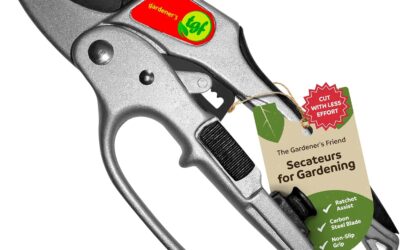
For sore or easily fatigued hands, check handle opening and closing effort before buying when possible, and choose a grip that feels secure without forcing your fingers wide. Ratcheting shears may suit some users who prefer repeated smaller cutting actions, but they are not right for every cut or hand. Compare the tradeoffs in our guide to ratchet pruning shears and comfort considerations.
Research Methodology and Trust
Our pruning guidance evaluates the likely causes of sticking by separating blade friction, pivot resistance, spring return, and problems caused by forcing a tool beyond its intended task. These symptoms can feel similar, so diagnosis starts with observing where movement catches rather than immediately sharpening or tightening the shears.
For tool recommendations, we compare stated task suitability, cutting capacity, leverage, blade and head details when documented, handle comfort, weight, maintenance needs, and storage requirements. Owner feedback can help identify recurring usability themes, while manufacturer instructions remain important for cleaning, adjustment, sharpening, and repair.
We assess fit for beginner gardeners, frequent pruners, small yards, and people who value easier handling. Guidance is reviewed during November 2026 with attention to practical upkeep and clear distinctions between routine cleaning and damage that calls for repair or replacement.
Frequently Asked Questions
Why do pruning shears stick after cutting fresh stems?
Sap and plant fibers can cling to the blade and pivot, increasing friction. Wipe the tool clean after use, dry it, and follow the manufacturer’s directions for removing stubborn residue.
How can I tell whether pruning shears need sharpening?
Look for visible nicks or a dull edge, and note whether the tool snags or crushes stems instead of cutting cleanly. Clean the blades first, since residue can mimic dullness, then sharpen only as the maker directs.
Should pruning shears feel tight at the pivot?
The blades should stay aligned without binding. If movement is stiff, check for debris and follow the manual’s pivot-adjustment instructions; excessive tightening can make the problem worse.
What should I do if pruning shears will not reopen?
Keep fingers clear of the blades and inspect for debris or a displaced, worn, or broken spring. Do not force the handles; repair or replace damaged parts according to the manufacturer’s guidance.
How should I store pruning shears?
Clean and dry them before storage, then keep them in a dry place with the blades closed or secured as the maker recommends. A protective cover can help prevent accidental contact with the cutting edge.
Can pruning shears cut any branch that fits between the blades?
No. A branch can fit between the blades and still exceed the tool’s intended cutting capacity or strain its mechanism. Check the manufacturer’s guidance and use an appropriately sized tool rather than twisting or forcing the shears.