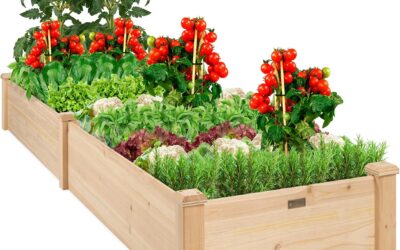


Do Raised Garden Beds Need A Bottom depends on where the bed will sit, what you plan to grow, and what problem the structure must solve. A bottom can hold soil above a patio, slow contact with contaminated ground, and help gardeners limit roots. It can also restrict drainage, reduce soil volume, and turn a raised bed into a large container.
This guide focuses on how to choose the right design; we do not rank specific products here. Use the decision points below to match bed construction with your yard, balcony, mobility needs, drainage conditions, and maintenance routine. For related layouts, see the Raised Beds & Planters category.
Do Raised Garden Beds Need A Bottom?
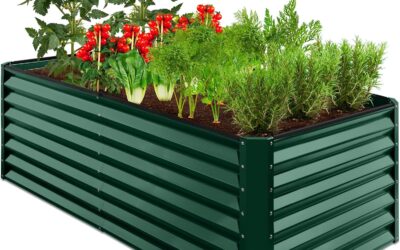
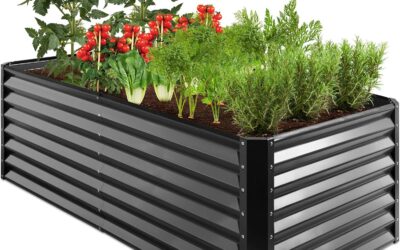
Most raised beds placed directly on healthy soil do not need a solid bottom. An open base lets plant roots extend downward, improves access to native soil, and allows excess water to drain into the ground. This design usually suits lawns, garden plots, and other areas with acceptable soil and good drainage.
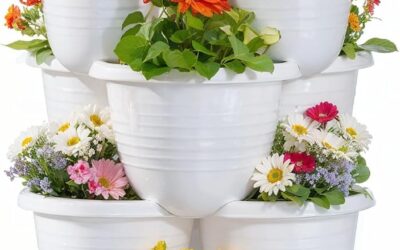
A bottom makes more sense when a bed must sit on concrete, a deck, a balcony, or another hard surface. It can also help separate growing soil from questionable ground, though a bottom alone does not solve every contamination concern. Choose a container-style design only when its drainage, structural support, and soil capacity suit the planting plan.
Open Base Versus Solid Bottom
An open base behaves like an amended patch of ground. It gives roots more room and reduces the amount of purchased soil needed for deeper crops. It also makes drainage less dependent on holes, feet, and surface slope.
A solid bottom creates a contained growing system. That can protect a patio and make relocation possible, but it adds weight and makes drainage design critical. A bed filled with wet soil can place substantial stress on a deck or balcony, so confirm load limits with a qualified professional before installation.
Drainage Matters More Than the Bottom
Water needs a clear path out of any enclosed bed. Look for drainage openings distributed across the base rather than relying on one outlet. Openings should remain clear after soil settles, and the bed should not sit where runoff collects.
Do not place a solid liner inside an open-bottom bed unless you have a specific drainage plan. Lining the sides may slow soil loss, but an impermeable layer can trap water around roots. Avoid using a layer of gravel as a substitute for drainage openings. Gravel does not remove excess water when the outlet remains blocked.
When an Open Bottom Works Best
- Yard soil drains reasonably well.
- Plant roots can safely contact native soil.
- You want deeper rooting space for crops with substantial root systems.
- You want to reduce soil volume and long-term container watering.
- The bed will remain in one garden location.
Remove grass and persistent weeds beneath the bed before filling it. A shallow bed benefits from contact with improved soil, while a deeper bed gives more control over growing conditions. Do not assume raised height removes every weed problem. Perennial roots can still move into the bed from surrounding ground.
When a Bottom Makes Sense
- The bed must sit on concrete, masonry, or a balcony.
- You need a movable planter for a small space.
- You want to keep growing soil separate from existing ground.
- Garden access requires a contained, elevated planter.
- Drainage openings and structural support can handle the filled weight.
A bottom does not automatically make a bed more accessible. Height, width, edge shape, and reach distance affect comfort more directly. A planter that is too wide can force bending or stretching even when its base is elevated. For mobility-focused planning, review the guidance on raised planters for wheelchair gardening.
Soil Depth and Crop Choice
Bottomless beds can use native soil below the added mix, which helps when crops need more rooting depth. Container-style beds depend on their filled volume, so shallow designs suit shallow-rooted plants more readily than crops that need deeper soil. Check mature root behavior before choosing bed height.
Do not fill an enclosed bed with garden soil alone if it becomes dense or drains poorly. A suitable growing mix must retain enough moisture for the crop while allowing excess water to leave. Follow the soil supplier’s guidance for the specific planting use, and expect settling after watering.
Pests, Weeds, and Ground Conditions
An open bottom does not block burrowing animals, soil insects, or weed roots. If a pest problem drives the decision, use a barrier designed for that target and install it without creating drainage problems. Mesh size, placement, and attachment matter more than simply adding material beneath the bed.
Test or assess existing soil when contamination is a concern, especially near older painted structures, treated timber, roads, or sites with an unknown history. A bottom can separate soil physically, but it cannot replace appropriate local guidance or soil evaluation.
Small-Space Placement and Weight
On balconies and decks, measure doorway access, walking clearance, and the final footprint before buying materials. Account for wet soil, plants, irrigation water, and any support frame. Keep drainage from staining or damaging the surface, and confirm property rules before installation.
Small spaces often favor a contained planter, but a bottom can increase upkeep. Enclosed soil dries differently from open ground and may need more frequent moisture checks. A drip system can help only when tubing, pressure, drainage, and winter storage all fit the location.
Materials, Maintenance, and Longevity
Inspect the base, drainage openings, fasteners, and corners at the start and end of each growing season. Remove blocked soil from openings, check for movement, and repair damaged components before refilling. Do not drag a filled bed across a deck or patio.
Material choice affects expected upkeep, but lifespan depends on exposure, moisture, construction, and maintenance. Keep wood from staying saturated, protect surfaces where required by manufacturer instructions, and avoid treatments that are unsuitable for food-growing areas. Replace soil gradually when structure or drainage declines.
Research Methodology and Trust
Dove Creek Gardens evaluates raised beds by matching construction to growing conditions. Key factors include open or enclosed base design, drainage, soil volume, access height, stability, assembly, placement, and routine upkeep. The method also considers whether a design suits a yard, patio, balcony, or accessibility-focused garden.
We compare manufacturer instructions, gardening principles, and practical use cases, then assess tradeoffs rather than treating one construction style as universal. During November, guidance is reviewed for clarity, seasonal maintenance, drainage concerns, and safe placement on elevated surfaces.
Recommendations change when site conditions change. A bottomless bed may suit healthy ground, while an enclosed planter may suit hardscape. Readers should follow local building rules, property requirements, and manufacturer instructions for any structure placed above ground level.
Frequently Asked Questions
Can a raised garden bed sit directly on grass?
Yes, an open-bottom bed can sit on grass after vegetation and persistent weeds are removed. Roots may still grow into the bed, so inspect the surrounding ground before filling it.
Should a planter on concrete have drainage holes?
Yes. Enclosed soil needs a clear route for excess water. Keep openings clear and protect the surface below from runoff.
Does a bottom stop weeds?
A solid bottom can separate soil from ground weeds, but weed seeds can still arrive by wind, compost, tools, or purchased soil. An open bed needs more attention to vegetation below and around its edges.
Can a raised bed be placed on a balcony?
Only after checking structural load limits, property rules, access, and drainage. Wet soil is heavy, and a qualified professional should assess uncertain balcony capacity.
How often should a bottomed garden bed be inspected?
Inspect it at least each growing season and after severe weather. Check drainage openings, joints, support points, standing water, and soil movement.
Which design suits older gardeners?
Choose height and width based on comfortable reach, stable access, and easy watering. A bottom may help with placement on hardscape, but it does not replace a manageable working height and safe walking clearance.