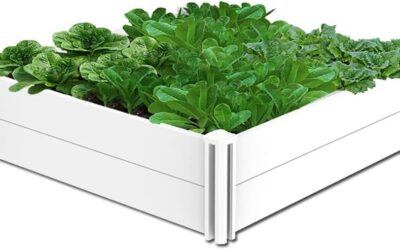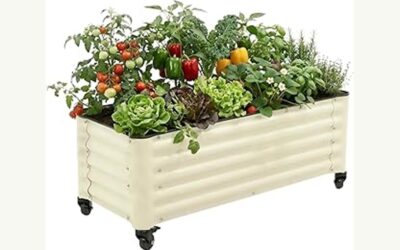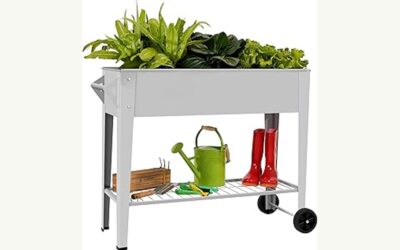


Figuring out how deep should a raised garden bed be is one of the first questions homeowners face when planning a new growing space. Too shallow, and roots become cramped or plants dry out too quickly. Too deep, and you spend more on soil than necessary while making the bed harder to reach for planting and weeding. This guide is written for beginner gardeners, homeowners with limited yard space, and older gardeners who want a setup that is comfortable to use without unnecessary bending or strain.
Depth needs vary by what you plan to grow. Shallow-rooted crops like lettuce and herbs can thrive in as little as 6 to 8 inches, while tomatoes, carrots, and other deep-rooted vegetables generally do better with 12 inches or more. For this article, we reviewed the available product data for raised garden beds to compare against these depth guidelines, though at this time no specific raised bed products met the criteria for inclusion in a product comparison. Instead, this guide focuses on the practical depth considerations every gardener should weigh before building or buying a bed.
If you are exploring options for your own garden layout, our Raised Beds & Planters category page has additional resources to help you plan a setup that fits your space and growing goals.
Note: No specific raised garden bed products were available for review at this time, so the following guidance is based on general depth planning principles rather than a comparison of individual products.
How Deep Should A Raised Garden Bed Be: Buying Guide
Matching Depth To What You Grow
The right depth largely depends on your plant choices. Leafy greens, herbs, and salad crops have shallow root systems and can grow well in beds as shallow as 6 to 8 inches. Root vegetables like carrots, potatoes, and deep-rooted crops such as tomatoes and peppers typically need at least 12 inches of soil depth to develop properly. If you plan to grow a mix of shallow and deep-rooted plants in the same bed, building to at least 12 inches gives you more flexibility season to season.
Growing Volume And Soil Requirements
Depth directly affects how much soil you need to fill a bed, which impacts both cost and weight. A deeper bed holds more soil volume, giving roots more room to spread and helping the bed retain moisture longer between waterings. However, deeper beds also mean a bigger upfront investment in soil and amendments, so it helps to calculate volume (length times width times depth) before committing to a design.
Access Height For Comfort And Accessibility
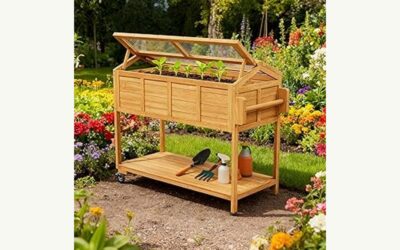
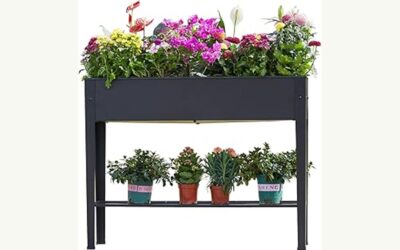
For older gardeners or anyone who wants to avoid excessive bending, the total height of the bed off the ground matters as much as the soil depth itself. A bed built on legs or a raised frame that puts the growing surface at 24 to 36 inches off the ground can make gardening far more comfortable, especially for those with limited mobility or back concerns. In these designs, the soil depth within the bed itself can often be shallower, since the elevated structure already provides good drainage and root room.
Drainage Considerations
Deeper beds generally offer better drainage because excess water has more soil to pass through before pooling at the bottom. Shallow beds under 6 inches can be prone to waterlogging if drainage holes or gaps are not adequate. Regardless of depth, make sure the base of the bed allows water to escape rather than collecting around roots.
Common Depth Mistakes To Avoid
A frequent mistake is building a bed too shallow for the intended crops, which leads to stunted growth and more frequent watering. Another common issue is assuming a deeper bed is always better without accounting for the added soil cost and weight, particularly on patios or decks where load-bearing capacity matters. Take time to match depth to your actual planting plans rather than defaulting to a single standard size.
Small-Space And Patio Fit
For small yards, balconies, or patios, shallower beds in the 8 to 10 inch range can still support a good variety of herbs, greens, and compact vegetables while remaining lighter and easier to move if needed. Pairing a moderate depth with a smaller footprint keeps the setup manageable without sacrificing too much growing potential.
Maintenance And Long-Term Use
Soil in raised beds settles and compacts over time, so even a bed built to 12 inches may need topping off with fresh soil or compost each season to maintain adequate depth for root growth. Checking depth annually and refreshing soil as needed helps keep the bed performing well over multiple growing seasons.
Depth Guidelines By Plant Type
The table below summarizes general depth ranges based on common plant categories, which can serve as a starting point when planning your bed.
| Plant Type | Recommended Minimum Depth |
|---|---|
| Herbs and shallow greens | 6 to 8 inches |
| Bush beans, peas, onions | 8 to 10 inches |
| Tomatoes, peppers, carrots | 12 inches or more |
| Mixed vegetable garden | 12 to 18 inches |
Research Methodology And Trust
Our process for this guide began with screening available raised garden bed product data against the specific question of depth suitability for common home garden crops. This included reviewing listed dimensions, materials, and design details where such information was available to determine whether products aligned with the practical needs described in this article.
At the time of this review in August 2026, no raised garden bed products in our current data set had sufficient depth-related specifications or owner feedback to support a fair comparison against the topic of ideal bed depth. Rather than force a recommendation, we chose to focus this guide on research-based depth planning principles that any gardener can apply when selecting or building a bed, regardless of brand.
This approach reflects our commitment to transparency. We do not claim hands-on testing of physical products in this article, and we update our content as new, relevant product data becomes available so readers can make informed decisions based on accurate information.
Final Recommendations
At this time, we do not have specific raised garden bed products in our data set that match the depth-focused criteria covered in this guide. Rather than recommend a product that does not have supporting specifications or owner feedback relevant to bed depth, we are holding off on naming a top pick.
Instead, use the depth guidelines and plant-type table above to evaluate any raised bed you are considering, whether from a retailer, a kit, or a custom build. Focus on matching the depth to your intended crops, checking that the total height suits your comfort level, and confirming that drainage is adequate for the depth you choose.
We will update this guide with specific product recommendations once suitable raised bed options with clear depth specifications become available for comparison.
Frequently Asked Questions
How deep should a raised garden bed be for vegetables?
Most vegetables do well with at least 12 inches of soil depth, though shallow-rooted crops like lettuce and herbs can succeed with as little as 6 to 8 inches. If you plan to grow a mix of vegetables, building to 12 to 18 inches gives you more flexibility.
Can a raised bed be too deep?
A bed can be deeper than necessary, which increases soil costs and weight without added benefit for shallow-rooted plants. For most home gardens, 12 to 18 inches covers the needs of nearly all common vegetables without excessive soil requirements.
What depth is best for older gardeners or those with limited mobility?
For comfort and accessibility, the overall height of the bed off the ground matters more than the internal soil depth. A bed elevated to 24 to 36 inches on legs or a frame can reduce bending, even if the soil layer itself is a moderate 8 to 10 inches.
Does bed depth affect watering needs?
Yes, shallower beds tend to dry out faster and may need more frequent watering, especially in warm weather. Deeper beds hold more moisture but should still have adequate drainage to prevent waterlogged roots.
How does depth affect soil settling over time?
Soil naturally compacts and settles each season, which can reduce effective growing depth over time. Topping off with fresh soil or compost annually helps maintain the depth your plants need.
What is a good minimum depth for a small-space or patio bed?
For patios or small yards, 8 to 10 inches can support a good range of herbs, greens, and compact vegetables while keeping the bed lighter and easier to manage. This depth balances growing potential with practicality in tight spaces.
Do raised bed materials affect how deep the bed should be?
Material choice can influence structural stability at greater depths, since taller beds place more pressure on side walls. Regardless of material, confirm that the design can support the soil depth you plan to use without bowing or shifting over time.
Continue your garden research
Browse more practical guides in Raised Beds & Planters.
See how Dove Creek Gardens researches and compares products.