

Roses need a growing medium that suits their planting location. A container rose relies on the mix inside its pot, while a rose planted in the ground generally grows in the existing garden soil. This guide to Best Soil For Roses helps home gardeners decide whether an all-purpose potting mix is appropriate for a container rose and what to consider before planting.
We compare 2 options for container use, focusing on their stated ingredients, feeding periods, moisture-related features, and intended use. Neither is described as a rose-specific formula, so the key decision is whether a general-purpose mix fits your pot and watering routine. For broader soil and amendment guidance, browse our Compost, Soil & Mulch resources.

Pros
- Designed for a wide range of outdoor container plants.
- Built-in fertilizer can simplify feeding during the first two months after planting.
- Clear coverage guidance helps gardeners estimate whether one bag will fill a 12-inch pot.
Cons
- A 16-quart bag may be insufficient for several large containers or extensive planting projects.
- Gardeners who need a specific drainage profile or a mix for indoor plants may prefer a more specialized product.
- The amount required can vary depending on the size of each plant's root ball.
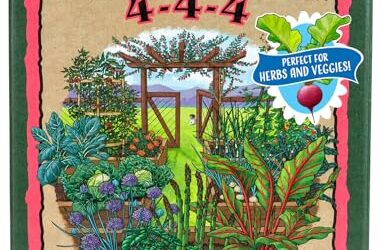
Miracle-Gro Organic Outdoor Potting Mix is intended for planting and refreshing outdoor containers. It is a practical fit for beginners, homeowners, and patio gardeners who want one mix for flowers, vegetables, herbs, annuals, and perennials.
The feature set includes a quick-release natural plant fertilizer that feeds plants for up to two months. This may reduce the need to plan an immediate separate feeding routine, although gardeners should still follow the plant's specific care requirements.
The product comes in a 16-quart bag measuring 4 by 12.75 by 21 inches and weighing 13.1 pounds, based on the listed specifications. The supplied directions call for partially filling the pot, loosening the plant's root ball, covering it with more mix, and watering thoroughly.
One bag is listed as enough to fill one 12-inch pot, with the actual amount varying according to root-ball size. That makes it suitable for a single substantial patio container or a small planting project, but gardeners filling multiple large pots may need more than one bag.
This mix is made with peat described as responsibly sourced, with all peat coming from certified producers. It is intended for outdoor containers rather than every possible growing situation, so gardeners seeking a specialized indoor, seed-starting, or highly customized mix may want a different formulation. Overall, it is a straightforward option for routine outdoor container planting with fertilizer included.
Best For / Avoid If
Best for buyers prioritizing
- Designed for a wide range of outdoor container plants.
- Built-in fertilizer can simplify feeding during the first two months after planting.
- Clear coverage guidance helps gardeners estimate whether one bag will fill a 12-inch pot.
Consider another option if
- A 16-quart bag may be insufficient for several large containers or extensive planting projects.
- Gardeners who need a specific drainage profile or a mix for indoor plants may prefer a more specialized product.
- The amount required can vary depending on the size of each plant's root ball.

Pros
- Combines coconut coir and plant food in one ready-to-use potting mix.
- Can be used for indoor or outdoor containers and raised beds.
- Supports several common plant types, including vegetables, flowers, and herbs.
- The 5.2-pound package may be easier to handle than a larger soil bag.
Cons
- A 9-quart quantity may be less suitable for filling large containers or covering extensive raised-bed areas.
- Gardeners may need to plan for additional feeding after the listed slow-release period of up to three months.
- The published specifications do not identify drainage additives or a specialized formula for particular plant types.
Burpee Organic Premium Potting Mix is a 9-quart soil mix intended for container gardening and raised beds. Its listed uses include vegetables, flowers, and herbs, so it is a practical choice for beginners, patio gardeners, and homeowners starting smaller indoor or outdoor planting projects.
The mix combines plant food with coconut coir. According to the product information, it feeds plants immediately and provides slow-release plant food for up to three months. Coconut coir helps retain moisture between waterings, which may be useful for potted plants that dry out more quickly than in-ground beds.
Based on the listed specifications, the package measures 4 by 16 by 12.6 inches and weighs 5.2 pounds. It arrives as a potting mix rather than a planter or assembled growing system, so gardeners will need suitable containers or raised beds and should follow the planting directions for their chosen plants.
The 9-quart size fits smaller container projects such as herb pots, flower arrangements, and individual vegetable planters. It can also help refresh a limited raised-bed area, although larger beds or multiple containers may require more than one package. The product information also suggests using plants of different heights to create more dimensional flower pots.
OMRI Listed for organic use, this mix may appeal to gardeners who prefer organic-use inputs. The published data does not specify drainage additives or a formula for specialized plants, so gardeners with unusual soil requirements may prefer a more targeted mix. Overall, it is a straightforward option for common container and small raised-bed planting, with moisture retention and built-in feeding as its main conveniences.
Best For / Avoid If
Best for buyers prioritizing
- Combines coconut coir and plant food in one ready-to-use potting mix.
- Can be used for indoor or outdoor containers and raised beds.
- Supports several common plant types, including vegetables, flowers, and herbs.
Consider another option if
- A 9-quart quantity may be less suitable for filling large containers or covering extensive raised-bed areas.
- Gardeners may need to plan for additional feeding after the listed slow-release period of up to three months.
- The published specifications do not identify drainage additives or a specialized formula for particular plant types.
Best Soil For Roses buying guide
Start with the planting location
These two mixes are positioned for containers, and one also mentions raised beds. That makes them candidates to consider for a potted rose, not automatic choices for a rose planted directly in a garden bed. Potting mix and native garden soil serve different situations; before buying, check that the package directions cover your planting setup.
If your rose is going into the ground, focus first on the conditions of the bed and any soil amendments appropriate to it. Adding container mix to a bed is not a substitute for understanding the existing soil. For pots, check that the container has drainage and choose a volume that accommodates the root ball without crowding it.
Understand what the mix does and does not claim
Both products are general-purpose potting mixes rather than rose-labeled formulas. Miracle-Gro says its organic outdoor mix is intended for outdoor container plants, including flowers, and contains a quick-release natural fertilizer with feeding for up to two months. Burpee describes its mix for containers and raised beds, with plant food that feeds immediately and a slow-release component for up to three months.
Those feeding periods are manufacturer statements, not a promise that every rose will need no additional fertilizer for that entire time. Follow the package directions, consider any plant food already in the mix, and avoid adding fertilizer automatically on top of it. Our guide to choosing fertilizer for a garden explains why it is worth checking feeding instructions before combining products.
Balance moisture retention with drainage
Container mix needs to be managed in the context of the pot and the site. Burpee says its coconut coir helps retain moisture between waterings. That may appeal to gardeners who want a mix with a stated moisture-retention feature, but it does not remove the need to check the pot and growing medium regularly. Water needs vary with weather, container placement, and plant size.
Neither product description gives a rose-specific drainage rate. Use a pot with working drainage, follow the mix’s directions, and pay attention to how quickly the container dries. Avoid assuming that a moisture-retaining ingredient means the pot should stay continuously wet.
Compare bag volume with the pot
Miracle-Gro’s 16-quart bag is described as enough to fill one 12-inch pot, with the amount varying according to the root ball. Burpee’s package is 9 quarts. Compare the stated volume with your container before ordering, and allow for the space occupied by the rose’s root ball. A smaller bag may suit topping up or a smaller planting job, while a larger volume can reduce the need to combine multiple bags.
For a heavy pot, consider where it will sit before filling it. Moving a container after adding mix and a plant can be difficult. Placing it in its final position first may make setup more manageable, especially for gardeners who prefer to limit lifting.
Choose ingredients with your priorities in mind
Miracle-Gro says its mix contains peat moss and that all of its peat is sourced from certified producers. Gardeners comparing materials can weigh that stated sourcing detail against their own preferences. Burpee identifies coconut coir as an ingredient and says it helps hold moisture; it also describes the mix as OMRI Listed for organic use.
These attributes do not establish that one mix is better for every rose. Consider the planting location, package directions, and whether the included fertilizer and moisture-retention characteristics suit your routine. If organic-use status matters to your gardening practices, verify the current package and applicable requirements before purchase.
Avoid common planting and feeding mistakes
Do not treat potting mix as a universal fix for poor garden soil, and do not assume a general flower mix has been formulated specifically for roses. When potting, follow the manufacturer’s planting directions. Miracle-Gro advises partially filling the pot, loosening the root ball, adding mix around the plant, and watering thoroughly.
Check the label before adding other soil amendments or fertilizer. Mixing products without considering their ingredients and feeding directions can make it harder to know what the plant is receiving. For finished compost preparation, see our practical guide to sifting compost for garden use.
Plan for storage and repeat use
Buy a quantity that matches the planting job when storage space is limited. Keep remaining mix in a closed, dry location and follow package storage directions. The product descriptions do not specify a shelf life, so check the packaging rather than assuming a particular storage period.
After planting, check the container periodically and follow the product label for any later feeding. The listed feeding windows differ, so keep the package available as a reference. Avoid storing open bags where they can become wet or spill into areas used by children or pets, and follow all label precautions.
Research methodology and trust
We evaluate potting mixes for this use by looking at their stated planting settings, ingredients, bag volume, feeding claims, and practical directions. For roses, the central distinction is whether the plant is in a container or in the ground, because the products considered here are presented for container or raised-bed use rather than as rose-specific garden-bed soil.
We compare manufacturer claims carefully: Miracle-Gro describes peat sourcing, outdoor container use, and feeding for up to two months; Burpee describes coconut coir, use in containers and raised beds, and feeding for up to three months. We also assess how bag size and moisture-related features may fit different home gardening routines, without treating stated features as guaranteed results for every plant or location.
Recommendations are updated during November 2026 to reflect the available product specifications and the needs of home gardeners. Before planting, read the current package directions, particularly for application, fertilizer, and storage.
Frequently asked questions
Can I use outdoor potting mix for a rose in a container?
Miracle-Gro describes its outdoor mix for container plants, including flowers, and Burpee describes its mix for containers. Neither is identified as rose-specific. Check the package directions and make sure the pot has drainage.
Should I use potting mix for a rose planted in the ground?
These products are described for containers or raised beds, not specifically for in-ground rose planting. For a garden bed, consider the existing soil and seek guidance appropriate to in-ground planting before adding amendments.
Which bag size is more practical for one rose pot?
Miracle-Gro comes in a 16-quart bag and says it fills one 12-inch pot, though the root ball affects the amount needed. Burpee comes in a 9-quart bag. Compare those volumes with your pot and root ball before choosing.
Do these potting mixes include fertilizer?
Yes. Miracle-Gro describes a quick-release natural fertilizer and feeding for up to two months. Burpee describes immediate plant food followed by slow-release feeding for up to three months. Follow the package directions before adding more fertilizer.
How should I store leftover potting mix?
Follow the package storage instructions and keep the remaining mix closed and dry. The product descriptions do not specify a shelf life, so refer to the packaging for storage and use guidance.