

Starting seeds in an unheated greenhouse is a common way to get a jump on the growing season without the cost of heating equipment, but the timing depends on your climate, the structure itself, and the crops you want to grow. This guide is written for beginner gardeners, homeowners with a backyard greenhouse, older gardeners who want a manageable seasonal routine, and small-space growers trying to make the most of limited protected growing area. We checked the products sold for this task against the realities of seed starting in an unheated greenhouse before writing this guide.
Selection criteria for this kind of guide typically include structural insulation, ventilation, seasonal durability, and how well a product supports the temperature swings common in an unheated space. For general background on greenhouse structures and storage solutions, you can browse our Greenhouses & Garden Storage category for related coverage.
Because no products in our current data set matched the specific requirements of this topic, this article focuses on the practical timing and management factors that matter most when starting seeds in an unheated greenhouse. We have kept the guidance general and avoided attaching it to any single product so the information stays useful regardless of what equipment you already own.
when to start seeds in an unheated greenhouse Buying Guide
An unheated greenhouse buffers outdoor temperature swings but does not eliminate them, so timing decisions depend on several interacting factors. The subsections below walk through what to consider before you start a single tray of seeds.
Understanding Your Frost-Free Date and Regional Timing
Your local average last frost date is the starting point for any seed-starting schedule, even inside a greenhouse. Because an unheated structure typically stays only a few degrees warmer than outside air on cold nights, most gardeners still plan around their regional frost window rather than ignoring it entirely. Checking your USDA hardiness zone and local extension office recommendations gives you a realistic baseline before adjusting for greenhouse conditions.
How an Unheated Greenhouse Changes the Seed-Starting Calendar
An unheated greenhouse generally allows gardeners to start seeds a few weeks earlier than they could outdoors, since the covering traps daytime solar heat and slows nighttime heat loss. The exact head start varies by structure size, glazing material, and how much sun the site receives, so treat any general timing rule as a starting point that you adjust based on your own greenhouse’s performance over a season or two.
Choosing Seeds Suited to Cold-Start Conditions
Cold-tolerant crops such as many leafy greens, brassicas, and hardy herbs are generally better suited to early starts in an unheated space than heat-loving crops like tomatoes or peppers, which are more sensitive to chilly nights. Reading seed packet guidance for germination temperature ranges helps you decide which trays to start first and which to hold back until the greenhouse warms further into spring.
Protecting Seedlings During Temperature Swings
Unheated greenhouses can still drop close to freezing on clear, calm nights, so many gardeners add a layer of protection such as row cover, frost cloth, or moving trays away from exterior walls during cold snaps. Thermal mass, like water-filled containers or stone, can also help moderate temperature swings, though results depend heavily on the size and construction of the individual structure.
Ventilation and Airflow in an Unheated Structure
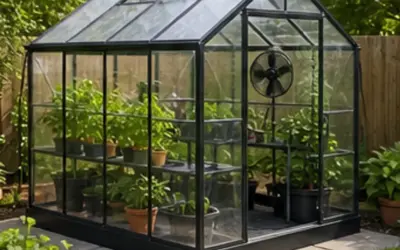
Even in cool weather, an unheated greenhouse can overheat on sunny days if it lacks adequate ventilation, which stresses young seedlings. Vents, doors, or roll-up sides that can be opened during warm afternoons and closed again before evening help keep temperatures within a workable range for germination and early growth.
Common Mistakes When Starting Seeds Too Early or Late
Starting seeds too early often leads to leggy, stressed seedlings that sit in cold soil longer than necessary, while starting too late can shorten the growing season for crops that need a head start. Keeping a simple log of when you started seeds and how the plants responded from year to year is one of the most reliable ways to fine-tune timing for your specific greenhouse and climate.
Hardening Off and Transitioning Outdoors
Seedlings started in an unheated greenhouse still benefit from a gradual hardening-off period before they move to fully open garden beds, since outdoor conditions can be more variable than even an unheated structure. Gradually increasing outdoor exposure over a week or two helps reduce transplant shock, particularly for tender crops.
Maintenance and Seasonal Storage Considerations
Between seed-starting seasons, an unheated greenhouse benefits from routine checks of the glazing, frame, and ventilation openings to make sure the structure will perform consistently the following year. Storing trays, covers, and thermal mass materials in an organized way inside the greenhouse or a nearby storage space also makes the next seed-starting season easier to begin on schedule.
Research Methodology and Trust
Our process for this guide began with product relevance screening against the specific task of seed starting in an unheated greenhouse. We compared the available product data against the category criteria for greenhouses, grow structures, and garden storage, including dimensions, ventilation, and seasonal suitability where such information exists.
In this case, none of the products in our current data set had documented specifications, features, or owner feedback that matched the requirements of this specific topic closely enough to recommend responsibly. Rather than force a connection, we chose to focus this article on general timing and management guidance drawn from common greenhouse gardening practices.
This analysis is research-based rather than hands-on. We have not physically tested any structure or accessory for this article, and we want to be transparent about that distinction so readers can weigh the guidance accordingly. We will revisit this page as new product data becomes available during August 2026 and beyond.
Final Recommendations
Based on the product data currently available to us, we are not able to recommend a specific product for this topic. None of the items in our data set matched the intended use case of starting seeds in an unheated greenhouse closely enough to support a fair, evidence-based recommendation.
Rather than list unrelated equipment, we have focused this guide on the timing and management principles that apply regardless of which greenhouse or seed-starting setup you use. If you already have an unheated greenhouse, the buying guide sections above should help you plan a reasonable seed-starting schedule for your climate.
Check back as our product coverage expands, and visit our Greenhouses & Garden Storage category for related structure and storage options as they are added.
FAQ
When should I start seeds in an unheated greenhouse?
Most gardeners begin a few weeks before their outdoor planting date, adjusted for how much protection their specific greenhouse provides. Checking your local frost date and monitoring your greenhouse temperature over a season helps you refine the timing for your own setup.
Can I start heat-loving crops early in an unheated greenhouse?
Heat-loving crops like tomatoes and peppers are generally more sensitive to cold nights, so many gardeners wait until the greenhouse holds more consistent warmth before starting them. Cold-tolerant crops are usually a safer choice for the earliest sowings.
How do I protect seedlings if temperatures drop unexpectedly?
Row cover, frost cloth, or moving trays away from exterior walls can offer additional protection during unexpected cold snaps. Some gardeners also use thermal mass, such as water-filled containers, to help moderate swings, though effectiveness varies by structure.
Do I need to ventilate an unheated greenhouse in early spring?
Yes, ventilation is still important because an unheated greenhouse can overheat on sunny days even in cool weather. Opening vents or doors during warm afternoons and closing them before evening helps keep conditions steadier for seedlings.
How long should seedlings stay in the greenhouse before transplanting outdoors?
This depends on the crop and your local frost timing, but most seedlings benefit from a gradual hardening-off period before moving to open garden beds. Increasing outdoor exposure over a week or two typically reduces transplant stress.
What maintenance does an unheated greenhouse need before seed-starting season?
Checking the glazing, frame, and ventilation openings for damage or blockages before the season starts helps the structure perform consistently. Organizing trays and covers in advance also makes it easier to start on schedule each year.
Is an unheated greenhouse suitable for a small yard or patio garden?
Many unheated greenhouses come in compact sizes that can fit a small yard or patio, making them useful for gardeners with limited space. Matching the structure size to your available area and sun exposure is an important early step in planning your seed-starting schedule.