


Stepping into a greenhouse only to find water dripping from the ceiling panels and puddles along the staging is a common frustration for home growers. Understanding why is there condensation in my greenhouse starts with recognizing the natural balance of temperature, moisture, and airflow. Greenhouses are engineered to capture warmth and shelter tender crops, but that same enclosed design traps water vapor emitted by damp soil and transpiring foliage. When warm, moisture-laden air contacts cooler glazing panels, condensation forms instantly.
This guide is designed for backyard growers, hobbyists, and container gardeners seeking practical solutions to persistent moisture problems. Greenhouse condensation is primarily an environmental management challenge rather than a problem solved by an individual pre-packaged unit. Managing excess moisture requires examining ventilation layout, watering practices, thermal mass, and air circulation equipment.
Left unchecked, chronic condensation leads to persistent foliage dampness, inviting fungal issues such as botrytis (gray mold) and powdery mildew. By making strategic adjustments to structural ventilation and daily watering schedules, you can maintain a productive growing environment while safeguarding your greenhouse structure. For related enclosure setups, explore our wider resources on Greenhouses & Garden Storage.
Practical Why Is There Condensation In My Greenhouse Management Guide
Condensation occurs when the relative humidity inside the structure reaches saturation point, commonly known as the dew point. Understanding the physical drivers inside your growing space enables targeted corrections that prevent water droplets from accumulating overhead.
The Physics of Dew Point and Glazing Surfaces
Air holds varying quantities of water vapor depending on temperature; warm air retains substantially more moisture than cool air. During sunny daytime hours, solar radiation warms the interior environment, encouraging rapid evaporation from potting compost and natural transpiration through plant leaves. As night falls and outside ambient temperatures plummet, single-pane glass, polycarbonate panels, or polyethylene covers cool down rapidly.
When the warm, moist interior air drifts against these cold perimeter surfaces, its temperature drops below the dew point. The air can no longer hold its water vapor in gaseous form, forcing moisture to liquefy on the glazing. Without adequate slope or surface tension management, these droplets coalesce and drip directly onto plant foliage below.
Plant Transpiration and Soil Evaporation Drivers
Plants continuously draw water through their root systems and release up to 95 percent of it back into the atmosphere through microscopic leaf pores in a process called transpiration. A fully stocked bench of seedlings, mature tomato vines, or leafy greens functions like an evaporative humidifier. Dense foliage clusters heighten localized humidity zones dramatically.
Uncovered earthen floors, open gravel paths soaked by overspray, and unmulched raised beds also release gallons of moisture into the greenhouse volume. Managing soil surface exposure through clean pathways and proper pot spacing reduces passive evaporation into ambient airspace.
Ventilation Strategies and Automatic Openers
Passive ventilation remains the first line of defense against stagnant, humid air. Relying solely on manually operated ridge windows often fails because early morning temperature swings occur before gardeners enter the yard. Incorporating mechanical helpers like heat-activated cylinders ensures vents open reliably as heat builds up.
Reviewing our guide on choosing an automatic greenhouse vent opener can help you identify non-electric cylinder hardware that automatically regulates roof louvers based on ambient temperature thresholds. Pairing ridge exhaust with lower side louvers creates a chimney effect, drawing cool, drier outdoor air across the floor while exhausting saturated warm air out the peak.
Air Circulation and Microclimate Prevention
Stagnant air creates cool, saturated pockets around lower foliage, even if a central digital thermometer suggests manageable conditions. Installing continuous-duty oscillating or horizontal airflow fans keeps the air column thoroughly mixed. Consistent, gentle air movement eliminates dead zones, evens out structural temperatures, and discourages water droplets from settling on leaves.
Fans running on low wattage throughout the night prevent the air layer immediately adjacent to cold glazing from chilling precipitously, significantly delaying the onset of dew point condensation.
Watering Timing and Irrigation Practices
Watering plants late in the afternoon or evening is among the most frequent causes of excessive overnight condensation. Saturated soil sitting in a cooling enclosure pumps humidity directly into the air overnight when vents are sealed against cold drafts.
Irrigate exclusively in the early morning so excess surface water evaporates while ridge vents are open during midday warmth. Additionally, avoid overhead sprinkling onto foliage; instead, apply water directly to root zones using narrow-spout watering cans, bottom-watering trays, or drip lines.
Thermal Mass, Shading, and Glazing Insulation
Sudden temperature drops accelerate condensation severity. Incorporating thermal mass, such as dark-colored water barrels situated along north-facing walls, absorbs radiant energy by day and radiates gentle warmth overnight, moderating abrupt temperature swings.
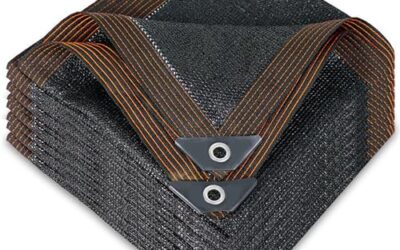
Installing thermal curtains or horticultural bubble insulation creates an insulating buffer between the damp interior atmosphere and frigid exterior panels. During high-heat transitions, utilizing a greenhouse shade cloth prevents excessive daytime solar gain, smoothing out the thermal differential that triggers rapid nighttime cooling.
Supplemental Heating and Bench Management
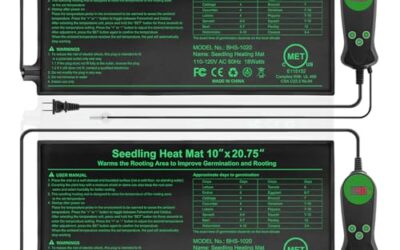
Cold greenhouse benches directly lower the root temperature of delicate seedlings, forcing growers to keep potting mix damp while plant uptake stalls. Utilizing targeted root zone heating, such as a seed starting heat mat with thermostat, warms the root zone efficiently without overheating the entire structure, optimizing water absorption and reducing stagnant pot dampness.
When selecting supplemental space heaters, avoid unvented paraffin or propane units. Fuel combustion produces significant water vapor as a byproduct, worsening moisture accumulation inside sealed winter structures. Electrically powered greenhouse fan heaters with precise thermostatic control provide dry, circulating heat that assists in holding humidity levels down.
Research Methodology and Environmental Screening
Our analysis for September 2026 focused on the thermodynamic factors governing protected growing spaces rather than relying on manufacturer claims. We evaluated standard horticultural engineering principles, psychrometric dew point calculations, and user experiences across backyard glass, polycarbonate, and polytunnel setups. Because no matching standalone product models were provided in the evaluation catalog for this informational topic, we grounded our guidance in verified climate management techniques.
Our screening parameters prioritized ventilation efficacy, air exchange potential, structural thermal efficiency, and cultural management habits. Research-based evaluations do not replicate physical lab tests; instead, our editorial framework synthesizes physical mechanics, building dynamics, and owner reports to help gardeners solve practical growing issues reliably.
Frequently Asked Questions
Is greenhouse condensation harmful to plants?
Yes, persistent condensation can significantly harm plant health. Water dripping onto foliage creates a persistently wet canopy that encourages fungal pathogens like botrytis, dampening-off, and leaf spot, while excessive panel moisture reduces the transmission of natural sunlight necessary for vigorous growth.
Should I wipe condensation off greenhouse walls?
Wiping down glazing panels with a soft squeegee or cloth temporarily removes standing moisture and prevents immediate dripping onto seedlings, but it does not address the underlying humidity. Use manual removal as an interim measure while establishing long-term ventilation and air circulation solutions.
Can a dehumidifier work in a home greenhouse?
Standard domestic dehumidifiers can remove water from tightly sealed greenhouses, but they are generally inefficient in uninsulated hobby structures where exterior air leaks continuously. Improving cross-ventilation and running circulation fans is generally more cost-effective and energy-efficient for backyard growers.
Why does my greenhouse have more condensation in autumn and spring?
Autumn and spring experience the widest differentials between warm daytime temperatures and cold overnight air. As warm air cools rapidly after sunset inside an enclosure, it quickly crosses the dew point threshold, depositing heavy condensation on chilled glazing panels.
Does bubble wrap insulation reduce greenhouse condensation?
Horticultural bubble wrap reduces condensation by serving as a thermal barrier between interior air and freezing outer panels. Because the interior bubble surface remains warmer than bare glass, air touching it is less likely to drop below its dew point.
Continue your garden research
Browse more practical guides in Greenhouses & Garden Storage.
For product comparisons, see Best Portable Greenhouse for Backyard Use Right Now.
See how Dove Creek Gardens researches and compares products.