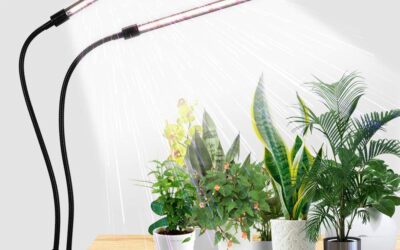



Seedlings need enough light to grow compactly, but a sunny windowsill may not provide steady light through short days or cloudy weather. A grow-light setup gives you more control over where trays sit and when they receive light.
This guide explains how to set up grow lights for seedlings in a home, basement, garage, or small greenhouse. We do not rank specific products here. Choose a fixture by its usable light coverage, adjustable hanging height, timer options, electrical safety instructions, and fit with your shelf or growing area.
Start with the fixture maker’s directions for distance and operating schedule, then watch plant response and adjust gradually. For small growing areas, these small-greenhouse layout ideas can help keep trays, cords, and watering access organized.
How to Choose and Set Up Grow Lights for Seedlings
Match light coverage to tray size
Measure the shelf or bench where seedlings will sit, including room to reach trays for watering. Check the fixture’s stated coverage area, not only its physical length. Light intensity often falls toward fixture edges, so a broad tray may need a wider fixture or more than one light to provide even coverage.
Keep trays within the area the manufacturer identifies as suitable for plant growth. If you use several shelves, consider one fixture per growing level rather than trying to light every level from a single source. Leave enough clearance to lift trays out and remove covers without hitting the light.
Understand spectrum and light output
Seedlings use light across visible wavelengths. A fixture sold for plant growth may describe its spectrum, output, or intended coverage. Compare those stated details when available, but do not assume that a purple appearance means better plant lighting or that a brighter-looking lamp delivers more usable light to every part of a tray.
Specifications such as photosynthetic photon flux density (PPFD) describe light reaching a surface in a given area. They are useful only when measured at a stated distance and interpreted for the fixture’s coverage. If a manufacturer does not publish comparable figures, prioritize clear coverage guidance and adjustable height over unsupported claims about performance.
Hang the fixture so height can change
Use a stable shelf, stand, or manufacturer-approved hanging method. Set the light at the starting distance stated in its instructions. Do not guess a universal distance: fixture output and design differ, so a distance suitable for one light may be too close or too far for another.
Make height easy to adjust. Seedlings gain height over time, and a fixed fixture can leave little room to respond. Raise the light as plants grow while keeping the recommended distance. If stems become unusually long or lean toward the light, check that light reaches the whole tray, confirm the fixture is operating as directed, and adjust position gradually.
Set a consistent daily schedule
Use the fixture’s instructions to set daily operating hours. A plug-in timer can help maintain a consistent schedule, but verify that the timer is compatible with the fixture and electrical load. Give seedlings a regular dark period rather than leaving lights on continuously unless the manufacturer specifically directs otherwise.
Keep a simple note of the on and off times if several people care for the seedlings. A stable routine makes it easier to spot changes in growth and avoid accidental overnight lighting. Natural daylight can add to the total light seedlings receive, so consider the location’s window exposure when deciding whether to use the full scheduled period.
Arrange trays for even exposure
Center trays under the fixture’s stated coverage area. Where light varies across the shelf, rotate trays periodically so plants at the edges do not stay in the same position. Keep foliage from touching a hot fixture, if the fixture produces heat, and follow its ventilation and clearance directions.
Place seedlings at a height that makes watering and inspection comfortable. A reachable shelf reduces awkward lifting, especially when trays are wet and heavier. In a compact room, keep a clear route to remove trays and avoid placing cords where they can snag, get wet, or create a trip hazard.
Use electrical equipment carefully
Read and follow the fixture, timer, and power-strip instructions. Keep plugs and connections away from splashes, use equipment only in locations allowed by its manufacturer, and do not overload an outlet or power strip. Route cords so they cannot pull the fixture down or catch on trays.
Turn the light off and disconnect power before cleaning or adjusting components when the instructions require it. Do not use a damaged cord, plug, or fixture. For a damp greenhouse or other location with moisture exposure, choose equipment specifically approved by its manufacturer for that setting; ordinary indoor fixtures may not be suitable.
Maintain and store the setup
Unplug equipment before dusting the fixture. Keep vents unobstructed and inspect hanging hardware and cords periodically. Follow manufacturer directions for cleaning, replacement parts, and storage. Avoid spraying water toward a light or electrical connection while watering seedlings.
When the growing season ends, let equipment cool, clean it as directed, and store it somewhere dry if its instructions call for indoor storage. Remove or secure timers and cords so they do not bend sharply. Before the next season, inspect the setup and confirm the fixture and timer operate normally.
Avoid common setup mistakes
Do not rely on a lamp’s appearance alone to judge coverage, place every fixture at the same distance, or leave lights on around the clock by default. Do not crowd more trays beneath a fixture than its guidance supports. A larger growing area may need another light or a different arrangement.
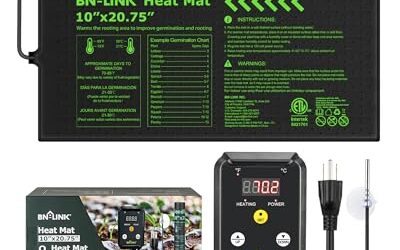
Change one setup factor at a time, such as height or tray position, and observe the seedlings over several days. This makes it easier to understand whether an adjustment helped. If plants show stress, consult the fixture maker’s guidance and review watering, temperature, and airflow as well as light placement. A seedling heat mat serves a different purpose from a grow light; see our guide to seedling heat mats if germination warmth is also a concern.
How We Evaluate Seedling Grow-Light Setups
We assess grow-light choices by how clearly their stated coverage, light output, spectrum, mounting options, and operating directions suit seedling trays. Coverage and adjustable height matter because they affect whether a home setup can serve the intended shelf without leaving plants at the margins or crowding growing space.
We also compare practical ownership factors: timer compatibility, electrical instructions, cleaning needs, storage, and the effort required to move a light as seedlings grow. Manufacturer specifications guide claims about fixture capability. Owner feedback, when available, can add context about setup convenience and recurring usability concerns, but it does not replace published electrical or operating instructions.
Recommendations depend on the growing situation. A homeowner with one tray may value a compact, easy-to-adjust arrangement; someone growing many varieties may need broader, more even shelf coverage. During November 2026, we review the guidance for relevance to those home-garden use cases and emphasize details gardeners can verify before purchase.
Frequently Asked Questions
How close should a grow light be to seedlings?
Follow the fixture maker’s recommended distance because light output and design vary. Adjust the height as plants grow, and watch for uneven growth or signs that plants are too close to the light.
How many hours should seedling lights run?
Use the schedule in the fixture or plant-starting instructions, and keep it consistent with a timer if compatible. Avoid assuming seedlings need continuous light; include a regular dark period unless reliable directions state otherwise.
What size grow light do I need for one seed tray?
Measure the tray and compare it with the fixture’s stated coverage area. Leave room to reach the tray, and choose a layout that gives the edges suitable exposure rather than judging by fixture length alone.
Can seedlings use ordinary household lights?
Household lights vary in spectrum, output, and coverage, so their appearance alone does not establish suitability for seedlings. Check documented plant-use guidance and coverage before relying on a fixture for a growing shelf.
Should I rotate seedling trays under a grow light?
Rotating trays can help address uneven exposure when light varies across a shelf. It is not a substitute for choosing a fixture and placement that cover the growing area appropriately.
How should I clean and store a seedling light?
Disconnect power when required, then clean and store the fixture according to its manufacturer’s directions. Keep electrical parts dry, protect cords from sharp bends, and inspect equipment before using it again.
Can I put grow lights in a greenhouse?
Only use a fixture in a greenhouse when its manufacturer permits that environment. Check moisture exposure, ventilation, mounting, and electrical instructions; indoor equipment may not be appropriate in damp conditions.
Continue your garden research
Browse more practical guides in Greenhouses & Garden Storage.
For product comparisons, see Best Portable Greenhouse for Backyard Use Right Now.
See how Dove Creek Gardens researches and compares products.