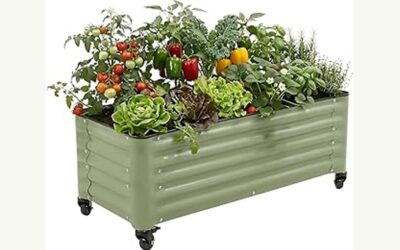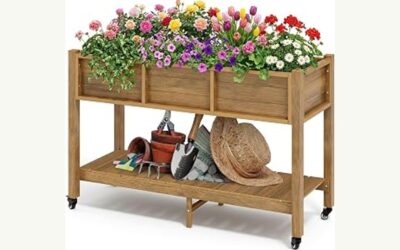


Installing a raised bed provides an ideal environment for growing vegetables, herbs, and flowers, but preparing the interior requires careful thought. Knowing how to line a raised garden bed correctly can mean the difference between a bed that drains freely for years and one that suffers from rotted wood, stagnant water, or aggressive underground pests. Homeowners often struggle to choose the right material, wondering whether plastic, landscape fabric, or metal mesh is safe and effective for garden use.
This comprehensive guide helps beginner gardeners, urban growers, and backyard hobbyists select the proper lining strategy for their specific setup. Successful execution relies on selecting the right raw materials for the job rather than buying a proprietary pre-cut kit. We evaluate liner options based on permeability, toxicity, puncture resistance, durability against soil microbes, and compatibility with various bed materials.
Whether you are constructing a deep bed from untreated pine or setting up a metal planter on a patio, your choice of liner determines soil retention and root aeration. For gardeners working on specialized layouts, exploring our broader coverage in Raised Beds & Planters can help you choose the right container design before you lay down your first roll of lining material.
Practical Guide: How to Line a Raised Garden Bed
Determining Whether Your Bed Actually Needs a Liner
Not every garden bed requires a liner. If your raised bed sits directly on healthy native garden soil and is constructed from naturally rot-resistant timber like cedar or redwood, leaving the bottom completely open offers significant benefits. An open base allows plant taproots to seek moisture deep underground, encourages beneficial earthworms to travel freely, and guarantees natural drainage without risk of clogging.
However, lining becomes essential under specific circumstances. You should line a bed if you need to protect non-rot-resistant wood from constant damp soil contact, prevent aggressive weeds such as Bermuda grass from invading from beneath, block burrowing pests like moles and voles, or contain soil when setting up a bed over concrete, paver patios, or wooden decking.
Choosing the Right Lining Material for the Bottom
The base of your bed requires materials that balance drainage with physical protection. For pest protection, galvanized hardware cloth with a one-quarter inch or one-half inch mesh grid is the gold standard. It creates an impenetrable physical barrier against burrowing rodents while letting water and deep-seeking roots pass without hindrance.
If weed suppression is your main objective, heavy-duty woven geotextile landscape fabric or thick non-corrugated cardboard serves best. Cardboard breaks down over a single season, smothering grass while converting into organic matter, making it ideal if you plan to let deep taproots establish in native soil later. For growers preparing beds for deep-rooting crops, such as those covered in our guide to the best raised garden bed for root vegetables, maintaining adequate vertical clearance and unhindered bottom drainage is critical.
Lining the Sides to Protect Wood and Retain Moisture
Lining the internal vertical walls of a wooden bed protects the boards from continuous contact with damp soil, significantly extending the lifespan of softwoods such as fir or pine. Landscape fabric or permeable geotextile cloth stapled to the interior boards allows moisture evaporation while keeping fine potting mix from washing through plank seams during heavy rains.
Avoid using impermeable clear plastic sheeting or thick tarps on the bottom or lower walls. Impermeable plastic traps standing water against the wood frame, encouraging fungal growth, rot, and soil souring. If impermeable dimpled drainage membranes are used along vertical sides, they must remain open at the base so excess moisture can exit freely into the soil below.
Step-by-Step Installation Process
Proper mechanical fastening ensures your liner stays neat and functional as soil settles over time. Follow these straightforward steps to complete the installation:
- Level and Clear: Level the ground beneath your bed, removing large rocks, aggressive root crowns, and debris.
- Lay the Pest Mesh: If voles or moles are present, cut galvanized hardware cloth to extend two inches past the bed interior on all sides. Fasten it securely to the lower edges using heavy-duty staples.
- Measure and Cut Fabric: Measure the interior dimensions, adding six inches of excess fabric to fold up the interior walls.
- Fasten the Fabric: Secure the landscape fabric along the interior walls using a staple gun every eight to twelve inches, working from the center toward the corners to eliminate loose bunching.
- Fold and Trim: Fold tidy hospital corners in the fabric to prevent soil pockets, trimming the top edge so it rests two inches below the anticipated final soil line.
Lining Beds on Hard Surfaces and Balconies
When placing raised beds on concrete, stone patios, or wooden decks, the lining strategy changes entirely. You cannot allow soil or sediment to leach directly onto hard surfaces, as it causes permanent staining and can rot patio wood. At the same time, water must escape to avoid waterlogging your crops.
For elevated beds and hard-surface placement, use a thick non-woven geotextile liner stapled across the base and lower sides. This acts as a high-flow sediment filter, releasing clean runoff water while holding the soil intact. Gardeners working in tight residential spaces or raised balcony configurations may also consider alternatives like the best railing planter for vegetables or dedicated growing containers such as the best grow bags for potatoes, both of which offer built-in fabric filtration and aeration without custom construction.
Materials to Avoid in Vegetable Beds
Food safety should always guide material choices in edible gardens. Never use old roofing felt or asphalt-saturated building paper, as these contain petroleum distillates and chemical stabilizers not intended for soil contact. Similarly, avoid treated tarps coated with chemical UV inhibitors, colored newsprint with heavy solvent-based inks, or non-food-grade recycled plastics with unknown resin origins.
When selecting landscape fabrics, look for virgin polypropylene or woven polyethylene textiles explicitly marked as inert, untreated, and safe for organic agriculture. Keeping your materials clean and inert ensures your home-grown vegetables, herbs, and root crops remain pure and healthy.
Research Methodology and Trust
Dove Creek Gardens approaches equipment and material selection from a practical, gardening-first perspective. Our editorial evaluation for how to line a raised garden bed focuses on material safety, hydrological performance, puncture resistance, and long-term durability under constant soil contact. We do not conduct laboratory stress tests; rather, we synthesize horticultural engineering standards, manufacturer specifications, and extensive feedback from experienced residential growers.
Our database screening for September 2026 confirmed that 0 pre-packaged kits met our standards for universal, all-in-one raised bed lining. Rather than inventing recommendations or promoting poorly sized pre-cut accessories, we transparently explain how to source raw bulk materials such as woven geotextiles and galvanized hardware cloth that match your bed dimensions accurately.
Frequently Asked Questions About Lining Raised Beds
Can I use regular black plastic sheeting to line a raised garden bed?
Standard impermeable black plastic sheeting is not recommended for the base of a raised garden bed. It creates an impermeable barrier that traps standing water, leading to anaerobic soil conditions and root rot. If you choose to use plastic along the side walls to protect timber, ensure the floor remains open or fully permeable.
Will landscape fabric stop earthworms from entering my raised bed?
Heavy woven landscape fabric will restrict earthworms from moving between your native subsoil and the raised bed mix. If your ground soil is healthy and you want to encourage worm activity, use corrugated cardboard or plain paper rolls instead. These organic materials block weeds initially and break down into rich humus within months, allowing earthworms free passage.
How do I attach a liner to the inside of a wooden garden bed?
The easiest method is using a heavy-duty manual staple gun loaded with stainless steel or galvanized staples. Fasten the material every eight to ten inches along the inside boards, about two to three inches below where the finished soil line will rest. This keeps the liner secure while preventing staples from pulling loose as the soil settles.
How long does a landscape fabric liner last in a raised bed?
High-grade woven commercial geotextiles buried beneath soil can last between five and ten years or more. Because buried fabric is shielded from solar ultraviolet radiation, degradation occurs very slowly, providing reliable weed and soil retention over many growing seasons.
Do galvanized metal raised beds need to be lined?
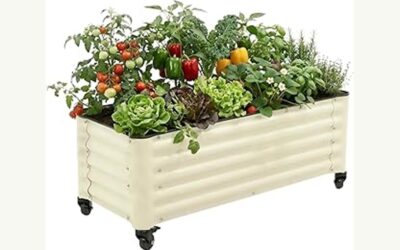
Galvanized steel beds typically do not require side lining because zinc-coated metal does not rot like untreated wood. However, placing hardware cloth across the bottom remains an excellent idea if your garden has active mole or vole populations, ensuring your root crops remain protected.
Continue your garden research
Browse more practical guides in Raised Beds & Planters.
For product comparisons, see Best Galvanized Raised Garden Beds.
See how Dove Creek Gardens researches and compares products.