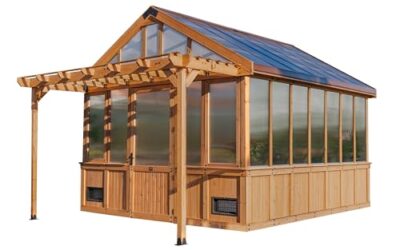



Learning how to heat a small greenhouse efficiently is one of the most rewarding steps a backyard gardener can take. A compact greenhouse provides an ideal environment for extending the autumn harvest, protecting tender perennials from hard freezes, and starting spring seedlings weeks ahead of schedule. However, small structures present unique thermodynamic challenges. Because small structures possess a high ratio of surface area to interior air volume, they shed heat rapidly once the sun dips below the horizon, creating abrupt temperature swings that can shock delicate root systems.
Our editorial team at Dove Creek Gardens evaluated practical heating strategies and equipment parameters across our Greenhouses and Garden Storage reference library to help homeowners find reliable solutions. In this guide, we evaluate methods ranging from forced-air electric convection units and passive thermal mass to micro-climate warming. Because our current product catalog lists 0 standalone pre-packaged heater models meeting our editorial thresholds for this cycle, this guide focuses entirely on objective technical criteria, structural heat-loss calculations, and safety requirements so you can choose the right heating approach for your space.
Whether you manage a 6-by-8-foot walk-in kit or a sheltered lean-to on an urban patio, selecting an appropriate heating system depends on your target minimum temperatures, your local winter climate, and your access to reliable electrical circuits. Understanding how to heat a small greenhouse requires balancing equipment safety, ongoing operational expenses, and plant-specific biological needs.
A Practical Buying Guide for Heating a Small Greenhouse
Calculating Required Heat Output (BTU and Wattage)
Before purchasing any heating hardware, you must determine the actual heat deficit of your structure on the coldest anticipated nights. Greenhouse heat loss is calculated using three factors: the total exterior surface area in square feet (including walls and roof), the difference between your desired minimum interior temperature and the lowest outdoor winter temperature (the temperature delta), and the insulation value of your glazing material. Single-wall polycarbonate and standard horticultural glass transmit heat rapidly, with high heat-transfer coefficients compared to insulated domestic walls.
For a typical 6-by-8-foot hobby greenhouse with twin-wall polycarbonate, maintaining an interior temperature 25 degrees Fahrenheit above ambient freezing conditions typically requires between 1,200 and 1,500 watts of continuous heating capacity (roughly 4,000 to 5,100 BTUs per hour). Over-sizing a heater leads to short-cycling and uneven heat distribution, while an under-sized heater will run constantly without preventing frost damage during severe cold snaps.
Electric Forced-Air Heaters vs. Oil-Filled Radiators
Electric heating remains the cleanest and most dependable method for small residential greenhouses where a dedicated outdoor power outlet is accessible. Forced-air electric greenhouse heaters use an internal fan to drive warm air across a ceramic or stainless steel element. The constant air movement breaks up cold pockets along ground-level staging and prevents stagnant moisture from settling on foliage, which significantly reduces the incidence of fungal issues such as botrytis.
Oil-filled radiant heaters offer quiet operation and gentle, steady heat output. They retain thermal energy even after their thermostats click off, preventing sharp temperature drops. However, oil radiators lack active air circulation, meaning heat rises directly to the roof ridge while plants on lower benches remain chilly. If you choose an oil radiator for a compact space, pairing it with an independent low-wattage circulating fan is essential to ensure uniform air distribution.
Targeted Root-Zone Heating and Micro-Climates
Heating the entire ambient volume of a poorly insulated structure can be expensive and inefficient, particularly in late winter when starting seeds. In many instances, the most economical way to keep young plants thriving is to warm the soil directly rather than heating every cubic foot of air space. Plant roots absorb moisture and nutrients effectively when substrate temperatures remain between 65 and 75 degrees Fahrenheit, even if ambient air dips into the low 50s.
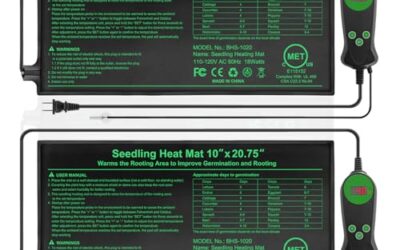
Utilizing dedicated equipment such as the best seed starting heat mat with thermostat provides focused, thermostatically regulated bottom heat right at the bench level. Combining root-zone heating mats with clear humidity domes creates a warm micro-climate inside an unheated or minimally heated greenhouse, reducing electrical consumption by up to 70 percent compared to running space heaters.
Passive Solar Heating and Thermal Mass
Passive heating techniques harness solar radiation during clear daylight hours to offset nighttime electrical demands. Water has an exceptionally high specific heat capacity, making it the most cost-effective thermal mass material available to home gardeners. Stacking dark-colored 5-gallon buckets or 55-gallon drums filled with water against the north wall absorbs excess daytime warmth and slowly radiates that heat back into the interior as surrounding air cools after sunset.
While passive thermal mass rarely replaces an active heater in regions subject to sub-freezing blizzards, it acts as a valuable thermal buffer. Thermal mass blunts the sharpest overnight temperature drops, extends heater operational lifespans by smoothing cycle frequencies, and serves as an emergency safety reserve during brief power interruptions.
Insulation and Air Infiltration Control
No heating equipment can perform reliably if warm air leaks freely through gaps and unsealed joints. Before installing any heat source, inspect the entire perimeter of your structure. Seal frame seams with silicone caulk, install weatherstripping along door frames, and inspect wall panels for loose fasteners. Unchecked air leaks can easily double the heating capacity required to maintain frost-free conditions.
Lining the interior walls and ceiling with horticultural bubble wrap provides an additional stagnant air boundary that can reduce heat loss by roughly 40 percent. Ensure you retain functionality for ventilation systems, as regulating daytime heat buildup remains vital. Using a reliable automatic greenhouse vent opener ensures that unseasonably warm afternoons do not trap excessive heat that could stress plants or prematurely exhaust energy reserves.
Greenhouse Heating Methods Compared
Evaluating each heating method against your specific growing objectives ensures you invest in a practical, safe setup tailored to your backyard layout.
| Heating Method | Primary Advantages | Key Tradeoffs | Best Application |
|---|---|---|---|
| Forced-Air Electric Fan | Active circulation, built-in thermostats, compact footprint | Requires reliable GFI power outlet, higher running costs | General winter frost protection in hobby greenhouses |
| Targeted Heat Mats | Minimal power consumption, warms root zone directly | Does not warm ambient air, limited to propagation flats | Spring seedling germination and early cuttings |
| Water Barrel Thermal Mass | Zero operating cost, reliable passive baseline heat | Consumes valuable floor and bench space, heavy | Supplements active heaters in sun-exposed structures |
| Oil-Filled Radiator | Gentle radiant heat, completely silent operation | Lacks air circulation, slow response to sudden freezes | Tightly sealed walk-ins when paired with a circulation fan |
| Paraffin / Kerosene Burner | Operates off-grid without electrical wiring | Emits moisture, risk of harmful fumes, manual fueling | Emergency backup during winter electrical outages |
Electrical Safety and Moisture Management
Greenhouse environments feature high relative humidity, frequent overhead condensation drips, and accidental splash contact from watering cans. Standard indoor space heaters are unsuitable and hazardous for greenhouse use. Always select equipment rated specifically for damp or commercial horticultural environments, preferably with an IPX4 or higher splash-proof water-resistance rating.
Connect your heater directly to a dedicated Ground Fault Circuit Interrupter (GFCI) outlet. Avoid using lightweight domestic extension cords, which cause voltage drops, overheat under continuous loads, and present fire hazards. If an extension lead is unavoidable, use a heavy-duty, outdoor-rated 12-gauge or 10-gauge cord kept elevated above standing floor water.
Year-Round Climate Regulation
Heating is merely one component of four-season climate management. An insulated, tightly sealed structure that retains warmth in February can quickly overheat by late spring. Preparing your greenhouse for summer transitions requires planning ahead for shading solutions such as a high quality greenhouse shade cloth to moderate solar radiation once auxiliary heaters are cleaned, disconnected, and stored away for the warm season.
Research Methodology and Trust
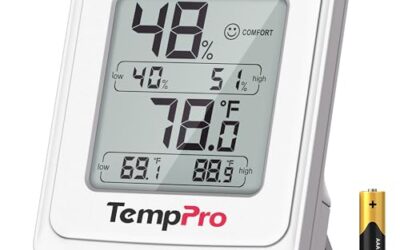
At Dove Creek Gardens, our editorial evaluations are grounded in verifiable agricultural engineering standards, manufacturer technical specifications, and independent horticultural research. We avoid subjective impressions and make no claims of proprietary hands-on laboratory testing where none took place. Instead, we analyze documented thermal performance criteria, material durability standards, ingress protection (IP) electrical ratings, and real-world owner feedback from residential greenhouse growers.
During our September 2026 update, we reviewed current safety codes and sizing guidelines for heating compact residential outbuildings. Our screening process evaluates equipment based on thermal efficiency, thermostat calibration precision, corrosion resistance in damp environments, and safety mechanisms such as tip-over switches and high-limit thermal cutoffs. This transparent, specification-first methodology ensures our guidance remains grounded, practical, and dependable for hobbyist growers.
Frequently Asked Questions
What is the cheapest way to heat a small greenhouse?
The most economical approach combines structural air sealing, bubble wrap glazing insulation, and passive thermal mass using dark water containers. For active heating, warming roots directly with thermostatically controlled seedling heat mats uses a fraction of the electricity required to heat ambient air.
Can I use a standard household space heater in a greenhouse?
Standard household space heaters should not be used in a greenhouse. High moisture levels, humidity, and dripping condensation can penetrate non-sealed electrical housings, creating short circuits, electrical shocks, or fire hazards. Use only heaters rated for damp or greenhouse environments with sealed heating elements and IPX4 splash resistance.
What temperature should I heat my small greenhouse to overnight?
For general frost protection of cool-season crops and dormant potted perennials, maintaining minimum night temperatures between 37 and 42 degrees Fahrenheit is sufficient and keeps power bills modest. If you are overwintering tender tropicals or actively forcing early warm-season crops, you will need to keep nighttime temperatures above 50 to 55 degrees Fahrenheit.
Are paraffin or kerosene heaters safe for small greenhouses?
Paraffin heaters work well as off-grid backup systems during severe power failures, but they require caution. Combustion releases significant water vapor, increasing condensation and fungal risks, and releases carbon monoxide and unburned hydrocarbons that can harm sensitive plants if adequate fresh air ventilation is not provided.
How do I prevent hot and cold spots inside my greenhouse?
Continuous air movement is critical for uniform heat distribution. Installing a low-wattage circulating fan running continuously near the roof apex gently pushes rising warm air down toward bench level, eliminating cold corners and preventing excess condensation on interior paneling.
Does bubble wrap reduce the cost to heat a small greenhouse?
Yes, lining greenhouse walls and roof panels with clear horticultural bubble wrap creates a dead-air insulation layer that can reduce conductive heat loss by up to 40 percent. This substantially reduces heater runtimes without significantly restricting the natural daylight required for healthy plant maintenance.
Continue your garden research
Browse more practical guides in Greenhouses & Garden Storage.
For product comparisons, see Best Portable Greenhouse for Backyard Use Right Now.
See how Dove Creek Gardens researches and compares products.