

Starting a compost bin turns suitable food scraps and yard debris into a useful soil amendment. Success depends less on buying a complicated container than on choosing a workable spot, mixing materials, and keeping the pile moist and aerated. This guide helps new gardeners, homeowners with yards, and people with limited space build a routine they can maintain.
This guide focuses on choosing a composting method rather than ranking specific products. Consider available space, how much material your household produces, ease of turning, access for adding scraps, and whether you can manage the pile through changing seasons. For compact yards, compare the practical tradeoffs in our guide to compost tumblers for small spaces.
Choose a method you can maintain
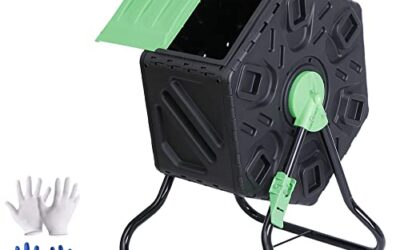
A stationary bin suits gardeners who want a contained pile and can wait while materials decompose. An open pile needs more room but offers direct access for turning and adding bulky yard debris. A tumbler keeps material enclosed and can be easier to rotate, but its capacity and access should fit the amount of material you generate. No method removes the need to balance ingredients and monitor moisture.
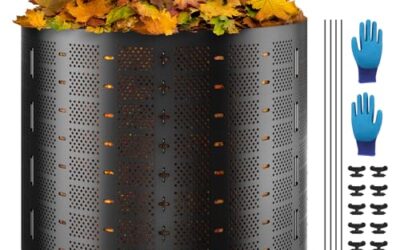
Think about the routine before choosing a container. If lifting or shoveling is difficult, favor an opening and working height that let you add material without awkward reaching. If your garden produces many dry leaves, a separate leaf pile or bin can keep that seasonal material manageable. See our guide to a leaf composter bin for that specific use.
Pick a practical location
Place the bin where it is convenient to reach with kitchen scraps and garden waste, while leaving room to add material and turn or remove finished compost. A level, well-drained area helps avoid standing water around the pile. Check access during wet or cold weather too; a bin at the far end of the yard may be harder to use consistently.
Small-space gardeners should check the bin’s footprint, lid or door clearance, and path access before setting it in place. Leave enough working room to move a shovel or bucket. If the bin sits on soil, worms and other decomposers can reach the material. A paved surface can still work, but drainage and access for removing finished compost need attention.
Balance browns and greens
“Browns” are dry, carbon-rich materials such as fallen leaves, shredded plain cardboard, and small amounts of untreated paper. “Greens” are wetter, nitrogen-rich materials such as vegetable scraps, coffee grounds, and fresh plant trimmings. Mix both categories rather than building a pile from food scraps alone. Keep a supply of dry leaves or another suitable brown material beside the bin so you can cover fresh additions.
Chop or break bulky material into smaller pieces when practical. Smaller pieces generally expose more surface to decomposers, but shredding everything is not necessary. Avoid adding meat, fish, dairy, grease, or pet waste to a basic home pile, as these can create odor or attract animals. Follow local composting guidance for accepted materials, especially if using a municipal or community program.
Manage moisture and airflow
Compost should feel damp, not waterlogged. If the material is dry, add water gradually and mix it through. If it is soggy or smells unpleasant, add dry browns and improve airflow by turning or loosening the pile. A covered bin can limit excess rain, but a tight seal that blocks airflow can create problems. Check that openings remain clear.
Turning mixes materials and introduces air. Frequency can vary with the bin, ingredients, weather, and how quickly you want the pile to change; regular observation matters more than following a rigid schedule. If turning is uncomfortable, use smaller additions and a method with easier access, or accept a slower process that needs less frequent disturbance.
Avoid common setup mistakes
A pile made mostly of fresh kitchen scraps can become wet, compacted, and smelly. Add dry browns with each batch of scraps and bury or cover food material under the surface. A pile made only of dry leaves may break down slowly; add suitable moist greens and keep the material damp. Do not use the bin as a place to dispose of materials that local rules prohibit.
Do not expect finished compost on a fixed date. Temperature, ingredients, particle size, moisture, and turning all affect the process. Compost that still contains recognizable pieces can be returned to the pile to continue breaking down. Let material mature before using it around plants, and avoid applying unfinished scraps directly as if they were finished compost.
Plan for upkeep and seasonal storage
Keep a small tool and a covered container for carrying scraps if that makes regular use easier. Rinse the scrap container routinely, clear bin openings, and check for pooled water, excessive dryness, or animal access. For a tumbler, follow its manufacturer’s care instructions and avoid forcing a mechanism that binds.
Composting can slow during cold weather, and dry conditions can require added water. Continue adding browns with kitchen scraps, or pause additions if the bin is full or difficult to manage. Before winter, make sure doors and lids close as intended and the bin remains accessible. For broader soil and compost guidance, visit our Compost, Soil & Mulch resource page.
Use finished compost thoughtfully
Mature compost is generally dark and crumbly, with few recognizable starting materials and an earthy smell. Appearance alone cannot establish suitability for every use, so continue curing material that remains coarse or smells strongly. Blend finished compost into garden soil or use it as a surface amendment according to the needs of the planting area. It is not a complete substitute for assessing soil conditions.
Research Methodology and Editorial Approach
We evaluate composting choices by practical fit: space, capacity for household and garden scraps, access for loading and unloading, ease of turning, aeration, and upkeep. These factors shape whether a setup is likely to become a routine or an inconvenient chore. A compact household with limited yard space has different needs from a gardener handling large seasonal volumes of leaves.
We compare how stationary bins, open piles, tumblers, and leaf-focused setups handle those needs, while assessing the tradeoffs each method brings. A contained bin may help keep material organized but still needs airflow and moisture management. A tumbler can make turning accessible, but gardeners should confirm its capacity and working clearance suit their space.
We also assess setup advice against core composting practices: combine suitable browns and greens, maintain damp rather than saturated material, and preserve airflow. Recommendations are updated during November to keep the guide useful for home gardeners and small-space growers. We do not rank specific products here; the better choice depends on the gardener’s material volume, mobility, available space, and willingness to turn and monitor the pile.
Frequently Asked Questions
What should I put in a home compost bin?
Use a mix of dry browns, such as leaves and plain shredded cardboard, and greens, such as vegetable scraps and coffee grounds. Keep meat, dairy, grease, and pet waste out of a basic home pile, and check local rules for accepted materials.
How much space does a compost bin need?
Allow room for the container, its openings, and the work needed to add, turn, and remove material. In a small yard, check the footprint and access path before placing a bin. Choose capacity based on the amount of scraps and yard debris you can supply.
Why does my compost bin smell bad?
A wet, compacted pile or too many fresh scraps can cause unpleasant odors. Add dry browns, mix the contents to restore airflow, and check that water can drain away. Keep food scraps covered and exclude materials that are unsuitable for a basic home pile.
How often should I turn compost?
There is no single schedule for every bin. Turn or loosen material when it is compacted, poorly aerated, or unevenly moist, and adjust the routine to your physical comfort and desired pace. A slower pile can require less frequent turning.
Can I compost in a small backyard?
Yes, if the method fits the available footprint and you can reach it for routine care. A compact bin or tumbler may suit limited space, while a leaf-only setup can handle dry yard debris separately. Check clearance and capacity before choosing.
How do I maintain a compost bin?
Keep a balance of browns and greens, check moisture, and maintain airflow. Clear blocked openings, manage excess water, and follow the manufacturer’s care instructions for a purchased container. Store tools and scrap containers where they remain easy to reach.
When is compost ready to use?
Finished compost is usually dark and crumbly, with few recognizable starting materials and an earthy smell. If it remains coarse or smells strongly, let it continue to mature. Decomposition time varies with materials, moisture, airflow, and weather.