


Finding thick rows and piles of cut turf scattered across a freshly cut yard is a frustrating issue for any homeowner. If you have been asking yourself why does my mower leave grass clumps after every weekend pass, the underlying issue usually comes down to airflow restriction, moisture levels, blade condition, or equipment operation. A healthy mower relies on strong upward suction to pull grass blades upright, slice them cleanly, and either disperse them finely or funnel them into a collection bag without clogging.
This guide breaks down the core mechanical and operational reasons grass gathers into wet mats on your lawn. Whether you push an older gas rotary unit, utilize a compact setup such as the best electric lawn mower for small yard spaces, or manage extensive acreage with a riding tractor, identifying why clumping happens saves your turf from smothering and yellowing. In this analysis, zero catalog products were selected for sales endorsement because resolving turf clumping depends on mechanical adjustments, blade maintenance, and proper mowing technique rather than buying unnecessary accessories.
By understanding how cutting height, deck design, ground speed, and turf moisture interact, you can stop clumps before they start and protect the long-term health of your lawn. Explore our wider resources in Lawn Care & Power Equipment to maintain your garden machinery in top condition throughout the season.
Practical Why Does My Mower Leave Grass Clumps Guide
Mowing Wet or Dew-Covered Turf
The single most frequent cause of turf clumping is cutting grass while it is wet. Morning dew, recent rainfall, or residual irrigation water causes clippings to stick together instantly upon impact with the cutting chamber. Instead of remaining airborne and circulating inside the deck, wet clippings adhere to the steel housing and weld themselves into heavy clumps that eventually drop out in dense piles.
Allow your lawn to dry fully before starting your mower. In peak summer months, waiting until mid-afternoon gives surface moisture time to evaporate completely. Slicing dry grass blades produces lighter, individual clippings that circulate freely through the deck, dispersing naturally between soil crowns rather than matting over grass crowns.
Dull or Damaged Cutting Blades
A sharp mower blade slices grass cleanly like a pair of quality shears. In contrast, a dull or nicked blade beats and shreds the grass blades apart. Shredding crushes plant cell walls, releasing sticky sap and moisture that bonds shredded fibers together inside the mower chamber. These ragged plant tissues bunch up rapidly and drop onto your lawn in irregular, heavy clumps.
Inspect your cutting edge regularly. Homeowners should sharpen rotary blades at least once or twice per mowing season, or roughly every 20 to 25 hours of active mowing. A clean edge not only stops clumping but also reduces engine strain and prevents white, frayed grass tips that invite fungal lawn diseases.
Grass Buildup Under the Mower Deck
Over several weeks of regular mowing, a crust of dried clippings, soil, and organic sap accumulates on the underside of your cutting deck. This layer narrows the clearance between the blade tips and the deck shell, choking the aerodynamic vortex needed to keep clippings airborne. When air velocity drops, the mower can no longer suspend clippings long enough to discharge or recut them.
Always disconnect the spark plug wire on gas mowers or remove the safety key and battery pack on cordless models before reaching under the deck. Use a stiff wooden or plastic scraper to clear caked debris after every few cuts. Keeping the underside smooth and clean restores proper aerodynamic lift and stops sudden clump drops.
Violating the One-Third Cutting Rule
Cutting overgrown grass too low in a single session forces the mower deck to ingest more volume than its chamber can process. When you take off more than the top one-third of the total blade height, the sheer volume of green material overwhelms the discharge tunnel or mulching chamber, resulting in immediate clumping and engine bogging.
If seasonal rains or vacation time cause your lawn to grow excessively tall, raise the deck to its highest wheel setting for the initial pass. Allow the lawn a few days to recover, then lower the deck to your normal height for a second pass. Staging your cuts prevents clumping, reduces stress on your turf roots, and protects your mower drivetrain from excessive load.
Excessive Ground Speed and Engine Throttle
Pushing a mower too fast across the yard feeds grass into the cutting chamber faster than the blade can sever and process it. Rotary decks are engineered around a balance between forward travel speed and blade tip speed. Moving too rapidly forces clippings to pack tightly together near the front apron rather than circulating out through the side discharge or chute.
Slow your walking pace in dense or tall sections of grass. For gas machines, always run the throttle at full operating speed while cutting to maintain peak blade tip velocity. For cordless machines such as those evaluated in our guide to the best battery lawn mower for large yard properties, monitor battery power levels so motor RPM does not sag in heavier growth.
Mulching vs. Side Discharge Configurations
Mowers configured for mulching utilize a sealed plug in the discharge port and a curved mulching blade to suspend clippings inside the chamber for multiple recuts. However, if the lawn is thick, damp, or fast-growing, a mulching setup quickly saturates with plant material and releases clumps along the right rear wheel track.
When turf growth is exceptionally heavy during early spring or late summer, remove the mulching plug and attach the side discharge chute or collection bag. Side discharging directs clippings outward across a wide swath, avoiding the localized buildup that happens when a mulching chamber becomes overpacked.
| Clumping Cause | Primary Indicator | Practical Fix |
|---|---|---|
| Wet Turf | Sticky, paste-like rows of wet grass | Mow only when blades are fully dry in the afternoon |
| Dull Blade | Frayed leaf tips and ragged clumps | Sharpen blade bevel every 20 to 25 operating hours |
| Dirty Deck Underside | Reduced airflow and sudden clump drops | Disconnect power source and scrape deck underside clean |
| Cutting Too Low | Engine bogging and dense central clumping | Raise cutting height to follow the one-third rule |
| Fast Ground Speed | Uneven cut height and trailing clippings | Slow your walking pace and run motor at full speed |
Handling Clumps Already on the Lawn
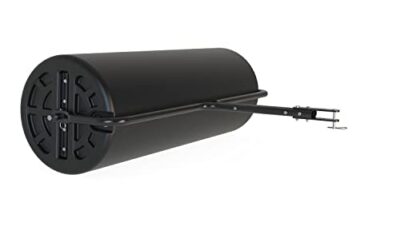
Leaving clumps on top of your lawn causes severe damage within 48 to 72 hours. Dense piles block sunlight, trap heat, and create moist, anaerobic pockets that cause the underlying grass to yellow and rot. Ignoring these mats can create dead bare patches across your yard that require soil preparation, re-seeding, and rolling with a unit like the best lawn roller for uneven ground to repair.
If clumps do appear, address them immediately. Once the piles dry in the sun, run your mower over them a second time with the deck raised high to pulverize the dry residue, or use a flexible rake to scatter them thinly. Alternatively, a lightweight yard tool such as the best cordless leaf blower for seniors can quickly disperse dry clippings evenly without bending over or disturbing soil crowns.
Research Methodology and Trust
At Dove Creek Gardens, our editorial team approaches lawn and power equipment diagnostics through practical engineering principles, turfgrass management standards, and manufacturer maintenance guidelines. We evaluated common mower deck designs, blade aerodynamics, and grass-discharge dynamics to understand why residential mowers struggle with clipping dispersion.
Because no specific product catalog entries or standalone machinery models accompanied this research topic, we did not run comparative hands-on performance benchmarks for new commercial machines. Our evaluation focuses strictly on identifying mechanical root causes, analyzing owner feedback patterns across consumer equipment, and providing actionable maintenance steps that work across brands.
This technical advice was audited and updated for accuracy in September 2026. We prioritize practical advice that allows homeowners to resolve clipping problems using their existing tools before considering costly equipment replacements.
Frequently Asked Questions
Why does my mower leave grass clumps only on one side?
Clumping on one specific side typically points to dried grass buildup blocking that section of the deck chamber or a clogged discharge chute. On mulching mowers, clippings frequently drop along the right rear wheel because the mulching plug forces material toward the right before airflow runs out of velocity.
Can a backwards mower blade cause grass clumping?
Yes. Installing a mower blade upside down causes the blunt back edge of the blade to hit the grass rather than the sharpened cutting face. This completely destroys aerodynamic lift, beats the grass into a wet pulp, and results in heavy clumping and an uneven cut.
Will leaving grass clumps kill my lawn?
Yes, thick clumps will smother living grass underneath if left unattended for more than two or three days. The mat blocks necessary sunlight, retains surface heat, and breeds fungal disease, leading to dead yellow patches across your turf.
Should I mulch or bag if my mower leaves grass clumps?
If your mower is currently clumping due to tall or slightly damp grass, switch from mulching to bagging or side discharge temporarily. Bagging removes excess volume from the lawn entirely, giving you time to clean the deck and let the turf dry out before returning to mulching.
How often should I scrape grass out from under the deck?
Inspect the deck underside every two to three cuts during the rapid-growth spring season, and clean it immediately if you notice reduced clipping discharge. Always disconnect the spark plug lead or remove the battery pack before reaching anywhere near the cutting blade.
Continue your garden research
Browse more practical guides in Lawn Care & Power Equipment.
For product comparisons, see Best Cordless Lawn Mower For Small Yards 2026: Reviews and Buying Guide.
See how Dove Creek Gardens researches and compares products.