


Grass height affects how much leaf surface remains after mowing, how often you need to mow, and how the lawn looks between cuts. The right setting depends on grass type, season, shade, and local growing conditions, so one height does not suit every yard.
This guide answers how high should you cut grass with a practical approach for new gardeners, homeowners, and anyone who wants a more comfortable mowing routine. This guide focuses on how to choose the right mowing height; we do not rank specific products here. Choose mower height by checking your grass type, following local extension guidance when available, and avoiding removal of too much leaf in one pass.
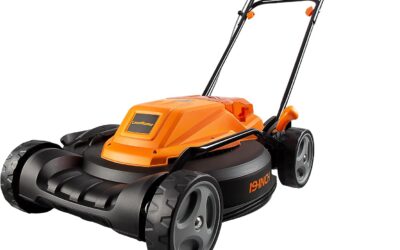
For mower features and small-yard tradeoffs, see our guide to cordless lawn mowers for small yards. Height choice still comes first: a mower must offer a suitable adjustment range and let you make that adjustment safely.
Start with your grass type
Cool-season grasses, such as Kentucky bluegrass, perennial ryegrass, and many fescues, generally tolerate a taller mowing height than warm-season grasses such as Bermuda grass and zoysia. Exact recommendations vary by species and cultivar, and local climate changes what is practical. Identify your lawn grass before setting a target. If you are unsure, ask a local cooperative extension office or lawn professional rather than relying on a single generic number.
Mixed lawns need a reasonable setting for the grasses that make up most of the turf. If different areas contain different grass types, one mower setting may not be ideal everywhere. Favor a height that suits the dominant grass and avoids scalping thinner or shaded patches.
Use the one-third rule
A useful mowing rule is to remove no more than about one-third of the grass blade in one cut. For example, if grass has grown well above your intended height, lower it gradually over more than one mowing rather than cutting it very short at once. This reduces sudden leaf removal and helps avoid a ragged appearance.
The rule is a guide, not a substitute for grass-specific advice. Measure the grass before mowing if you need a consistent result. Avoid estimating from mower deck position alone: wheel size, deck design, and uneven ground can make the actual cut differ from the selected setting.
Adjust for season and growth
Grass grows at different rates through the year. During active growth, regular mowing can maintain a consistent height while following the one-third rule. During heat, drought, or other stress, avoid an abrupt short cut. Keeping a little more leaf can provide shade to the soil, but the appropriate height depends on grass type and local conditions.
Do not set a seasonal height based only on calendar month. Regional temperatures, rainfall, irrigation, and grass growth matter. Local university extension recommendations can help translate general guidance into a suitable range for your area.
Account for shade, slopes, and uneven ground
Shaded grass often grows differently from turf in full sun, and uneven ground increases the chance of cutting too close in low spots. A slightly higher setting can help avoid scalping when the lawn surface is irregular. On slopes, mow only when footing is secure and follow the mower manual’s instructions for slope use and direction.
For a small or irregular yard, maneuverability and clear controls can matter as much as cutting width. Check whether the mower height adjustment is easy to understand and whether all wheels or sides adjust as intended. Review our lawn care and power equipment guides for related equipment considerations.
Avoid scalping and excessively short cuts
Scalping happens when the mower removes too much leaf and exposes stems or soil, often over bumps, roots, or dips. Very short mowing can also leave a lawn looking thin. Set the deck higher before mowing a new or uneven area, then inspect the cut. If soil shows through or grass looks stripped, raise the setting and allow recovery before another cut.
Never lower the mower to compensate for missed mowing by taking off a large amount at once. Make a higher first pass, then wait for regrowth and reduce height in stages only if your grass type and local guidance support that target.
Set mower height safely and consistently
Consult the owner’s manual to learn how the height mechanism works. Turn off the mower and follow the manufacturer’s instructions before adjusting the deck or handling the blade area. Keep hands and feet away from moving parts, and do not make an adjustment while the blade is running.
On a level surface, verify the mower’s setting using the method described in its manual. If using a ruler, measure from level ground to the blade or deck reference point specified by the manufacturer, not an assumed point. Keep the same setting across the lawn unless a specific area needs a deliberate adjustment.
Plan mowing frequency and clippings
Mow often enough that each cut removes a modest portion of the blade, rather than waiting until grass is overgrown. Growth rate changes with weather and care, so a fixed weekly schedule may not fit every yard. If clippings are long or clump, mow more frequently when conditions permit, or follow mower-manual advice on handling clippings.
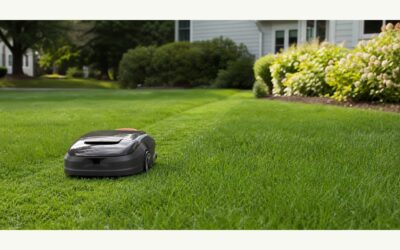
Keep the blade in good condition according to the manual. A dull or damaged blade can leave uneven, ragged-looking tips. Disconnect power as directed before maintenance, and use appropriate protective equipment when handling blades. For alternative mowing approaches, our guide explains how robotic lawn mowers work.
Our Research Approach
We evaluate mowing-height guidance by focusing on grass type, blade removal, lawn conditions, adjustment accuracy, and safe mower operation. These factors matter because a height that suits one species or yard can be unsuitable for another. We prioritize actionable decisions over a single universal setting.
Our approach compares general lawn-care principles with regional guidance and manufacturer instructions where applicable. We assess how shade, uneven terrain, seasonal growth, and mowing frequency affect the practical choice. During November 2026, we review this guidance for clarity and usefulness to homeowners.
For a specific lawn, local cooperative extension recommendations and the mower owner’s manual provide the most relevant next checks. Use the manual for adjustment and operating procedures, and follow local advice for the grass species and climate in your area.
Frequently asked questions
What is a good general mowing height?
There is no single height for every lawn. Grass species, season, shade, and ground conditions all affect the right setting, so identify the grass and check local extension guidance.
How much grass should a mower remove at once?
Use the one-third rule as a practical limit: remove no more than about one-third of the blade in a mowing. If grass is much taller than the target, reduce it gradually over multiple cuts.
Should I mow grass higher in hot weather?
Avoid cutting stressed grass very short. A higher setting may help leave more leaf, but the right choice depends on grass type and local conditions. Check regional guidance before changing your routine.
How do I set mower height accurately?
Use the adjustment procedure and measurement reference in the mower manual. Check the setting on level ground, and do not assume a deck number equals the actual grass height left behind.
Can I cut overgrown grass very short in one pass?
Avoid removing a large amount at once. Make a higher cut first, then lower the height gradually after regrowth if your grass type and local advice support it.
What should I do if mower scalps my lawn?
Raise the cutting height and check for uneven ground, dips, or bumps. Inspect the mower setup according to its manual, and avoid another low pass until the grass has had time to recover.