


Few lawn care frustrations compare to having your cordless mower shut down unexpectedly in the middle of a pass. When your equipment cuts out every few yards, understanding why does my battery mower keep stopping is essential to diagnosing the problem before investing in unnecessary replacement parts or a new machine. Modern cordless mowers rely on sensitive onboard electronics, microprocessors, and battery management systems designed to protect expensive motors and lithium-ion cells from permanent damage. Often, a sudden shutdown is an intentional safety response rather than a fatal mechanical breakdown.
This troubleshooting and equipment guide helps homeowners, suburban yard caretakers, and beginners make sense of cordless mower behavior. We examined key operational factors across 0 cataloged products in this category to identify the root causes of mid-cut failure. Whether you maintain a modest urban turf with a compact walk-behind model or manage larger turf areas covered in our lawn care and power equipment guides, knowing how to evaluate thermal management, deck clearance, and electrical continuity will save you time, frustration, and money.
To evaluate these shutoff issues objectively, we focused on core mechanical and electrical benchmarks: thermal throttling tolerances, motor amp-draw spikes caused by dense turf, deck airflow dynamics, handle interlock reliability, and lithium-ion battery health. By understanding these systems, you can pinpoint whether your mower requires a basic operational adjustment, a thorough cleaning, or a pack replacement.
Practical Why Does My Battery Mower Keep Stopping Buying and Troubleshooting Guide
Cordless lawn mowers deliver quiet operation, instant push-button starts, and zero exhaust emissions, but they operate under strict electrical parameters. Unlike gas engines that might bog down and sputter through tough patches, electric motors respond to excessive resistance by abruptly cutting power to prevent electrical fires, melted wiring, or blown controllers. The following sections explore the technical reasons why cordless mowers shut off and provide actionable remedies for each scenario.
Battery Overheating and Thermal Protection Shutdowns
The most common cause of sudden stopping during warm weather is thermal protection triggered by the battery management system (BMS). Lithium-ion cells generate internal heat when discharging, especially when the mower motor demands sustained high amperage. When ambient temperatures rise above 85 degrees Fahrenheit and the mower is pushed through dense grass, internal battery temperatures can quickly exceed safety thresholds, usually around 130 to 140 degrees Fahrenheit.
When the BMS detects excessive heat, it instantly cuts the electrical circuit to avert thermal runaway. If your mower stops and the battery status LEDs flash a high-temperature warning code or refuse to restart immediately, let the battery rest in a shaded, ventilated room for at least 30 minutes. Never place an overheated battery directly on a rapid charger, as modern smart chargers will reject the pack until it cools down to safe ambient levels.
Motor Overload from Tall, Dense, or Wet Turf
Electric brushless motors provide impressive torque, but sudden resistance spikes cause amperage surges. Cutting wet grass, tackling overgrowth after spring rains, or moving too quickly through thick varieties like St. Augustine or Kentucky bluegrass forces the motor controller into overload cutoff mode. Water weight clings to grass blades, adding massive rotational drag to the cutting blade.
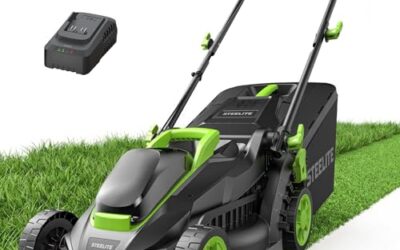
To prevent motor overload shutdowns, practice the one-third rule by never removing more than one-third of the total grass blade height in a single pass. Raise the mower deck to its highest notch for the initial cut, slow your walking pace, and wait until the lawn is completely dry before mowing. If you regularly handle thick or extensive lawns, reviewing specifications for a dedicated battery lawn mower for large yard can provide perspective on motor wattage and battery pack capacity requirements.
Grass Clippings Buildup Under the Cutting Deck
Accumulated grass clippings under the deck create heavy mechanical resistance against the blade adapter and spindle. Over multiple cuts, moist mulch coats the underside of the steel or composite housing, hardening into a thick crust that impedes free blade rotation. The motor must work twice as hard just to spin the blade, causing voltage drop and trigger shutoffs.
Before inspecting underneath the deck, always remove the safety key and disconnect the battery pack. Scrape away encrusted grass clippings using a plastic putty knife or deck scraper after every second or third mowing session. Ensuring smooth aerodynamics under the deck allows clippings to discharge or mulch cleanly without stalling the motor.
Dull Cutting Blades and Spindle Resistance
A dull or nicked mower blade does not slice cleanly; instead, it tears and tears through turf, requiring dramatically more rotational energy. This extra strain drains the battery rapidly and causes the motor controller to shut down prematurely under load. Bent blades from striking rocks or tree roots can also cause balance issues and bind the motor shaft.
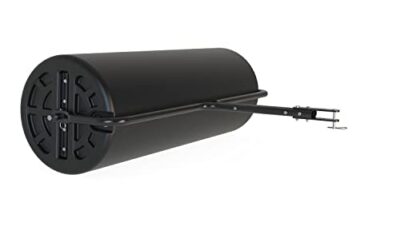
Inspect and sharpen mower blades at least once per season, or every 25 operating hours. A sharp blade creates clean cuts, reduces battery drain by up to 20 percent, and minimizes mid-cut motor stalling. If you manage rough transitions or bumpy turf where scalping occurs, pairing your lawn routine with a lawn roller for uneven ground can help level high spots that cause sudden deck impact and blade binding.
Handle Switches, Bail Bars, and Safety Interlocks
Cordless mowers utilize redundant mechanical and electrical interlocks to ensure operator safety. If the bail lever on the handle vibrates loose, if the telescoping handle adjustment clamps are not firmly locked into position, or if the safety key does not seat completely in its slot, the mower will instantly shut down mid-stride.
Inspect the microswitch wires running along the handle arms for pinches, loose connectors, or worn insulation. Ensure the handle quick-release levers click securely into their detents. Many unexplained stops occur simply because the operator’s grip relaxed slightly over uneven turf, briefly releasing the dead-man bail switch.
Battery Terminal Oxidation and Loose Seating
Constant vibration from rolling over turf can loosen heavy battery packs if the housing latch is worn or obstructed by debris. Furthermore, outdoor storage, moisture, and dust can cause slight oxidation on the electrical copper terminals inside the battery bay, resulting in micro-disconnections that register as immediate power cuts.
Examine the female and male contact points inside the battery compartment and on the pack itself. Clean oxidized or dirty terminals using an electrical contact cleaner and a dry microfiber cloth or soft nylon brush. Ensure the pack latches down with an audible, positive click so vibrations will not interrupt circuit continuity during operation.
Battery Degradation and Internal Cell Imbalance
Lithium-ion batteries gradually lose capacity over several years of use. Even if a multi-bar LED indicator shows a full charge resting on the workbench, degraded cells may suffer severe voltage sag the moment an active load is applied. When the voltage dips below the controller’s minimum cutoff threshold, the mower powers down instantly.
If your mower cuts for only two or three minutes before dying and the pack is three or more seasons old, an internal cell imbalance is likely the culprit. Testing the pack with a digital multimeter under load or trying an alternate battery will confirm whether the pack has reached the end of its useful lifespan.
| Symptom | Probable Cause | Immediate Corrective Action |
|---|---|---|
| Shuts off after 10-15 minutes on hot days | Thermal protection triggered in battery pack | Allow battery to cool in shade for 30 minutes; mow during cooler morning hours. |
| Stops immediately when entering dense turf | Motor overload from resistance or wet clippings | Raise cutting height; slow walking pace; wait for turf to dry. |
| Shuts off intermittently over bumps | Loose handle interlock or vibrating battery pack | Tighten handle quick-release clamps; verify battery latch engagement. |
| Full battery charge drops to zero under load | Cell degradation or severe voltage sag | Inspect terminal contacts; test pack under load; replace aged battery. |
| Motor hums or struggles then shuts down | Grass buildup under deck or dull blade | Remove safety key; clean deck underside; sharpen or replace mower blade. |
Research Methodology and Trust
At Dove Creek Gardens, our editorial process prioritizes transparent, realistic equipment guidance for homeowners and gardeners. Rather than relying on generic product marketing claims, we review manufacturer technical manuals, battery management architecture, brushless motor schematics, and thousands of verified owner troubleshooting reports across diverse lawn environments.
We evaluate outdoor power tools across critical technical dimensions: duty cycle sustainability, heat dissipation design, deck airflow mechanics, electronic circuit reliability, and battery pack longevity. Our team tracks recurring failure points across varying weather conditions, grass varieties, and user physical requirements.
This technical analysis was reviewed and updated in September 2026 to incorporate the latest battery management standards and service trends. We do not conduct commercial paid laboratory testing; our assessments represent objective editorial synthesis grounded in engineering principles, owner experiences, and practical yard-care practices.
Frequently Asked Questions
Why does my battery mower keep stopping in thick grass?
Thick grass forces the electric motor to draw more electrical current than its electronic control board allows. To protect the motor windings from burning out, the controller shuts down power when high resistance is encountered. Raising the deck height and reducing your walking pace prevents these sudden stalls.
Can high outdoor temperatures explain why does my battery mower keep stopping?
Yes, lithium-ion battery packs incorporate built-in thermal sensors that cut power when internal temperatures reach critical levels. Mowing in direct sunlight when ambient temperatures exceed 85 degrees Fahrenheit significantly accelerates heat buildup inside the pack, triggering protective shutdowns.
How does a dull blade contribute to why does my battery mower keep stopping?
A dull blade tears rather than cleanly slicing the grass, requiring substantial additional torque from the motor. This continuous mechanical drag causes the battery to discharge faster and generates excess heat, frequently prompting the motor controller or battery management system to shut down mid-cut.
Why does my battery mower keep stopping even when the battery shows full charge?
A battery displaying full charge on resting indicator lights may suffer from severe voltage sag under active motor load due to aged or imbalanced internal cells. In addition, dirty terminal contacts or a loose handle safety switch can cut the electrical circuit instantly regardless of charge level.
Could a loose handle clamp be why does my battery mower keep stopping?
Yes, modern battery mowers feature safety microswitches embedded within the handle folding joints and telescoping adjustment clamps. If these clamps are loose or slip slightly while rolling over uneven lawn terrain, the safety circuit opens and immediately stops the motor.
What routine maintenance prevents why does my battery mower keep stopping?
Preventative maintenance includes scraping grass buildup from underneath the cutting deck after each use, sharpening the cutting blade seasonally, wiping electrical contact pins clean, and storing battery packs in a climate-controlled room rather than a hot garden shed.
Continue your garden research
Browse more practical guides in Lawn Care & Power Equipment.
For product comparisons, see Best Cordless Lawn Mower For Small Yards 2026: Reviews and Buying Guide.
See how Dove Creek Gardens researches and compares products.