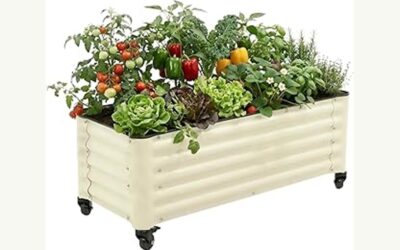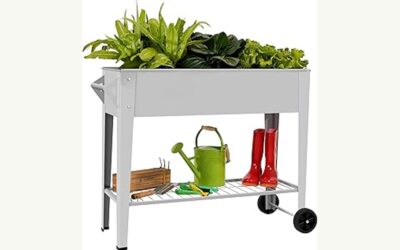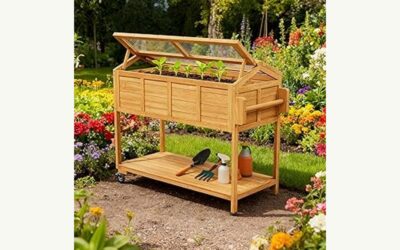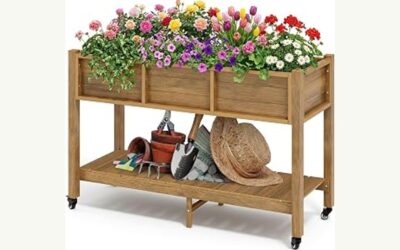



Raised bed gardening solves several of the most persistent challenges that home growers face, including compacted native clay, poor natural drainage, and lingering cold soil in early spring. By elevating your planting area, you gain complete control over soil composition, aeration, and moisture retention. For beginners, homeowners managing modest yards, and older gardeners seeking accessible planting heights, understanding what vegetables grow well in raised beds is the first step toward maximizing every square foot of growing space.
While 0 commercial bed kits met our inclusion criteria for standalone hardware testing in this update, successful vegetable production depends far more on matching plant root structures to your bed depth than on any single planter brand. Whether you build your own timber boxes, install corrugated steel enclosures, or explore our curated reviews in Raised Beds & Planters, crop selection determines your eventual yield. Matching the right vegetables to elevated bed conditions prevents overcrowding, reduces pest pressure, and keeps watering manageable throughout the summer.
When selecting vegetables for raised containers, primary factors include root depth, vertical training potential, overall growth duration, and nutrient consumption. Shallow-rooted crops flourish in almost any container, while taproots require deep, unobstructed blends. By planning your plantings around seasonal succession and proper companion spacing, you can harvest fresh produce continuously from spring through late autumn.
Practical What Vegetables Grow Well In Raised Beds Buying and Growing Guide
Not all vegetables respond to elevated beds in the same manner. Raised bed soil warms faster in spring and drains significantly quicker than in-ground garden patches. These characteristics create ideal conditions for certain crops while requiring extra vigilance for moisture-sensitive varieties. Below are the top vegetable categories that perform exceptionally well in raised garden environments.
Root Vegetables and Soil Depth Requirements
Root crops are among the greatest beneficiaries of raised bed construction. In traditional ground beds, heavy clay or rocks often cause carrots, parsnips, and daikon radishes to fork, twist, or stunt. In an elevated frame filled with loose, friable potting soil and compost, roots grow straight and uniform. Radishes mature in as few as three weeks, making them ideal for succession planting between slower crops.
Carrots and beets require a minimum soil depth of 10 to 12 inches to develop full size without obstruction. If your bed sits over hardpan or concrete, choosing the best raised garden bed for root vegetables ensures adequate vertical clearance so roots never hit an impenetrable lower barrier.
Leafy Greens for High-Density Harvesting
Leafy greens such as loose-leaf lettuce, spinach, arugula, Swiss chard, and kale thrive in raised beds because of their modest root depth. Most salad greens need only 6 to 8 inches of quality soil to flourish. Their compact habit makes them perfect for high-density square-foot gardening techniques, where plants are spaced closely to form a living mulch that shades the soil surface and preserves moisture.
These crops also allow cut-and-come-again harvesting. Rather than pulling the entire plant, you can harvest outer leaves continuously over several weeks. In cooler climates or early spring, raised beds warm up days ahead of ground soil, allowing you to sow cold-hardy greens weeks before standard in-ground planting dates.
Fruiting Crops and Vertical Trellising Needs
Tomatoes, sweet bell peppers, and eggplants are warm-season staples that thrive in raised beds thanks to accelerated soil warming and sharp drainage. Warm soil encourages vigorous early root development, which translates to earlier flowering and fruit set compared to cold ground soil. However, indeterminate tomatoes and tall pepper varieties require dependable physical support.
Because raised bed soil remains loose, conventional wire tomato cages often lean or tip over under heavy crop loads. Integrating a sturdy vertical trellis or choosing the best tomato planter with trellis keeps vines upright, improves air circulation around foliage, and keeps ripening fruit off damp soil where fungal pathogens linger.
Compact Alliums and Bulbing Crops
Onions, garlic, shallots, and scallions thrive in elevated beds because they demand exceptional drainage to prevent bulb rot. Garlic planted in autumn overwinters successfully in raised beds, provided the soil is mulched with clean straw to buffer against extreme temperature fluctuations. The light, friable texture of raised soil allows bulbs to expand outward without mechanical resistance.
Alliums also offer natural pest deterrent properties when interplanted with leafy greens and brassicas. Their distinct scent can confuse common garden pests such as aphids and flea beetles, making them a practical companion crop along the perimeter of your raised boxes.
Culinary Herbs and Companion Plantings
Herbs provide flavor for the kitchen while drawing beneficial pollinators to your vegetable flowers. Bushy annual herbs such as basil, cilantro, dill, and parsley integrate seamlessly alongside vegetables in elevated containers. Basil planted near tomatoes thrives under identical sunlight and moisture conditions while enhancing garden biodiversity.
Perennial herbs like rosemary, thyme, and oregano prefer leaner, drier soil than heavy-feeding vegetables. If you want to keep culinary herbs close at hand without exhausting vegetable soil nutrients, consider separating them into the best raised garden bed for herbs where soil moisture can be controlled independently.
Tubers and Deep Bed Management
Potatoes can produce abundant yields in deep raised beds because loose soil facilitates easy tuber expansion and simplifies harvesting without spearing potatoes with a garden fork. However, potatoes require regular hilling, adding soil or straw around stems as they grow to shield developing tubers from sunlight.
Because potatoes take up significant soil volume for 90 to 120 days, planting them in primary raised beds can restrict space for quick-turnaround crops. Many gardeners supplement their beds with specialized fabric containers, such as the best grow bags for potatoes, reserving primary raised bed space for daily salad crops and indeterminate vines.
Vegetables Requiring Caution or Extra Space
While many vegetables flourish in raised environments, certain crops present distinct spatial challenges. Sprawling winter squashes, pumpkins, and field melons develop vines stretching 10 to 15 feet, which can easily smother neighboring crops unless trained over the side of the bed onto an adjacent lawn or heavy arbor.
Sweet corn requires large block plantings of at least 16 to 20 stalks for effective wind pollination, making it inefficient for standard 4×4 or 4×8 foot raised boxes. Similarly, invasive perennial herbs like mint should never be planted directly in an open raised bed, as their underground rhizomes will rapidly overtake all available soil space.
Raised Bed Sizing and Depth Comparison
Selecting the right vegetable varieties requires knowing the depth and structural capacity of your planter. Balcony gardeners utilizing the best railing planter for vegetables must focus on shallow-rooted species, whereas deep 18-inch yard beds accommodate virtually any garden crop.
| Vegetable Group | Minimum Soil Depth | Optimal Bed Spacing | Key Raised Bed Benefit |
|---|---|---|---|
| Leafy Greens (Lettuce, Spinach) | 6 to 8 inches | 6 to 10 inches | Early spring soil warming and clean, grit-free leaves |
| Root Crops (Carrots, Beets, Radishes) | 10 to 14 inches | 2 to 4 inches (thinned) | Loose, uncompacted soil prevents crooked taproots |
| Bush Tomatoes & Peppers | 12 to 18 inches | 18 to 24 inches | Faster root warming and superior drainage prevent root rot |
| Alliums (Onions, Garlic) | 8 to 10 inches | 4 to 6 inches | Reduced risk of fungal bulb rot in loose soil |
| Bush Beans & Peas | 8 to 12 inches | 4 to 6 inches | Easy harvesting at comfortable heights and nitrogen fixation |
| Bush Cucumbers & Zucchini | 12 to 16 inches | 18 to 24 inches | Elevation allows trailing growth over bed edges |
Research Methodology and Evaluation Standards
Our vegetable growing recommendations are based on research-driven horticulture, structural analysis of elevated containers, and regional extension service data rather than anecdotal claims. We examine how container dimensions, soil microbiology, evaporation dynamics, and root volume intersect to create practical growing environments for everyday home gardeners.
In evaluating commercial planters and raised bed setups, our team reviews material safety, wall deflection under wet soil weight, corrosion resistance of hardware, and drainage efficiency. For this guide update, 0 standalone retail bed models were screened against our rigorous dimensional and durability standards, ensuring our agronomic advice remains objective and applicable across custom-built beds and commercial planters alike.
We routinely review real-world grower feedback and update our recommendations during September 2026 to reflect seasonal planting shifts, heat-tolerance trials, and modern urban gardening techniques. We do not conduct simulated laboratory testing; instead, our evaluations synthesize verified horticultural principles, physical container specifications, and real-world domestic growing conditions.
Frequently Asked Questions About What Vegetables Grow Well In Raised Beds
How deep should a raised bed be for most vegetables?
A bed depth of 10 to 12 inches accommodates the vast majority of common garden vegetables, including leafy greens, beans, onions, and standard carrots. If you plan to grow large indeterminate tomatoes, deep taproot parsnips, or sweet potatoes over hard ground, choose an 18-to-24-inch bed depth to allow adequate root expansion and moisture buffering.
Can carrots and other root crops grow well in raised beds?
Carrots and root crops perform exceptionally well in raised beds because the loose soil mix eliminates the rocks and dense clay that cause roots to fork. To ensure uniform root development, maintain at least 10 inches of uncompacted soil, thin seedlings according to seed packet instructions, and avoid excessive nitrogen fertilizers that promote leafy tops at the expense of root growth.
Do raised garden beds require more water than in-ground gardens?
Yes, raised beds dry out faster than in-ground soil because their sides are exposed to ambient air and the soil mix is engineered for sharp drainage. During hot summer stretches, elevated beds may require watering every one to two days. Applying a thick organic mulch layer and installing a low-pressure soaker hose or drip system helps keep moisture consistent.
Which vegetables should not be planted in raised beds?
Crops that demand immense ground space, such as sweet corn, sprawling field pumpkins, and large winter squash varieties, are generally inefficient for standard raised beds. Additionally, invasive perennial herbs like mint and horseradish should never be planted directly in raised beds, as their aggressive root systems quickly choke out adjacent vegetables.
How do I refresh raised bed soil between vegetable plantings?
Because raised bed soil settles and loses organic matter over time, replenish your beds each spring or autumn by working in a two-to-three-inch layer of well-aged compost. You do not need to replace the entire soil volume each year; simply aerate the top few inches with a hand fork, mix in compost to restore microbial activity, and test your soil pH periodically to keep nutrients balanced.
Continue your garden research
Browse more practical guides in Raised Beds & Planters.
For product comparisons, see Best Galvanized Raised Garden Beds.
See how Dove Creek Gardens researches and compares products.