

Dull pruning shears make clean cuts nearly impossible, and ragged cuts can slow healing and stress your plants. Learning how to sharpen pruning shears is one of the most useful skills a home gardener can pick up, whether you tend a small patio garden or maintain a full yard of shrubs and perennials. This guide is written for beginners who have never sharpened a blade before, as well as for older gardeners who want a process that is comfortable and low-risk on the hands and joints.
At the time of this update, no specific pruning shear or sharpening tool products were available in our database for direct comparison, so this guide focuses on the sharpening process itself rather than ranking individual items. That means the steps, tool recommendations, and safety notes below are based on general best practices for blade maintenance rather than a comparison of named products. If you are shopping for shears or sharpening kits, our Garden Tools & Pruning category page is a good starting point for browsing current options.
Selection criteria for this type of guide typically include the type of blade steel, the shape of the cutting edge, the sharpening tools required, how often maintenance is needed, and how much physical effort the process takes. Keeping these factors in mind will help you sharpen your own shears safely and effectively, no matter which brand you own.
How To Sharpen Pruning Shears: A Practical Buying and Maintenance Guide
Understanding Your Pruning Shear Type
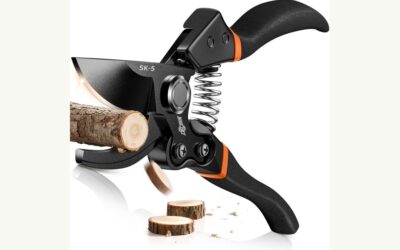
Before sharpening, identify whether your shears are bypass style, which use two curved blades that pass by each other like scissors, or anvil style, which press a single blade against a flat surface. Bypass shears usually need sharpening on one beveled edge, while anvil shears may need attention on both sides of the blade. Knowing this distinction prevents you from sharpening the wrong surface and accidentally dulling the tool further.
Tools You Need for Sharpening
Most home sharpening jobs only require a few basic items: a flat or diamond sharpening file, light machine oil, a clean cloth, and something to stabilize the shears while you work. A small vise or clamp can help older gardeners or anyone with limited grip strength hold the blade steady without straining their hands.
A rust eraser or fine steel wool is also useful for cleaning built-up sap and rust before sharpening, since a dirty blade is harder to sharpen evenly and can damage a file faster than a clean one.
Step-by-Step Sharpening Process
- Clean the blade thoroughly to remove sap, dirt, and light rust.
- Secure the shears so the blade will not shift while you work.
- Follow the existing bevel angle with your file, using smooth strokes in one direction.
- Sharpen only the beveled side unless your shear type requires both sides.
- Remove the small burr that forms on the back of the blade with a light pass or honing stone.
- Wipe the blade clean and apply a thin coat of oil to prevent rust.
Working slowly and maintaining a consistent angle matters more than sharpening quickly. Rushing this step is one of the most common reasons a blade ends up uneven or overly thinned.
Common Sharpening Mistakes to Avoid
New sharpeners often change the original bevel angle, which can weaken the cutting edge over time. Others skip cleaning the blade first, which causes the file to skip or clog. Applying too much pressure, sharpening in both directions instead of one smooth stroke, and forgetting to remove the burr afterward are also frequent mistakes that leave the blade less effective than before.
Blade Maintenance Between Sharpenings
Wiping the blade after each use and applying a light coat of oil helps slow down dulling and rust. Removing sap buildup regularly also reduces how often a full sharpening session is needed, since sticky residue can dull an edge almost as quickly as heavy use.
Storage Tips to Protect Sharpened Blades
Store shears in a dry location, ideally with the blade closed or covered, to protect the freshly sharpened edge from nicks and moisture. A small sheath, wall hook, or tool caddy keeps blades away from other metal tools that could dull them through accidental contact.
Safety Considerations While Sharpening
Always sharpen with the blade pointed away from your body and keep fingers clear of the cutting edge. Wearing a light glove on your non-dominant hand adds a layer of protection while you stabilize the tool. If your shears are especially dull, corroded, or damaged, it may be safer to have them professionally sharpened rather than forcing a repair at home.
Accessibility Tips for Older Gardeners or Limited Grip Strength
A clamp or small vise reduces the hand strength needed to hold shears steady, which is helpful for gardeners with arthritis or reduced grip. Sharpening in short sessions rather than all at once can also reduce hand fatigue, and using a lightweight file with a comfortable handle makes the motion easier to control.
Research Methodology and Trust
For this guide, we reviewed the available product data against the topic of how to sharpen pruning shears and the Garden Tools & Pruning category. No products were included in the source data that could be validated as relevant sharpening tools or shears, so we did not create product recommendations. Instead, this article draws on established general maintenance practices that apply broadly to bypass and anvil-style pruning shears.
Our process typically includes screening products for relevance to the stated task, comparing listed specifications, reviewing owner feedback for real-world fit, and checking use-case suitability for beginners, frequent users, and gardeners with accessibility needs. Because no product data was available this time, this update for July 2026 focuses on process guidance rather than specification comparisons.
We want to be transparent that this analysis is based on research and general gardening knowledge rather than hands-on testing of specific tools. When product data becomes available, this guide will be updated to include direct comparisons and specific recommendations.
Final Recommendations
Because no pruning shear or sharpening tool products were supplied that matched this topic, we are not able to recommend a specific Overall Pick, Beginner Pick, or Accessible Choice in this update. Rather than force a recommendation that is not backed by real product data, we encourage readers to use the sharpening steps and safety guidance above with whatever bypass or anvil shears they already own.
If you are shopping for new shears or sharpening supplies, visit our Garden Tools & Pruning category page, where product listings are added and reviewed as relevant data becomes available.
FAQ
How often should I sharpen pruning shears?
Most home gardeners sharpen their shears once or twice a season, depending on how frequently they are used. Heavy use on woody stems will dull a blade faster than light trimming of soft growth, so check the edge periodically for tearing or crushing cuts.
What is the easiest way to sharpen pruning shears at home?
A basic flat or diamond file used along the existing bevel angle is the simplest approach for most bypass shears. Clean the blade first, sharpen in one direction, then remove the burr and oil the blade when finished.
Do I need special tools to sharpen pruning shears?
No specialized equipment is required for basic maintenance. A sharpening file, light oil, a cloth, and something to hold the blade steady are usually enough for most home gardeners.
Is it safe to sharpen pruning shears myself?
Yes, as long as you work slowly, keep the blade pointed away from your body, and stabilize the tool before filing. If the shears are severely damaged or corroded, professional sharpening may be a safer option.
How do I know if my pruning shears need sharpening?
If cuts start to look ragged, crushed, or require extra force, this usually signals a dull blade. Stems that tear rather than cut cleanly are a clear sign it is time to sharpen.
How should I store shears after sharpening to keep them sharp longer?
Store them dry, oiled, and ideally in a sheath or holder away from other metal tools. This helps prevent nicks and rust that can dull a freshly sharpened edge.
Can sharpening extend the life of my pruning shears?
Regular sharpening and cleaning can help a blade perform well for a longer period, since dull or corroded edges tend to wear down faster under repeated force. Following a consistent maintenance routine is generally more effective than sharpening only when a blade becomes very dull.