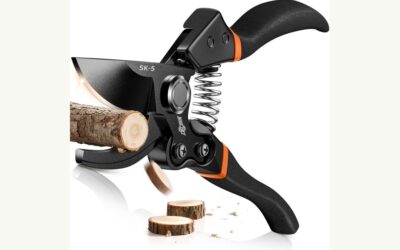


Dirty or rusty garden tools are more than an eyesore. Soil, sap, and plant debris left on pruners, shovels, and hand tools can dull cutting edges, encourage rust, and even spread plant diseases from one part of the yard to another. Learning how to clean and disinfect garden tools properly is one of the simplest ways to protect your tool investment and keep your plants healthier season after season. This guide is written for beginner gardeners who are unsure where to start, homeowners juggling a full yard of tools, older gardeners who want low-effort maintenance routines, and small-space growers with just a handful of essential tools.
This guide focuses on cleaning and disinfecting technique rather than product picks, since the tools involved (a stiff brush, isopropyl alcohol, and a rag) are common household items most gardeners already own. Instead of a roundup, we cover exactly how to clean, disinfect, and store your existing pruners, shovels, and hand tools so they last longer and stop spreading disease between plants.
If you are also shopping for the pruners, loppers, or shears that need this kind of routine care, you can browse our full Garden Tools and Pruning category for additional options and comparisons.
How to Clean and Disinfect Garden Tools: A Practical Buying Guide
Why Cleaning and Disinfecting Matters
Sap, soil, and moisture left on metal blades create the conditions rust needs to take hold, and rust weakens cutting edges over time. Disinfecting matters even more when you are pruning diseased plant material, since some plant pathogens can transfer between plants on unclean blades. A basic cleaning and disinfecting routine protects both the tool and the garden it works on.
Choosing the Right Cleaning Supplies
Look for supplies suited to the material you are cleaning. Stiff brushes or scrapers help remove caked soil, while a mild soap and water solution handles general grime. For sap and resin, a solvent-based cleaner or rubbing alcohol is commonly used. Choose supplies that are easy to store near your tool bench so cleaning becomes a quick habit rather than a chore you put off.
Disinfecting Options and Safe Handling
Common disinfecting approaches include diluted household bleach solutions, isopropyl alcohol, or commercial disinfectant sprays labeled for garden tool use. Always follow the product label for dilution ratios, contact time, and ventilation, and avoid mixing cleaning chemicals. Rinse and dry blades thoroughly after disinfecting to prevent corrosion from residual moisture or chemical residue.
Removing Rust and Buildup Without Damaging Edges
Light rust can often be removed with a wire brush or fine steel wool, followed by a light coat of oil to prevent recurrence. Avoid aggressive scrubbing on cutting edges, since this can round off the blade and reduce cutting performance. For heavily rusted tools, a slower, gentler approach usually preserves more of the original edge than an aggressive one-time scrub.
Comfort and Accessibility During Maintenance
Cleaning and disinfecting tools can involve repetitive scrubbing and wrist motion, which may be uncomfortable for gardeners with limited grip strength or joint sensitivity. Sitting at a stable workbench, using padded gloves, and choosing lightweight brushes can make the routine more manageable. Breaking the task into shorter sessions across a few tools at a time is a practical option for anyone who finds prolonged scrubbing tiring.
Storage After Cleaning
Tools should be completely dry before storage to avoid trapping moisture against metal surfaces. A dry, ventilated shed or garage wall rack keeps tools accessible and reduces exposure to humidity compared with leaving them on damp ground. A light coat of oil on metal parts before long-term storage, such as over winter, adds an extra layer of rust protection.
Common Mistakes to Avoid
- Skipping disinfecting between pruning diseased and healthy plants
- Storing tools while still wet, which encourages rust
- Using harsh abrasives that damage cutting edges
- Mixing bleach and other cleaning chemicals
- Forgetting to oil hinges and moving parts after cleaning
Building a Simple Maintenance Routine
A quick wipe-down after each use, combined with a deeper clean and disinfect session monthly during active growing season, keeps most tools in good working condition. Keeping cleaning supplies within reach of your storage area removes the extra step that often causes gardeners to skip maintenance altogether.
Research Methodology and Trust
Our editorial process for buying guides normally centers on comparing product specifications and owner feedback. For this topic, cleaning and disinfecting is primarily a technique rather than a product category, so this guide is built around step-by-step method and timing rather than a product comparison.
It is important to be transparent that this is a research-based guide drawing on widely accepted tool-care practices and publicly available information, not a hands-on or in-garden test. This guide was reviewed and updated in July 2026.
Final Recommendations
Based on the product data available for this article, no items matched the specific task of cleaning and disinfecting garden tools closely enough to recommend with confidence. Rather than list a mismatched product, we encourage readers to use the buying guide above as a checklist when shopping, focusing on appropriate cleaning supplies, a safe disinfecting method, and dry, ventilated storage.
When shopping, look for cleaning and disinfecting supplies that are specifically labeled for garden or landscaping tool use, come in a size that matches how many tools you maintain, and are easy to store near your tool bench. As more relevant products become available, this guide will be updated with specific comparisons and picks.
Frequently Asked Questions
How often should I clean and disinfect my garden tools?
A quick wipe after each use helps prevent buildup, while a deeper clean and disinfect session once a month during the growing season is a reasonable routine for most home gardeners. Tools used on diseased plants should be disinfected immediately before touching another plant.
What is the safest way to disinfect pruning shears?
Isopropyl alcohol or a properly diluted bleach solution are commonly used, applied after tools are already free of soil and sap. Always follow the label instructions for dilution and ventilation, rinse thoroughly, and dry the blades before storing.
Can cleaning too aggressively damage my tools?
Yes. Harsh scrubbing with coarse abrasives can round off cutting edges and remove protective coatings on some blades. A gentler, more frequent cleaning routine is usually better for the long-term condition of the tool than infrequent aggressive scrubbing.
Do I need different cleaning methods for different tool materials?
General cleaning steps such as removing debris and drying thoroughly apply broadly, but always check any material-specific guidance provided by the tool manufacturer before using solvents or abrasive cleaners. This is especially important for coated or specialty blades.
How should I store tools after cleaning to prevent rust?
Tools should be fully dry before storage, ideally in a ventilated shed or on a wall rack away from damp ground. A light coat of oil on metal parts adds extra protection, particularly before extended storage periods such as winter.
Is cleaning and disinfecting important for gardeners with only a few tools?
Yes. Even a small tool collection benefits from regular cleaning, since fewer tools often means more frequent use and faster buildup of sap or soil. Small-space gardeners can usually manage the entire routine in a few minutes with basic supplies kept close at hand.
What should I look for when buying cleaning supplies for garden tools?
Prioritize supplies labeled for garden or landscaping tool use, a size that matches your tool collection, and ease of storage near your work area. Checking that any disinfecting product includes clear label instructions for safe use is also worthwhile.
Continue your garden research
Browse more practical guides in Garden Tools & Pruning.
See how Dove Creek Gardens researches and compares products.