


Breaking new ground or turning a large garden bed can take more effort with hand tools than many homeowners want to spend. A rear tine tiller places its tines behind the wheels, a layout suited to gardeners considering a powered machine for soil preparation. The right fit depends on your plot, soil condition, storage space, and comfort controlling a gas-powered tool.
This guide compares 15 products for gardeners choosing a rear tine tiller, emphasizing documented engine and tine details, working width and depth where stated, controls, and practical ownership considerations. You can also browse our broader Lawn Care & Power Equipment section for related yard equipment guidance.
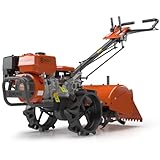
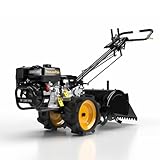
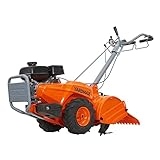
EARTHQUAKE Victory Rear Tine Tiller, Powerful 209cc 4-Cycle Viper Engine, Rugged Bronze Gear Transmission, Counter-Rotating Tines, Instant Reverse, Pneumatic Wheels, Model: 39381, Red/Black NOVUS 18-Inch Dual Direction Rear Tine Tiller, 212cc 4-Cycle Gas Engine, Full Gear Transmission, Dual Rotating Tines, Airless Tires Gas Tiller for Small to Large Gardens NOVUS Dual Direction Rear Tine Tiller, 212CC 4 Cycle Gas Engine, Independent Control Panel, Counter-Rotating Tines, Instant Reverse Power Tiller, 17 Inch Gas Tiller for Home Gardens and Farms Poulan Pro Dual Direction Rear Tine Tiller, 212cc 4 Cycle Gas Engine, Full Gear Transmission, Dual Rotating Tines, Airless Tires, Instant Reverse 18 Inch Gas Tiller for Gardon and Farm Prices and availability can change. We may earn a commission from qualifying purchases.





Match the machine to the garden
Estimate the area you intend to work and consider how often you will use the tiller. A wider machine can cover more ground per pass, but needs room to turn and maneuver. For narrow beds, gates, or compact storage, a 17-inch model may be easier to accommodate than an 18-inch or 25.6-inch model, though actual handling also depends on overall weight and design.
Understand tine direction
Counter-rotating tines turn opposite the direction of the wheels. Dual-direction models offer more than one tine mode, while product descriptions may also call this dual rotating or dual direction. Those terms do not establish the exact control sequence or intended mode for every soil condition. Confirm the operating instructions and controls before purchase, and choose a model whose direction changes are clear to you.
Compare engine size with your priorities
The models in this guide include engines ranging from 99cc to 420cc. Engine displacement is one specification, not a complete measure of tilling ability: working width, tine configuration, soil, and machine design matter too. Avoid choosing by the largest engine alone. Check the intended task, operating instructions, and maintenance requirements before deciding whether a larger gas engine makes sense for your property.
Check width and depth claims
Some descriptions state working dimensions, while others name an overall width without specifying tilling depth. The Earthquake Pioneer models described as 46059 and 31285 each state a 17-inch width and 11-inch depth. The FORGLO description states a 25.6-inch width and 8-inch depth. Treat these as manufacturer-stated specifications, and verify what the dimensions mean for your intended work before buying.
Think through controls and maneuverability
Reverse can help when repositioning a machine, but product wording varies: some models advertise instant reverse, while others emphasize dual direction or a separate control panel. The Victory description lists instant reverse; the NOVUS 17-inch description lists an independent control panel and instant reverse. Check the manual for the exact shifting procedure, control placement, and turning guidance. If grip, reach, or lifting is a concern, consider whether you can safely guide and transport the machine rather than judging by engine size alone.
Plan for fuel, maintenance, and storage
These recommendations are gas-powered, so ownership involves fuel handling and engine upkeep. Follow the specific manual for fuel, oil, air-filter, tine, and transmission service; requirements differ by model. Before choosing, identify a dry storage location with enough clearance for the equipment and a safe way to move it. Seasonal storage instructions should come from the manufacturer, not a generic routine.
Avoid common buying mistakes
Do not assume that a larger engine guarantees suitability for compact beds, or that every product labeled dual direction uses the same tine settings. Do not compare quoted depth and width unless the manufacturer defines them consistently. Check parts availability, the manual, service needs, and the space required to maneuver. If you only need occasional work on a small bed, renting or borrowing a tiller may be more practical than storing and maintaining a large machine.
Use a powered tiller cautiously
Read the operator’s manual before starting, use the protective equipment the manufacturer calls for, and keep people and pets clear of the work area. Inspect the intended area for obstacles and follow the machine’s instructions for starting, shifting, clearing debris, and transport. Stop the engine as directed before inspecting or servicing tines. Gas-powered equipment also produces exhaust, so operate it only in locations and conditions allowed by the manual.
How we evaluate rear tine tillers
We compare manufacturer and retailer descriptions for the details that shape a tiller’s likely fit: engine type and displacement, tine direction, working width and depth when specified, transmission wording, wheels, and reverse or shifting controls. Specifications are most useful when they clarify a real choice, such as whether a stated width suits the garden’s access and layout.
We assess those features against common home-garden scenarios, including preparing a larger plot, working in a more confined area, and choosing equipment that a homeowner can store and maintain. A stated feature is not treated as proof of a particular result in every soil type. Owner feedback can add context when multiple detailed accounts consistently discuss the same point.
During updates in November 2026, we review model descriptions and relevant ownership considerations, while keeping recommendations conditional on the gardener’s space, operating comfort, and intended workload. The goal is to help readers compare practical tradeoffs rather than treat engine displacement or a single advertised feature as a universal ranking.
Frequently asked questions
What size rear tine tiller should I choose?
Start with the garden’s width, access points, and the amount of ground you expect to prepare. A stated working width can help estimate passes, but turning space, storage, and control comfort matter as well. Compare depth only when the manufacturer explicitly specifies it.
Is a 212cc engine enough for a home garden?
Displacement alone cannot answer that. Tine configuration, tilling width, soil conditions, and the machine’s design all affect suitability. Compare the complete specification and use the manufacturer’s guidance for the work you plan to do.
What does dual direction mean on a tiller?
It indicates that the machine offers different tine-direction operation, but descriptions do not always explain the controls in the same detail. Check the manual to learn which modes are available and how to select them. Do not assume two models use identical procedures.
How should I maintain a gas rear tine tiller?
Follow the model-specific manual for fuel, oil, filters, tines, and transmission care. Shut down the machine as instructed before cleaning or inspection, and use the specified procedure for seasonal storage. Service intervals and parts can vary between models.
Can a rear tine tiller work in a small garden?
It depends on the tiller’s working width, turning space, access, and storage. Even a relatively narrow model may be awkward where beds are close together or paths are tight. Measure access routes and compare the machine’s full dimensions before buying.
What safety steps matter when operating a tiller?
Read and follow the operator’s manual, wear the protective equipment it specifies, and keep bystanders away from the work area. Follow manufacturer instructions for starting, shifting, transport, and tine maintenance. Use gas-powered equipment only in conditions allowed by its manual.