


Moving leaves across a large yard can take time, especially when a handheld blower becomes tiring to carry. A backpack model shifts much of the tool’s weight onto a harness, but engine size, airflow, air speed, and fit still matter. This guide to Best Backpack Leaf Blower helps homeowners and gardeners weigh those tradeoffs for seasonal cleanup and more frequent yard work.
We compare 15 options for the clearing task, considering the stated specifications, controls, harness details, and the needs of different yard sizes. The right choice depends on whether you need high airflow for broad areas, a less powerful option for routine cleanup, or a model whose load and fuel requirements suit your comfort and maintenance preferences. For a wider look at gas-powered models, see our gas leaf blower buying guide.
Husqvarna 150BT Gas Backpack Leaf Blower for Heavy Yard Cleanup NEO-TEC 75.6CC Backpack Leaf Blower for Heavy Yard Cleanup Echo 220 MPH 1110 CFM 79.9 cc Gas 2-Stroke X Series Backpack Blower with Tube-Mounted Throttle PB-9010T Husqvarna 360BT Backpack Leaf Blower for Large-Yard Cleanup Prices and availability can change. We may earn a commission from qualifying purchases.

Pros
- Gas-powered 51-cc engine offers substantial clearing capacity for routine and heavier yard cleanup.
- Backpack harness, hip belt, and load management features address carrying comfort.
- Cruise control and air purge support more straightforward operation.
Cons
- At 22 lb, it may be tiring for users who prefer lightweight handheld equipment or have difficulty carrying a backpack blower.
- As a 2-cycle gas blower, it requires fuel-system care and routine engine maintenance.
- Who should skip it: gardeners with small areas, a preference for quieter or lower-maintenance equipment, or limited ability to carry a backpack blower.
The Husqvarna 150BT is a gas-powered backpack leaf blower for clearing leaves and yard debris from lawns, driveways, and other outdoor areas. Its higher-capacity design is aimed at homeowners with substantial cleanup needs or heavier debris, rather than those who only need a compact tool for occasional light work.
Husqvarna specifies a 51-cc, 2-cycle engine rated at 2.16 HP, with airflow of 765 CFM, air speed of 270 MPH, and blowing force of 22 N. These figures indicate a tool intended to move sizeable piles and tackle demanding leaf cleanup, including heavy or wet leaves as described by the manufacturer.
The blower weighs 22 lb and measures 18 by 11 by 14 inches. Its padded harness, hip belt, and load management system are designed to distribute and balance the carried load. The variable-speed throttle includes cruise control, while an air purge system removes air from the carburetor and fuel system to support starting.
For a homeowner, the backpack format can make sense when clearing a larger lawn, gathering autumn leaves, or moving debris from lawn edges and paved areas. Its gas power avoids dependence on a battery during a cleanup session, though it is a more substantial tool than many small-yard jobs require.
The 22-lb weight may be challenging for some users, and a 2-cycle engine calls for appropriate fuel handling and regular engine maintenance. Wear suitable eye and hearing protection, keep the blower directed away from people and pets, and follow the owner's manual for operation and fueling. Who should skip it: anyone seeking a lightweight, low-maintenance option or unable to comfortably carry a backpack blower.
For homeowners who need strong clearing performance and prefer a backpack design, the 150BT's engine, harness, and cruise control make it a capable candidate. Gardeners with compact spaces or occasional light cleanup may find a smaller blower easier to manage.
Best For / Avoid If
Best for buyers prioritizing
- Gas-powered 51-cc engine offers substantial clearing capacity for routine and heavier yard cleanup.
- Backpack harness, hip belt, and load management features address carrying comfort.
- Cruise control and air purge support more straightforward operation.
Consider another option if
- At 22 lb, it may be tiring for users who prefer lightweight handheld equipment or have difficulty carrying a backpack blower.
- As a 2-cycle gas blower, it requires fuel-system care and routine engine maintenance.
- Who should skip it: gardeners with small areas, a preference for quieter or lower-maintenance equipment, or limited ability to carry a backpack blower.
Pros
- High stated airflow and air speed suit demanding leaf and debris cleanup.
- Throttle adjustment and cruise control offer useful control during longer passes.
- Backpack straps are adjustable and padded for a more supported carry.
Cons
- At 30.8 lb, it may be tiring for users who prefer lightweight equipment or have difficulty carrying a backpack unit.
- The two-cycle engine requires the specified fuel-and-oil mixture and regular engine care.
- Who should skip it: gardeners seeking a quiet, low-maintenance, or lightweight blower may prefer a different type of equipment.
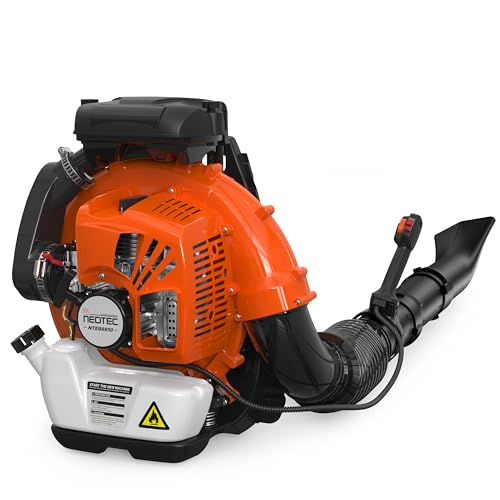
The NEO-TEC 75.6CC is a gas-powered backpack leaf blower for clearing leaves, grass clippings, and other debris from lawns and hard surfaces. Its larger engine and backpack format are aimed at homeowners with substantial yard cleanup or users who want a gas-powered option.
NEO-TEC rates the blower at 847 CFM and 236 MPH, and lists engine output at 4.2 HP. Those figures indicate a focus on moving heavier debris as well as routine seasonal leaves. The manufacturer also describes it as suitable for wet leaves and snow, though conditions and results can vary.
A variable-speed throttle allows airflow adjustment, while cruise control can maintain a chosen setting without continuously holding the throttle. The padded, adjustable harness is intended to support carrying the 30.8 lb unit, but that weight remains a significant consideration for comfort and maneuverability.
For a yard with leaf-covered lawn edges, a long driveway, or debris on a deck, the backpack design can be useful when cleanup spans several areas. Its dimensions are 23.5 by 21.5 by 16.5 inches, so plan storage space for a sizable piece of equipment.
The two-cycle engine requires a 25:1 fuel-to-oil mix. Follow the manufacturer’s starting and maintenance instructions, use the specified mixture, and operate gas equipment outdoors. The manufacturer does not specify runtime here, so avoid assuming how long a tank will last for a particular workload.
This blower may suit users who need strong stated airflow and are comfortable with gas-engine upkeep and a heavier backpack unit. Those prioritizing a lighter, simpler option should consider another blower style.
Best For / Avoid If
Best for buyers prioritizing
- High stated airflow and air speed suit demanding leaf and debris cleanup.
- Throttle adjustment and cruise control offer useful control during longer passes.
- Backpack straps are adjustable and padded for a more supported carry.
Consider another option if
- At 30.8 lb, it may be tiring for users who prefer lightweight equipment or have difficulty carrying a backpack unit.
- The two-cycle engine requires the specified fuel-and-oil mixture and regular engine care.
- Who should skip it: gardeners seeking a quiet, low-maintenance, or lightweight blower may prefer a different type of equipment.
Pros
- Backpack design and a load-reducing harness are useful for extended yard cleanup.
- Cruise control can reduce the need to keep adjusting the throttle while clearing.
- The air purge system and LowVib technology address starting convenience and vibration.
Cons
- At 23.2 lb, it may feel heavy to users who prefer a handheld blower or have difficulty carrying equipment.
- As a gas-powered 2-cycle blower, it requires fuel and routine engine care, unlike a plug-in or battery-powered option.
- Who should skip it: gardeners with small, light-duty cleanup needs or those who want to avoid carrying gas equipment.
The Husqvarna 360BT is a gas-powered backpack leaf blower intended for clearing leaves, grass clippings, and hedge trimmings. Its 65.5-cc, 2-cycle engine and backpack format may suit homeowners who routinely manage cleanup across a larger yard.
Husqvarna describes the X-TORQUE engine as designed to maximize power even at low RPMs. The product title also identifies 890 CFM and 232 MPH, measurements that describe air volume and air speed respectively. Together, these features point to a blower intended for substantial yard clearing, though debris conditions and technique affect results.
The ventilated, load-reducing harness has wide shoulder straps, and an adjustable offset handle allows the user to change the control position. The blower weighs 23.2 lb and measures 21.75 by 21.25 by 21 inches, so buyers should consider carrying weight and storage space before choosing it.
Cruise control helps maintain a selected operating setting while clearing. The air purge system removes air from the carburetor and fuel system to support starting, while LowVib technology is intended to reduce vibration. These details may be useful during longer cleanup sessions, but a comfortable fit still depends on the individual user.
This gas-powered model may be a practical fit for repeated leaf cleanup around lawns, driveways, and other yard areas. Gas equipment requires fuel and routine engine care. Follow the manufacturer’s operating and safety instructions, and use appropriate hearing and eye protection when operating a blower.
Consider the 360BT if you want a backpack blower with a substantial engine, cruise control, and an adjustable harness. Its weight and gas-powered design may be less suitable for small, occasional jobs or for gardeners who prefer a lighter handheld or battery-powered tool.
Best For / Avoid If
Best for buyers prioritizing
- Backpack design and a load-reducing harness are useful for extended yard cleanup.
- Cruise control can reduce the need to keep adjusting the throttle while clearing.
- The air purge system and LowVib technology address starting convenience and vibration.
Consider another option if
- At 23.2 lb, it may feel heavy to users who prefer a handheld blower or have difficulty carrying equipment.
- As a gas-powered 2-cycle blower, it requires fuel and routine engine care, unlike a plug-in or battery-powered option.
- Who should skip it: gardeners with small, light-duty cleanup needs or those who want to avoid carrying gas equipment.

Pros
- Air volume is rated at 1,110 CFM and air speed at 220 MPH for moving leaves and debris.
- The adjustable hose angles and throttle offer control over airflow direction and output.
- Noise-reducing earmuffs are included in the accessory kit.
Cons
- At 26.46 lb, it may be less suitable for gardeners who need a lightweight blower or have difficulty carrying backpack equipment.
- A gas engine requires manual pull starting and fuel handling, so gardeners seeking a simpler electric option may prefer another type.
- Who should skip it: homeowners with small patios, noise-sensitive neighbors, or a preference for low-maintenance electric equipment.
The VEVOR 63CC is a backpack gas leaf blower intended for clearing leaves and other debris from lawns, gardens, landscapes, and outdoor paths. Its combination of high stated airflow and a backpack design may appeal to homeowners with larger areas or recurring seasonal cleanup.
VEVOR rates the blower at 1,110 CFM and 220 MPH. In practical terms, those figures describe the volume and speed of the moving air, useful considerations when clearing accumulated leaves or debris. A throttle and adjustable hose angles allow users to direct and regulate airflow, while cruise control holds a selected power setting.
The blower weighs 26.46 lb and measures 17.71 by 16.38 by 21.06 inches. Padded adjustable shoulder straps, a thick back cushion, and a shock-absorption system are intended to make carrying more manageable and reduce vibration. The pull-start gas engine and 1.89 L fuel tank are stated to provide 50 to 60 minutes of continuous operation.
For routine yard work, the included extension tube and flat nozzle can help direct air across lawn edges, paths, and landscape areas. VEVOR also describes the blower for snow removal in greenhouses. The package includes earmuffs, a mixing bottle, funnel, tools, and a tool bag, which support setup and basic upkeep.
Gas operation means users need to handle fuel and start the engine manually. The blower's weight may also be tiring for some people, even with its backpack padding. Wear the included earmuffs and follow the manual's operating and fuel-handling instructions; confirm the appropriate protective equipment for your task before use.
This model is worth considering for homeowners who want a gas-powered backpack blower for broader outdoor cleanup and value adjustable airflow controls. Gardeners with small areas, limited carrying comfort, or a preference for electric equipment should consider a lighter or different type of blower.
Best For / Avoid If
Best for buyers prioritizing
- Air volume is rated at 1,110 CFM and air speed at 220 MPH for moving leaves and debris.
- The adjustable hose angles and throttle offer control over airflow direction and output.
- Noise-reducing earmuffs are included in the accessory kit.
Consider another option if
- At 26.46 lb, it may be less suitable for gardeners who need a lightweight blower or have difficulty carrying backpack equipment.
- A gas engine requires manual pull starting and fuel handling, so gardeners seeking a simpler electric option may prefer another type.
- Who should skip it: homeowners with small patios, noise-sensitive neighbors, or a preference for low-maintenance electric equipment.
Pros
- Strong stated airflow figures are suited to demanding leaf and debris cleanup.
- Backpack harness and vibration-isolating mount focus on comfort during extended use.
- Variable-speed throttle and cruise control offer flexibility for different cleanup conditions.
Cons
- As a 2-cycle gas blower, it requires fuel handling and routine engine maintenance.
- Who should skip it: Gardeners with small, quiet spaces or those who prefer a low-maintenance electric blower may find a different power source more suitable.
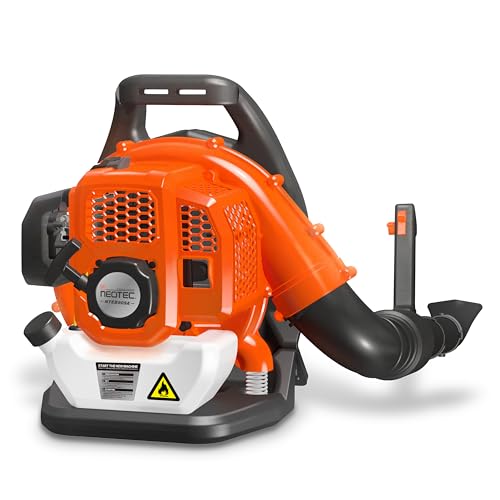
The NEO-TEC 52cc is a gas-powered backpack leaf blower intended for moving leaves and yard debris. Its stated airflow figures and backpack format may appeal to homeowners with larger lawns, frequent seasonal cleanup, or heavier debris than a small handheld blower is intended to handle.
NEO-TEC specifies 564 CFM and 216 MPH and describes the blower as suitable for wet, matted leaves and post-storm cleanup. These figures indicate a focus on substantial clearing power, though results will depend on debris, surface, and working conditions.
The padded harness carries the blower on the back, and a shock-absorbing mount is designed to limit vibration reaching the wearer. An air purge system is intended to help with starting, while the variable-speed throttle and cruise control provide options for adjusting or maintaining airflow.
Potential uses include clearing leaves from a lawn, shifting debris near garden beds, and routine cleanup around a larger property. The manufacturer also describes snow cleanup as a use, but conditions and suitability can vary, so follow the operating guidance for the task and surface.
This is a 2-cycle gas tool, so owners should plan for fuel handling and engine upkeep. Use it outdoors and follow the manufacturer's operating and safety instructions. The manufacturer describes the design as lightweight, but the published weight figures differ, so check the current product specifications if weight is a deciding factor.
Consider this blower if you want gas-powered airflow, backpack support, and adjustable controls for substantial yard cleanup. Who should skip it: People with small yards, a preference for electric equipment, or limited tolerance for gas-engine maintenance may be better served by a different type of blower.
Best For / Avoid If
Best for buyers prioritizing
- Strong stated airflow figures are suited to demanding leaf and debris cleanup.
- Backpack harness and vibration-isolating mount focus on comfort during extended use.
- Variable-speed throttle and cruise control offer flexibility for different cleanup conditions.
Consider another option if
- As a 2-cycle gas blower, it requires fuel handling and routine engine maintenance.
- Who should skip it: Gardeners with small, quiet spaces or those who prefer a low-maintenance electric blower may find a different power source more suitable.


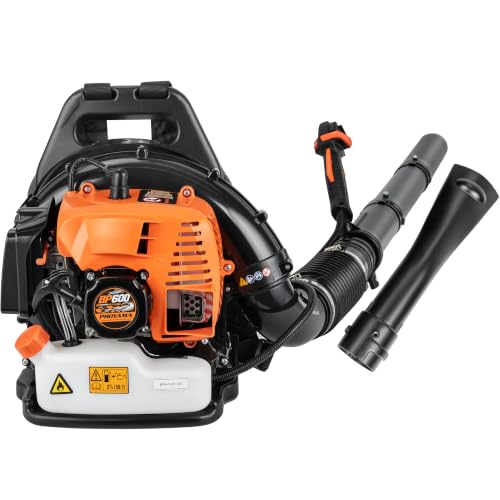
Pros
- Combines 600 CFM airflow with a listed air speed of 250 MPH for clearing loose yard debris.
- Backpack-style carrying system includes adjustable padded straps and a ventilated back pad.
- Includes flat and round nozzle options for different cleanup tasks.
- Self-locking handle offers an alternative to holding the trigger continuously.
Cons
- At 17.6 lb, it may be less suitable for gardeners who need a particularly lightweight blower or have difficulty carrying equipment on their back.
- As a gas-powered machine, it requires fuel handling and routine engine care; fuel mixture and maintenance details should be checked in the manual.
- Who should skip it: gardeners who prefer a corded or battery-powered tool, or who only need occasional cleanup in a small space.
The PROYAMA 51.7cc gas backpack leaf blower is intended for clearing leaves, grass clippings, dirt, and similar debris from lawns and hard surfaces. Its combination of backpack carrying and multiple nozzle choices may appeal to homeowners with broad yard areas or frequent cleanup needs.
PROYAMA specifies a 1.9-horsepower engine with a maximum speed of 7,000 RPM, airflow of 600 CFM, and air speed of 250 MPH. In practical terms, the manufacturer’s figures indicate a tool aimed at moving loose debris across open areas, with focused airflow available for more concentrated cleanup.
The blower weighs 17.6 lb and measures 63 by 19 by 20 inches. Its adjustable padded shoulder straps and ventilated back pad are intended to make carrying more comfortable, while the self-locking handle can keep airflow going without constant trigger pressure. The package includes flat and round nozzles, but assembly and fuel requirements should be confirmed in the manual.
For a backyard, the round nozzle may be useful for sweeping leaves across a lawn, patio, or driveway, while the flat nozzle is intended for corners, gaps, and piled debris. The gas-powered design avoids reliance on a power cord, which can be useful when moving around a larger property.
Gas equipment requires appropriate fuel handling and routine engine maintenance, and the manufacturer does not specify noise levels here. Wear suitable eye and hearing protection, keep people and pets clear of the airflow, and follow the operating and fuel-safety instructions in the manual. At 17.6 lb, this backpack blower may not be a comfortable choice for everyone.
Consider it if you want a gas-powered backpack blower with two nozzle styles and a self-locking handle for extended yard cleanup. Who should skip it: gardeners seeking a lightweight option, a quieter alternative, or a blower for only occasional small-area work may prefer a different type of tool.
Best For / Avoid If
Best for buyers prioritizing
- Combines 600 CFM airflow with a listed air speed of 250 MPH for clearing loose yard debris.
- Backpack-style carrying system includes adjustable padded straps and a ventilated back pad.
- Includes flat and round nozzle options for different cleanup tasks.
Consider another option if
- At 17.6 lb, it may be less suitable for gardeners who need a particularly lightweight blower or have difficulty carrying equipment on their back.
- As a gas-powered machine, it requires fuel handling and routine engine care; fuel mixture and maintenance details should be checked in the manual.
- Who should skip it: gardeners who prefer a corded or battery-powered tool, or who only need occasional cleanup in a small space.


Pros
- Backpack format and padded harness are suited to carrying the blower during longer cleanup sessions.
- Variable speed and cruise control offer options for both careful work and steady clearing.
- The two-stage filter is designed to help keep the air intake clear, and replacement is described as tool-free.
Cons
- At 22 lb, it may be cumbersome for users who prefer a lightweight handheld blower.
- As a two-cycle gas model, it requires fuel handling and engine maintenance; consult the manual for the correct fuel mixture and operating procedure.
- Who should skip it: gardeners with small patios, limited storage, or a preference for cordless equipment may prefer a lighter option.
The Thalorus 63CC is a gas-powered backpack leaf blower for seasonal yard cleanup. Its 63cc engine and backpack design are aimed at homeowners who need to move leaves across lawns, driveways, and patios, especially where a handheld blower may be less comfortable to carry for longer periods.
Thalorus rates airflow at 665 CFM and air speed at 205 MPH. Those figures indicate a focus on moving substantial leaf piles, while variable speed gives users a way to reduce airflow for lighter work near garden beds. Cruise control can hold a steady setting across open areas.
The unit weighs 22 lb and measures 14.9 by 18.9 by 22.4 inches. Its padded harness places the blower on the user's back, but the weight still matters when choosing equipment, transporting it, or storing it between seasons. The 1.7 L tank is intended to reduce interruptions for refueling.
For a home landscape, the blower could be useful for clearing lawn edges, patios, and driveways during fall cleanup. The adjustable speed may also help when directing leaves away from planting areas, though care is still needed around loose mulch, young plants, and lightweight garden materials.
This is a two-cycle gas machine, so users should follow the owner's manual for fuel preparation, starting, operation, and maintenance. Thalorus describes a two-stage air filter with tool-free replacement. Wear appropriate hearing and eye protection while operating gas-powered outdoor equipment, and keep the blower away from people and pets.
The Thalorus may suit homeowners who want backpack support, adjustable airflow, and a larger fuel tank for extended cleanup. Its 22 lb weight and gas-engine upkeep may make it a poor fit for small spaces or anyone seeking lightweight, low-maintenance equipment.
Best For / Avoid If
Best for buyers prioritizing
- Backpack format and padded harness are suited to carrying the blower during longer cleanup sessions.
- Variable speed and cruise control offer options for both careful work and steady clearing.
- The two-stage filter is designed to help keep the air intake clear, and replacement is described as tool-free.
Consider another option if
- At 22 lb, it may be cumbersome for users who prefer a lightweight handheld blower.
- As a two-cycle gas model, it requires fuel handling and engine maintenance; consult the manual for the correct fuel mixture and operating procedure.
- Who should skip it: gardeners with small patios, limited storage, or a preference for cordless equipment may prefer a lighter option.


A practical Best Backpack Leaf Blower buying guide
Match airflow to the job
CFM means cubic feet per minute, a measure of air volume. It helps indicate how much material a blower can move across an area. MPH describes air speed, which matters when you need to dislodge leaves from a particular spot. Neither number alone tells the full story, and manufacturer figures may be measured under different conditions. Compare both, then consider the size and type of cleanup you actually do.
Think about engine size and fuel
Most models here are described as two-cycle gas blowers. These require the correct fuel and oil mixture, so check the manual for the exact ratio and approved fuel before use. One NEO-TEC product title specifies a 25:1 premix, but do not apply that ratio to other models. A larger engine may appeal for repeated or demanding clearing, while it also makes fuel handling and routine engine care part of ownership.
Assess harness fit and carried load
A backpack design can distribute weight across the torso, but it is not automatically comfortable for every body. Look for stated harness details, such as the padded or ventilated features described for some models, and consider the blower’s weight where it is specified. Try adjusting the harness according to the manual before a long job. If lifting or carrying a powered tool is uncomfortable, a smaller handheld or cordless blower may be a better fit.
Read controls and nozzle details carefully
Cruise control can hold a selected throttle setting, reducing the need to keep pressure on the trigger. A tube-mounted throttle places the control on the blower tube. These features may make repeated adjustments more convenient, but their value depends on your work style and reach. Flat and round nozzles are mentioned for the PROYAMA model; verify what is included and how the manufacturer recommends using each before buying.
Choose for yard size and clearing routine
For a smaller yard with occasional light debris, a high-output backpack blower may add cost, weight, and upkeep without a clear benefit. Large properties or frequent accumulation can make higher stated airflow more useful. Also consider where leaves will go: blowing them into beds, neighboring yards, storm drains, or roadways can create problems. Direct debris to a suitable collection area and follow local rules about leaf disposal and blower use.
Plan for noise, dust, and safe operation
Gas blowers produce exhaust and can raise dust and debris. Wear hearing and eye protection, suitable footwear, and other protective equipment recommended by the manufacturer. Keep the air stream away from people, pets, open doors, and delicate garden areas. Check local noise ordinances and restrictions before operating; noise levels are not specified consistently for the models discussed here.
Maintain and store a gas blower responsibly
Follow the model’s manual for fuel mixture, starting procedure, air-filter care, spark plug service, and other maintenance intervals. Let the engine cool before refueling, and handle fuel outdoors away from ignition sources. Store fuel only in an approved container, and keep the blower in a dry, secure place away from children. If you are unsure how to service an engine, use a qualified repair provider.
Compare ownership cost, not just power
Consider fuel, oil, protective gear, replacement maintenance parts, and access to service when comparing gas models. A higher airflow figure does not guarantee faster cleanup in every yard, and advertised specifications are not a substitute for a comfortable fit or reliable access to service. If you use a blower only occasionally, compare gas ownership with a cordless model and its documented runtime, rather than assuming one power source suits everyone.
How we evaluate backpack leaf blowers
We assess the stated engine type and displacement, CFM, MPH, fuel and tank details, controls, and harness descriptions. These help explain whether a model appears better suited to occasional home cleanup or heavier, repeated work. Where a specification is not stated, we avoid treating it as a known advantage.
We also consider how the features affect ownership: two-cycle fuel preparation, routine maintenance, carried load, storage, and safe operation. Manufacturer specifications are useful comparison points, but figures such as air speed and volume do not provide a complete picture of real-world comfort or clearing results. Owner feedback can add context when it is available, but it should not replace checking the manual and confirming fit.
For updates during November 2026, our review approach focuses on practical use cases, stated features, and differences that could change a homeowner’s choice. We favor clear tradeoffs over assuming the largest engine or highest airflow is right for every garden.
Frequently asked questions
What CFM should I look for in a backpack blower?
CFM measures air volume, so it is useful when comparing how much air a model is designed to move. Match the figure to the scale of your cleanup, and compare MPH too. Do not assume that either number alone guarantees a particular result.
Is a backpack blower too much for a small yard?
It can be more equipment than necessary if you clear a small area only occasionally. Consider the carried load, fuel mixing, storage, and maintenance alongside clearing capacity. A handheld or cordless model may be more practical for some small properties.
Do gas backpack blowers need mixed fuel?
Many models in this group are described as two-cycle engines, which generally use fuel mixed with oil. The correct ratio is model-specific, so follow the owner’s manual and do not assume one blower’s ratio applies to another.
How should I store a gas backpack blower?
Use the manufacturer’s storage instructions, including its directions for fuel and seasonal storage. Keep the tool secure and away from children, and store fuel in an approved container. Never refuel a hot engine or handle fuel near a flame or spark.
What safety gear should I use with a leaf blower?
Follow the manual’s safety directions and use hearing and eye protection, suitable footwear, and any other recommended protective equipment. Avoid directing debris toward people or animals, and check local rules for operating hours and restrictions.
How do I choose between a backpack blower and a handheld one?
Consider the size of the area, how often you clear it, and whether a backpack harness is comfortable for you. Backpack models may make sense for extended clearing, but they add a carried load and, for gas models, fuel and engine maintenance. Compare both formats before deciding.