


In most cases, it is better to wait until grass is dry before mowing. Wet blades can bend instead of cutting cleanly, clippings may clump on the lawn or collect under the deck, and damp ground can make footing and mower control less reliable. This guide helps homeowners decide whether to postpone, how to recognize workable conditions, and how to limit problems when the schedule cannot be changed.
This is a practical lawn-care guide, not a product roundup, so it focuses on mowing decisions and technique rather than ranking equipment. The main considerations are how wet the grass and soil are, the slope and layout of the yard, the mower’s instructions, and whether you can wait for a safer, cleaner cut. For broader equipment advice, see our Lawn Care & Power Equipment guides.
A Practical Guide to Mowing Wet Grass
Why waiting is usually the better choice
Wet grass is heavier and more likely to stick together than dry clippings. Rather than dispersing evenly, it can form moist clumps that shade patches of turf and make the finished lawn look uneven. A damp blade may also fold over as the mower passes, so the cut can look ragged even when the mower is functioning normally.
Wet soil is a separate concern from wet leaves. When the ground is soft, mower wheels can leave ruts or press down the turf, especially during tight turns. That damage is more likely where the soil is saturated or the mower is heavy. Waiting for the surface to firm up can help protect the lawn as well as improve the appearance of the cut.
Judge the lawn, not just the weather
A forecast that says rain has stopped does not mean the lawn is ready. Dew, shade, dense growth, and low spots can keep grass wet after nearby pavement has dried. Walk a small area first. If water transfers readily to your shoes, blades feel slick, or the soil gives underfoot, postpone mowing if you can.
Look for differences across the yard. Sunny, open sections may dry earlier than shaded edges or areas near trees. If only a small patch remains damp, avoid making repeated passes through it. For a sloped lawn, be especially conservative: moisture can reduce traction even when the surface appears nearly dry.
Consider the slope and mowing route
Slopes, ditches, and uneven ground raise the stakes because wet footing can contribute to a slip or loss of control. Do not mow a wet slope if you cannot keep stable footing and maintain control of the mower. Follow the mower manufacturer’s instructions for slopes and operating conditions; they take priority over general advice.
On flatter ground, plan a route that avoids sharp turns and unnecessary passes. Turning on soft turf can scuff or tear it. Keep other people and pets away from the mowing area, and stop if traction or visibility becomes uncertain. A missed mowing window is preferable to pushing through conditions you cannot manage safely.
If mowing cannot wait, reduce the downsides
Sometimes a long stretch of rain makes postponing impractical. If the lawn is only lightly damp, the ground is firm, the area is relatively level, and the mower manual permits operation, use a cautious approach. Set the deck high enough to avoid removing too much at once, move at a steady pace, and avoid forcing the mower through thick, wet growth.
Make fewer passes where possible and check whether clippings are clumping. If they accumulate, stop rather than continuing to spread heavy piles across the lawn. Do not reach under the deck or clear a blockage while the mower is running. Shut the machine down and follow the manufacturer’s directions for safe clearing and maintenance.
Choose a sensible cutting height
When grass has grown tall during a wet spell, cutting it very short in one pass is a poor recovery plan. Removing too much leaf at once can leave the lawn looking stressed and makes it harder to manage the clippings. Raise the cutting height and, once the lawn is dry, reduce it gradually over later mowings if needed.
There is no single height that suits every lawn. Grass type, season, and local growing conditions matter, so use guidance suited to your region and the mower’s adjustment range. The useful rule during a delayed mowing cycle is to avoid an aggressive cut and keep the mower moving without scalping high spots.
Clean and store the mower carefully
Wet clippings can stick to the mower deck and discharge area, where they may dry into a difficult layer. After mowing, turn the machine off and use the shutdown and cleaning procedure in its manual. Keep hands clear of the blade, and never assume the blade is safe to approach simply because the mower has stopped.
Let the mower dry before storing it, and check the manual for approved cleaning methods. Avoid directing water at electrical components or controls unless the manufacturer explicitly allows it. Regularly inspect the blade and mower condition according to the maintenance schedule, and arrange service when you find damage or a problem you cannot safely address.
Make the call based on your yard and schedule
For a small, level lawn with firm soil, a brief delay until the surface dries may be all that is needed. Larger yards take longer to mow, so starting too soon can mean the remaining sections are still wet or the first sections have become difficult to manage. Divide the job into manageable areas only when conditions are suitable, and avoid driving repeatedly over soft ground.
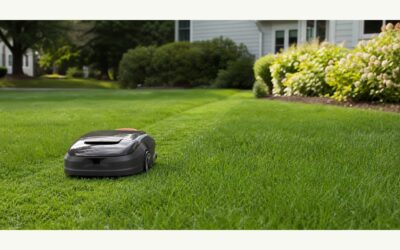
If wet weather regularly disrupts your routine, consider whether your mowing schedule, lawn layout, or equipment choice needs to change. Our guide to how robotic lawn mowers fit different yards can help you assess another approach to routine mowing. A mower is not a substitute for checking weather, ground firmness, and safe operating conditions.
How We Evaluate Wet-Weather Mowing Advice
We assess mowing guidance around the decisions homeowners actually face: whether the grass and soil are ready, whether the yard’s slope and layout allow controlled operation, and how to avoid unnecessary turf damage. We distinguish damp blades from saturated ground because they create different practical concerns. A lawn can look dry from a distance while shaded areas or soft soil remain problematic.
We also consider equipment-specific instructions, since mower designs and operating limits vary. General lawn-care guidance cannot replace a manufacturer’s manual, particularly for slopes, clearing clippings, cleaning, and storage. Advice should remain conservative when footing, traction, or control is uncertain.
This editorial guide is updated during November 2026 to keep its recommendations relevant to homeowners managing routine lawn care. The practical priority remains the same: wait when conditions are poor, mow cautiously only when the ground and equipment allow it, and stop if the work becomes unsafe or damaging.
Final Recommendation
For most homeowners, waiting for dry grass and firmer soil is the better choice. It generally makes clippings easier to manage and reduces the chance of ruts, scuffing, and an uneven-looking cut. Waiting is particularly important on slopes, in saturated areas, and wherever wet footing makes mower control uncertain.
If the lawn is only lightly damp, flat, and firm, and the mower manual allows operation, proceed cautiously: use a higher cut, avoid sharp turns, watch for clumps, and clean the mower according to its instructions afterward. If those conditions are not met, postpone the job. No particular mower is recommended here; the right decision depends more on the lawn’s condition and safe operating conditions than on a product ranking.
Frequently Asked Questions
Can I use a lawn mower when the grass is damp?
It may be possible when the grass is lightly damp, the soil is firm, the yard is level, and the mower’s instructions allow it. Expect clippings to clump more readily, and stop if traction or control becomes uncertain. Waiting for the lawn to dry is the more cautious option.
How can I tell if my lawn is too wet to mow?
Check a small area on foot before starting. If water transfers to your shoes, the soil feels soft, or you see standing water, wait. Shaded patches can remain wet after exposed areas have dried.
Will mowing damp grass damage the lawn?
It can leave clumps and an uneven appearance, while soft ground may develop ruts or scuffed patches. The likelihood depends on how wet the lawn is, the mower, and the yard’s condition. Avoid repeated passes and sharp turns on soft turf.
Should I change the mower height for wet grass?
If mowing lightly damp grass is appropriate, a higher setting can help avoid removing too much at once, especially if the grass has grown tall. Do not make a very low cut to compensate for a delayed schedule. Follow the mower manual and local lawn-care guidance for suitable height adjustments.
What should I do with wet clippings?
Do not leave heavy clumps scattered across the lawn if you can avoid it. Pause if clippings build up, then deal with them only after shutting the mower down and following the manual’s safety directions. Never clear material from beneath a running mower.
How should I clean a mower after cutting damp grass?
Switch the mower off and follow the manufacturer’s shutdown and cleaning instructions. Keep hands away from the blade, and use only cleaning methods approved for the machine. Let the mower dry before storage and check for clippings around the deck and discharge area.
Continue your garden research
Browse more practical guides in Lawn Care & Power Equipment.
For product comparisons, see Best Cordless Lawn Mower For Small Yards: Reviews and Buying Guide.
See how Dove Creek Gardens researches and compares products.