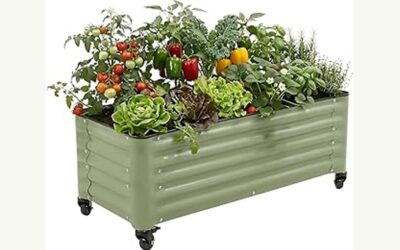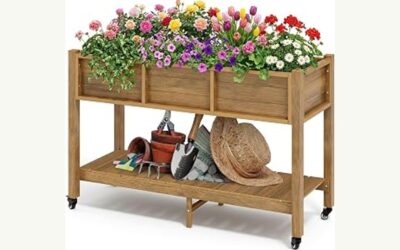



Watching the soil level drop several inches inside a planter box can be alarming for any gardener. When newcomers ask why does raised bed soil sink, they often suspect a structural failure or excessive soil loss through drainage gaps. In reality, soil subsidence in raised beds is a natural process driven by organic decomposition, settling, and moisture movement. Whether you cultivate leafy greens or deep-rooting crops in a raised garden bed for root vegetables, understanding these soil dynamics allows you to plan seasonal replenishment without disrupting your plants.
At Dove Creek Gardens, our editorial team reviewed common raised bed setups and soil management strategies for 2026. While our database currently includes 0 standalone commercial soil products specifically branded for this exact query, the fundamental agronomic principles remain consistent across timber, metal, and composite structures. We analyzed how various fill mixtures behave, evaluating physical settlement, biological digestion rates, and the impact of sub-layer materials.
This guide breaks down the physical and biological mechanisms that cause soil levels to drop, outlines seasonal remediation routines, and highlights preventative building practices. By diagnosing the specific root cause behind soil loss, you can sustain productive root zones, maintain balanced moisture retention, and preserve optimal aeration year after year.
1. Natural Decomposition of Organic Matter
The primary reason raised bed soil sinks over time is microbial decomposition. High-quality raised bed blends depend on compost, shredded bark, leaf mold, and worm castings to deliver slow-release nutrition and maintain porosity. Soil microbes, earthworms, and fungi steadily break down these carbon compounds into humic substances, carbon dioxide, and water. As solid materials oxidize and convert to gasses, the physical volume decreases, causing the entire soil surface to drop gradually across the growing season.
Bed blends rich in unfinished compost or wood chips shrink faster than mature, mineral-dominant mixes. While active decomposition builds rich biology, it guarantees an annual volume reduction of roughly ten to twenty percent. Gardeners who cultivate dedicated beds, such as a specialized raised garden bed for herbs, should anticipate this natural compaction cycle as organic nutrients are absorbed by growing plants.
2. Settling of Air Pockets After Irrigation
When you initially fill a garden box, the dry or semi-moist growing medium contains abundant macro-pores and structural voids. Hand shovel work, dumping bags, or loose wheelbarrow distribution introduces significant fluffing. Once deep irrigation begins, water draws small particles downward, closing air gaps and tightening the matrix. This initial consolidation can drop soil height by two to four inches within the first few weeks of planting.
Allowing a newly built bed to settle through repeated gentle waterings before final transplanting prevents root tear. When soil sinks under seedlings too quickly, fragile root hairs can stretch and snap as the downward pull tugs on the stem collar. Thorough pre-soaking stabilizes the soil profile before delicate root systems establish.
3. Hugelkultur Sub-Layer Breakdown
Many gardeners use hugelkultur techniques to fill deep beds affordably by packing the base with logs, branches, and woody trimmings before adding premium topsoil. While this strategy saves money, thick timber eventually softens and breaks down under the influence of moisture and wood-decay fungi. As subterranean logs rot into spongy humus, large underground cavities open up and collapse, causing dramatic soil drops.
To moderate this effect, pack spaces between bottom logs with coarse compost, soil, or aged manure during initial construction. Avoid softwood species that break down within months, and avoid using rot-resistant woods like cedar that refuse to provide soil life benefits. Regular top-dressing easily offsets the seasonal drop caused by hugelkultur settling.
4. Soil Migration and Base Loss
Raised beds built over porous native dirt, gravel trenches, or uneven patio stones can lose fine soil particles through bottom drainage points. Heavy downpours wash silts and fine humic fractions downward out of bottom gaps if no physical barrier holds the mixture. In open-bottom designs on soft earth, subterranean organisms like moles, voles, and earthworms also shift loose soil down into native subsoil layers.
Lining the bottom of your box with breathable landscape fabric or heavy-duty wire mesh prevents soil migration while permitting surplus water to escape freely. Gardeners experimenting with mobile structures or containers, like grow bags for potatoes, experience similar settling caused by fabric drainage, showing that base containment is crucial for keeping media stable.
5. How to Replenish Sinking Soil Correctly
Fixing sunken bed soil does not require excavating existing materials. Instead, schedule a top-dressing routine every spring or autumn using high-grade compost mixed with well-aerated loam. Add two to three inches of compost over the surface, gently working it around perennial crowns or sowing cover crops directly into the fresh layer. This practice replenishes lost volume while introducing fresh microbial life and balanced plant nutrients.
Avoid dumping heavy, clay-rich topsoil onto an established organic mix, as fine minerals can create a dense, suffocating layer that impedes aeration. Match your topping material to the original porosity of the bed so moisture can flow smoothly through the vertical soil profile without forming perched water tables.
6. Managing Soil Compaction and Aeration
Routine foot traffic, leaning over beds, or heavy rain impacts compress loose soil particles, eliminating internal pore space. Compacted raised bed soil sheds water rather than absorbing it, leading to surface crusting and poor root penetration. For larger boxes or specialized structures like a tomato planter with trellis, never step inside the growing boundary, and design bed widths to permit easy harvesting from outer edges.
Rather than aggressive mechanical tilling, which destroys fungal networks and accelerates organic loss, use a broadfork to aerate tight beds. Insert the tines vertically and lean back gently to crack the soil cake without inverting layers. Aeration opens up channels for root growth, water penetration, and gas exchange, keeping the media resilient against downward compression.
| Subsidence Cause | Primary Indicator | Recommended Solution |
|---|---|---|
| Organic Decomposition | Gradual, uniform 1-2 inch drop yearly | Top-dress with mature compost each spring |
| Irrigation Settling | Rapid dropping within 2-3 weeks of filling | Pre-soak medium thoroughly before transplanting |
| Hugelkultur Rot | Uneven surface depressions and hollow spots | Backfill voids with blended topsoil and compost |
| Base Soil Washout | Discolored runoff near base corners | Install permeable fabric barrier beneath bed frame |
| Surface Compaction | Crusting, poor drainage, pooling water | Aerate using a garden broadfork without turning soil |
Research Methodology and Trust
At Dove Creek Gardens, our editorial evaluations are based on horticultural literature, technical manufacturing data, and practical home gardening parameters. We do not claim hands-on laboratory testing for every variable; instead, we analyze structural mechanics, soil biology requirements, and owner feedback across various planter formats. Our research for this guide was updated during September 2026 to ensure our recommendations reflect current best practices in sustainable soil management.
When assessing garden beds, planters, and soil retention systems, we examine material durability, structural stability, drainage management, and root health suitability. We cross-reference manufacturer assembly instructions with field reports from real gardeners to identify weak points, structural bowing, or chronic soil loss issues. This balanced method delivers dependable advice for both novice growers and experienced vegetable gardeners.
Frequently Asked Questions
Why does raised bed soil sink after the first winter?
Winter moisture, heavy snow loads, and freeze-thaw cycles press out air pockets left over from the initial filling process. At the same time, microbial activity and earthworms continue digesting dead roots and organic matter, causing the overall soil mass to settle lower inside the frame before spring planting.
Should I dig out the old soil when my bed sinks?
No, you should keep the established soil base in place because it contains active beneficial microbes, fungal networks, and essential earthworm channels. Simply loosen the top few inches gently with a hand fork, then spread fresh compost or a high-quality soil blend directly over the surface to restore the proper depth.
How many inches of soil should I add each year?
Most home gardeners need to add two to three inches of finished compost or balanced garden soil mix annually to compensate for natural subsidence. Doing this in late autumn or early spring gives the fresh layer time to integrate before seeds and transplants are placed.
Does using cardboard at the bottom cause raised bed soil to sink?
Cardboard breaks down completely within three to six months under moist conditions. When the corrugated cardboard softens, it compresses slightly and allows the upper soil layer to settle firmly against the native ground below, causing a minor, normal drop in overall soil height.
Can soil subsidence damage plant roots?
Rapid soil sinking immediately following transplanting can strain or tear fragile young roots as soil pulls downward. However, gradual seasonal settling rarely harms established plants, provided the root crown remains at an appropriate level relative to the surrounding soil surface.
How do I prevent soil from washing out through the bottom gaps?
Lining the bottom of your wooden or metal raised bed with woven landscape fabric or fine hardware cloth holds fine soil particles inside while permitting water to drain freely. This barrier prevents muddy washout during heavy rainfall and protects against burrowing garden pests.
Continue your garden research
Browse more practical guides in Raised Beds & Planters.
For product comparisons, see Best Galvanized Raised Garden Beds.
See how Dove Creek Gardens researches and compares products.